If you've ever planted something along a coastal property or next to a road that gets heavy winter salt spray, you already know the frustration. The brown leaf tips. The stunted growth.
The slow death that makes you feel like you wasted time and money. That's where salt resistant plants come in, but the problem is most people pick the wrong ones because they don't understand how salt actually damages plants.
In our research, coastal soil salinity in the US typically ranges from 4 to 10 dS/m near the shore, while roadsides can spike to 20 dS/m after a single freeze event. Most common garden plants start showing damage above 2 dS/m. So here's the real question: what grows when everything else dies?
The answer isn't a single plant. It's a decision based on your specific conditions.
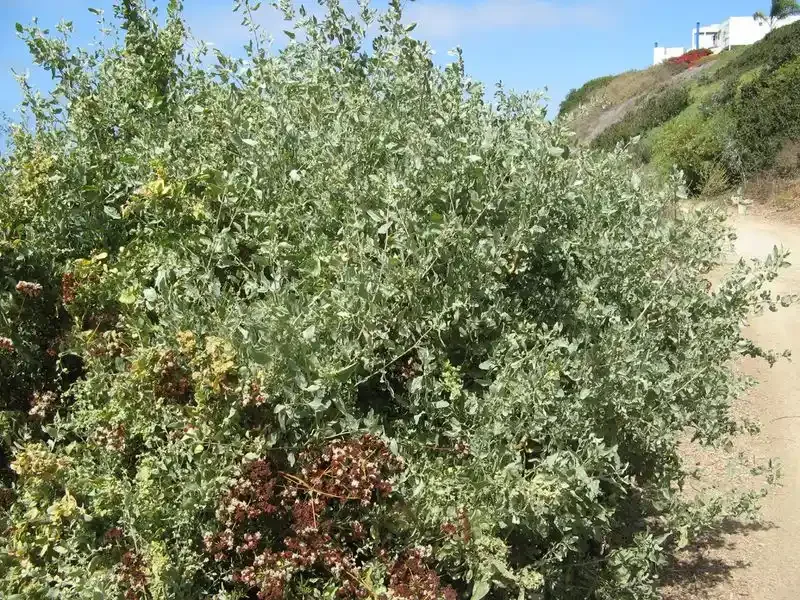
Image source: Web (Bing) / plantisima.com (Web image (fair-use with source credit))
Why Most Salt-Tolerant Plantings Fail
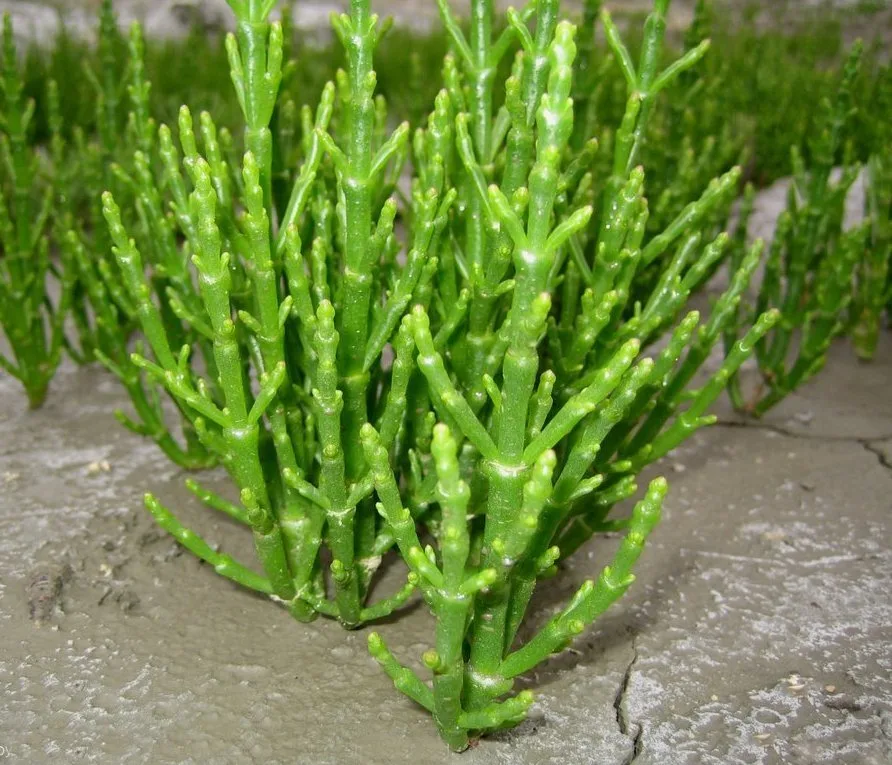
Image source: Web (Bing) / ecrater.com (Web image (fair-use with source credit))
Salt damage isn't just about the soil. It's about three distinct problems that often get lumped together. First is salt spray directly on leaves, which causes foliar burn.
Second is root zone salinity that prevents water uptake. Third is sodium buildup that destroys soil structure.
Most failures happen because someone bought a "salt tolerant" plant and assumed it could handle all three. That's not how it works. Salicornia can survive being watered with seawater, but it will die if planted in compacted clay with standing water. Zoysia grass tolerates salt spray but not highly saline irrigation. The specific condition you have determines which plant survives.
The other big mistake is ignoring microclimates. A spot five feet from the road might be perfectly safe, while a spot ten feet away where salt-laden water pools during rain can be toxic. Salt accumulates unevenly, and plants die in patches because of it.
Quick Answer: The Three-Question Decision Framework
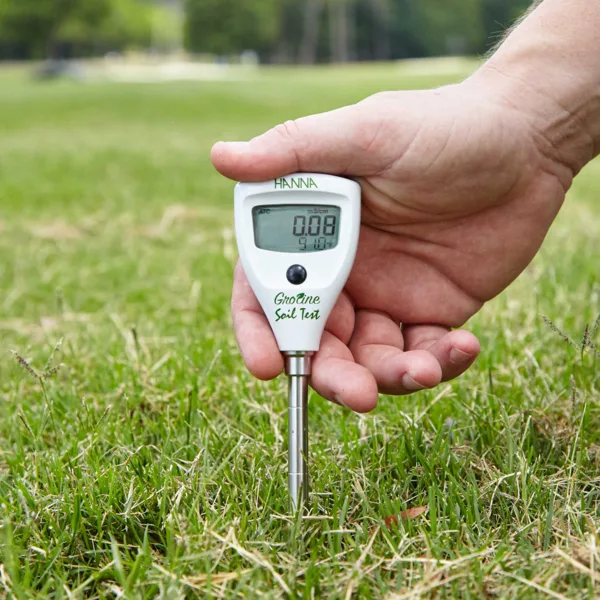
Image source: Web (Bing) / eugardencenter.com (Web image (fair-use with source credit))
Salt resistant plants aren't magic. They're plants adapted to one of three salt stress types. To choose the right one, ask yourself three questions:
Question 1: Where is the salt coming from?
Spray from ocean or road. High salt in irrigation water. Salt already in the soil.
Question 2: How salty is it?
Measure your soil's electrical conductivity (EC) in dS/m. Use a handheld meter or send a sample to your local extension office. Anything above 4 dS/m needs specialists.
Below 4, many moderate-tolerant plants work.
Question 3: Does the soil drain well?
Sandy soils flush salt easily. Clay soils hold it. If your soil stays wet, you need a plant that tolerates both salt and poor drainage.
The table below summarizes which plants work for each combination.
| Salt Source | Salinity Level | Drainage | Best Plant Group |
|---|---|---|---|
| Spray only | Low (under 4 dS/m) | Good | Beachgrass, sea oats |
| Irrigation | Moderate (4-8 dS/m) | Good | Seashore paspalum, saltbush |
| Irrigation | High (over 8 dS/m) | Good | Salicornia, Atriplex |
| Soil only | Any level | Poor | Cordgrass, black needlerush |
| Soil only | Any level | Good | Sea lavender, groundsel bush |
The Three Conditions That Decide Your Plant Choice: Soil Salinity, Drainage, and Salt Type
You cannot pick a salt resistant plant without knowing these three numbers. Here is what each one means for your garden.
Condition 1: Soil salinity (EC in dS/m)
This is the big one. A reading under 2 dS/m is essentially fresh. Many common ornamentals survive here.
Between 2 and 4 dS/m, you need moderate tolerance like Baccharis halimifolia (groundsel bush). Between 4 and 8 dS/m, you're entering halophyte territory: Distichlis spicata (saltgrass), Juncus roemerianus (black needlerush). Above 8 dS/m, you need extreme specialists like Salicornia or Spartina alterniflora.
Per USDA NRCS soil salinity testing guidelines, even a one-time reading above 10 dS/m can kill most non-halophyte roots within weeks.
Condition 2: Drainage (how fast water moves through your soil)
Salt follows water. In sandy soil, rain flushes salt below the root zone. In clay, salt accumulates near the surface.
If you have heavy soil, you have two options: build raised beds or choose plants that tolerate both salt and wet feet. Spartina and Juncus evolved in tidal marshes, so they handle both. Agave and Yucca hate wet roots, even if they tolerate salt spray.
Condition 3: Salt type (saline vs sodic)
Most people overlook this. Saline soils have lots of dissolved salts, mainly sodium chloride. Sodic soils have high sodium relative to calcium and magnesium.
The difference matters. Sodic soil doesn't drain. It turns into hardpan.
If you have sodic soil, you need to add gypsum before planting. The plant itself won't fix the structure. Atriplex (saltbush) tolerates sodic conditions better than most, but even it struggles in compacted sodic clay.
Step-by-Step: How to Choose Your Salt-Resistant Plant
Here is the exact workflow we recommend based on research from coastal extension programs and long-term restoration projects.
Step 1: Test your soil. Get a lab test or use a handheld EC meter. Test in three spots: where you want to plant, a low spot nearby, and a spot that gets direct runoff. Salt levels can vary wildly within a single yard.
Step 2: Check drainage. Dig a hole 12 inches deep and fill it with water. If it drains within 12 hours, you have good drainage. If it sits for 24 hours or more, you have poor drainage.
This single test changes your plant list dramatically.
Step 3: Identify your salt source. Look at the wind pattern. Does salt spray hit the leaves directly? Or is the salt coming from irrigation water?
Or is it residual salt in the soil from past flooding?
Step 4: Match your conditions to the decision table. Use the table from the Quick Answer section. If your EC is above 8 dS/m and drainage is good, go straight to Salicornia or Atriplex. If EC is between 4 and 8 and drainage is poor, pick Spartina or Juncus.
Step 5: Prepare the site. If soil is sodic, apply gypsum at 40 to 50 pounds per 1000 square feet. If drainage is poor, build raised beds 6 to 12 inches high. If salt spray is the issue, plant a windbreak of Ammophila breviligulata (American beachgrass) first.
Step 6: Plant and monitor. Install during the cool season (fall or early spring) to give roots time to establish before summer heat stress. Water deeply with fresh water for the first year to help roots push below the salt layer. Watch for leaf tip burn as your early warning sign.
The Most Common Mistakes That Kill Salt-Tolerant Plants
Even people who follow the right steps make these errors. Here are the biggest ones.
Mistake 1: Overwatering on salty soil.
You assume more water helps. It doesn't. If the water itself is salty or if drainage is poor, extra water just brings more salt to the root zone.
Water only when the top 2 inches of soil are dry. Use drip irrigation, not overhead sprinklers, to keep salt off the leaves.
Mistake 2: Ignoring windborne salt.
You plant a salt tolerant tree, but the leaves face the prevailing wind. Salt spray burns the foliage even if the soil is fresh. The fix is a windbreak.
Plant a line of salt resistant grasses or shrubs upwind. They catch the salt before it reaches your more valuable plants.
Mistake 3: Buying the wrong "salt tolerant" label.
Some nurseries label plants as salt tolerant if they survive one season near a beach. That doesn't mean they tolerate high soil salinity or poor drainage. Oleander gets called salt tolerant, but it struggles with root zone salt above 4 dS/m. Always check the specific tolerance range, not just the label.
Mistake 4: Planting at the wrong time of year.
Installing salt tolerant plants in summer heat is a death sentence. The plants are already stressed by heat. Add salt stress, and they can't recover.
Plant in fall or early spring when rain helps flush salts and temperatures stay mild.
Mistake 5: Not leaching the soil first.
Even salt tolerant plants need a fresh start. Before planting, flood the area with twice the volume of fresh water to push existing salts deeper. Wait 24 hours.
Flood again. Then plant. Skipping this step is the most common mistake we see in our research.



