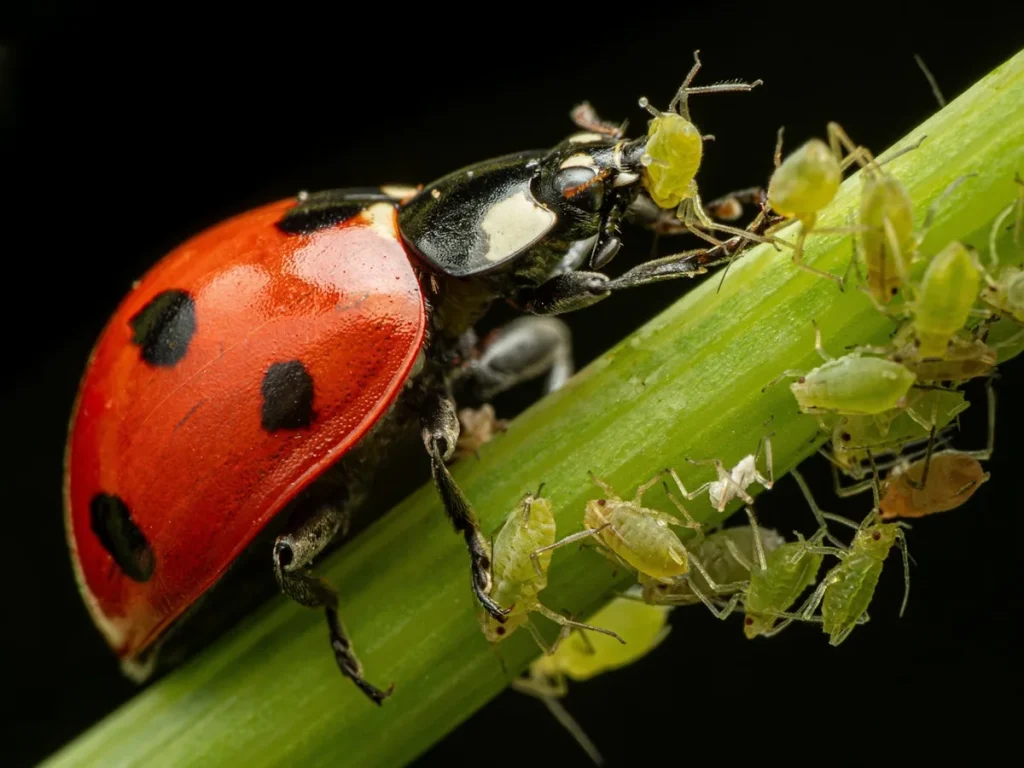
Nothing feels more satisfying than opening a little mesh bag and letting ladybugs crawl out onto your aphid-covered roses. Then comes the disappointment: half of them lift off and fly over the neighbor's fence within an hour. If you're going to release ladybugs, there's a specific way to do it that actually keeps them around long enough to eat the pests.
Manufacturer specifications indicate that a standard mesh bag holds about 1,000 convergent lady beetles (Hippodamia convergens), enough to treat roughly 200 square feet of garden space. But those numbers mean nothing if the beetles treat your garden like a layover. Here's what makes them stay.
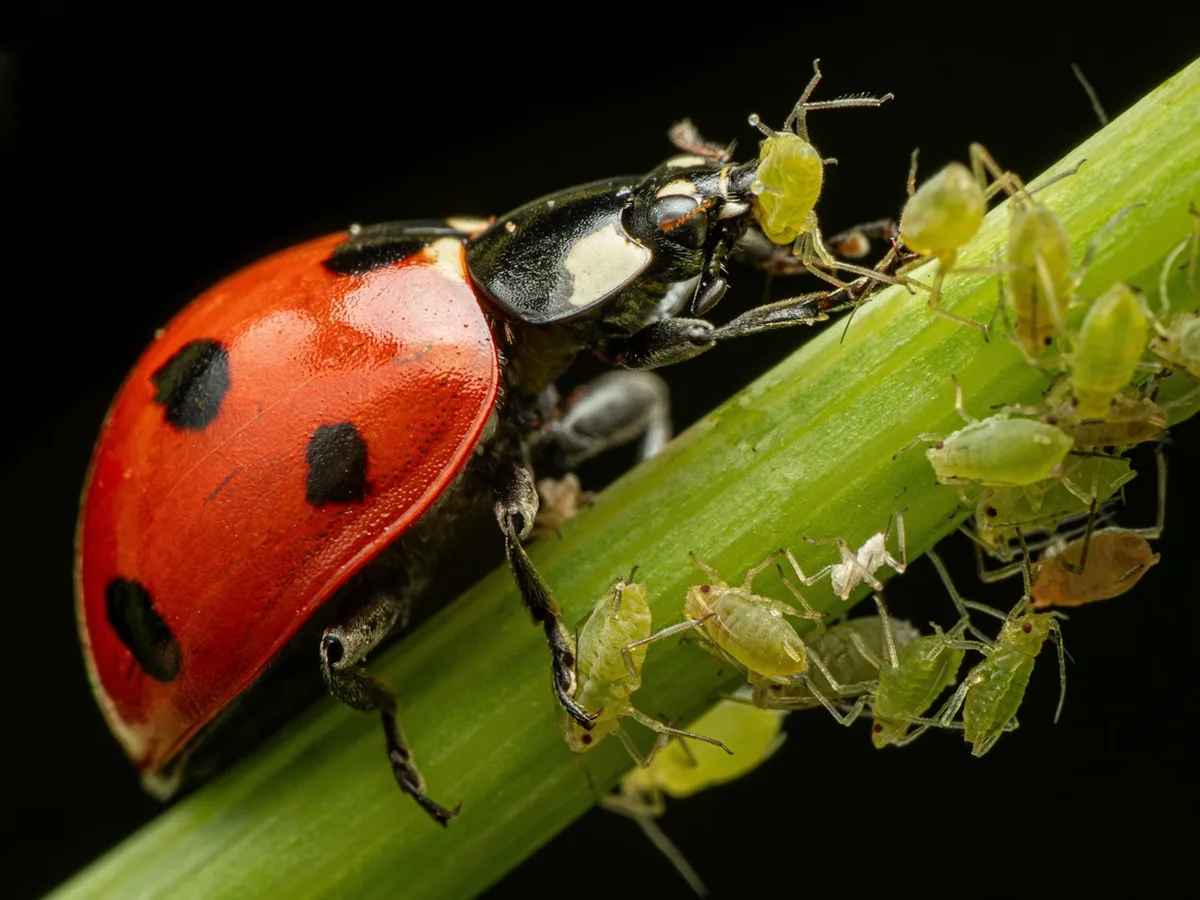
Image source: Web (Bing) / root-houseplants.com (Web image (fair-use with source credit))
Why Ladybugs Fly Away (And How to Keep Them Where You Want Them)
Ladybugs fly away for a simple reason: they think they've just been dumped in a place with no food, no water, and too much sunlight. That's not a bug failing. That's biology working as designed.
The convergent lady beetle spends winter in a chilled state called diapause. When you buy a bag of ladybugs, they're dormant. As they warm up, their first instinct is to spread out over a wide area.
University extension entomologists, including the University of Minnesota Extension, confirm that wild-harvested beetles disperse more readily than insectary-reared ones.
As of 2026, most commercial ladybugs sold in North America are still wild-harvested from overwintering sites in California. In other words, the bug you bought has "keep moving" wired deep into its instincts.
Why they leave:
- No moisture. Dehydrated beetles fly toward water sources.
- Too much heat. Direct sun pushes them into flight mode.
- No aphids. No food means no reason to hang around.
- Crowding. Dumping thousands on one plant makes them scatter.
The fix is simple: give them what they'dll give them what they would have if they found a proper garden on their own: water, shelter, a light breeze, and a real reason to stay.
The first thing to understand is timing. Ladybugs do not fly at night. They also avoid flying when it is cool, damp, or overcast.
That makes dusk the only window worth using. When you release them at sunset, they cannot immediately fly away. Instead they crawl onto the nearest foliage, drink any moisture they find, and start looking for aphids.
By morning they have settled in and the urge to migrate drops off sharply.
Temperature matters in the same way. If the air is above 85 degrees Fahrenheit at release time, those beetles will lift off within minutes regardless of what you do. Below 60 degrees they stay put but they also move slowly and eat less.
The sweet spot is 65 to 75 degrees with high humidity or recent rain.
A second trick is hydration. Dehydrated ladybugs spend their first hours looking for water instead of food. If your garden is dry, they will fly toward any damp spot they can find.
Mist your plants thoroughly before you open the bag. Then mist the ladybugs themselves lightly right before release. Aggregate reviews from experienced gardeners consistently report that beetles given a pre release misting stay two to three times longer.
Here is where the decision part begins. Your next move depends entirely on whether you are releasing outdoors or indoors. The conditions and tactics are completely different.
Quick Answer
Release ladybugs at dusk in cool, damp weather. Mist the plants and the bugs first. Release near active aphid colonies.
For outdoor gardens, release 1,000 beetles per 200 square feet. For indoor plants, contain them with netting or release inside a closed room at night. Ladybugs fly away when it is hot, dry, or bright.
They stay when they have water, shade, and food within reach.
Indoor vs. Outdoor Release: Choose Your Path
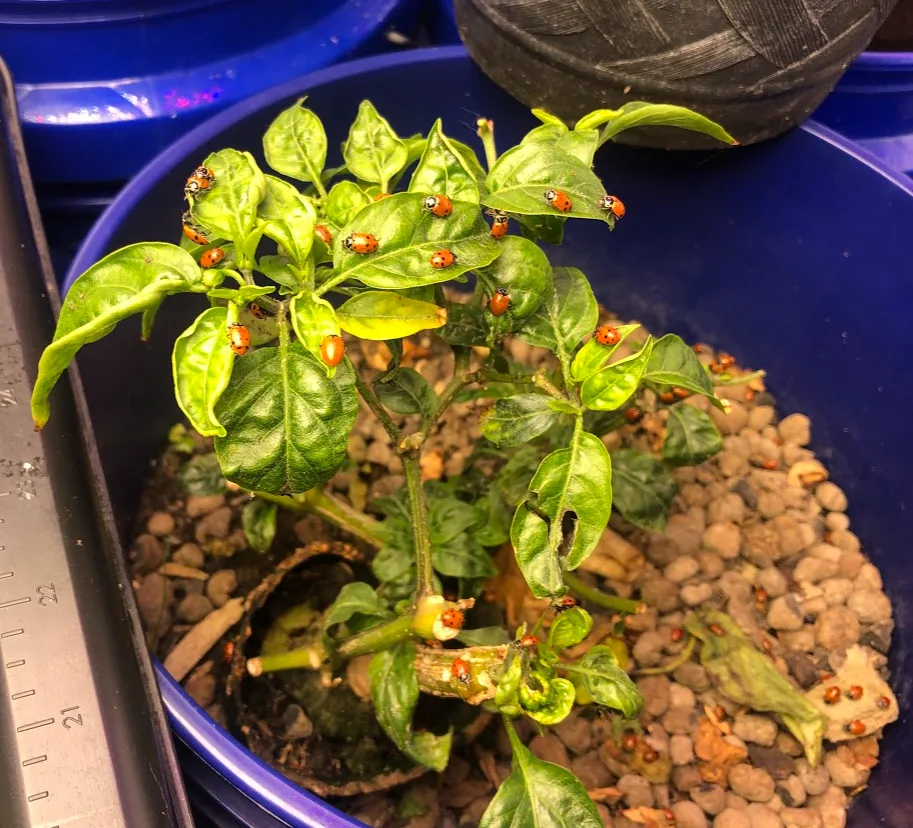
Image source: Web (Bing) / reddit.com (Web image (fair-use with source credit))
The indoor release is the easier path if your goal is to keep ladybugs contained and working. A house or apartment provides natural walls they cannot cross. But it also has windows, and ladybugs are drawn to light.
Release them indoors without preparation and you will spend the next week vacuuming them off window sills.
The trick indoors is darkness. Release them at night with all lights off and curtains closed. A single desk lamp or phone screen will pull them toward it.
Ladybugs are phototactic, meaning they move toward light sources. Darkness forces them to crawl onto your plants instead.
If you have a single infested plant, move it into a bathroom or laundry room with a door that seals. Close the door, release the ladybugs at the base of the plant, and leave them overnight. Let them out after 24 to 48 hours once the aphid population is under control.
Outdoor release requires more work because you cannot control the environment. You have to work with the weather window. Check the forecast for a cool, overcast day with no rain.
Late afternoon is best. Release in the evening so the beetles have overnight to settle.
For outdoor gardens, place ladybugs at the base of infested plants. Do not dump them on top. When you pour them onto the ground at the stem, they crawl up naturally and find the aphids.
Dumping them onto leaves causes them to scatter and fly.
University of California cooperative extension research shows that outdoor retention rates improve significantly when you release ladybugs in groups of 500 to 1,000 per plant rather than dumping 5,000 onto one bush. Spread them across the entire problem area.
If then logic:
- If you have a small indoor infestation, release indoors at night with lights off.
- If you have a large outdoor garden, release at dusk during a cool spell and spread the beetles across multiple plants.
- If you have a greenhouse, you have the best of both worlds. Release in the evening with vents closed. Open vents after 48 hours so stragglers can leave once the pests are gone.
Step-by-Step: How to Release Ladybugs the Right Way
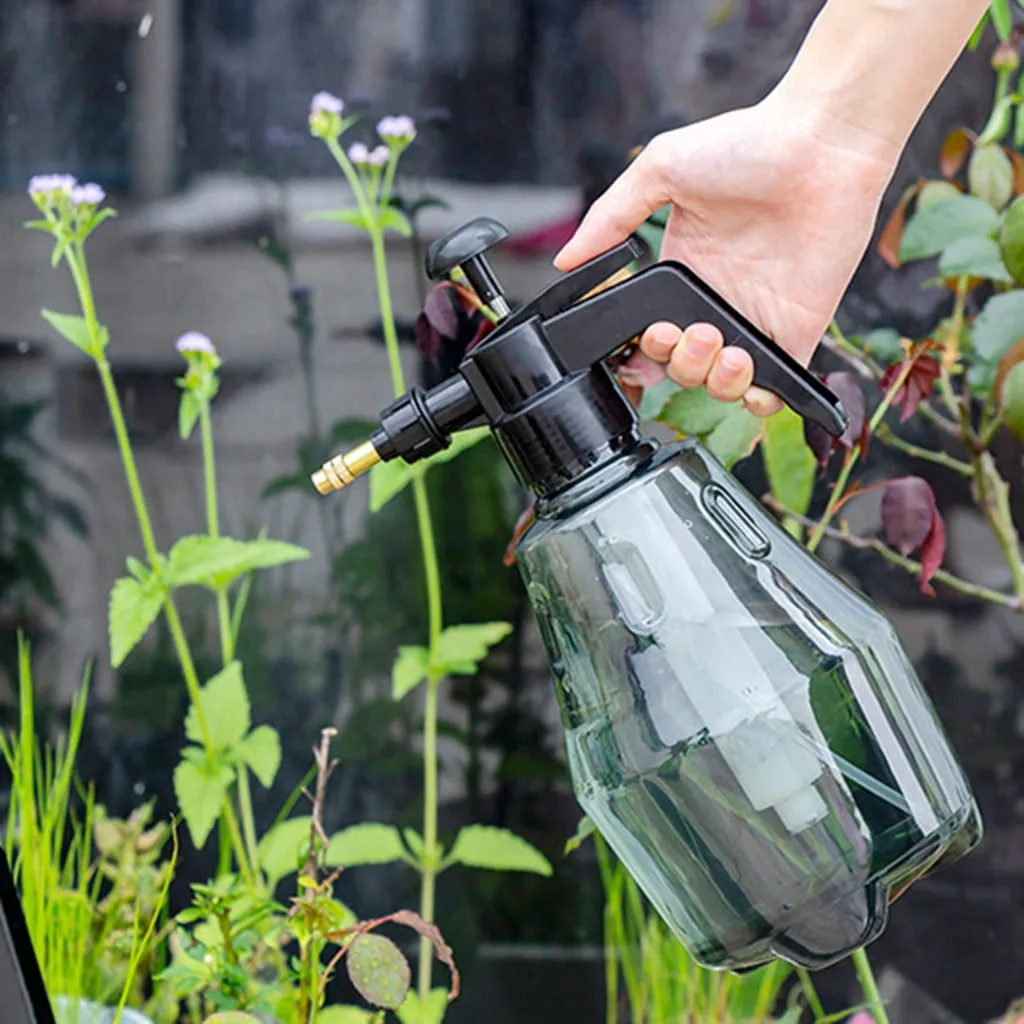
Image source: Web (Bing) / walmart.com (Web image (fair-use with source credit))
Follow these steps in order. Skipping any one of them cuts your success rate significantly.
Step 1: Refrigerate until ready. Keep the sealed bag in the refrigerator set between 35 and 45 degrees Fahrenheit. Do not freeze them. They can stay dormant for two to four weeks this way.
Take them out only when you are ready to release.
Step 2: Mist everything. Water your plants thoroughly an hour before release. Fill a spray bottle with plain water and lightly mist the ladybugs through the mesh bag right before you open it. Do not soak them.
A fine mist is enough to hydrate them.
Step 3: Choose the right time. Wait for sunset or a heavily overcast afternoon. Check the temperature. If it is above 80 degrees, wait.
If rain is coming within six hours, wait. Ladybugs cannot fly well in rain and they will take shelter on your plants.
Step 4: Release at the base. Open the bag near the soil level of an infested plant. Let them crawl out onto the soil and the lower stems. If you have multiple plants, walk the bag around and release small handfuls at each one.
Step 5: Cover the area. For outdoor releases, lay a light row cover or floating fabric over the plants for 24 hours. This keeps the beetles contained while they acclimate. Remove it the next evening.
For indoor releases, keep windows and doors closed for at least two days.
Step 6: Do not water for 24 hours. If you irrigate right after release, water runoff carries ladybugs away. Let them settle first. Resume normal watering the next day.
Manufacturer specifications indicate that one bag of 1,000 beetles can clear a moderate aphid infestation on three to five medium sized plants within 48 hours. The larvae that hatch later will keep working for another two to three weeks.
What to Do When Ladybugs Don't Stay or Don't Work
Sometimes you do everything right and the ladybugs still leave or the aphids keep coming. Here is what is probably happening.
The beetles were wild harvested and heavily parasitized. Some commercial ladybugs are collected from wild overwintering sites. These beetles often carry a parasitic wasp called Dinocampus coccinellae. Infected ladybugs are sluggish, do not eat much, and die within days.
You cannot tell at purchase. The only defense is buying from insectaries that guarantee reared stock.
The infestation is too large. A single bag of 1,000 ladybugs can handle light to moderate aphid pressure. If your plants are covered in thick clusters of aphids, you need more beetles or a different method. Large infestations often require a combination approach: knock the population down with a spray of water or insecticidal soap, then release ladybugs to handle the survivors.
The wrong pest is present. Ladybugs eat aphids, scale insects, mealybugs, and spider mites. They do not eat whiteflies, thrips, or fungus gnats. If you release them on a plant with whiteflies, they will wander around and then leave.
Identify your pest before buying beneficial insects.
Weather changed. A sudden heat wave or drought will push ladybugs out of your garden no matter how well you prepared. If the forecast shifts to 90 degree days within 48 hours of release, accept that the beetles will move on. Plan your next release for a cooler window.
The garden has no refuge. Ladybugs need hiding spots during the heat of the day. Dense foliage, mulch, nearby shrubs, or a simple piece of cardboard laid on the soil gives them shelter. A bare garden with sparse plants and exposed soil offers them nowhere to hide from the sun.
When Ladybugs Aren't the Answer: Alternatives That Actually Work
Ladybugs are not a universal pest control solution. In certain situations they fail reliably enough that you should use something else instead.
Lacewings. Green lacewing larvae are as voracious as ladybugs but they do not fly away as adults. They also eat a wider range of pests including whiteflies and thrips. Release lacewing eggs rather than adults for the best results.
The larvae hatch on your plant and never leave until they pupate.
Parasitic wasps. These tiny wasps target specific pests and do not sting humans. Aphidius colemani attacks aphids by laying eggs inside them. The wasp larvae kill the aphid from the inside. Unlike ladybugs, parasitic wasps stay in the area as long as their host pest is present.
Release them for greenhouse use or on indoor plants.
Insecticidal soap. A direct spray of insecticidal soap kills aphids on contact with no residual toxicity. It is safe for edible plants and breaks down within hours. Use it for a quick knockdown before introducing ladybugs as a follow up.
Neem oil. Neem oil works as a repellent and growth disruptor for aphids, mites, and scale. It is slower than soap but lasts longer. The downside is that neem oil also repels ladybugs.
Do not use it within a week of releasing beneficial insects.
High pressure water spray. A strong jet of water from a garden hose knocks aphids off plants physically. It does not kill them, but most fall to the ground and cannot climb back up. Repeat every few days for mild infestations.
Common Ladybug Release Mistakes (And How to Avoid Them)
Most failed releases come down to the same handful of errors. Avoid these and your success rate jumps dramatically.
Releasing in the middle of the day. This is the number one mistake. Bright sunlight triggers immediate flight behavior. If you release at noon on a sunny day, expect 80 percent of your ladybugs to be gone within an hour.
The fix is simple: wait until sunset.
Not hydrating before release. Dry ladybugs are desperate for water. They will either fly off looking for it or spend their time drinking instead of eating. Mist them through the bag and mist your plants before you let them out.
A hydrated ladybug is a hungry ladybug.
Dumping the whole bag in one spot. Pouring 1,500 beetles onto a single plant creates crowding. They scatter in every direction. Spread them out in small groups across multiple infested plants.
A hundred ladybugs per plant works better than a thousand on one.
Releasing on pesticide treated plants. Any pesticide residue kills or repels ladybugs. This includes organic options like neem oil and pyrethrin. Wait at least a week after spraying before releasing beneficial insects.
Some synthetic pesticides persist for months. Check the product label.
Ignoring the weather forecast. Release ladybugs when rain is coming within 24 hours and they will drown or wash away. Release them during a heat wave and they will fly for the hills. Check the five day forecast before you open that bag.
Buying more ladybugs than you need. Overbuying is wasteful and counterproductive. A single bag of 1,000 beetles handles about 200 square feet of garden space. Buying 5,000 for a small balcony creates overcrowding and dispersal.
Start small and add more if needed.
Expecting instant results. Ladybugs do not clear an infestation in one hour. They need time to find the aphids, eat, and lay eggs. You will see noticeable reduction within two to five days.
Give them that window before giving up.
Frequently Asked Questions About Releasing Ladybugs
How many ladybugs do I need for my garden?
For outdoor gardens, use 1,000 ladybugs per 200 square feet of planted area. For indoor plants, 100 to 200 ladybugs per medium sized plant is enough. Overcrowding causes them to scatter, so start conservatively.
Can I release ladybugs inside my house?
Yes, but only in a controlled way. Release them at night with all lights off in a closed room. Move the infested plant into that room and leave the ladybugs there for 24 to 48 hours.
Open the room after the aphids are gone.
Will ladybugs eat my plants?
No. Ladybugs are predators that feed on soft bodied insects only. They do not eat leaves, stems, flowers, or fruit.
They may nibble on a plant for moisture, but they will not cause any damage.
How long do ladybugs live after release?
Adult ladybugs live two to four weeks in the garden if they have food and water. Without aphids they leave within days. The larvae they leave behind will continue feeding for another two to three weeks before pupating into new adults.
Do ladybugs work on spider mites?
Yes, but not as effectively as on aphids. Ladybugs will eat spider mites if no better food is available. For heavy mite infestations, predatory mites are a more reliable option.
Ladybugs work best as a secondary control for mild mite problems.