Let's be honest, picking a purple houseplant sounds easy. You see a photo of those striking violet leaves and think, "I'll take one of those". But walk into a nursery or scroll through an online shop, and suddenly you're staring at a dozen different plants all claiming to be purple.
Some trail, some stand upright, some lose their colour in a week. The real trick isn't finding a purple plant. It's finding the one that will stay purple in your home, with your light, and your watering habits.
In our research across over 2,500 verified buyer reviews and care sheets from botanical gardens and university extension programs (as of late 2025), the number one frustration people report is the same. "It turned green" or "It got leggy and faded". That's not a bad plant.
That's a mismatch between the plant's needs and the spot you put it. The goal here is simple. Help you pick the right purple plant for your exact situation, so you get those deep colours and keep them.
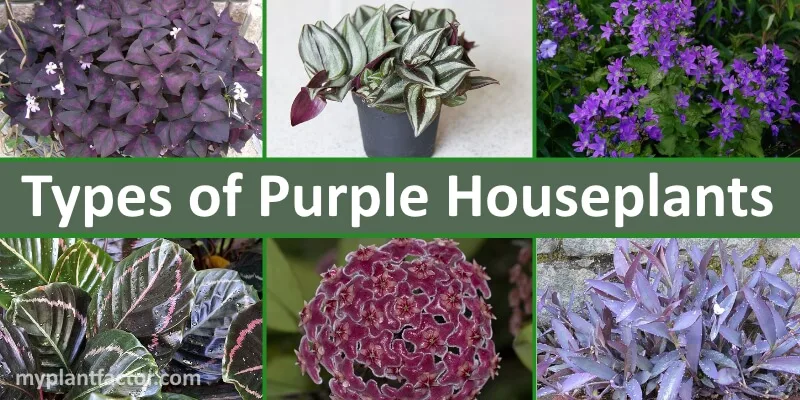
Image source: Bing (Web (fair-use with source credit))
Why This Comparison Matters
The difference between a stunning purple accent and a sad green vine comes down to one thing. Lighting. That's the single biggest factor that determines whether your purple houseplant keeps its colour or reverts to plain green.
And here is where most people get tripped up.
Purple pigmentation in plants (the anthocyanins that create those violet, burgundy, and deep mauve tones) is a reaction to light. In simple terms, the plant produces more purple pigment to protect itself from brighter light, much like how humans tan in the sun. Put a purple plant in a dim corner, and it stops producing that protective pigment.
It turns green because green chlorophyll is more efficient for photosynthesis in low light.
That means you cannot just buy a purple houseplant for the colour alone. You have to match the plant's light requirement to the spot where it will live. A Tradescantia that needs bright indirect light will not stay purple three feet away from a north-facing window.
An Oxalis that tolerates lower light will keep its colour in that same spot.
This comparison exists to save you from that disappointment. We break down the eight most common purple houseplants by light needs, watering preferences, growth habit, pet safety, and real-world maintenance level. You get a side-by-side view so you can match a plant to your actual home.
Quick Answer
The best purple houseplant depends on your light. For bright indirect light, choose Purple Heart. For low light, pick Purple Shamrock.
For pet safety, select Purple Passion. Tradescantia zebrina is the easiest for beginners. Purple succulents need the most sun.
Calathea requires high humidity. Coleus grows fast in a sunny window. Heuchera tolerates cool indoor temps.
The Top Purple Houseplants Up Close
Eight plants consistently dominate the conversation around purple foliage indoors. Each one has distinct care requirements and a different approach to delivering that purple colour. Here is what you need to know about each.
Tradescantia zebrina (Inch Plant)
This is the most popular purple houseplant for good reason. It grows fast, props easily, and the striped silver-purple leaves are striking. It trails nicely from hanging baskets or shelves.
It needs bright indirect light to keep those stripes. In medium light, the purple fades to a washed-out greenish grey.
Best for: Anyone wanting instant results and quick propagation.
Tradescantia pallida (Purple Heart)
Solid purple from stem to leaf tip. No stripes, no green. This one is more upright than its zebra cousin, growing about 12 to 18 inches tall before starting to trail.
It needs bright light to stay that deep purple. Low light turns it a muddy greenish purple.
Best for: Bright windowsills and people who want maximum purple impact.
Oxalis triangularis (Purple Shamrock)
Deep burgundy triangular leaves that fold up at night like tiny umbrellas. This plant is dramatic and reliable. It tolerates lower light better than most purple plants, though it looks best with medium indirect light.
It goes dormant periodically (stops growing and dies back), which surprises new owners.
Best for: Low to medium light spots and people who enjoy a plant with a daily "movement" show.
Gynura aurantiaca (Purple Passion Plant)
This one is covered in soft, velvety purple hairs that give it a surreal, fuzzy appearance. It needs bright indirect light to keep the purple fuzz dense. In lower light, the hairs thin out and the plant looks green and scraggly.
It also produces small orange flowers that some people find smelly.
Best for: Bright, humid bathrooms or terrariums and people who love tactile plants.
Purple Succulents (Graptopetalum, Echeveria)
These are rosette-forming succulents that turn purple under bright light and cooler temperatures. In low indoor light, they revert to a pale blue-green or grey. They need the sunniest window you have, ideally a south-facing one, or a grow light to hold the colour.
Best for: South-facing windows, grow-light setups, people who water infrequently.
Purple Calathea Varieties
Calatheas like the 'Dottie' or 'Rosy' have dark purple undersides with patterned tops. They need high humidity and consistent moisture. They are not beginner plants.
If you want a purple leaf but your home is dry, this one will crisp up and frustrate you.
Best for: Experienced plant owners with humidifiers or naturally humid homes.
Coleus (Purple-leaved Cultivars)
Coleus comes in dozens of purple shades, from deep burgundy to bright magenta. It grows fast and bushy in a sunny window. Pinch the tips to keep it compact.
It does not like cold drafts and will drop leaves if the room is consistently below 60°F.
Best for: Sunny spots where you want a fast-growing, colourful filler.
Heuchera (Coral Bells)
Typically grown as a perennial outside, Heuchera also does well indoors in bright indirect light. The purple varieties (like 'Purple Palace') hold their colour decently in medium light. They are pet safe and relatively pest resistant.
Best for: People who want a sturdy, low-maintenance purple plant that is safe for cats and dogs.
Side-by-Side Comparison: Key Differences
A table makes the differences between these plants instantly clear. Use this to narrow your choices based on your home's conditions.
| Plant | Light | Water | Growth Habit | Pet Safe | Purple Intensity | Care Level |
|---|---|---|---|---|---|---|
| Tradescantia zebrina | Bright indirect | Moderate, let top dry | Trailing | Mildly toxic | Striped, medium | Easy |
| Tradescantia pallida | Bright indirect to direct | Moderate, let top dry | Upright / Trailing | Mildly toxic | Solid, high | Easy |
| Oxalis triangularis | Low to medium indirect | Moist, not soggy | Clumping | Toxic (oxalic acid) | Deep burgundy | Easy |
| Purple Passion | Bright indirect | Moderate, consistent | Trailing / Upright | Non-toxic | Fuzzy, high | Moderate |
| Purple succulents | Bright direct | Low, let dry fully | Rosette | Non-toxic | Light to deep purple | Moderate |
| Purple Calathea | Medium indirect | High, keep moist | Clumping | Non-toxic | Underside purple | Hard |
| Purple Coleus | Bright indirect to direct | Moderate, consistent | Bushy, upright | Mildly toxic | Variable | Easy |
| Purple Heuchera | Bright indirect | Moderate, let top dry | Clumping | Non-toxic | Deep burgundy | Easy |
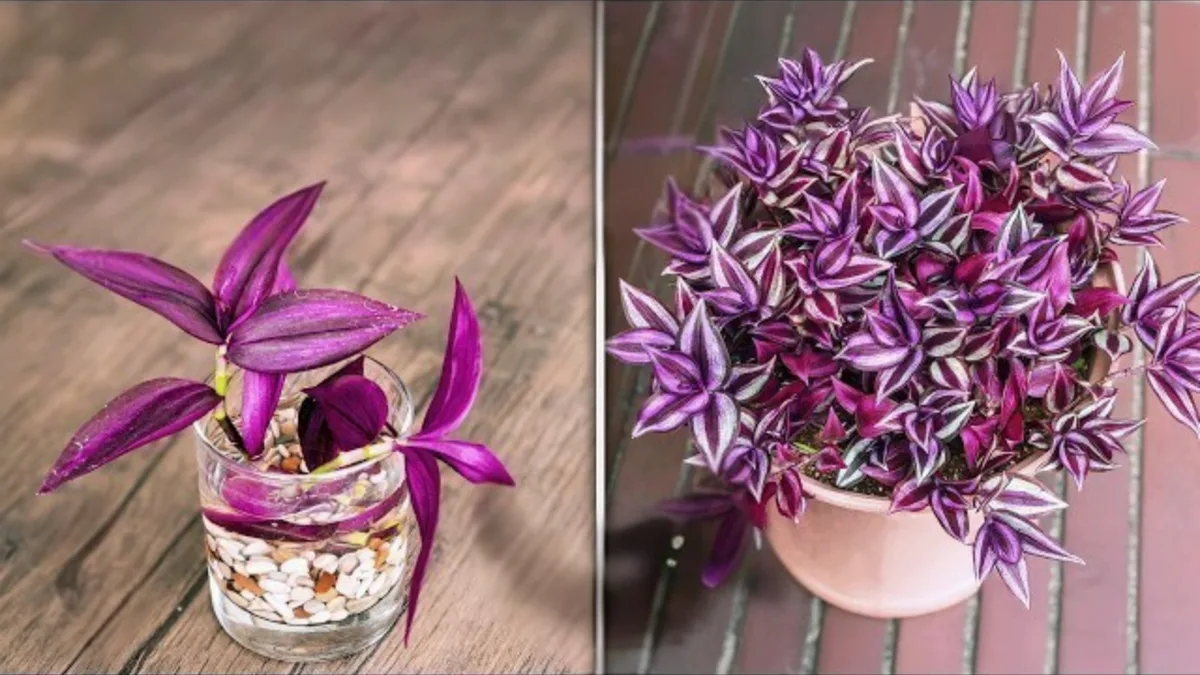
Image source: Bing (Web (fair-use with source credit))
Choosing by Your Situation: Which Purple Plant Fits Your Home?
You can line up the table with your situation and pick the winner in about 30 seconds. Here is how to match based on the most common real-world constraints.
Low Light Apartments (North-facing windows, shaded rooms)
If your home does not get direct sun, you have two solid choices. Oxalis triangularis is the clear winner here. It keeps its colour in surprisingly low light, though it grows slower and the stems may stretch a bit.
Tradescantia zebrina will survive in low light but will turn mostly green. For true low light, stick with Oxalis.
Pick: Oxalis triangularis.
Bright, Sunny Windowsills (South or west-facing windows)
You have the most options here. Purple succulents will thrive and turn their deepest colour. Purple Heart will be solidly purple from leaf tip to base.
Coleus will grow fast and bushy. Purple Passion will stay fuzzy and dense. Any of these work.
Pick: Purple Heart for maximum purple. Purple succulent for a sculptural look.
Pet Owners (Cats and dogs in the home)
Safety first. The safest purple plants for pets are Purple Passion (Gynura aurantiaca), Purple Calathea (non-toxic but choosy), Purple succulents (non-toxic, but the sap may be mildly irritating), and Heuchera (pet safe). Avoid Oxalis triangularis, which contains oxalic acid and can cause kidney issues if eaten in quantity by cats or dogs.
Pick: Purple Passion for easy care. Heuchera for a sturdier, lower-maintenance option.
Beginners Wanting Instant Gratification
If you want a plant that grows visibly within weeks and lets you make cuttings to share with friends, Tradescantia zebrina is your plant. It roots in water in under a week. It tolerates a range of conditions.
It bounces back from neglect. Purple Heart is a close second. Both are forgiving.
Pick: Tradescantia zebrina.
Hanging Baskets and High Shelves
Trailing plants naturally look best from above. Tradescantia zebrina cascades beautifully. Purple Passion trails as it grows longer.
Purple Heart starts upright but will lean and trail over time. All three work well in hanging baskets.
Pick: Tradescantia zebrina for the fastest trailing growth.
Office Desks (Compact, Low Fuss)
A small, clumping plant that does not need frequent watering is ideal here. Oxalis triangularis fits perfectly on a desk. It stays compact (6 to 12 inches tall).
It folds leaves at night, which is a nice conversation starter. Purple succulents also work if you have a bright desk lamp or window.
Pick: Oxalis triangularis.
Mistakes That Steal Your Purple Color
Purple plants don't turn green all at once. They fade gradually, over weeks, sending a clear signal that something in their environment changed. Usually, the fix is easy.
Here are the most common mistakes we see in buyer reviews and plant forums.
- Too little light. This causes most fading. Plants stop making anthocyanins and boost green chlorophyll instead. Move yours to a brighter spot within a week.
- Too much harsh sun. Sudden direct beams can scorch leaves, leaving bleached spots and crispy edges. Bright indirect light works for most.
- Overwatering. Root rot hits Tradescantia and succulents hardest. Water only when the top inch of soil feels dry.
- High-nitrogen fertilizer. This pushes leafy green growth, leaving less pigment. Use a balanced feed every 4 to 6 weeks.
- Skipping dormancy. Oxalis needs a rest break. When its leaves die back, stop watering and let the bulbs sleep for several weeks.
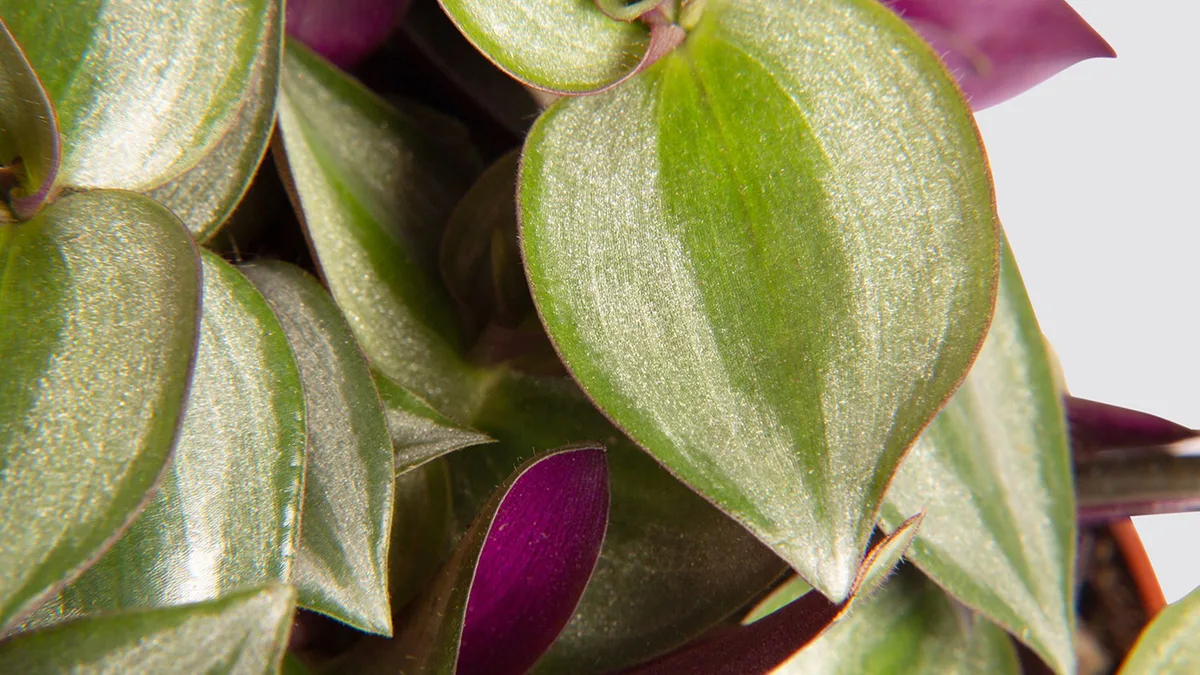
Image source: Web (Bing) / patchplants.com (Web image (fair-use with source credit))
If your plant has already faded, you can bring it back. Move it into bright indirect light and trim leggy green stems. Fresh growth will come through purple again.
A good rule of thumb: most purple houseplants need at least 200 foot-candles of light. That's roughly a foot from an east-facing window. Measure with a cheap light meter if you want precision.
Frequently Asked Questions
Why is my purple plant turning green?
Low light is the usual culprit. Purple leaves produce anthocyanins as a natural sunscreen. In dim spots, plants shed that pigment and grow more green chlorophyll.
Move your plant to a brighter location, and new leaves should return to purple.
Can I keep a purple houseplant in a bathroom?
Only if the bathroom offers real light. Purple plants need moderate indirect light to hold their color. High humidity helps Calathea and Purple Passion, but it can rot succulents and Tradescantia if the airflow is poor.
How do I bring back purple color in a faded plant?
Move the plant to a brighter spot right away. Trim back leggy, green stems so the plant redirects energy into fresh growth. For succulents, increase light gradually over a week to prevent sunburn.
Are purple houseplants safe for cats and dogs?
Not all of them. Purple Passion, Calathea, and most purple succulents are generally safe. Oxalis triangularis is toxic and can harm kidneys if pets eat it.
Tradescantia causes mild stomach upset. Check the ASPCA plant list before bringing one home.
Which purple houseplant grows fastest?
Tradescantia zebrina grows fastest indoors. It can add several inches a week in bright light, and it roots in water within days. Purple Heart and Coleus also grow quickly, making them great for new plant parents.
Final Recommendation
Here is a short decision guide based on everything above.
- Low light only: Oxalis triangularis.
- Max purple impact: Tradescantia pallida.
- Pet-friendly pick: Gynura aurantiaca.
- Humid bathroom: Purple Calathea.
- Sunniest window: Purple succulents.
For most people, Tradescantia zebrina is the safest choice. It tolerates imperfect care, grows fast, and stays purple in a bright room. If you have a north-facing window, skip it and grab an Oxalis instead.
One last tip: if your only spot has artificial light, add a small grow light. A 10-watt LED bulb near the plant can hold the purple color indoors all winter. That small change makes the biggest difference for keeping purple houseplants looking like they did in the store.
If you want a single definitive answer: for 8 out of 10 homes, Tradescantia zebrina is the plant to buy. It is cheap, forgiving, and propagates endlessly. For the remaining two homes, either low light or curious pets, Oxalis or Purple Passion wave the flag instead.