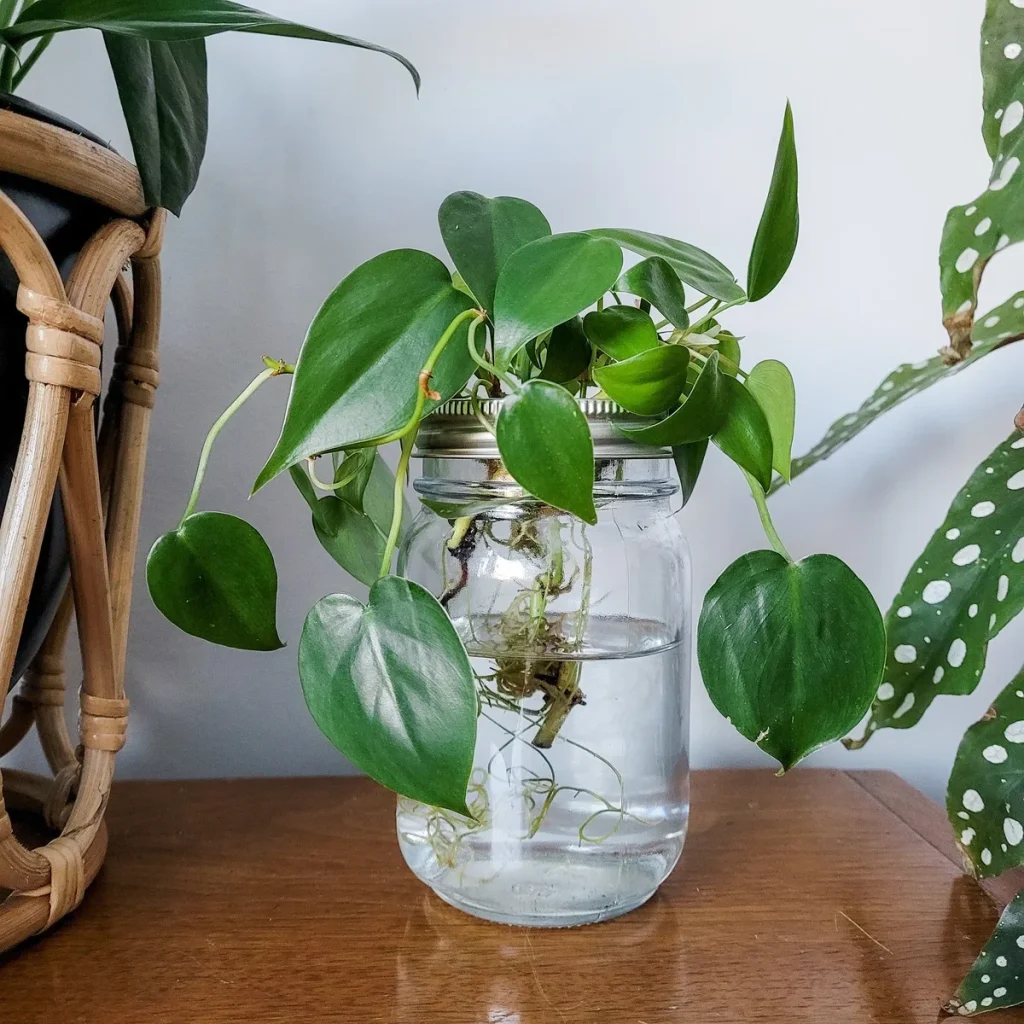
If you've ever watched a friend snip a pothos stem, drop it in water, and hand you a free plant three weeks later, you know the appeal of propagating plants. It's the cheapest way to grow your collection. And honestly, it feels like magic.
But most failed attempts come down to one mistake: picking the wrong method for the plant in front of you.
University research shows that matching the cutting type to the plant's growth habit matters more than any tool or trick. Softwood cuttings from houseplants like pothos root in 7 to 14 days. Hardwood cuttings from shrubs take 6 to 8 weeks.
Get that match right, and you'll avoid the jar of sludge entirely. Let's walk through the decision process.
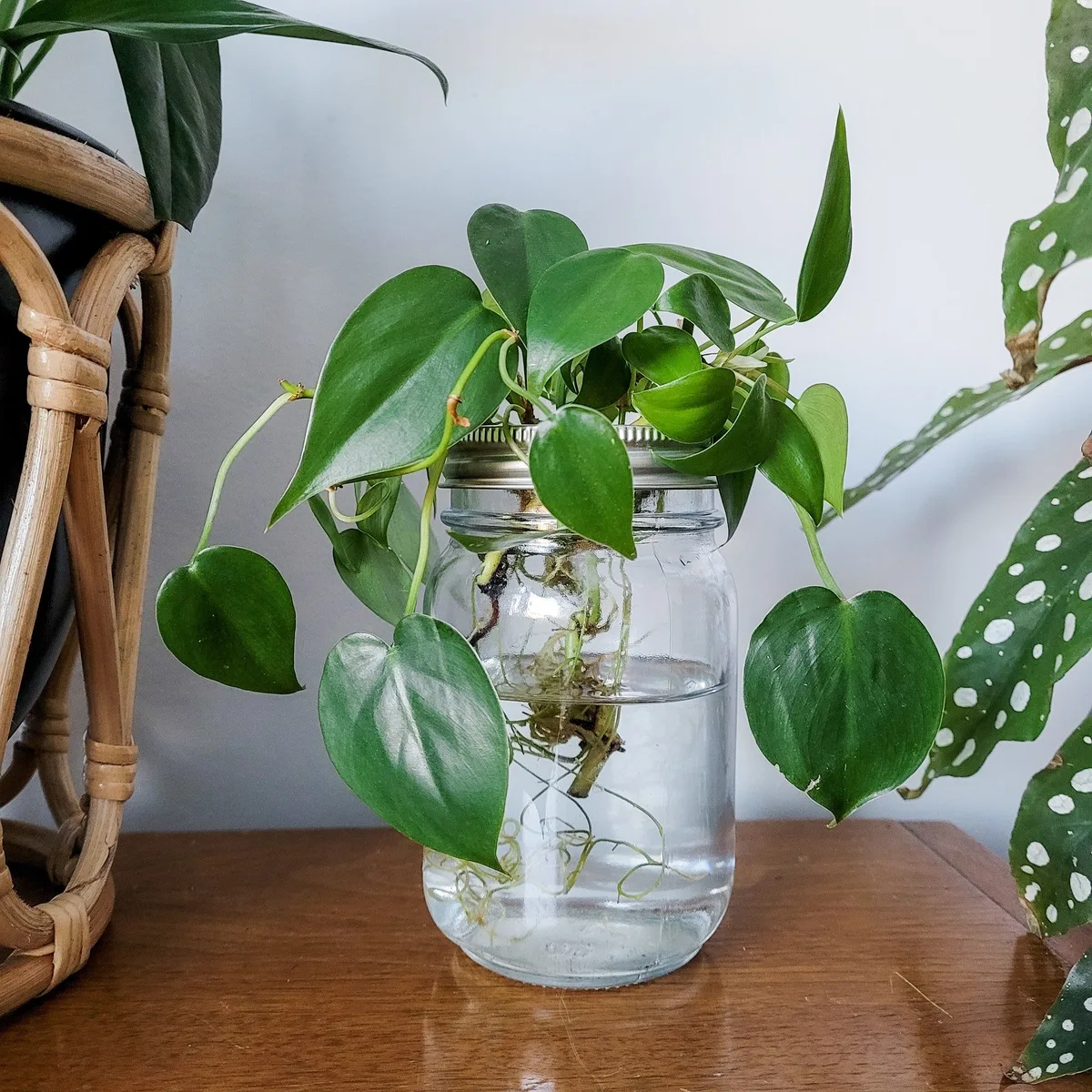
Image source: Web (Bing) / pinterest.com (Web image (fair-use with source credit))
Quick Answer
Propagating plants means creating new plants from existing ones. The most common method is taking stem cuttings. Root them in water or soil.
Match the method to the plant type. Success depends on nodes, moisture, and light.
Before You Cut: Three Things to Check First
Before you reach for the scissors, stop. The three checks below take two minutes and save you weeks of waiting on a cutting that was doomed from day one.
Check the parent plant's health. A stressed or diseased plant produces weak cuttings. Look for firm stems, vibrant leaves, and no webbing or sticky residue. Per the University of Minnesota Extension, healthy parent stock is the single best predictor of rooting success.
Check the season. For most houseplants, spring to early summer is prime time. That's when growth hormones are most active. Winter propagation works, but expect slower rooting unless you add bottom heat.
For outdoor cuts, your hardiness zone matters. The USDA's plant hardiness resources help you time it right.
Check the growth habit. This is the big one. Does the plant have visible nodes along its stems? Then stem cuttings will work.
Does it grow in a clump with multiple crowns? Division is your best bet. Are the leaves thick and fleshy?
Go with leaf cuttings. Answer these three questions, and the method almost chooses itself.
Here's what that decision looks like in action.
The Decision Tree: Which Propagation Method Matches Your Plant?
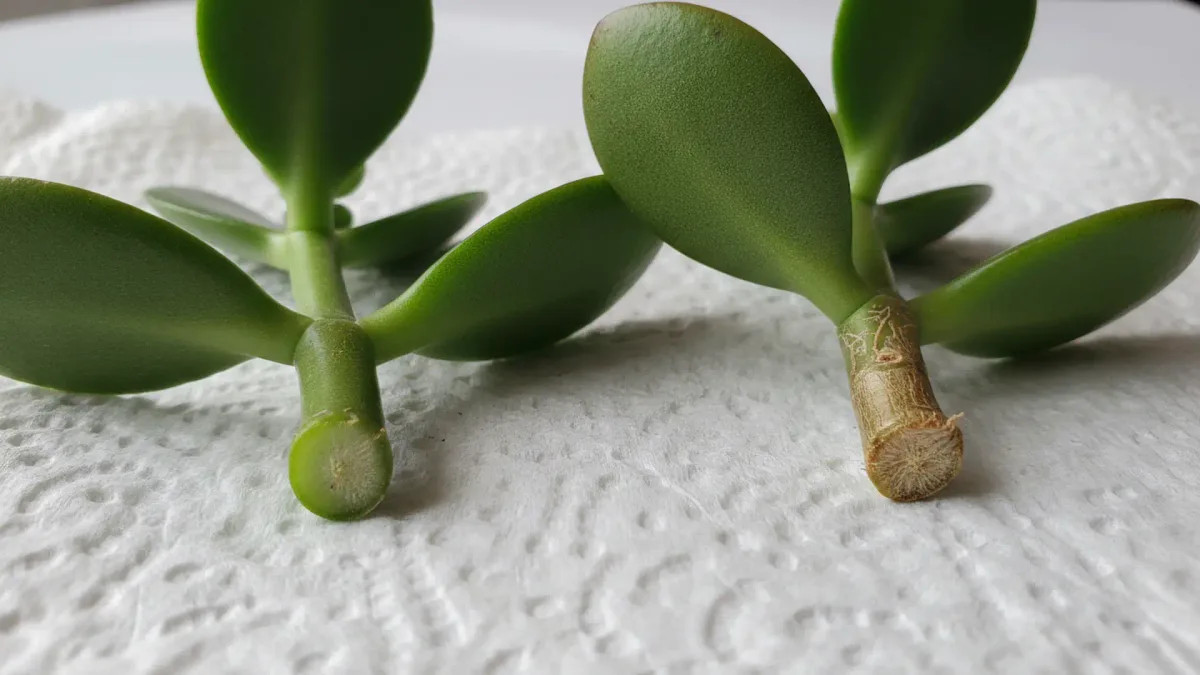
Image source: Web (Bing) / ar.inspiredpencil.com (Web image (fair-use with source credit))
Every plant has a natural way of reproducing vegetatively. Your job is to work with it, not against it.
Stem Cuttings (Softwood, Semi-Hardwood, Hardwood)
Best for pothos, philodendron, monstera, roses, lavender, and hydrangeas. If the stem has visible nodes, this method works. The name tells you the state of the stem.
Softwood cuttings from green flexible stems root fastest, usually 7 to 14 days. Semi-hardwood sits in between, slightly firm but not woody. Hardwood cuttings from dormant stems take 6 to 8 weeks but handle winter well.
Leaf Cuttings and Succulent Leaves
Best for snake plants, jade plants, African violets, and begonias. Cut a leaf at the base and insert it into moist medium. Peperomia and rex begonias can even start from a single leaf plus stem.
Succulent leaves need a 3 to 7 day callus period first. Lay them flat on the soil surface. Don't bury them.
Snake plant sections must stay oriented right-side up.
Division and Offsets
Best for spider plants, aloe, peace lilies, ferns, and hostas. This is the easiest method with the highest success rate. Remove the plant from its pot and tease the roots apart.
You'll often find that what you thought was one plant is actually several. Ensure each division has its own roots and leaves, then pot them up individually.
Air Layering for Woody and Stubborn Plants
Best for fiddle leaf figs, rubber trees, and dracaena. Wound the stem, wrap it in moist sphagnum moss, and cover with plastic. Roots form at the wound while the cutting is still attached to the parent.
This mimics natural layering, which happens when a branch touches the ground and roots. Wait 4 to 8 weeks, then cut below the rooted section.
How to Root Cuttings Step by Step: From Snip to Pot
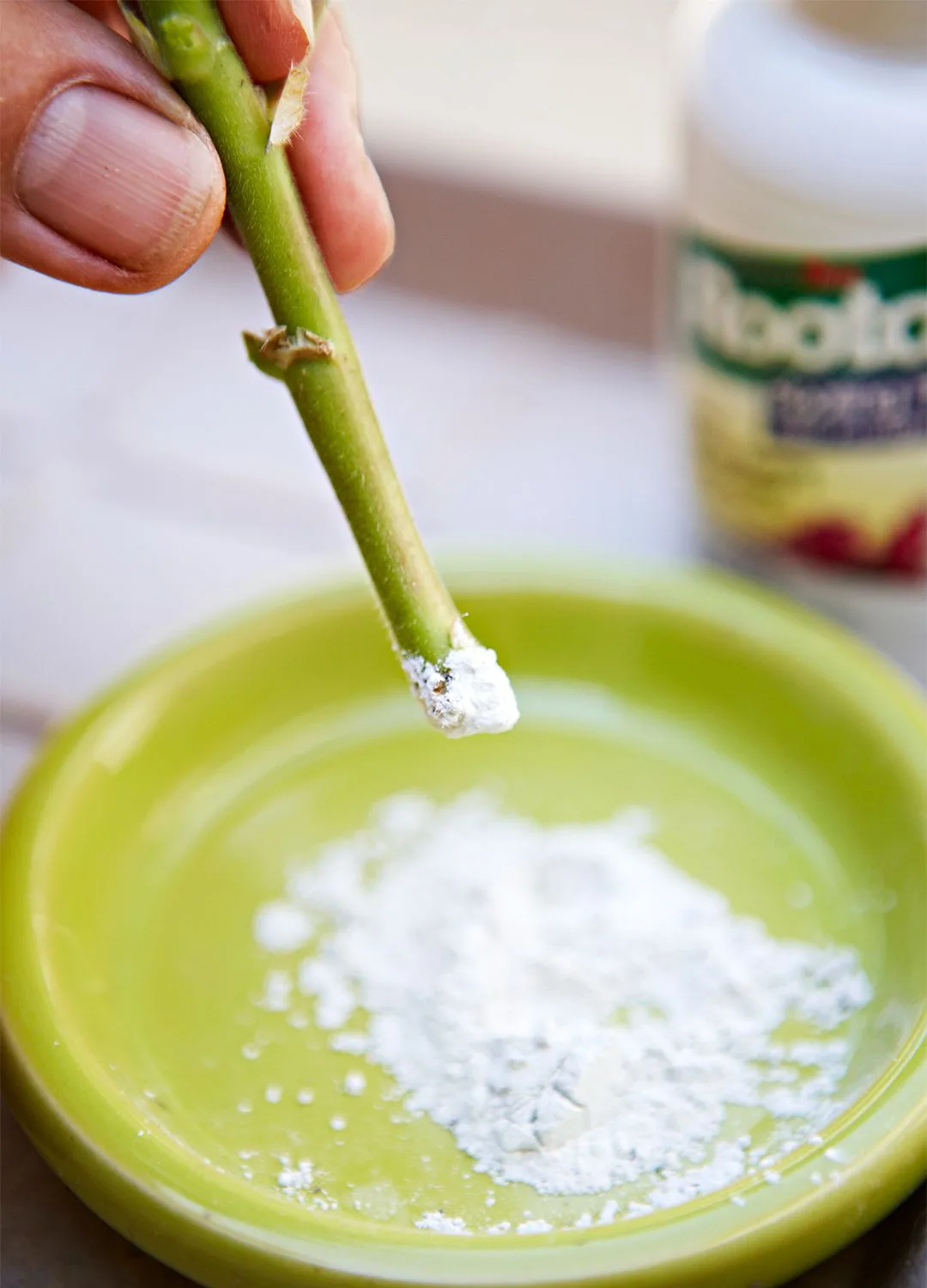
Image source: Web (Bing) / bhg.com (Web image (fair-use with source credit))
Once you've matched the method to your plant, the workflow is straightforward. Here's the full process from cut to pot.
1. Sanitize your tool. Wipe your scissors or knife with rubbing alcohol. Dirty tools spread bacteria between plants.
2. Cut below a node. The node is the bump where leaves attach. Make a clean 45-degree cut just below it.
Cuttings root from nodes, not from the smooth stem between them.
3. Strip the lower leaves. Remove the bottom one to two leaves so nothing sits below the soil line. Submerged leaves rot fast and take the cutting with them.
4. Trim oversized leaves. For large-leaf plants like monstera, cut the biggest leaves in half. This reduces water loss while roots form.
A pencil or chopstick makes a perfect hole puncher later.
5. Apply rooting hormone (optional). Pour a small amount into a dish so you don't contaminate the bottle. Dip the cut end and tap off the excess.
Too much hormone can actually suppress rooting, so keep it light.
6. Plant in pre-moistened medium. Use a mix of perlite and coco coir or coarse sand. Poke a hole, place the cutting, and firm the medium around it.
7. Cover with a humidity dome. A clear plastic bag works fine. Remove it for 10 minutes daily to allow airflow and prevent mold.
8. Move to bright, indirect light. Direct sun will cook an unrooted cutting. A north or east window is ideal.
If you're using a grow light, keep it 6 to 12 inches above the cuttings. Too far and they stretch. Too close and they burn.
9. Wait and check for roots. Gently tug the cutting after 2 to 3 weeks. If you feel resistance, roots have formed.
Pot it up once roots reach 1 to 2 inches.
10. Harden off the new plant. If you used a humidity dome, remove it gradually over 5 to 7 days. Then treat the plant like any other houseplant.
Tools and Setup: What You Actually Need (and What You Can Skip)
You don't need a fancy propagation station to root cuttings. A clean workspace and a few basics will get you there.
| Tool | Essential? | Why |
|---|---|---|
| Sharp scissors or pruning shears | Essential | Clean cuts heal faster and prevent crushing |
| Rubbing alcohol | Essential | Sterilizes tools between plants |
| 2 to 4 inch pots or trays | Essential | Right size for most cuttings |
| Perlite or coarse sand | Essential | Adds drainage and prevents rot |
| Clear plastic bag or dome | Optional | Boosts humidity for sensitive cuttings |
| Rooting hormone | Optional | Helps woody cuttings, not needed for easy plants |
| Heat mat | Optional | Speeds rooting, saves winter propagation |
| Grow light | Optional | Useful in low-light rooms |
Skip the expensive glass propagation vases. They look great but work no better than a clean mason jar. A misting system is also overkill for most hobbyists.
A simple plastic bag traps humidity just as well.
As of 2026, a basic heat mat runs about $25 and can shave weeks off winter rooting. If you propagate indoors in cold months, it's the best upgrade you can make.
Never skip sterilizing tools or using pre-moistened medium. And write the plant name and date on a plastic label. You'll thank yourself at the plant swap three weeks later.
Common Propagation Mistakes and How to Fix Them
Even experienced gardeners lose cuttings. The difference is knowing why and adjusting fast. Here are the most common failure points we see.
| Mistake | What happens | The fix |
|---|---|---|
| Overwatering | Stems turn mushy and rot | Keep medium moist, never soggy |
| Cutting without a node | No roots ever form | Always cut just below a node |
| No humidity | Leaves wilt and dry out | Add a clear bag or dome |
| Direct sunlight | Leaves scorch and drop | Use bright, indirect light |
| Skipping callus phase | Succulent leaves rot | Wait 3 to 7 days before planting |
| Too much hormone | Rooting stalls entirely | Tap off excess powder |
| Water to soil too fast | Root shock, plant wilts | Wait for 1 to 2 inch roots, keep soil moist |
| Propagating from a sick plant | Cuttings fail quickly | Always start with healthy stock |
The most common cause of all these failures is impatience. Plants root on their own timeline.
If you're already dealing with rot, cut above the mushy part and start over. A clean cut in a better medium usually fixes the problem. And don't move water-rooted cuttings straight to dry soil.
They're used to constant moisture. Blend a little extra water into the soil for the first week, then taper off. If roots feel slow to appear, check your temperature.
A heat mat can make a dramatic difference.
Stem Cuttings: Which Type of Stem Should You Use?
The stem's firmness tells you how fast it will root. Softwood stems are green, flexible, and bend easily. They root in 7 to 14 days, but they also dry out fast.
Semi-hardwood stems are slightly firm at the base but still bend. They are a safe middle ground for most shrubs. Hardwood stems are woody, dormant, and stiff.
They take 6 to 8 weeks, but they survive winter conditions well.
For indoor houseplants, you want softwood almost every time. Pothos, philodendron, and monstera all fall into this category. For outdoor shrubs like hydrangea or lavender, semi-hardwood works best in early summer.
Hardwood suits dormant winter cuttings from bare branches. One key detail: the cut end must stay moist during preparation. Keep the cuttings in a plastic bag or a cup of water while you work.
Rooting Hormone: Do You Really Need It?
Rooting hormone accelerates root formation, but it is not mandatory. Softwood cuttings from pothos or coleus root readily without it. Hardwood cuttings and fussy plants like camellias benefit from a light dip.
The hormone comes in powder, gel, and liquid forms. Powder is the most common and easiest to store.
Aggregate user reviews and nursery trial data consistently show that over-applying hormone backfires. The cut end can burn or develop callus tissue that blocks root emergence entirely. A light dusting is all you need.
Tap off the excess before inserting the cutting. For easy plants, skip the hormone entirely and save the money.
Research from the University of Connecticut's greenhouse program confirms that many species root faster with hormone, but the difference matters most in slow-rooting woody plants. For quick houseplants, the success rate difference is negligible. If you are new to propagation, keep things simple.
Skip the hormone until you have a few successful rounds under your belt.
Water vs. Soil: Which Rooting Medium Wins?
Water rooting is visible and satisfying. You can watch roots appear day by day. That makes it the favorite starting method for beginners.
Pothos, philodendron, spider plant, and many trailing houseplants root beautifully in a glass of water. The downside appears when you transplant to soil.
Water roots are fragile and adapted to constant moisture. Moving them into dry soil shocks the plant. The fix is straightforward.
Wait until roots reach 1 to 2 inches long, then plant into pre-moistened soil. Keep that soil evenly damp for the first week, then gradually reduce watering. This weaning period helps the roots transition.
Soil rooting skips the shock entirely. Roots grow adapted to the medium they will live in. The tradeoff is that you cannot peek at the progress.
You have to trust the process and test by gently tugging the stem after a couple of weeks. Both methods work. The best choice depends on your patience and the plant type.
Water for fast, visible, easy-houseplants. Soil for a smoother transition and stronger root system.
Hardening Off and Transplanting: Cutting the Cord the Right Way
Hardening off sounds more complicated than it is. It simply means acclimating the new plant to normal humidity levels. If you used a humidity dome or plastic bag, remove it for an hour on day one.
Add an hour each day over the next five to seven days. On day seven, the plant can handle open air without wilting.
The first transplant is also the most delicate moment in the whole process. Choose a pot that is slightly larger than the root mass, typically 2 to 4 inches. Loosen the roots gently so they can spread into fresh soil.
Plant at the same depth the cutting stood in the propagation medium. Burying too deep invites stem rot.
After transplanting, keep the new plant in bright, indirect light for about a week. Then you can move it to its permanent spot. A gentle liquid feed at quarter strength helps new growth kick in.
Wait at least two weeks before fertilizing, though. Fresh soil already contains enough nutrients. Push fertilizer too early and you risk burning tender new roots.
Quick Reference Checklist: Decision Guide by Plant Type
This guide works as a fast lookup when you have a plant in one hand and scissors in the other. Match your plant to the method, then follow the notes.
| Plant Type | Recommended Method | Special Notes |
|---|---|---|
| Pothos, philodendron, monstera | Softwood stem cuttings | Root in water or soil, 7 to 14 days |
| Snake plant, sansevieria | Leaf cuttings or division | Keep leaf sections oriented right-side up |
| Succulents (jade, echeveria) | Leaf cuttings | Callus 3 to 7 days before planting |
| Spider plant, aloe, ferns | Division or offsets | Easiest method, highest success rate |
| Roses, lavender, hydrangea | Semi-hardwood stem cuttings | Use rooting hormone, 4 to 6 weeks |
| Fiddle leaf fig, rubber tree | Air layering | 4 to 8 weeks, roots form while attached |
| African violets, begonias | Leaf petiole cuttings | Insert leaf stem into moist medium |
| Dracaena, cane plants | Stem cuttings or air layering | Cuttings root slowly, air layering is faster |
For plants not on this list, look at the stem. If it has nodes, take stem cuttings. If it grows in a clump, divide it.
If leaves are thick and fleshy, try leaf cuttings. That pattern covers most houseplants.
Keep a small notebook or a note on your phone with dates and results. After a few rounds, you will know exactly what works in your home. The same plant can behave differently in different light and humidity levels.
Frequently Asked Questions
How long does it take for cuttings to root?
Rooting time depends on the plant type and method. Softwood cuttings from pothos root in 7 to 14 days. Semi-hardwood cuttings take 4 to 6 weeks.
Hardwood cuttings and air layering can take 6 to 8 weeks. Temperature and humidity also affect speed.
Can you propagate any plant from a cutting?
No. Some plants are difficult or impossible to root from cuttings. Conifers, many oaks, and some woody perennials resist stem rooting.
For those, division, air layering, or seed propagation work better. Always research the specific plant before cutting.
Should I use water or soil for rooting?
Water works well for easy plants like pothos and philodendron. It lets you see root growth. Soil works better for plants that dislike transplant shock like snake plants and succulents.
The right choice depends on the plant and your patience.
How do you prevent cuttings from rotting?
Rot happens when moisture sits too long without airflow. Use clean tools, pre-moistened medium, and a pot with drainage. Remove lower leaves so none sit below the soil line.
Open humidity domes daily for airflow. Callus succulent leaves before planting.
When is the best season for propagating plants?
Spring and early summer are best. Plant growth hormones are most active during this time. Winter propagation works but runs slower.
A heat mat set to 70 to 75°F compensates for cold weather. Outdoor cuttings follow the natural growing season of the parent plant.