Basil from the store goes limp in two days. Propagating basil at home is cheaper and gives you an endless supply. You have two main routes: seeds and cuttings.
Both work, but they fit different situations.
In our research, basil seeds typically germinate in 5 to 10 days at 70°F. Cuttings often root within 7 to 14 days. As of 2026, indoor growing with grow lights makes either method viable year-round.
Let's walk through which path is right for you.
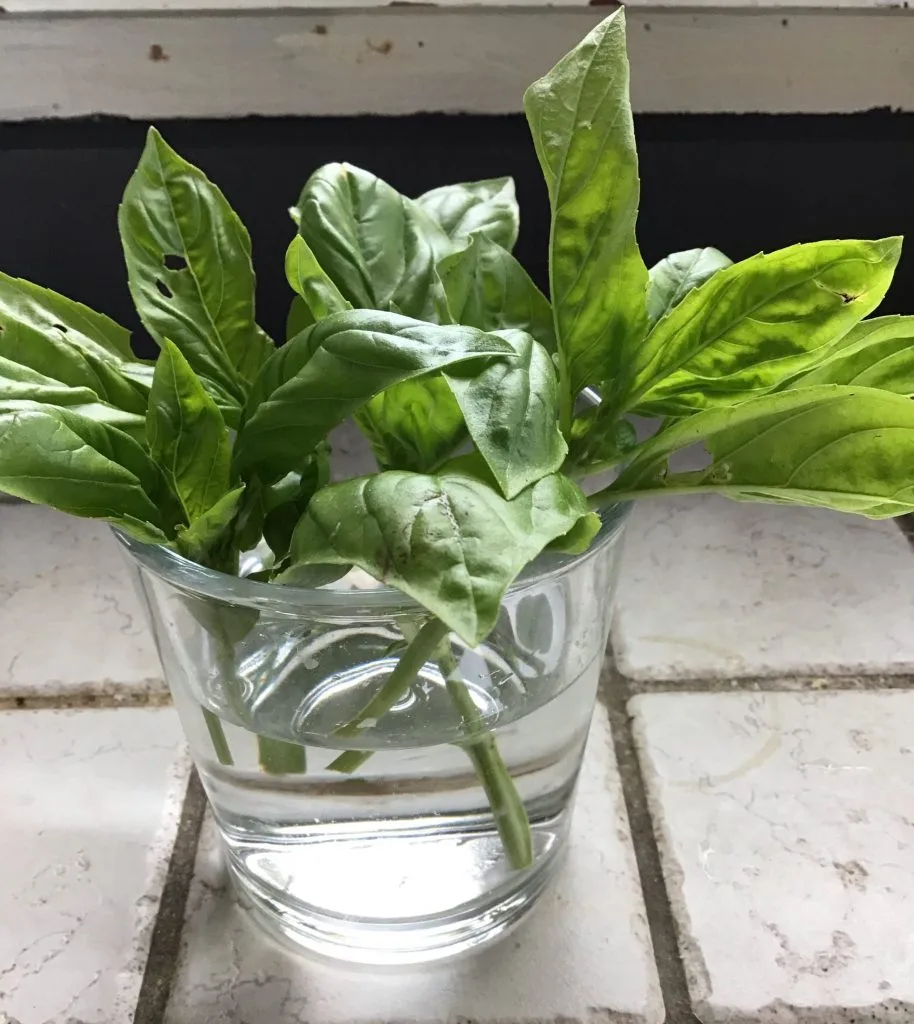
Image source: Bing (Web (fair-use with source credit))
Quick Answer
Propagating basil means creating new plants from seeds or stem cuttings. Seeds are slower but offer more varieties. Cuttings are faster and clone the parent plant.
Water rooting works best for beginners. Soil rooting reduces transplant shock.
The Method That Matches Your Situation
Ask yourself two questions before you start. Do you want a big harvest with different varieties? Or do you want a fast, reliable clone of a basil plant you already love?
Choose seeds if you need many plants or want rare varieties. Choose cuttings if you already have a healthy mother plant and want quicker results. If you have no source plant at all, seeds are your only option.
Season matters too. Outdoor planting should wait until after the last frost date. In cooler climates, start seeds indoors about six weeks before that date.
Cuttings root fine indoors any time, as long as temps stay above 65°F.
| Factor | Seeds | Cuttings |
|---|---|---|
| Time to transplant | 3 to 4 weeks | 7 to 14 days |
| Variety options | Wide | Limited to parent |
| Cost | Low | Free |
| Skill level | Beginner | Beginner |
| Genetic result | New mix | Identical clone |
The table above is a quick decision guide. If you're still torn, go with cuttings when you have a strong donor plant. Go with seeds when you want variety, volume, or a fresh start.
Branch A: Starting from Seed (The Long Game)
When Seeds Make More Sense
Seeds are the best route when you want a bigger patch of basil or unusual types. You can grow Genovese, Thai basil, Holy basil, or Lemon basil from the same batch. No single plant gives you that mix from cuttings.
Seeds also give you stronger roots in the long run. Seedlings develop a natural taproot, which helps them handle transplanting and dry spells. The trade-off is time.
You'll wait several weeks just for transplant-ready seedlings.
Seed-Starting Setup and Steps
Fill a seed tray with a moistened, well-draining potting mix. Press the seeds about 1/4 inch deep and cover them lightly. Keep the soil temperature between 70°F and 75°F for best germination.
Place the tray under bright light for 12 to 16 hours a day. A heat mat helps if your house runs cool. Once true leaves appear, thin seedlings to about 2 inches apart.
Wait until they're 2 to 3 inches tall before transplanting.
Hardening off is essential before moving them outside. Set them out for an hour a day, then slowly increase their time outdoors over a week. The Royal Horticultural Society recommends this gradual approach to avoid shock.
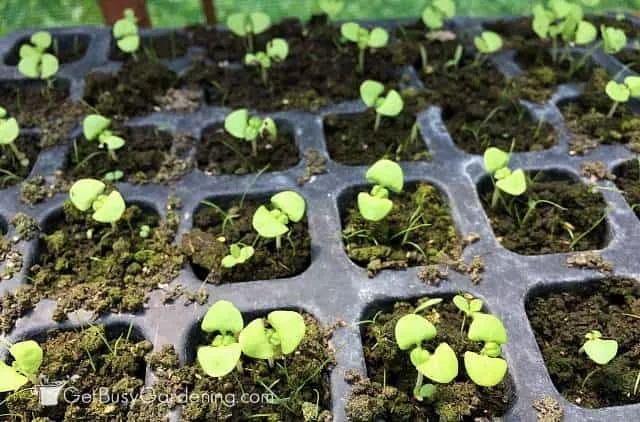
Image source: Web (Bing) / getbusygardening.com (Web image (fair-use with source credit))
Branch B: Multiplying with Cuttings (The Fast Lane)
Path B1: Water Rooting
Water rooting is the easiest way to propagate basil. Snip a 4- to 6-inch stem from a healthy, non-flowering plant. Cut just below a leaf node, then remove the lower leaves so no foliage sits underwater.
Drop the stem into a glass jar with room-temperature water. Change the water every 2 to 3 days. Roots usually appear within 7 to 14 days.
Pot the cutting up once roots reach about 1/4 to 1/2 inch long. Don't wait much longer, because water roots are fragile. Handle them gently, and keep the new soil moist but not soggy for the first week.
Path B2: Soil Rooting
Soil rooting skips the water stage entirely. Take the same type of cutting, but stick the stripped stem straight into a small pot of moist potting mix.
You can dip the cut end in rooting hormone first, though it's optional. Firm the soil around the stem, then cover the pot with a clear plastic bag to lock in humidity. Set it in bright, indirect light and keep the mix barely damp.
Roots take a little longer than water rooting, usually 10 to 14 days. But the cutting adapts directly to soil, which reduces transplant shock. Check the stem for resistance by giving it a gentle tug after two weeks.
The USDA hardiness zone map can tell you whether basil can grow outdoors year-round in your area. In colder zones, keep this branch indoors under grow lights.
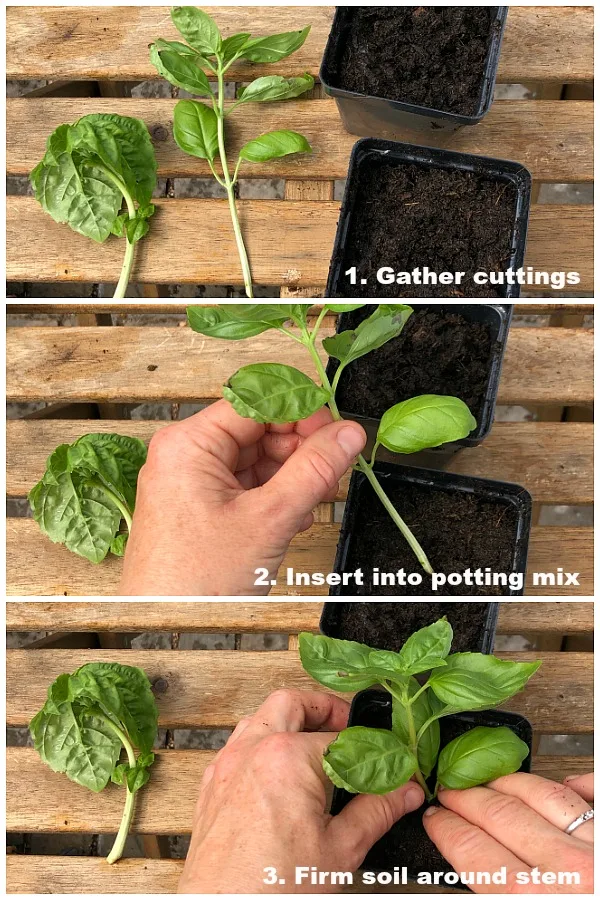
Image source: Web (Bing) / savvygardening.com (Web image (fair-use with source credit))
Common Pitfalls That Kill Basil Cuttings and Seedlings
- Taking cuttings from a flowering plant. Flowering stems root poorly. Pinch off flowers first, or pick a plant that hasn't bolted.
- Letting water-rooted cuttings sit too long. Roots that grow past half an inch in water often struggle after transplanting. Move them early.
- Waterlogged soil. Basil hates wet feet. Use a pot with drainage holes and a loose mix, never compacted garden soil.
- Skipping the hardening-off step. Seedlings moved straight from indoors to full sun will scorch. Transition them slowly over 5 to 7 days.
- Damping off in seed trays. Too much moisture and poor air circulation cause seedlings to rot at the base. Water from below and keep a fan nearby.
- Using store-bought basil stems. Many grocery store herbs are treated with growth inhibitors. Gardening-center basil works better as a source plant.
- Planting too early outdoors. Basil dies at the first sign of frost. Wait until nighttime temperatures stay above 50°F.
Most of these mistakes come back to the same issue: too much moisture or too little light. Fix both, and basil practically propagates itself.
Your Quick Decision Guide
If you have no basil plant yet, start with seeds. You'll wait longer, but you get variety and volume. If you already have a healthy, non-flowering basil plant, take cuttings.
That's the fastest route.
| If you… | Then choose… | Why |
|---|---|---|
| Have no donor plant | Seeds | No stem to cut |
| Want rare or different varieties | Seeds | Cuttings clone only the parent |
| Want to preserve a favorite plant | Cuttings | Exact genetic copy |
| Need plants fast | Cuttings | Roots form in 7 to 14 days |
| Need a large batch | Seeds | A tray holds dozens |
| Only want one or two plants | Cuttings | Zero cost and quick |
Think about your routine too. Water rooting works best if you remember to change the water every couple of days. Soil rooting suits a set-and-forget approach.
Both give you healthy basil.
Timing matters as well. Start seeds 6 to 8 weeks before your last frost date for outdoor planting. Cuttings root quickly enough to skip that planning window.
Indoors, neither method depends on the calendar.
Whichever branch you pick, start with a healthy source. Non-flowering growth, clean snips, and fresh potting mix prevent most problems. Basil rewards those small details.
Frequently Asked Questions
How long does it take to propagate basil from cuttings?
Cuttings usually root in 7 to 14 days. Water rooting shows progress faster, while soil rooting takes a bit longer. Once roots reach 1/4 to 1/2 inch long, transplant into potting mix.
Expect harvest-ready leaves about 2 to 3 weeks after potting.
Can you propagate basil from store-bought stems?
Often yes, but it's risky. Many grocery store herbs are treated with growth inhibitors that slow rooting. Look for fresh stems with no visible damage.
Cut just below a node, strip the lower leaves, and root in water. If stems are flowering or woody, success rates drop sharply.
Should I root basil cuttings in water or soil?
Water rooting is easiest for beginners. You can watch roots form and catch problems early. Soil rooting avoids transplant shock because the cutting never switches mediums.
Choose water for quick visible results. Choose soil if you want a sturdier transition and don't mind waiting a few extra days.
Why are my basil cuttings turning brown or rotting?
Rot almost always comes from excess moisture. In water, change it every 2 to 3 days to keep oxygen flowing. In soil, use a pot with drainage holes and never let it sit in a saucer of water.
Remove any leaves that touch the water or soil surface.
When should I transplant basil seedlings?
Transplant once seedlings have two sets of true leaves and stand 2 to 3 inches tall. Harden them off for 5 to 7 days before moving outside. Wait until nighttime temperatures stay above 50°F.
Seedlings grown indoors need 12 to 16 hours of light before transplanting.
Can you propagate basil in winter?
Yes. Basil is a warm-season annual, but cuttings root indoors any time of year. Use a grow light for 12 to 16 hours daily and keep soil temperatures above 65°F.
A heat mat helps in colder rooms. You can keep a mother plant under lights and take fresh cuttings every few weeks.



