Got a bushel of apples and no plan? You're not alone. Preserving apples is one of the best ways to stretch your harvest, but the right method depends on your time, space, and equipment.
What works for a family with a deep freezer won't work for an apartment dweller with a shelf.
Per USDA guidelines, a standard bushel (42 pounds) yields about 14 to 19 quarts of applesauce. That's a major storage commitment. As of 2026, the National Center for Home Food Preservation remains the gold standard for tested recipes and safety protocols.
So before you peel a single apple, let's find the path that fits your situation.
Quick Answer
Preserving apples means matching the method to your equipment, apple variety, and storage goals. Freeze slices for quick pies. Can applesauce for shelf-stable jars.
Dehydrate rings for crunchy snacks. Or keep firm apples in cold storage for fresh eating all winter. The best method is the one you can actually execute.
Why "Just Can Everything" Is the Wrong Answer
Canning gets all the glory. It's the classic preservation skill, the one your grandmother swore by. But it's not the right move for everyone, and it's certainly not the only move.
Let's look at the actual cost. A full canning batch runs 2 to 3 hours from washing to processing. You need a water bath canner, a rack, jars, new lids, and bands.
That's a real investment in money and counter space. If you only have an hour on a Tuesday night, freezing is faster and simpler.
Safety matters too. The USDA's Complete Guide to Home Canning requires tested recipes and exact processing times. Altitude adjustments are mandatory above 1,000 feet.
Skip them and you risk under-processing, which can lead to botulism. That's not a risk worth taking for a shortcut.
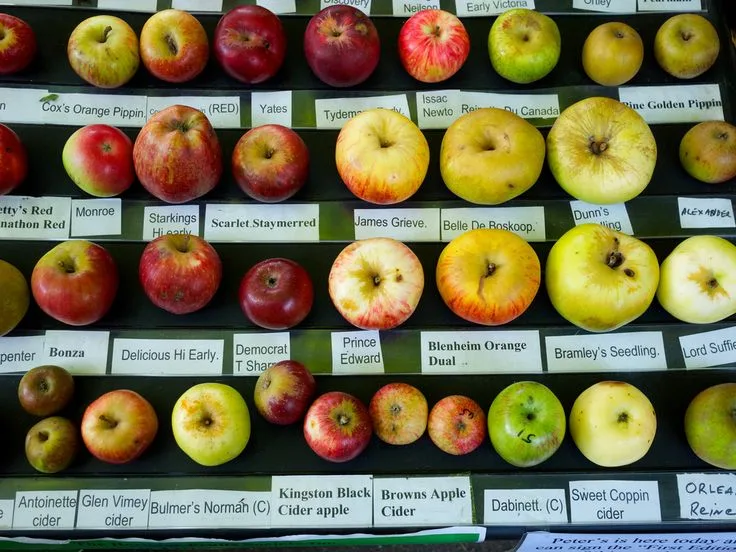
Then there's the texture question. Soft apples like McIntosh turn to mush in the jar. They're perfect for applesauce but terrible for canned slices.
Firm varieties like Granny Smith and Fuji hold their shape. If you bought the wrong apple and canned it anyway, you'll open a jar of applesauce you didn't plan for.
Canning also has a learning curve. Headspace, bubble removal, seal testing. One mistake can ruin the whole batch.
Freezing has a much gentler onboarding.
The real question is not "what's the best way to preserve apples?" It's "what's the best way for you?" If you have freezer space, freezing is cheaper and faster. If you want shelf-stable jars for a pantry, canning wins. If you need a snack on the go, drying is your friend.
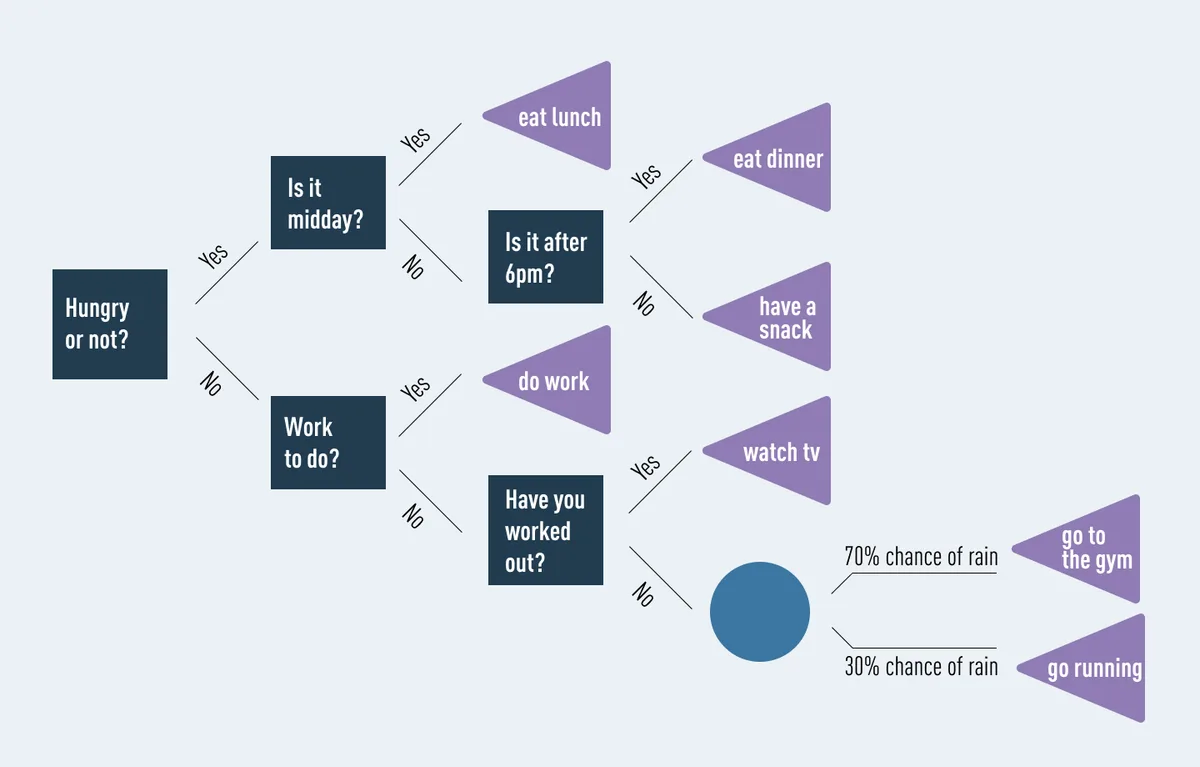
A Quick Decision Tree for Your Apples
Here's a simple way to decide. Start with three questions. How much freezer space do you have?
What do you plan to make? How long do the apples need to last?
If you have a half-empty deep freezer and want pie filling for the holidays, freeze sliced apples. Slice them, toss with lemon juice or ascorbic acid, and vacuum-seal. They'll last 8 to 12 months.
If you have no freezer space but want jars for the pantry, can applesauce or apple butter. These are high-acid recipes, so a water bath canner works. No pressure canner required for these, but follow a tested recipe exactly.
If you want lightweight snacks for hiking or lunchboxes, dehydrate apple rings. Firm, tart apples work best. A dehydrator runs at 135°F to 145°F for 6 to 12 hours.
If you have firm, late-season varieties and a cool basement, try fresh cold storage. Keep them at 32°F to 40°F with high humidity. They'll last 1 to 6 months.
Here's a table to make it even clearer:
| Method | Best if | Avoid if | Shelf life |
|---|---|---|---|
| Freezing | Deep freezer space, want quick prep | No freezer room | 8 to 12 months |
| Canning | Want shelf-stable jars, pantry storage | Only have 1 hour | 12 to 18 months |
| Drying | Want compact snacks | High humidity without AC | 6 to 12 months |
| Cold storage | Firm apples, cool cellar | Warm climate, no cool space | 1 to 6 months |
Still unsure? Look at the apple you're holding. Soft apples go to sauce or freezing.
Firm apples can do everything. For a visual guide to the main routes, the diagram below shows the decision branches at a glance.
The 4 Core Preservation Routes
The four main routes all have their place. Here's how to pick the right one for your situation.
Freezing: Best for Easy, Quick Results
Freezing is the low-effort, high-convenience option. You need freezer bags or a vacuum sealer, plus ascorbic acid to stop browning. Slice apples, pre-treat them, and pack them flat.
They'll keep 8 to 12 months. Use firm or dual-purpose varieties for slices. Soft apples are fine for frozen sauce.
Canning: Safe Long-Term Storage With the Most Steps
Canning gives you shelf-stable products that need no electricity. Applesauce, apple butter, and sliced apples in syrup are all high-acid and safe for water bath canning. Plain apple pulp with no added sugar is low-acid, and the USDA says it requires a pressure canner.
Follow tested recipes and adjust processing times for altitude. Expect to spend 2 to 3 hours per batch.
Drying: Perfect for Healthy Snacks & Space Efficiency
Dried apples take up almost no room and last up to a year. Slice them 1/4 inch thick, dip in lemon juice or ascorbic acid, and dry at 135°F to 145°F. They're done when leathery but still pliable, with no moist pockets.
A dehydrator is easiest, but your oven can work at its lowest setting.
Fresh Cold Storage: The No-Equipment Option for Firm Varieties
Cold storage needs zero tools, just the right environment. Wrap each apple in newspaper and keep them at 32°F to 40°F with 80 to 90 percent humidity. A basement, garage, or root cellar works.
Check them weekly and remove any that spoil before they spread rot to the rest.
Critical Mistakes That Wreck Your Work
Most failures come down to a handful of preventable mistakes. Avoid these and your preserved apples will thank you.
Using the wrong variety. Soft apples turn to mush in the freezer or the jar. Hard, tart apples hold their shape. When a recipe says "firm apples," it means Granny Smith, Honeycrisp, Fuji, or Braeburn.
Skipping anti-browning treatment. Sliced and exposed to air, apples brown fast. A 5-minute soak in water with ascorbic acid or lemon juice stops the oxidation. Skip it and your frozen slices come out looking sad.
Ignoring altitude adjustments. Canning times and pressures assume you're at sea level. Above 1,000 feet, processing times increase. The USDA publishes altitude tables for every recipe.
Use them.
Overfilling jars. Headspace is not optional. Pack a jar too full and liquid will siphon out during processing. Seals can fail, and the batch is wasted.
Use the headspace specified in your recipe.
Reusing old lids. Canning lids are one-time use. The sealing compound degrades after the first process. Bands can be reused, but not the flat lids.
Packaging poorly for the freezer. Air is the enemy. It causes freezer burn and ruins texture. Use a vacuum sealer or squeeze every bit of air out of freezer bags.
Pulling dried apples too early. Dried apples that still have moisture pockets will mold in storage. Condition them by sealing in a jar for a week and checking for condensation. If you see any, they need more drying time.
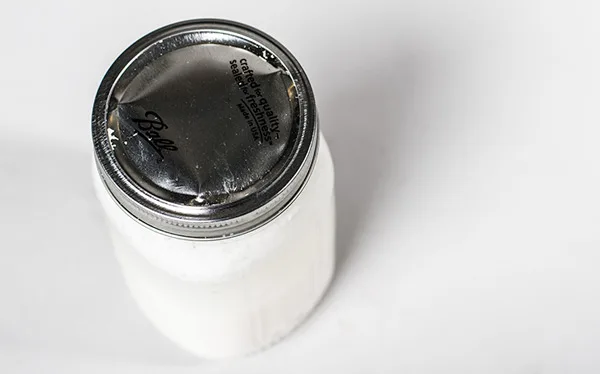
Watch for the warning signs of spoilage: bulging lids, off odors, mold, or liquid seeping from jars. When in doubt, throw it out. It's never worth the risk.
FAQs: The Questions Everyone Asks
Can I freeze whole apples?
Freezing whole apples is a bad idea. The water inside expands and destroys the cell structure. When they thaw, you'll get watery, mushy apples.
Peel, core, and slice before freezing. That's the only way to keep usable texture.
Do I need a pressure canner for applesauce?
No. Applesauce is a high-acid food, so a water bath canner is safe and sufficient. The USDA lists applesauce among approved water bath canning recipes.
You only need a pressure canner for plain apple pulp or low-acid mixes with extra ingredients.
How long do canned apples last?
Properly canned apples keep their best quality for 12 to 18 months. They're safe to eat beyond that as long as the jar sealed and shows no spoilage. But texture and flavor degrade over time.
Rotate your stock and eat the oldest jars first.
What's the best apple variety for drying?
Firm, tart apples like Granny Smith, Fuji, and Jonagold dry the best. They hold their shape and don't turn to paste. Sweeter varieties like Red Delicious can be too soft.
Slice them thin, about 1/4 inch, and keep the pieces uniform.
How do I store fresh apples without a fridge?
Keep them in a cool, humid spot between 32°F and 40°F. A basement, garage, or root cellar is ideal. Wrap each apple in newspaper to prevent moisture loss.
Check them every week and pull out any that show signs of rot.
Your Preservation Cheat Sheet (Decision Guide)
Here's the whole decision process in a single glance. Save this as a reference or keep it in your kitchen notebook.
| Method | Your situation | Shelf life |
|---|---|---|
| Freezing | Have freezer space, want fast prep | 8 to 12 months |
| Canning | Need shelf-stable jars, have 2 to 3 hours | 12 to 18 months |
| Drying | Want compact snacks, no storage room | 6 to 12 months |
| Cold storage | Firm apples, cool cellar, no processing | 1 to 6 months |
If you have no time and a functioning freezer, freeze. If you have no freezer and a pantry, can. If you have no space at all, dry.
If you have a cold basement and firm apples, keep them whole.
Here's the most common mismatch we see in our research. People with warm basements try cold storage and wonder why the apples rot by Thanksgiving. People without canning equipment attempt water bath canning with a regular stockpot.
Both are avoidable if you match the method to your actual environment.
The one rule that overrides everything is safety. The USDA publishes tested recipes for a reason. Deviating from processing times, headspace, or jar sizes can create a botulism risk that no smell or taste can reliably detect.
With the right method and a little attention, a single bushel of apples can feed you all winter. That's the real win here. You just have to pick the path that fits your space, your tools, and your patience.
Now you know exactly which one that is.