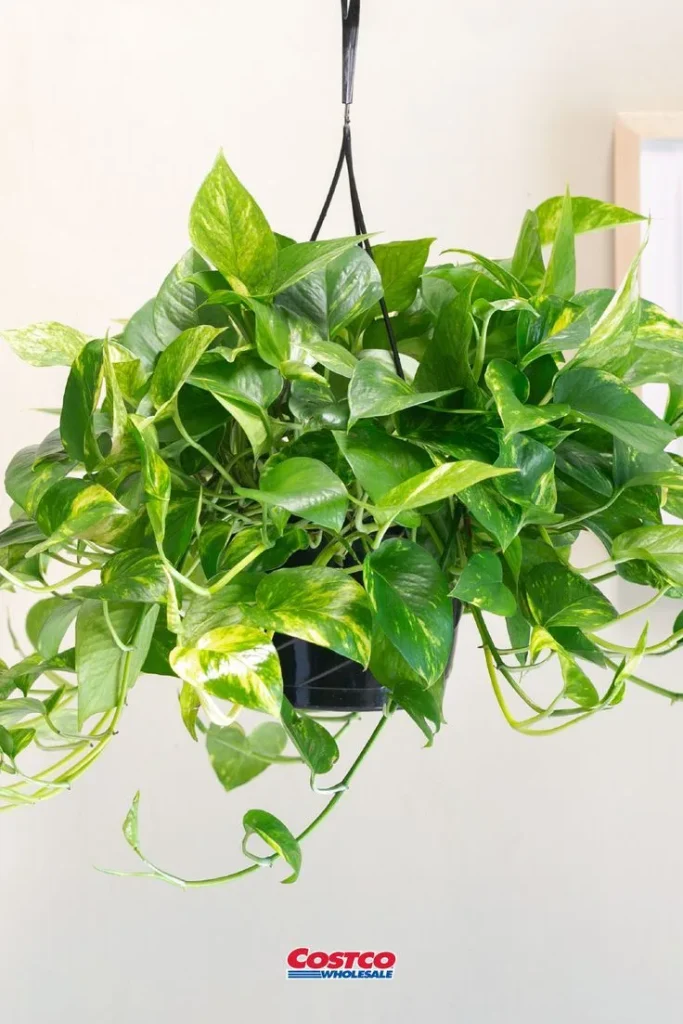
Every pothos owner hits that moment. Pothos plant care often comes down to one question: are you overwatering or underwatering? The leaves droop, the color shifts, and you're not sure what happened.
That's normal.
In our research, the same mistakes keep showing up: overwatering, low light, and ignoring the roots. As of 2026, Epipremnum aureum is still one of the most forgiving houseplants you can own. Indoors, it survives in low light and grows in bright indirect light.
The USDA hardiness zones for outdoor pothos are 10 through 12, which means most of us will keep it potted indoors.
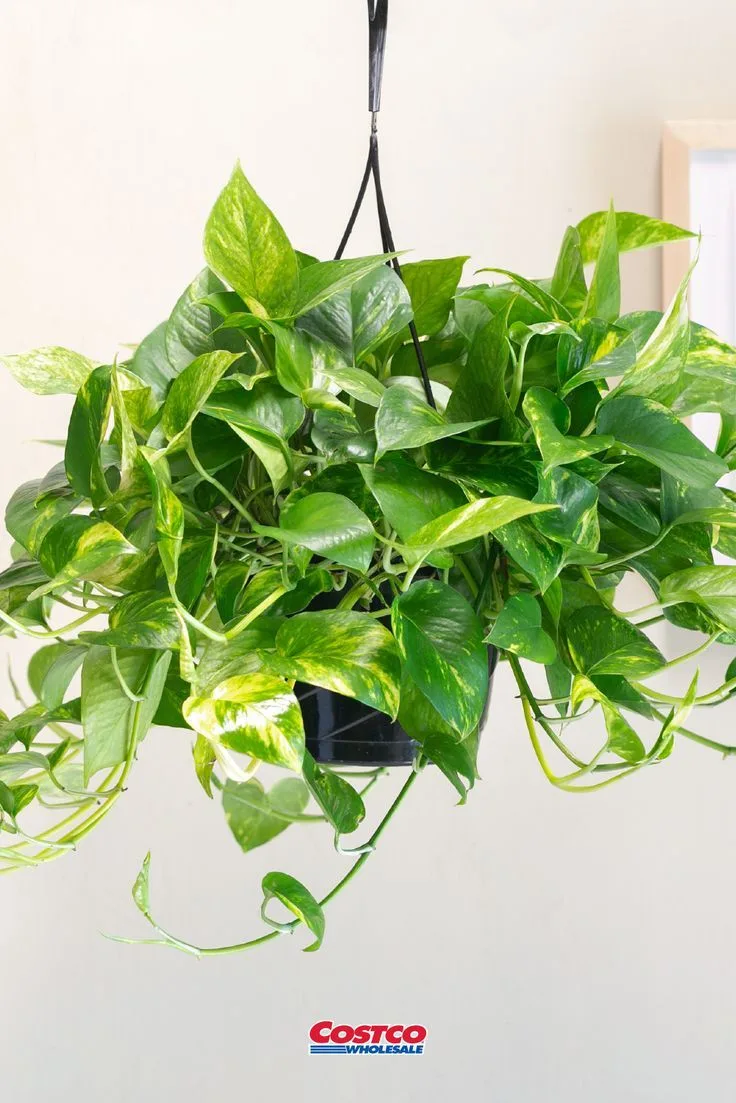
Image source: Bing (Web (fair-use with source credit))
Quick Answer
For pothos plant care, water when the top inch of soil feels dry. Bright indirect light keeps leaves full and variegated. Prune leggy vines to encourage bushier growth.
Fertilize once a month in spring and summer. Roots rot easily from overwatering, so always check first.
Is It Over or Under? The Droop and the Yellow
Start with the leaves. Touching the soil settles it faster than any guess.
| Symptom | Likely Cause | Next Step | | Drooping + dry soil | Underwatered | Water thoroughly | | Drooping + wet soil | Overwatered | Let soil dry out | | Yellow lower leaves | Overwatering | Check for root rot | | Pale, crispy leaves | Too much direct sun | Move to bright indirect light |
Here's what the difference looks like in practice.
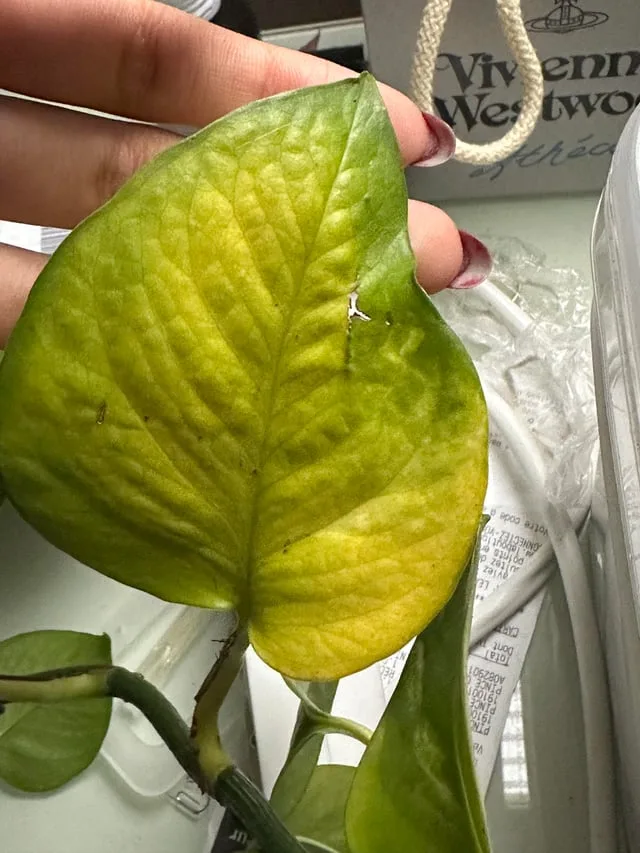
Image source: Bing (Web (fair-use with source credit))
The one-inch finger test works best. Push your finger into the soil. Dry means water.
Damp means wait. That single check answers the most common question people have.
If the soil stays soggy for more than a week, treat it as a warning. Root rot starts fast and it's hard to reverse. Widespread yellowing usually means too much water.
One or two yellow leaves near the base is normal aging, especially on a fast-growing vine like Golden Pothos.
Drooping with wet soil is the classic overwatering signal. Let the pot dry out for several days before watering again. A plant with wilting leaves and dry soil just needs a good, thorough drink.
The Light Question: What Your Pothos Leaves Are Telling You
Pothos will grow in surprisingly dark corners, but the leaves tell you exactly what they're getting.
- Bright indirect light: full variegation, bigger leaves, strong growth.
- Low light: smaller leaves, slower growth, green varieties do fine.
- Direct sun: scorched brown patches on the leaves.
- Too little light: variegation fades and leaves turn mostly green.
If your Marble Queen looks more like a solid green plant, it needs more light. Move it closer to an east-facing window or a spot a few feet away from a south-facing one. If leaves get white or brown crispy patches, pull it back.
Morning sun is usually fine. Afternoon sun can burn the foliage, especially through a window. Sheer curtains help.
Cebu Blue and other green cultivars tolerate lower light much better than heavily variegated types. That's a good rule to remember when choosing where each plant goes. If the plant is stretching with long gaps between leaves, that's a low-light response.
Not enough light means the vine chases the window. Rotate the pot a quarter turn every week to keep it even.
The Pot and Soil Check: When to Water and When to Wait
The pot matters as much as the plant. Pothos need oxygen around their roots, so drainage holes are non-negotiable. If your favorite pot has no holes, keep the plant in a plastic nursery pot and tuck it inside the decorative one when it's time to show it off.
The soil should be loose and fast-draining. A standard houseplant mix works, but adding perlite or coarse sand improves airflow. Water should run out the bottom in a few seconds.
If it pools on top, the mix is too dense and needs more drainage.
For the basics of container care, university extension guides share the same advice: match the pot to the root system, not the visible stem. A big pot holds excess moisture and invites rot. Move up slowly.
Watering isn't on a schedule. It's a condition you check. Your finger is the best tool.
A moisture meter also helps, because it reads the root zone instead of the dry top layer.
When the top inch of soil feels dry, water thoroughly until it drains. Then empty the saucer. Leaving water sitting under the pot keeps the soil wet for too long.
That's the slow killer.
The Repotting Decision: Root-Bound or Still Comfy?
Pothos don't mind being snug. Actually, they prefer it. Repotting too often stresses the plant and slows growth.
But there are a few clear signs that it's time.
- Roots poking out of the drainage holes.
- Water running straight through the pot without soaking in.
- Growth has stalled for months during spring or summer.
- The pot tips over because the top-heavy vine pulls it down.
If you see any of those, move up one pot size. That means about 1 or 2 inches more in diameter. Wooden or ceramic pots look nice, but a plastic pot with drainage holes is easier to manage.
Repot in spring or summer when the plant is actively growing. Gently tease apart the roots and remove any brown, mushy ones. Those are dead roots and they promote rot.
Set the plant at the same depth, then water well and let it drain.
Don't fertilize right after repotting. The fresh soil already has nutrients. Give the plant a few weeks to settle.
If your pothos seems fine and the roots are snug, leave it alone. A happy root-bound pothos can go 18 months without needing a bigger home.
The Propagation Decision: Turning One Plant Into Many (or Just Making It Fuller)
Propagation is the easiest way to turn one pothos into two, or ten. It also fixes a leggy plant. Cut off a sparse vine, root it, and plant it back in the same pot.
You get a bushier look for free.
Find the node first. That's the little brown bump where a leaf meets the stem. Cut about a quarter-inch below it.
The cutting needs at least one leaf and one node. Without a node, it won't root.
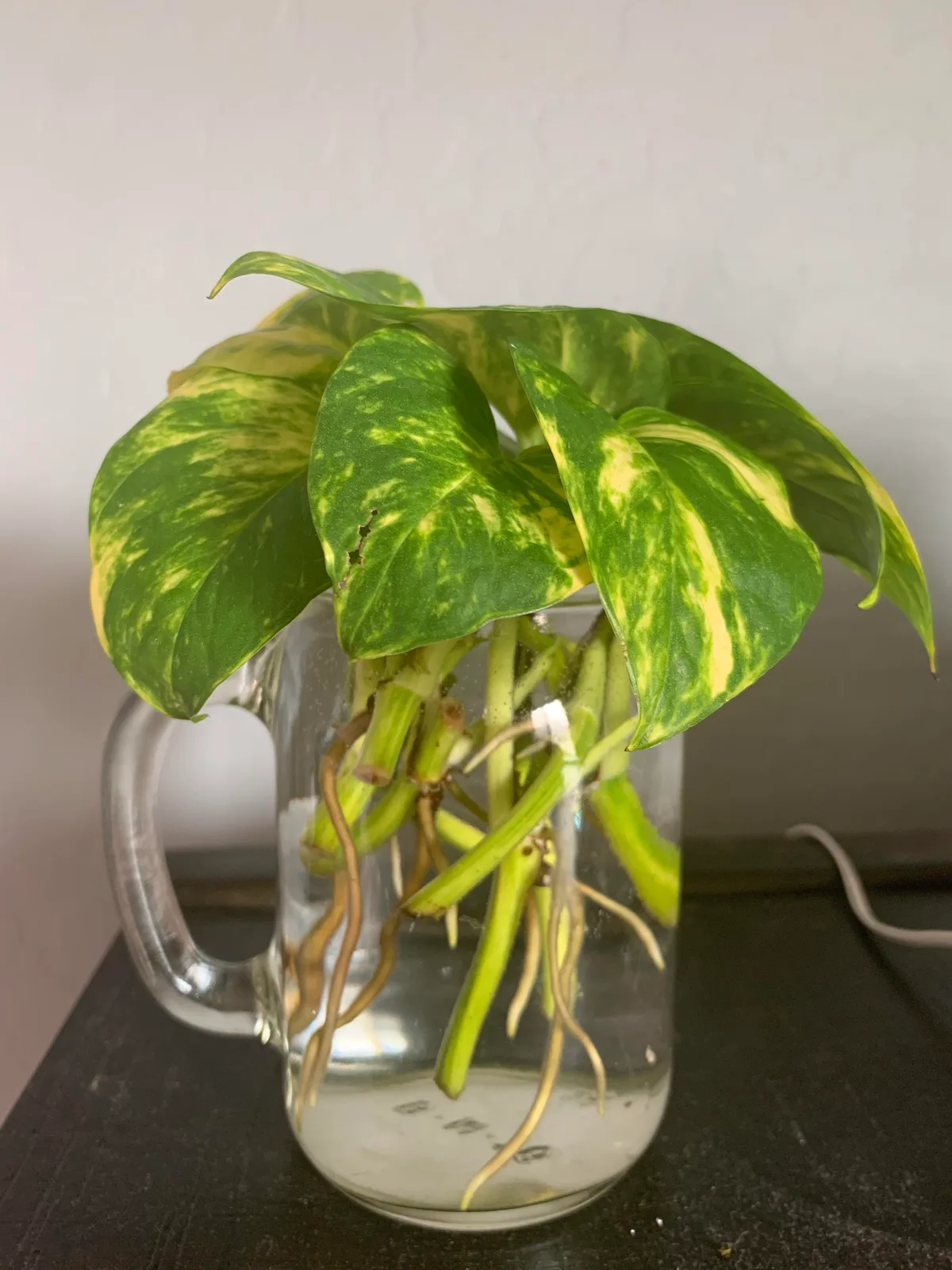
Image source: Bing (Web (fair-use with source credit))
Water propagation is the most beginner-friendly. Drop the stem in a glass jar and make sure the node is underwater. Put it in bright indirect light.
Change the water every four or five days to keep it fresh.
Roots usually appear in two to four weeks. When they hit about two inches long, move the cutting to a small pot with drainage. Soil propagation works too.
Just stick the cutting into damp potting mix and keep it evenly moist for a few weeks. Pull gently to test for resistance. If it holds, it's growing roots.
You can also root multiple cuttings in the same pot. That's the secret to a full, lush plant quickly. Don't plant cuttings in huge pots.
Small ones help the roots settle and reduce the chance of rot.
The Usual Suspects: Mistakes That Sneak Up on You
Most pothos problems come from the same handful of errors. Catch them early, and you can usually fix things before the plant gives up.
Overwatering is the number one killer. Our research shows it destroys more pothos plants than pests, disease, and neglect combined. Always check the soil before you pour. A plant that sits in wet soil for too long loses its roots, and without roots, it cannot drink.
Underwatering is less common but just as frustrating. The leaves droop and the tips turn brown and crispy. These plants can bounce back after a good soak, but repeated drought stress leaves them weak and pale.
Direct sun burns the leaves. Variegated types like Marble Queen and Manjula show it first. White patches turn brown fast. Move the plant back a few feet or add a sheer curtain.
Cold drafts shock the plant. Pothos likes temperatures between 60 and 80°F. A cold window in winter or a blast from an air conditioner can cause sudden leaf drop.
Salt buildup from too much fertilizer looks like brown leaf tips. Flush the soil every few months by running water through the pot until it drains freely. Skip fertilizer in fall and winter.
Ignoring pests lets them spread. Spider mites and mealybugs are the most common. Check the undersides of leaves when you water. A quick wipe with a damp cloth usually stops a small infestation.
Quick Decision Guide at a Glance
Here is a fast reference for the most common situations. Use it when you are not sure what to do next.
| Situation | Decision | Action | | Leaves drooping, soil dry | Underwatered | Water thoroughly until it drains | | Leaves drooping, soil wet | Overwatered | Stop watering until soil dries out | | Leaves yellowing from bottom | Overwatering or normal aging | Check roots; remove mushy ones | | Pale leaves, long gaps between nodes | Not enough light | Move closer to a bright window | | Brown crispy patches on leaves | Direct sun damage | Move to indirect light | | Variegation fading | Low light | Increase brightness gradually | | Roots coming out of holes | Root-bound | Repot one size up | | Stems long and bare | Leggy growth | Prune and propagate cuttings | | White fuzzy spots on stems | Mealybugs | Wipe with rubbing alcohol | | Tiny webs under leaves | Spider mites | Rinse leaves, increase humidity |
Keep this table handy. It covers about 90 percent of the issues you will run into with a pothos plant. Most problems are simple once you know what to look for.
Frequently Asked Questions
How often should I water my pothos?
Water when the top inch of soil feels dry. That usually works out to once every 7 to 14 days indoors. Check with your finger instead of watching the calendar.
Light, pot size, and humidity all affect how fast the soil dries.
Why are my pothos leaves turning yellow?
Yellow leaves usually mean overwatering. Root rot sets in when the soil stays wet for too long. Lower leaves turning yellow one at a time is normal aging.
Widespread yellow across the whole plant is a warning sign.
Can pothos grow in low light?
Yes, but growth slows down and variegation may fade. Green cultivars like Jade Pothos do better in low light than variegated types like Marble Queen. A north-facing window or a fluorescent office light keeps them alive and healthy.
Is pothos toxic to pets?
Yes. The plant contains insoluble calcium oxalate crystals. If a cat or dog chews the leaves, it can cause mouth irritation, drooling, and vomiting.
Keep pothos out of reach or choose a pet-safe alternative if you are concerned.
How do I make my pothos grow faster?
Give it bright indirect light, consistent watering, and a monthly dose of balanced fertilizer during spring and summer. Warmer temperatures between 70 and 80°F also speed up growth. Pruning encourages bushier vines instead of long single strands.
Why is my pothos not growing?
Check the light first. Low light slows everything down. Then check for root binding.
A pot that is too large can also stall growth because the roots focus on filling the space. Move it to brighter light and wait a few weeks.