So you’ve got a plumeria, or you’re thinking about getting one. Plumeria plant care trips up more people than it should, but the truth is these tropical beauties aren’t complicated, they just follow a different rhythm than your typical houseplant. Get that rhythm right, and you’ll have a healthy, blooming tree for years.
As of 2026, plumerias remain one of the most popular flowering tropicals for home gardeners across the US, from Florida patios to Chicago windowsills. The entire care system hinges on one surprising fact: plumerias are succulents, not regular leafy plants. They store water in their thick trunks and branches, which means the rules for watering, soil, and winter rest are completely different from what you might expect.
Let’s walk through exactly how to handle each phase.
Image source: Web (Bing) / secretgarden.ro (Web image (fair-use with source credit))
Quick Answer
Give plumeria at least 6 hours of direct sun daily. Water only when the top 2 inches of soil are dry. Let it go completely dry in winter.
Use high-phosphorus fertilizer during spring and summer. Keep it above 40°F at all times. That’s the whole system in a nutshell.
Is Your Plumeria Growing or Sleeping? (Start Here)
Everything changes depending on whether your plant is in active growth or dormancy. This is the single most important thing to understand before you do anything else.
If your plumeria has leaves, it’s growing. That means it needs regular water, fertilizer, and as much sun as you can give it. This phase runs roughly from spring through early fall.
If your plumeria is a bare stick with no leaves, it’s dormant. It looks dead but it’s not. During this winter resting phase, the plant needs almost nothing, no water, no fertilizer, and cooler temperatures.
The mistake most people make? Treating a dormant plant like it’s still growing. That’s how roots rot.
Here’s a quick way to check which phase you’re in:
| What you see | Phase | What to do |
|---|---|---|
| Green leaves, new growth at tips | Active | Water, fertilize, full sun |
| Leaves yellowing and dropping | Transitioning | Reduce water, stop fertilizer |
| Bare branches, no leaves | Dormant | Zero water, cool location, no fertilizer |
If you’re not sure, look at the calendar. In most of the US, active growth runs April through September. Dormancy runs November through February.
October and March are transition months.
The Golden Rule: Water Only When It’s Growing
Overwatering kills more plumerias than pests, disease, and cold combined. The plant’s succulent stems and trunk store moisture, so it handles dry soil much better than wet soil.
During active growth (spring and summer): Water deeply when the top 2 inches of soil feel dry. Stick your finger in. If it’s dry at that depth, it’s time.
In hot weather, that’s roughly every 5 to 7 days. In cooler weather below 70°F, stretch it to every 10 to 14 days.
During dormancy (winter): Do not water at all. The plant isn’t taking up moisture. Wet soil in cool conditions is a direct invitation for rot.
What about indoor plants in winter? If the stem starts to shrivel, you can give a very small amount of water, think a quarter cup for a medium pot, once a month. But most plumerias can go three to four months completely dry without issue.
One reliable test: squeeze the trunk gently near the base. A firm trunk means the plant has enough stored water. A slightly soft or wrinkled trunk means it’s getting thirsty.
Use that as your guide rather than a calendar.
Sunlight: Why "Enough" Isn't Always Enough
Plumeria needs a minimum of 6 hours of direct sunlight every single day during the growing season. That’s not “bright indirect light.” That’s direct, unfiltered sun hitting the leaves.
Outdoors in warm climates: Full sun is best. A south or west-facing spot that gets sun from mid-morning through late afternoon is ideal.
Indoors or in cooler climates: Find your south-facing window. If you don’t have one, you’ll need a grow light. A standard LED grow light placed 6 to 12 inches above the plant, running 12 to 14 hours a day, works well.
What happens if it doesn’t get enough sun? Two things. First, the plant gets leggy, long, thin branches with big gaps between leaves. Second, it won’t bloom.
Even a healthy, well-watered plumeria will refuse to flower if it’s not getting enough light.
If your plant is already leggy, don’t prune it back in hopes of fixing the shape. Move it to a brighter spot first. Once it gets proper light, new growth will be tighter and stronger.
You can prune the leggy branches the following spring.
Choosing the Right Pot and Soil (This Matters More Than You Think)
Plumeria roots hate sitting in wet soil. The right pot and soil mix are your first line of defense against rot.
Pot material: Terracotta is the best choice. It’s porous, which means it pulls moisture away from the soil and helps it dry faster. Plastic pots trap moisture.
If you’re using plastic, be extra careful with watering.
Drainage holes: Non-negotiable. Every pot must have at least one good drainage hole. If it doesn’t, drill one or get a different pot.
Pot size: For a cutting or small plant, start with a 1-gallon pot (roughly 8 to 10 inches wide). As the plant grows, step up 2 inches in diameter at a time. A plumeria that’s 3 to 4 feet tall is comfortable in a 5-gallon pot.
Going too big too fast keeps the soil wet longer and increases rot risk.
Soil mix: Plumerias need fast-draining soil. Standard potting soil holds too much moisture. Use a cactus or succulent mix, or make your own:
- 2 parts regular potting soil
- 1 part perlite
- 1 part coarse sand or horticultural grit
The mix should feel light and gritty. Water poured on top should run through in seconds, not pool on the surface.
Repotting timing: Do it in early spring, just as new growth starts. Never repot a dormant plant. And after repotting, wait 5 to 7 days before watering, broken roots need time to heal, and wet soil on fresh wounds invites rot.
How to Get Your Plumeria to Bloom (and Why It Might Not)
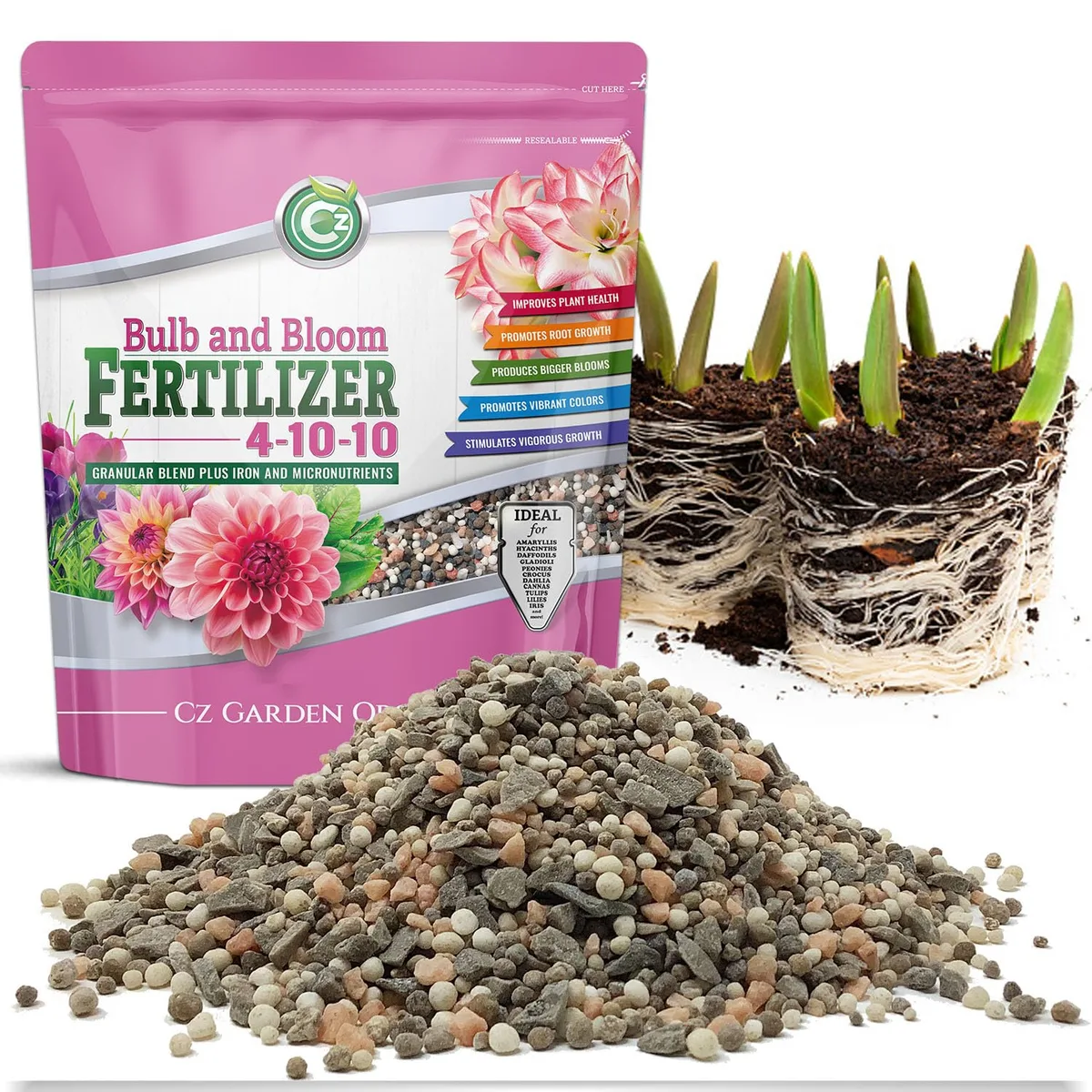
Image source: Web (Bing) / gardeningbeyond.com (Web image (fair-use with source credit))
Not getting flowers is the most common frustration with plumerias. Here are the usual reasons, ranked by frequency.
Not enough sun. This is the #1 cause. If your plant isn’t getting 6+ hours of direct sun, it simply won’t have the energy to produce flowers. Move it to a brighter spot.
Too much nitrogen. Nitrogen pushes leaf growth at the expense of flowers. Many general-purpose fertilizers are high in nitrogen. Switch to a fertilizer with a high middle number, the phosphorus, like 10-30-10 or 5-30-5.
Plant is too young. Plumerias grown from cuttings typically take 2 to 3 years before they bloom. Be patient. If the plant is healthy and getting enough sun, it will flower when it’s ready.
Wrong fertilizer timing. Feed only during active growth, spring through late summer. Stop by early September. Fertilizing too late in the year confuses the plant and can interfere with dormancy preparation.
Stress from improper winter care. If the plant got too much water during dormancy, or if temperatures dropped too low, it may skip blooming while it recovers.
Fertilizer schedule for blooms:
| Month | Fertilizer | Frequency |
|---|---|---|
| April | Begin feeding | Once |
| May through August | High-phosphorus (10-30-10) | Every 2 to 3 weeks |
| September | Stop feeding | — |
| October through March | None | — |
One more tip: Some cultivars bloom more reliably than others. ‘Singapore White’, ‘Celadine’, and ‘Aztec Gold’ are known as heavy bloomers. If you’re buying a plant specifically for flowers, check which variety you’re getting.