Pink princess philodendron care doesn't have to be a guessing game. If your plant's leaves are losing their pink or starting to droop, you're probably making one of a few common mistakes. Let's fix that.
In our research, most growers agree that this plant thrives with 6-8 hours of bright, indirect light daily and humidity around 50-60%. Getting those two basics right solves most problems. Read on to troubleshoot your specific situation.
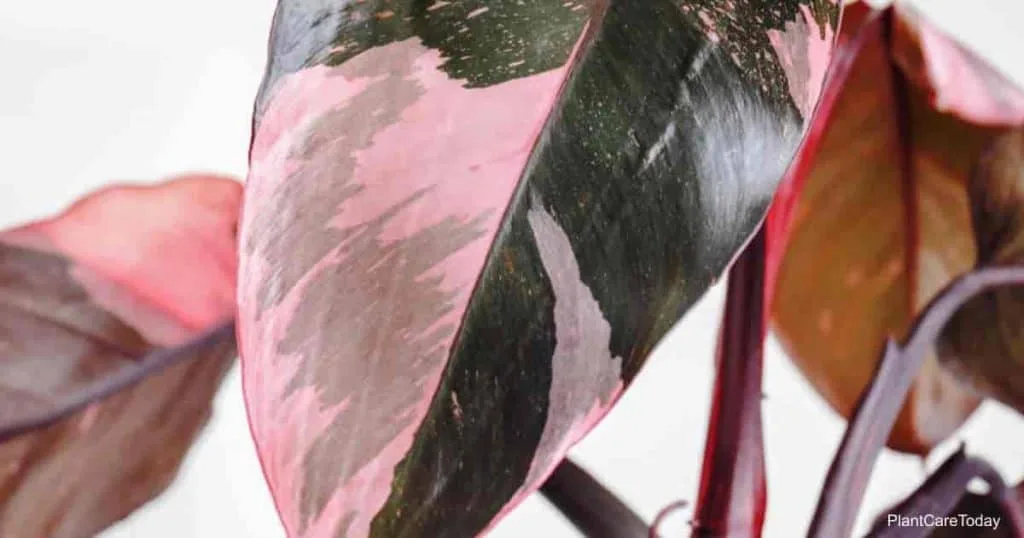
Image source: Web (Bing) / plantcaretoday.com (Web image (fair-use with source credit))
Pink Princess Philodendron Care: Simple Steps for Success
Pink Princess Philodendron: Fixing Common Problems Before They Start
If your pink princess is acting up, don't panic. Most issues trace back to light, water, or humidity. Here's how to diagnose the top problems.
| Symptom | Likely Cause | Quick Fix |
|---|---|---|
| Yellow lower leaves | Overwatering | Let soil dry out 1-2 inches down |
| Crispy brown edges | Low humidity | Add pebble tray or humidifier |
| Leggy stems, small leaves | Not enough light | Move to brighter indirect spot |
| Pale or green leaves | Too much direct sun | Pull back to filtered light |
Start by checking the most common culprit: light. As of 2026, the variegated Philodendron erubescens 'Pink Princess' remains one of the most popular houseplants, yet many owners treat it like a low-light plant. That's a mistake.
This hybrid needs bright, indirect light to maintain its pink patches.
If you see leggy growth with wide gaps between leaves, your plant is reaching for light. Move it closer to a north or east-facing window, or use sheer curtains on a south sill.
Next, check watering. Overwatering is the number one killer. Stick your finger into the soil.
If it feels wet past the first knuckle, wait a few more days.
For low humidity, group plants together or run a small humidifier. You'll notice the difference in new leaves.
The Most Common Pink Princess Mistakes (and How to Spot Them)
Even experienced plant parents slip up. Here are the biggest mistakes we see in pink princess philodendron care.
- Watering on a fixed schedule. Your plant doesn't care about Monday morning. Water when the top 1-2 inches of soil is dry, not when the calendar says so.
- Using harsh tap water. Fluoride and chlorine can brown leaf tips. Let water sit out overnight or use filtered water.
- Choosing the wrong pot. A pot without drainage holes traps water. That leads to root rot fast.
- Skipping humidity checks. Pink princess comes from tropical rainforests. Dry indoor air makes leaves crispy.
- Forgetting to rotate. The plant leans toward light. Rotate it a quarter turn weekly for even growth.
- Ignoring pests early. Spider mites love hot, dry rooms. Check the undersides of leaves weekly.
Spotting these mistakes early saves your plant. Look for drooping leaves, yellowing, or new growth that comes in green. That's a sign your care routine needs adjusting.
Light or Not? A Decision Tree for Variegation and Growth
Light is the most important variable for keeping the pink in your pink princess. Here's a simple decision tree.
If your plant's leaves are mostly green and new growth shows no pink:
- Too little light. Move to a brighter spot with indirect sun.
If leaves are getting brown patches or pale spots:
- Too much direct sun. Filter the light with a sheer curtain or move back.
If stems are long and leaves are small:
- The plant is stretching. Increase light exposure gradually.
If leaves are dark burgundy with good pink hue:
- You're in the sweet spot. Keep doing what you're doing.
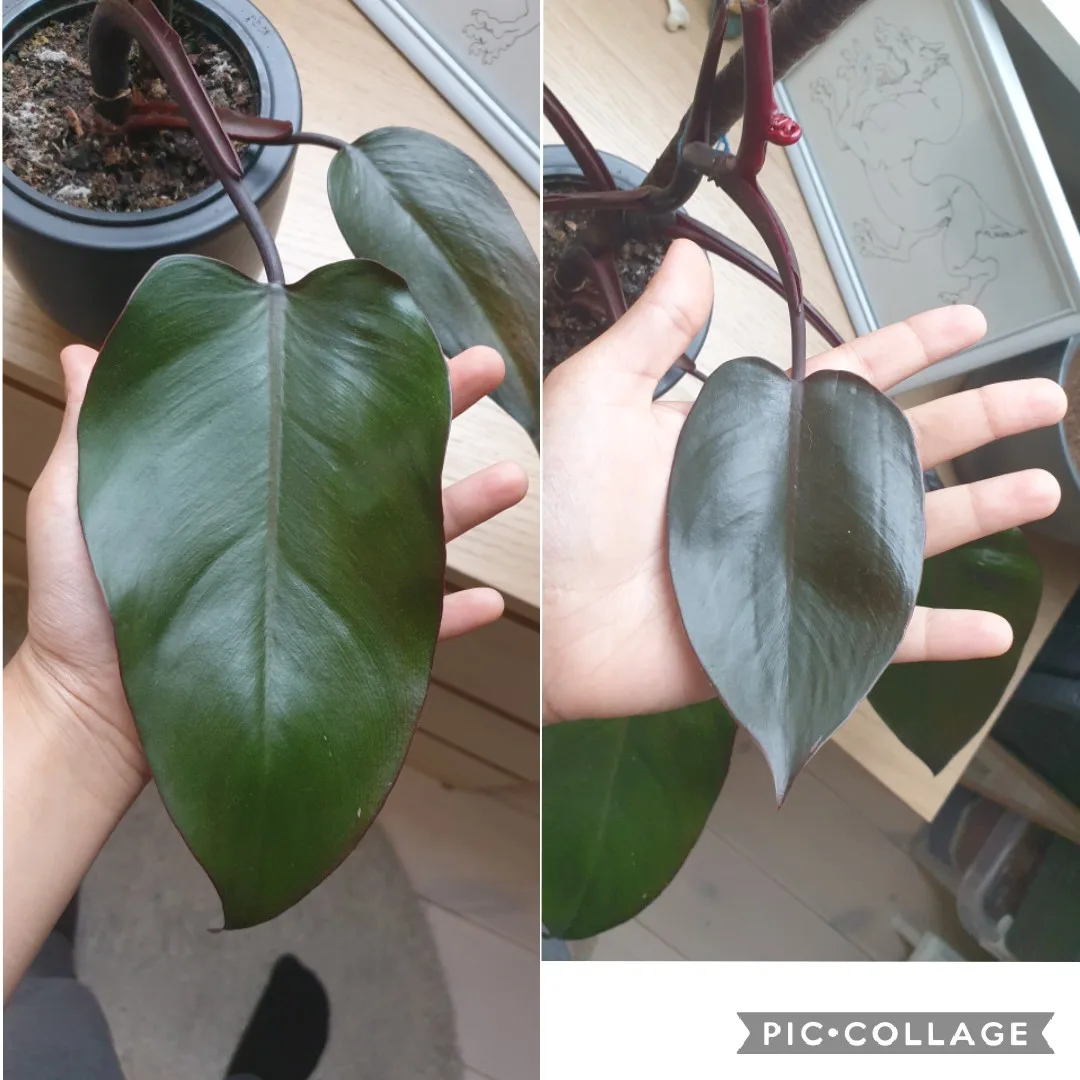
Image source: Web (Bing) / reddit.com (Web image (fair-use with source credit))
Try for 6-8 hours of bright, indirect light daily. A north window works well, but consider a grow light if your space stays dim.
Remember, variegation is genetic. You can't force pinks into an all-green plant. But you can maintain what's already there.
To Water or Not to Water: Reading Your Plant's Signals
Watering is where most pink princess problems start. The classic advice is 'weekly watering,' but that's too rigid. Here's how to decide.
Check soil moisture first. Stick your finger in the soil up to the second knuckle. If it's dry, water. If it's damp, wait.
Watch the leaves. Drooping, curling leaves mean the plant is thirsty. Yellow, mushy leaves mean you've been too generous.
Feel the weight. Lift your pot after watering. It should feel heavier. As the soil dries, it gets lighter.
Learn the difference.
Adjust for season and environment. In summer, your plant drinks more. In winter, it needs less. A clay pot dries out faster than plastic.
Use the soak-and-dry method. Water thoroughly until it drains from the bottom. Never let the pot sit in standing water.
If you're unsure, wait a day. Overwatering kills faster than underwatering. Your plant will forgive a dry spell, but root rot is final.
Variegation Troubleshooting: Why Your Pink Princess Is Turning Green
Seeing an all-green leaf emerge is frustrating. This is called reversion, and it's a common fear for pink princess owners. Here's what's happening.
What causes reversion? The plant isn't dying. It's adapting. Low light forces it to produce more chlorophyll to absorb energy, which masks the pink.
If you see a green leaf:
- Cut it off? No, not immediately. Only remove a stem if every new leaf on that stem is green. Otherwise, give it more light first.
If the entire plant is turning green:
- Increase light gradually. Sudden bright light can scorch the pink areas.
- Check humidity. Low humidity stresses the plant.
- Fertilize lightly in spring and summer.
If you have a half-moon leaf (one green half, one pink half):
- Enjoy it. These are prized among collectors.
When to propagate: If a single stem reverts, you can cut it off and propagate new growth in bright light. New growth may show pink again.
Keep your light steady, and your pink should return in a few weeks.
Pests and Problems: A Quick-Reference Decision Guide
Pests can sneak up fast on a pink princess. Dry indoor air and warm rooms create ideal conditions for spider mites, mealybugs, and fungus gnats.
If you see fine webbing between stems:
That's spider mites. Isolate the plant immediately. Wipe leaves with a damp cloth and apply neem oil.
Keep humidity above 50 percent to deter them.
If you spot white cottony clumps in leaf joints:
That's mealybugs. Dab each clump with rubbing alcohol on a cotton swab. Check weekly for stragglers.
If small flies buzz around the soil:
Those are fungus gnats. Let the soil dry out more between waterings. Yellow sticky traps catch adults.
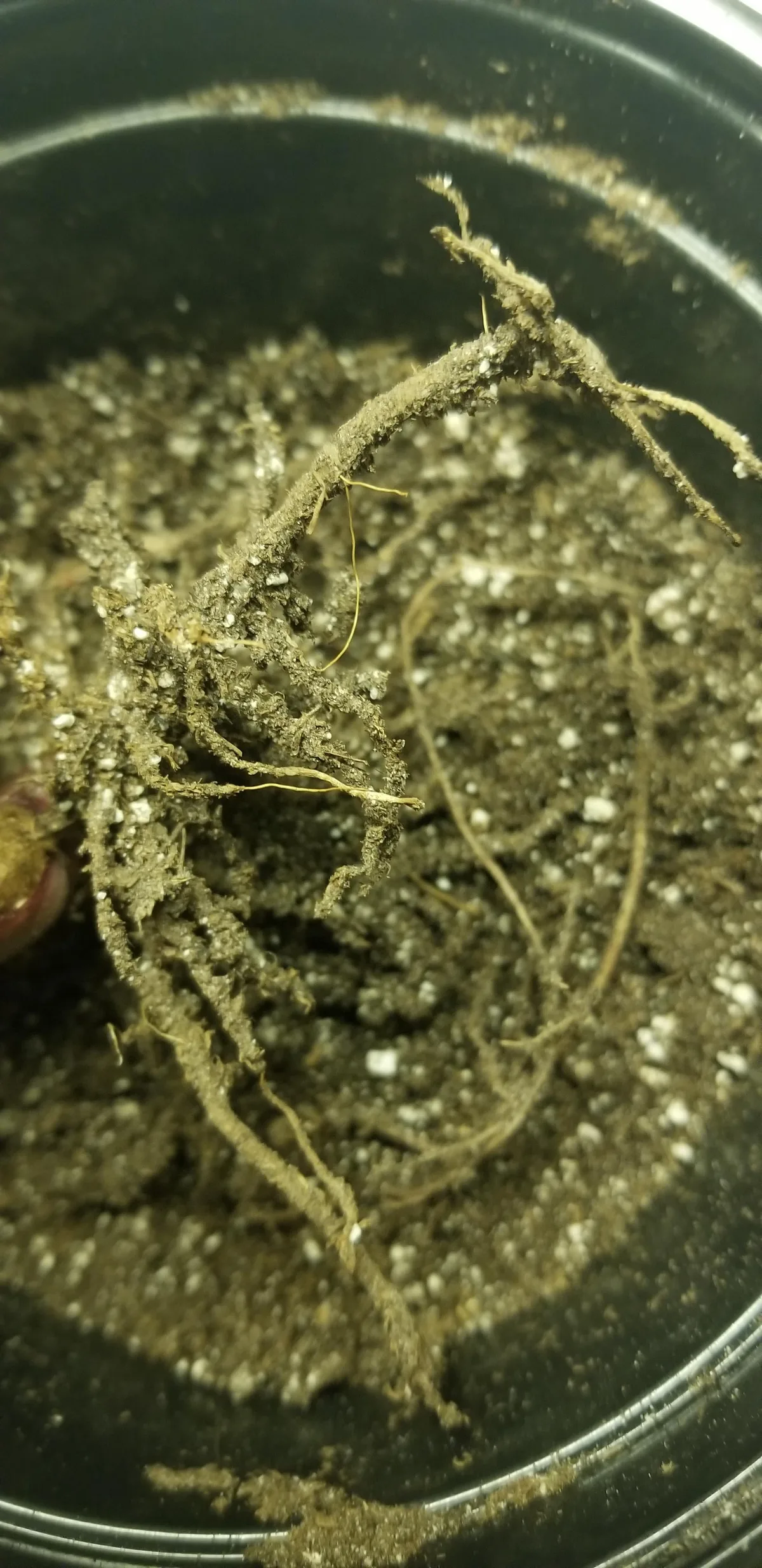
Image source: Web (Bing) / reddit.com (Web image (fair-use with source credit))
If leaves are yellow and the plant looks droopy:
Check for root rot. Gently pull the plant out of its pot. Healthy roots are white or tan.
Rotted roots are brown, mushy, and may smell sour.
Cut away damaged roots with clean scissors. Repot in fresh, well-draining aroid mix. Water sparingly until new growth appears.
If new leaves come out stunted or deformed:
Check humidity first. Low humidity during leaf development causes locked-in crinkling.
Pink Princess Philodendron Care FAQs
How often should I water my pink princess philodendron?
Check the soil first. Water when the top 1-2 inches feel dry. That might be every 7 days in summer and every 10-14 days in winter.
Always test before watering.
Why is my pink princess losing its pink color?
Low light is the most common cause. The plant produces more chlorophyll to capture energy, pushing pink out. Move it to brighter indirect light.
New leaves should show color within a few weeks.
Can I cut off green leaves to encourage more pink?
Not directly. Removing a green leaf won't force pink on the next one. Instead, check your light.
If a whole stem produces only green leaves, cut it back to encourage new growth from the base.
Is pink princess philodendron toxic to pets?
Yes. It contains calcium oxalate crystals. This causes oral irritation, drooling, and vomiting if ingested.
Keep it out of reach of cats and dogs. Contact the ASPCA Animal Poison Control if ingestion happens.
Should I use a moss pole for my pink princess?
Yes, it helps. This is a climbing plant by nature. A moss pole supports upward growth and leads to bigger, more mature leaves.
Attach the stem loosely with plant clips.
What soil mix works best for pink princess philodendron?
Use a chunky, well-draining aroid mix. Combine one part potting soil, one part perlite, and one part orchid bark. This prevents waterlogging while keeping air flow to roots.
Quick-Reference Care Cheat Sheet
| Care Factor | Sweet Spot | Warning Signs |
|---|---|---|
| Light | 6-8 hours bright indirect | Leggy stems, green leaves |
| Water | When top 1-2 inches dry | Yellow leaves, wet soil |
| Humidity | 50-60 percent | Brown leaf edges |
| Temperature | 65-80°F | Drooping below 55°F |
| Fertilizer | Monthly, quarter-strength | Leaves lose pink |
| Pot | Drainage holes required | Root rot without holes |
| Pruning | Cut reverted stems back | No response if too aggressive |
Stick this somewhere visible. It covers the essentials for a thriving plant. Adjust as your home's conditions change season to season.
When new leaves unfurl, check their color. Deep burgundy with distinct pink patches means your care is on target. Enjoy the process.