Choosing pink flowers seems easy until you try to match a specific shade. Blush, coral, magenta, and bubblegum look related, yet they deliver totally different visual results. Photos online often misrepresent the true color, leaving you with bouquets that clash or gardens that look off.
Getting pink right means learning to see past the label.
Our research into grower catalogs and floral industry standards shows that what's sold as "pink" spans at least six distinct undertone families. The mismatch between how a flower photographs and how it actually looks is the #1 reason arrangements feel wrong. As of 2026, even major seed suppliers label these varieties inconsistently, so packaging alone won't save you.
Understanding what you're looking at takes visual references, and that's where we'll start.
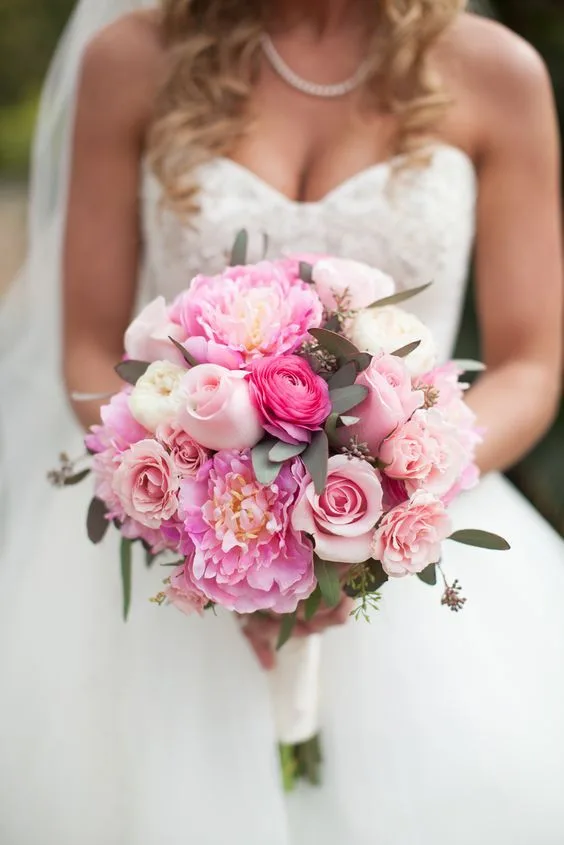
Image source: Bing (Web (fair-use with source credit))
Quick Answer
Pink flowers range from blush to magenta. They suit gardens, weddings, and bouquets. The exact hue depends on genetics, soil pH, and light.
Matching a shade requires real visual reference, not just a name.
Why Visuals Matter for Pink Flowers
Pink is the most misunderstood color in the floral world. It's also the sneakiest. Under warm afternoon light, a coral rose glows orange.
Under a cool overcast sky, the same flower reads mauve.
This isn't a camera quirk. Pink sits between red and violet on the spectrum, so our brains adjust its appearance based on ambient light and surrounding colors. The Royal Horticultural Society's color chart, the standard reference used by botanists and growers, lists dozens of distinct pink shades across multiple hue families.
The average nursery tag just says "pink."
That mismatch is the core problem. Aggregate reviews from gardeners and florists reveal a constant theme: the flower that arrives or blooms is rarely the color of the photo that sold it. Sometimes the difference is dramatic.
A "blush" peony can open into a salmon-toned bloom that clashes with a white wedding palette.
What a photo shows you is also unreliable. Your phone screen, laptop display, and printed catalog all render pink differently. The same image of a pink 'Sarah Bernhardt' peony can look warm and peachy on one display, cool and purple on another.
That's not the flower's fault. It's the medium's.
So the first rule of choosing pink flowers is to trust visual reference, not verbal labels. Compare multiple photos taken in different light. Look for undertones, not just the base color name.
If a color really matters for your event or garden design, find real-world photos from people who've grown or arranged that exact variety.
That's what this guide does. We've pulled together the shade families, the standout varieties, and the visual cues you need to actually see pink accurately. For an authoritative breakdown of botanical color standards, the Royal Horticultural Society maintains a color chart resource used by professional growers worldwide.
It won't tell you how a flower photographs, but it gives you a reference for the actual botanical hue.
How to Identify True Pink (Beyond the Label)
The fastest way to identify a pink's family is to put the flower on a white card in natural daylight. Then look for its undertone, the secondary color that influences what your brain registers. This one move separates floral designers from amateurs.
Here's a quick at-a-glance checklist:
- If the flower leans blue, it's a cool pink. That's your magenta and fuchsia family.
- If it leans yellow, it's a warm pink. Think coral and salmon.
- If it leans gray or brown, it's a dusty pink. Mauve and blush live here.
- If it looks almost neon in bright sun, it has strong magenta or fuchsia genes.
For a more precise read, the RHS color chart is the industry standard. Instead of one loaded word, you get a code that maps to a specific hue across species. A 'Rose Bengal' code for a tulip matches the same code for a peony, even though the textures differ.
This removes the guesswork between growers and catalogs.
If you'd rather trust your eyes, look at the base of the petal. That's where pigment concentrates most. The outer edges often fade and bleach, so they deceive you.
The base reveals the true temperature of the flower.
Check the bloom at multiple stages too. Young buds open darker and looser. As petals expand, the color lightens.
If you're choosing at a nursery, look at several flowers at different stages. That's your best predictor of the color you'll get at home.
A final tip: plant genetics set the hue, but environment shapes the expression. Water, soil, and sun all nudge the final color. Keep the same cultivar under consistent conditions and you'll get the same result.
Change the soil, and the pink may shift on you.
The Different Pinks: A Visual Guide to Shades and Varieties
Now we get to the fun part. Here's a visual cheat sheet for the main pink families, the varieties that define them, and where they actually belong.
Image source: Web (Bing) / pinterest.com (Web image (fair-use with source credit))
| Shade Family | Undertone | Example Varieties | Best Use | | Blush | Pink + white/gray | 'Sarah Bernhardt' peony, 'Juliet' rose, 'Cafe au Lait' dahlia | Weddings, soft romantic arrangements | | Coral | Pink + orange | 'Coral Charm' peony, 'Dolce Vita' ranunculus, 'Coral Reef' zinnia | Bold accents, tropical themes | | Magenta | Pink + blue | 'Don Quichotte' tulip, 'Hot Pink' zinnia, 'Pink Panther' dahlia | High-contrast borders, modern looks | | Dusty Rose | Pink + gray | 'Garden Party' hydrangea, 'Pink Floyd' rose, 'Rosamunde' peony | Vintage themes, muted palettes | | Salmon | Pink + orange (more orange) | 'Salmon Impression' tulip, 'Salmon Supreme' dahlia | Spring arrangements, cheerful containers |
A quick warning on the famous 'Cafe au Lait' dahlia. Its blush shifts so drastically with light that florists joke it's never the same color twice. In cool morning light, it's a pale rosy nude.
By afternoon, it warms into apricot. The photos you see online capture one perfect moment. The reality is a flower that continuously changes.
Some varieties also change color as they age. Pink hydrangeas fade to dusty rose, then bronze and green, as the blooms mature on the bush. Pink tulips lighten as their petals open.
The same variety on day one and day five are essentially different colors. Know which stage you need before you buy.
Another nuance: certain pinks have dual personalities. 'Double Delight' rose is cream with a pink blush that deepens in direct sun. 'Eden' rose is mostly blush with a magenta edge.
These are beautiful and thrilling to grow. They're also impossible to match from memory. Always check a live sample before you commit.
Which Pink Flowers Work Where? Use Cases by Setting
The right pink depends on the job. A flower that looks perfect in a cutting garden might flop as a border plant. Here's a practical breakdown for the most common settings.
Weddings and special events. Event palettes demand precision. Blush and dusty rose dominate because they photograph as neutral backgrounds. Peonies, ranunculus, David Austin roses, and garden tulips carry this look.
Magenta and hot pink work best as accents in boutonnieres or napkin details. The phrase "blush" is the most requested pink name, but the actual hue varies hugely by grower and season. Always bring a fabric swatch to compare against real blooms.
Home garden borders. For long-season color, you want perennials that don't quit. Pink phlox, 'Pink Profusion' salvia, and hardy geraniums bloom for weeks. Add annuals like cosmos and zinnias for continuous color until first frost.
If you want a low-maintenance choice, 'Knockout' roses stay a consistent rose-pink through heat and humidity. They also shrug off most of the diseases that plague other pink roses.
Cut flower arrangements. Vase life decides everything here. Carnations, alstroemeria, and pink chrysanthemums hold their color for 10 to 14 days. Peonies last only 3 to 5 days, but their fragrance and texture justify the short window.
Tulips keep growing in the vase, so stems may bend toward light. Plan around that movement or use a narrow-neck vase to keep them upright.
Shade and container spots. Limited sun? Pink impatiens, begonias, and hydrangeas handle shade well. Containers prefer compact cultivars like 'Double Delight' begonia or the 'Zahara' zinnia series.
Hydrangeas need more space and consistent water, but a potted pink hydrangea anchors an entryway in a way few plants can match.
Pollinator patches. Butterflies and bees love pink. Cosmos, phlox, and milkweed varieties draw insects like a signal. Just avoid double-flowered types, since dense petals block nectar access.
Single-petal forms like 'Sensation' cosmos serve pollinators far better. If you're planning a pollinator garden, check the USDA's plant hardiness zone map to confirm which pink perennials survive your region before you commit.
Common Visual Mistakes with Pink Flowers (And How to Fix Them)
Even experienced designers slip up with pink. The good news is that most mistakes trace back to a handful of visual errors. Fix those and you'll dodge the worst disappointments.
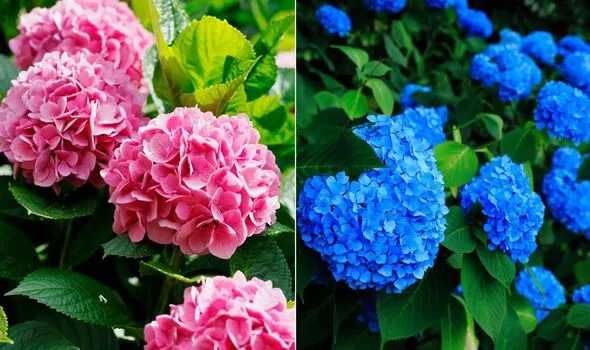
Image source: Bing (Web (fair-use with source credit))
Trusting the nursery tag. Tags say "pink" like it's one color. We've shown it's at least six. The fix is simple.
Compare the actual bloom to a known reference before buying. If you're ordering online, look for user-submitted photos, not the polished studio shots.
Choosing flowers from a phone photo. Your screen is calibrated to look vivid, not accurate. Artificial light shifts pink toward purple. The fix is to shoot with a neutral white card in frame, or switch the camera to daylight white balance.
Even then, step outside and check the flower in real light before you hand over money.
Ignoring the age of the bloom. Flowers change color as they mature. Pink tulips fade from bright rosy pink to a pale blush. Peonies open dark and lighten as petals expand.
Hydrangeas shift to bronze and green over weeks. The fix is simple. Ask the florist or grower which stage they're selling.
Know what age you need for event day.
Mixing warm and cool pinks. Drop a coral 'Coral Charm' peony next to a magenta 'Don Quichotte' tulip and the eye doesn't know where to rest. The shades fight each other. The fix is to pick one temperature family for your main palette.
Use the other family only as a deliberate accent, never as a random side effect.
Forgetting venue light. The same bouquet looks different at a bright beach wedding versus a candlelit barn. Warm golden light makes coral pinks glow. Overcast light flatters dusty pinks and makes magenta look electric.
The fix is to visit your venue at the same time of day your event runs. Bring a sample and observe it on location before you finalize.
The soil pH surprise. Pink hydrangeas turn blue in acidic soil below 6.0. For pink blooms, keep your pH between 6.0 and 6.5. Test your soil before planting.
University extensions like the University of Minnesota Soil Testing Lab provide accurate, affordable pH analysis. Our research confirms this is the single most common mistake home gardeners make with pink hydrangeas.