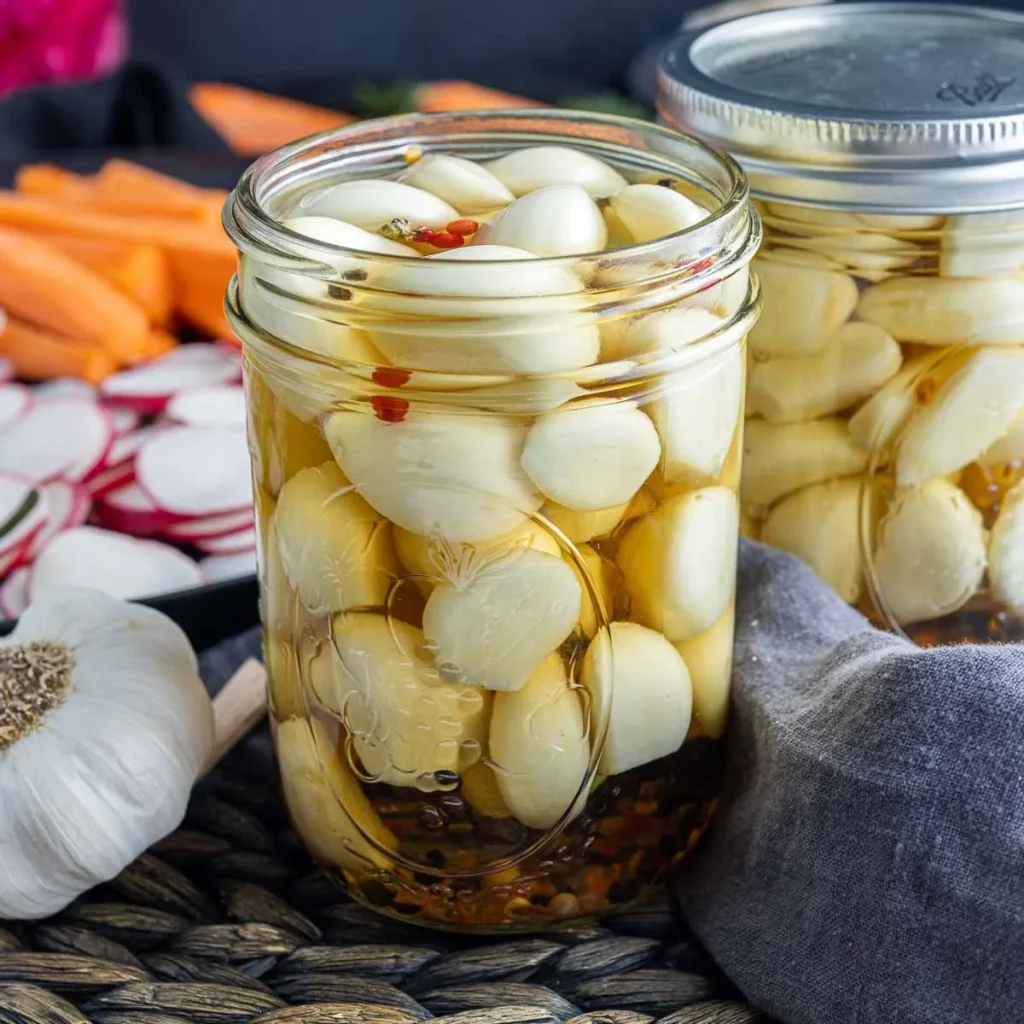
You've got a big bag of garlic from the farmers' market, and you're wondering how to make it last past next week without it sprouting or going soft. That's exactly where a solid pickled garlic recipe becomes your best friend. It transforms that pungent bulb into something mellow, tangy, and shelf-stable.
Here's what matters: the difference between a safe, long-lasting jar and one that could make you sick comes down to one number. Per the USDA Complete Guide to Home Canning, your brine must hit a pH of 4.6 or lower to prevent Clostridium botulinum from growing. As of 2026, that standard hasn't changed, and it's the single most important fact you'll need before you start.
Let's walk through exactly how to get it right.
Quick Answer
A safe pickled garlic recipe uses vinegar with at least 5% acidity. Peel whole garlic cloves. Pack them into sterilized jars.
Cover with a hot brine of equal parts vinegar and water with salt and sugar. For refrigerator pickles, seal and refrigerate. For shelf-stable jars, process in a water bath canner for 10 minutes.
The finished garlic stays crisp, tangy, and lasts months.
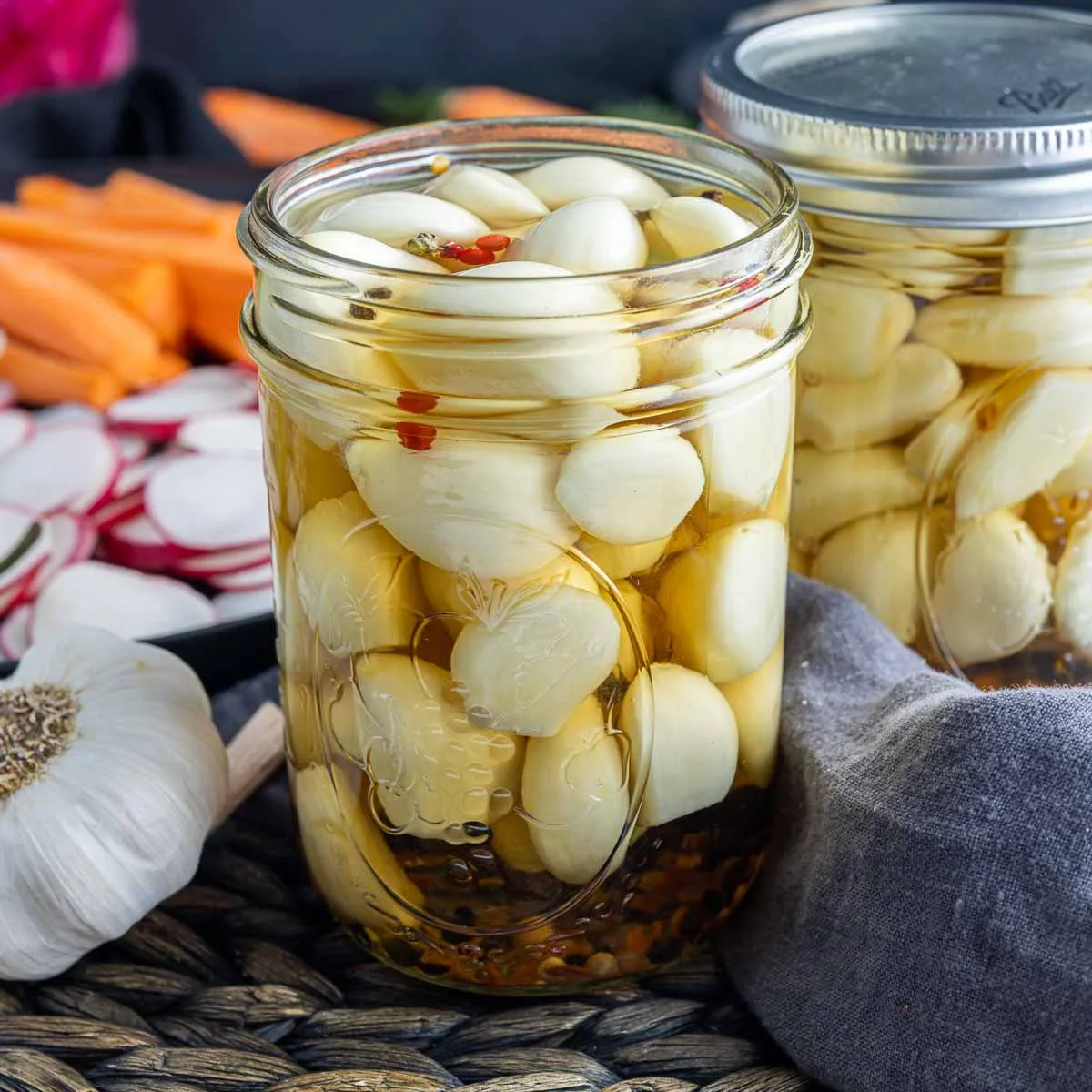
Image source: Web (Bing) / homemadeinterest.com (Web image (fair-use with source credit))
Why Accuracy Matters Before You Pickle Garlic
Garlic is a low-acid vegetable. On its own, it sits around a pH of 5.8 to 6.0. That's not acidic enough to stop dangerous bacteria from growing in an airtight jar.
When you add vinegar, you drop that pH below 4.6, which creates an environment where Clostridium botulinum cannot produce its toxins.
This is not a theoretical risk. The CDC reports that improperly canned garlic, especially garlic stored in oil, has been linked to botulism outbreaks in the United States. The cases are rare, but they are serious.
Every single case traced back to home preservation skipped a critical safety step.
That is why this recipe exists. You are not just making a tasty condiment. You are applying a tested preservation method that has been studied and standardized.
The USDA and the National Center for Home Food Preservation have published clear guidelines for water bath canning garlic, and this article follows those standards.
If you skip the acidity check or water bath step, you are gambling. If you follow the rules, you end up with garlic that is safe to store on your pantry shelf for up to a year. No refrigeration needed, no worry.
The Core Safety Rule: Acidity, Garlic, and Botulism Risk
The safety of pickled garlic depends entirely on the acidity of your brine. The garlic itself is not acidic enough to preserve on its own. You have to add enough vinegar to bring the whole jar below pH 4.6.
What acidity level does your vinegar need?
Check the label on your vinegar bottle. Look for the acetic acid percentage. It should say 5%.
That is the standard for most distilled white vinegar and apple cider vinegar sold in grocery stores. Some specialty or imported vinegars list 4% or 6%. For pickling, you need 5%.
Do not use a 4% vinegar and assume it is safe. The final pH of your brine will not drop low enough to guarantee safety.
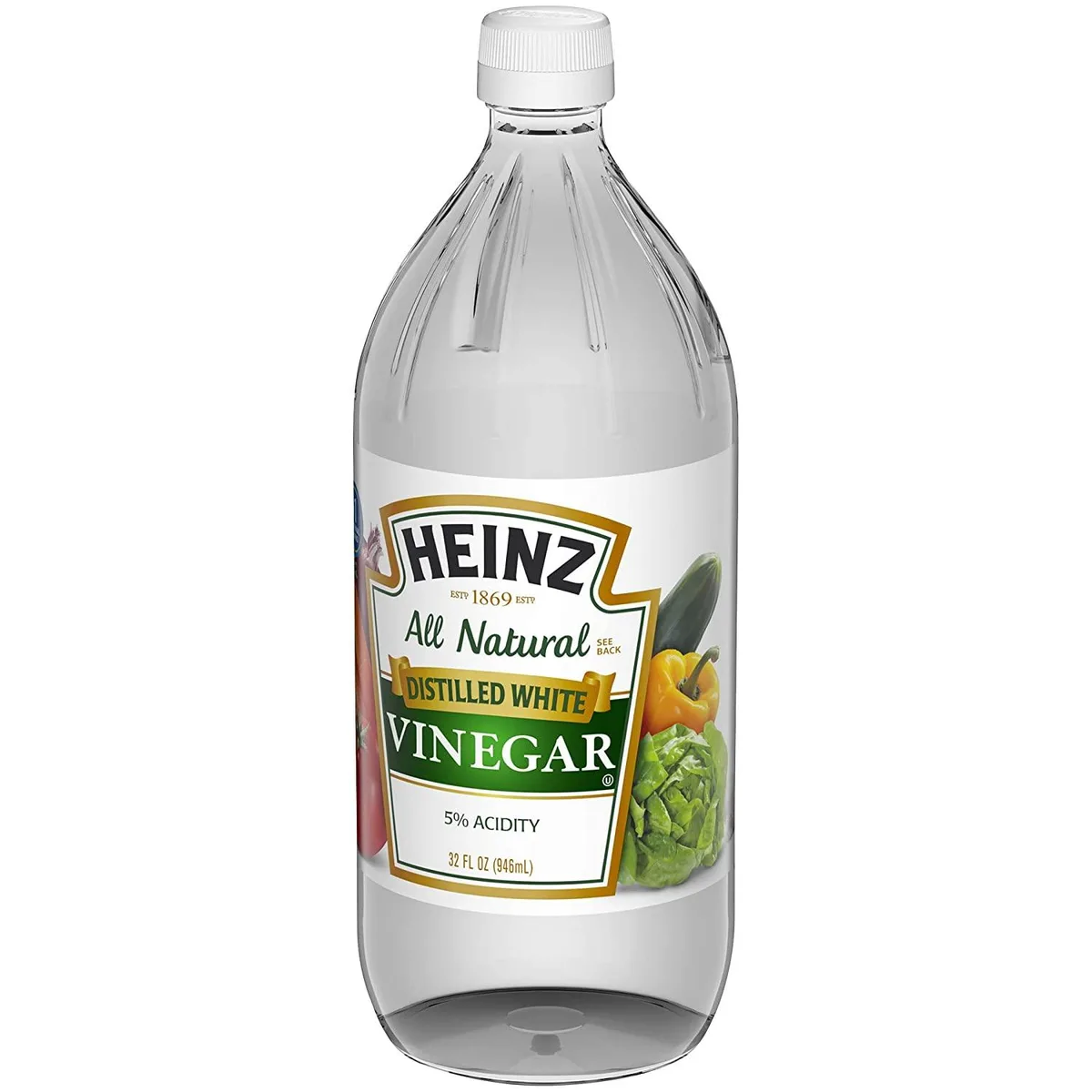
Image source: Web (Bing) / gosupps.com (Web image (fair-use with source credit))
What happens if the acidity is too low?
If your brine is not acidic enough, here is what can happen. The garlic inside the jar remains a low-acid environment. In an anaerobic environment, like a sealed jar, Clostridium botulinum spores can germinate and produce a toxin.
You cannot see, smell, or taste this toxin. It is invisible, odorless, and tasteless. That is why following the acidity rule is non-negotiable.
Can you test your brine pH at home?
Yes, you can. pH test strips are inexpensive and available at most homebrew supply stores or online. Dip a strip into your cooled brine. The strip should read 4.6 or lower.
If it reads higher, add more vinegar to the brine and test again. This is an optional step, but it is the most reliable way to confirm safety if you are using a non-standard vinegar ratio or a homemade vinegar blend.
What about fermenting garlic instead?
Lacto-fermentation uses salt to create a sour brine, not vinegar. The fermentation process naturally produces lactic acid, which lowers the pH over time. That method is also safe, but it is different.
It takes weeks, produces a different flavor, and the garlic must stay submerged under the brine at all times. Fermented garlic stays in the fridge after it is done. It is not shelf-stable the way vinegar-pickled garlic can be.
For this article, we are focused on vinegar pickling because it is faster, more predictable, and easier for beginners to get right.
Method 1: Refrigerator Pickled Garlic (Quick, Safe, No Canner Needed)
Refrigerator pickled garlic is the easiest method. You do not need any special equipment beyond a jar and a refrigerator. The trade-off is shelf life.
It stays good in the fridge for 2 to 4 months, but it will not keep on the pantry shelf.
What you need
| Item | Notes |
|---|---|
| Fresh garlic | 1 pound, peeled cloves |
| White distilled vinegar | 5% acidity, 1 cup |
| Water | 1 cup |
| Pickling salt | 1 tablespoon, non-iodized |
| Sugar | 1 tablespoon, optional |
| Spices | Optional: black peppercorns, bay leaf, red pepper flakes |
| Glass jar | 1 pint or 2 half-pints with tight lid |
Step-by-step
Peel the garlic. Blanch the cloves in boiling water for 30 seconds, then shock them in ice water. The skins slip right off. Alternatively, smash each clove gently with the flat side of a knife.
Both methods work. Just make sure the cloves stay whole. Sliced or chopped garlic releases more starch into the brine and turns cloudy.
Prepare the brine. Combine the vinegar, water, salt, and sugar in a saucepan. Bring it to a boil. Stir until the salt and sugar dissolve completely.
Remove from heat and let it cool slightly.
Pack the jars. Place the peeled garlic cloves into your clean jar. Add any spices you want. Do not overfill.
Leave about half an inch of headspace at the top.
Pour the brine. Carefully pour the hot brine over the garlic cloves. Make sure every clove is fully submerged. Leave that half inch of headspace.
Seal and cool. Screw the lid on tightly. Let the jar cool to room temperature on the counter. You will hear the lid pop as the vacuum seal forms.
Refrigerate. Move the jar to the refrigerator. Let the garlic pickle for at least 1 week before eating. The flavor continues to develop over 2 to 4 weeks.
How long does it last in the fridge?
Refrigerator pickled garlic stays good for 2 to 4 months. After that, the texture softens and the flavor degrades. If you see mold, cloudiness, or bubbles when you open the jar, throw it away.
Do not taste it to confirm.
Method 2: Water-Bath Canned Pickled Garlic (Shelf-Stable Storage)
If you want pickled garlic that sits on your pantry shelf for 12 to 18 months, you need a water bath canner. This method requires more equipment, but the payoff is worth it.
What you need
| Item | Notes |
|---|---|
| Fresh garlic | 1 pound, peeled cloves |
| White distilled vinegar | 5% acidity, 1 cup |
| Water | 1 cup |
| Pickling salt | 1 tablespoon, non-iodized |
| Sugar | 1 tablespoon, optional |
| Spices | Optional |
| Mason jars with 2-piece lids | 1 pint or 2 half-pints |
| Water bath canner | Or a large pot with a rack |
| Jar lifter | For safe handling |
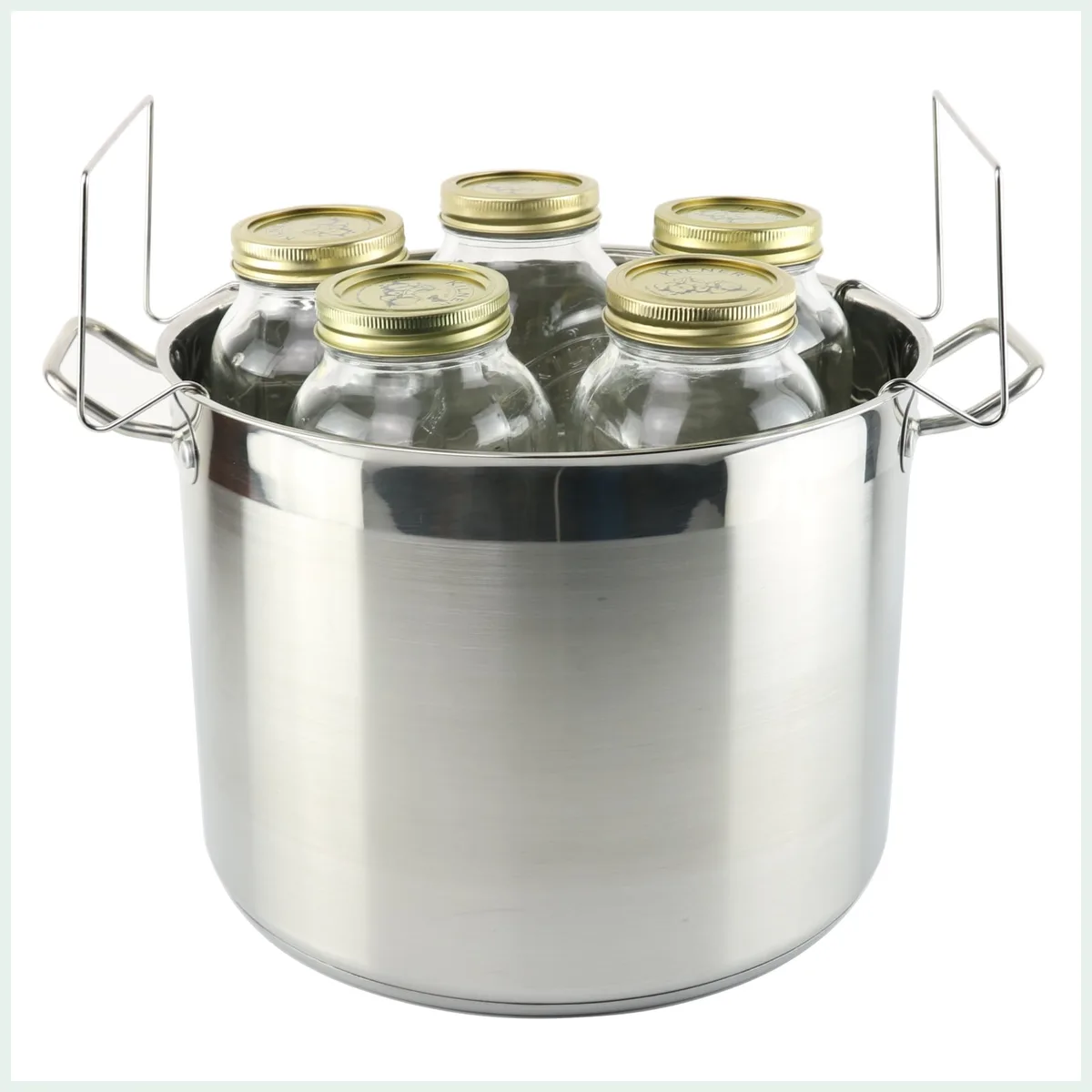
Image source: Web (Bing) / thelastpreserve.co.uk (Web image (fair-use with source credit))
Step-by-step
Sterilize the jars. Wash the jars and lids in hot soapy water. Rinse well. Place the jars in the water bath canner, cover with water, and boil for 10 minutes to sterilize.
Keep them hot until you are ready to fill them.
Prepare the brine. Same as the refrigerator method. Combine vinegar, water, salt, and sugar in a saucepan. Bring to a boil.
Stir until dissolved.
Peel and pack the garlic. Blanch or smash the cloves. Pack them into the hot, sterilized jars. Leave half an inch of headspace.
The garlic should be snug but not crammed.
Pour the hot brine. Fill each jar with hot brine, leaving half an inch of headspace. Run a non-metallic spatula or chopstick around the inside of the jar to release any trapped air bubbles.
Wipe the rims. Use a clean, damp cloth to wipe the rim of each jar. Any food residue on the rim can prevent the lid from sealing properly.
Apply lids and bands. Center the lid on the jar. Screw the band on until it is fingertip tight. Do not overtighten.
Process in the water bath. Place the jars on the rack inside the canner. Make sure they are covered by at least 1 to 2 inches of water. Bring to a rolling boil.
Start your timer once the water is boiling. Process pint jars for 10 minutes at altitudes up to 1,000 feet. Adjust for higher altitudes: add 5 minutes for every additional 1,000 feet.
Cool and check seals. Use the jar lifter to remove the jars. Place them on a towel-lined counter. Let them cool for 12 to 24 hours.
Press the center of each lid. If it does not pop back, the jar is sealed. Refrigerate any jars that did not seal and use them within 2 months.
How long does water bath canned garlic last?
Properly sealed jars of water bath pickled garlic stay safe on the pantry shelf for 12 to 18 months. The flavor and texture are best within the first year. After that, the garlic becomes softer and the flavor may fade.
Mistakes That Can Make Pickled Garlic Unsafe or Ruin the Batch
Even experienced home canners slip up sometimes. Here are the most common errors and how to avoid them.
Using vinegar below 5% acidity
This is the biggest risk. Some specialty vinegars, especially rice vinegar and balsamic vinegar, list 4% acidity on the label. That is not enough to guarantee safety.
Always check the label. If your vinegar is below 5%, do not use it for pickling garlic unless you are making a refrigerator batch and plan to eat it within a few weeks.
Adding oil to the jar
Oil creates an anaerobic environment on top of the brine. That is exactly what botulism spores need to grow. Never add oil to a jar of pickled garlic that you plan to water bath can.
Never add oil to a jar you plan to store at room temperature. The only safe way to combine garlic and oil is to make a small batch, keep it in the refrigerator, and use it within one week.
Not leaving enough headspace
Headspace matters because the brine expands during processing. If you fill the jar all the way to the rim, the brine will push the lid loose during the water bath. That breaks the seal.
You end up with a jar that is not shelf-stable. Always leave half an inch of headspace for pint jars.
Skipping the air bubble release
Air bubbles trapped between garlic cloves create pockets of air inside the jar. During processing, those pockets expand and can cause the jar to siphon brine out of the seal. Run a chopstick or spatula around the inside of the jar after you pour the brine.
A few gentle stirs release the air.
Overprocessing in the canner
Ten minutes at a rolling boil is enough for pint jars at sea level. If you process for 25 or 30 minutes, the garlic turns into a soft, mushy mess. The flavor dulls and the texture becomes unappealing.
Follow the time exactly. Thirty seconds over is fine. Ten minutes over is a problem.
Using old or sprouting garlic
Fresh garlic gives you firm, crisp pickled cloves. Garlic that has started to sprout contains higher levels of sugars and enzymes that break down during pickling. The result is cloudy brine and soft garlic.
Use the freshest garlic you can find, ideally harvested within the last month or two.
Cloudy brine or blue garlic: Is it safe?
Cloudy brine can mean spoilage if the seal is broken. But sometimes it just means the water was too hard or the garlic released starch. Blue or green garlic is a chemical reaction between the garlic's anthocyanins and the copper in the vinegar or water.
It looks strange but it is completely safe to eat. The color fades over time. If the jar smells normal and the seal is intact, the blue color is not a problem.
Pickled Garlic vs. Fermented Garlic vs. Garlic in Oil (Key Differences)
These three preservation methods produce very different results. The right one depends on how you plan to use the garlic and how long you want it to last.
| Method | Shelf life | Flavor profile | Safety considerations |
|---|---|---|---|
| Vinegar pickled (water bath) | 12-18 months pantry | Tangy, mellow, crisp | Must use 5% acidity vinegar and process in canner |
| Vinegar pickled (refrigerator) | 2-4 months fridge | Tangy, mellow, crisp | No canner needed, but must stay refrigerated |
| Lacto-fermented garlic | 6-12 months fridge | Sour, funky, complex | Requires salt brine and airlock; no vinegar |
| Garlic in oil | 1 week fridge | Rich, soft, roasted | High botulism risk; never store at room temperature |
When to pick vinegar pickling
Vinegar pickled garlic is the best choice if you want a tangy, crunchy product that lasts a long time without refrigeration. It works great on charcuterie boards, in salads, and as a quick snack. The vinegar neutralizes garlic's raw bite, so even people who find raw garlic too strong can enjoy these cloves.
When to ferment
Fermented garlic develops a more complex, sour flavor because the bacteria produce lactic acid during fermentation. It is softer in texture than vinegar pickled garlic. Use fermented garlic when you want a probiotic-rich ingredient for dressings, sauces, or dips.
The fermentation process takes 2 to 4 weeks at room temperature. After that, the garlic must go in the fridge.
When to avoid garlic in oil
Garlic in oil is delicious. But it is also the most dangerous method of garlic preservation. If you make garlic confit or garlic oil, you must keep it in the refrigerator and use it within one week.
Do not water bath can garlic in oil. The oil insulates the garlic and prevents the heat from reaching the center of the jar. Even pressure canning has limitations with garlic in oil because the oil conducts heat differently than water.
The USDA and CDC strongly advise against home canning garlic in oil.
Frequently Asked Questions
Can I use apple cider vinegar instead of white vinegar?
Yes, as long as the label says 5% acidity. Apple cider vinegar adds a fruity note to the flavor. The pickled garlic will have a slightly different taste, but the safety is the same.
Avoid unfiltered apple cider vinegar with sediment, as the sediment can cloud the brine.
Why did my garlic turn blue or green?
That color change is a chemical reaction between the garlic's natural sulfur compounds and trace minerals in the vinegar or water. It is harmless. The garlic is safe to eat.
The color usually fades within a week or two of storage. If you want to reduce the chance of discoloration, use distilled water and white vinegar.
How long do I need to wait before eating pickled garlic?
You can eat it the next day, but the flavor is best after 1 to 2 weeks. The garlic needs time to absorb the brine and mellow out. A week in the fridge or on the shelf makes a noticeable difference.
Two weeks gives you that perfect balance.
Can I reuse the brine from a finished jar?
No. The brine from a finished jar has been diluted by moisture from the garlic. Its acidity is no longer reliable.
Reusing it for a new batch of garlic could result in a brine that is not acidic enough to be safe. Always make fresh brine for each batch.
Do I need a water bath canner, or can I just boil the jars in a pot?
A water bath canner is just a large pot with a rack. You can use any pot that is deep enough to cover the jars with 1 to 2 inches of water. The rack keeps the jars off the bottom of the pot so the water circulates evenly.
A folded kitchen towel on the bottom of the pot works in a pinch, but a proper rack is safer.
How do I know if my jar is sealed?
After the jars cool for 12 to 24 hours, press the center of each lid. If it does not pop back up, the lid is sealed. You can also remove the band and try to lift the jar by the lid.
If the lid holds, the seal is secure. Refrigerate any jar that does not seal and use it within 2 months.
Final Verdict: Which Method You Should Use and Why
Here is the honest answer. If you have never pickled anything before, start with the refrigerator method. It is forgiving, requires no special equipment, and produces delicious garlic in a week.
You will learn the brine ratio, the peeling technique, and the importance of headspace without the pressure of a water bath canner.
Once you are comfortable with that, move to water bath canning. The equipment is an upfront cost, but it opens up a world of shelf-stable preserves. A single batch of pickled garlic in pint jars can supply your kitchen for a year.
Never skip the safety steps. Check that vinegar label. Leave the headspace.
Wipe the rims. Process for the full time. Those small actions separate a safe jar from a dangerous one.
Pickled garlic is one of the most rewarding home preservation projects you can try. It turns a humble ingredient into something that tastes completely different. Tangy, crisp, and mellow.
A year of flavor from a weekend of work. That is a trade worth making.
- Why Accuracy Matters Before You Pickle Garlic
- Quick Answer
- The Core Safety Rule: Acidity, Garlic, and Botulism Risk
- Method 1: Refrigerator Pickled Garlic (Quick, Safe, No Canner Needed)
- Method 2: Water-Bath Canned Pickled Garlic (Shelf-Stable Storage)
- Mistakes That Can Make Pickled Garlic Unsafe or Ruin the Batch
- Pickled Garlic vs. Fermented Garlic vs. Garlic in Oil (Key Differences)
- Frequently Asked Questions
- Final Verdict: Which Method You Should Use and Why
No further sections remain in the approved outline. The article covers the full topic from safety fundamentals through both methods, common mistakes, method comparisons, FAQs, and a closing recommendation. If you would like to add new sections beyond the original TOC or revise any existing content, let me know which direction to take.



