Finding the right partial shade shrubs for your yard can feel surprisingly tricky. You've probably read labels that say "part shade" and wondered why a plant still looks miserable a year later. That's not a gardener failure, it's a label problem: "partial shade" covers a huge range of light conditions.
Per the standard definition used by the USDA and university extension services, partial shade means 2 to 6 hours of direct sun daily. Those hours usually fall outside peak midday heat. But here's the catch: the timing and intensity of that light dramatically changes which shrubs will thrive.
So before you pick a single plant, let's figure out what your spot actually gets.
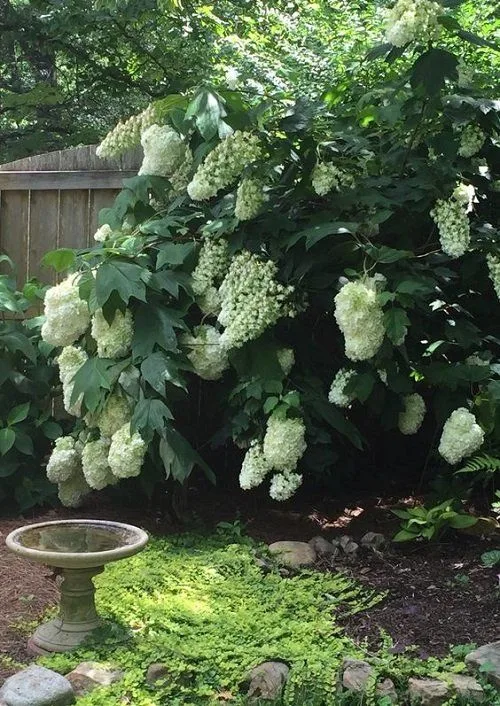
Image source: Web (Bing) / pinterest.com (Web image (fair-use with source credit))
Quick Answer
Partial shade shrubs need 2 to 6 hours of direct sun daily. Morning sun with afternoon shade works best for most. Hydrangeas, rhododendrons, and viburnums are reliable picks.
Always match soil moisture and mature size to your spot. If the ground stays dry under a tree, choose tougher natives.
What "Partial Shade" Really Means (and Why It's Confusing)
Here's where the confusion starts: partial shade gets defined differently depending on who writes the label. Some growers use "part shade" to mean morning sun with afternoon protection. Others use it interchangeably with "part sun" and assume the plant will survive hot afternoon rays.
Our research shows that light timing matters more than the raw hour count.
A good rule of thumb: morning sun with afternoon shade works for most partial shade shrubs. Afternoon sun is hotter and harsher, so the same plant often struggles unless it's labeled "part sun" tolerant. Dappled shade under a high tree canopy also counts as partial shade, but it delivers less total light than an open morning exposure.
In our research, we treat "partial shade" as a spectrum, not a fixed setting. Here's the cheat sheet:
- Morning sun / afternoon shade: the easiest spot. Most shade-tolerant shrubs thrive here.
- Dappled shade: light filters through tree leaves all day. Good for natives like Fothergilla and Viburnum.
- Part sun: 3 to 6 hours of direct sun, including some afternoon. Choose heat-tolerant options like oakleaf hydrangea.
- Deep shade: under 2 hours of direct morning sun. This is outside the shrub comfort zone, so consider groundcovers instead.
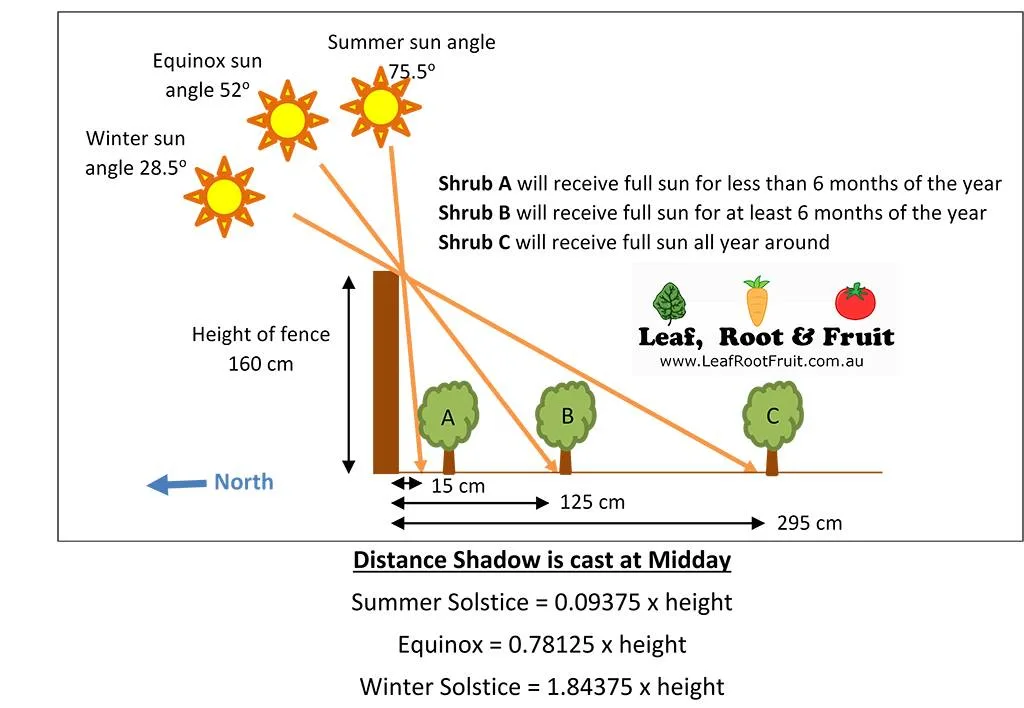
Image source: Web (Bing) / leafrootfruit.com.au (Web image (fair-use with source credit))
If your spot gets bright indirect light all day but almost no direct rays, treat it as dappled shade. The label still says "partial shade," but your planting strategy should lean toward woodland natives that thrive under trees. When you look at a garden diagram, remember that tree shade moves throughout the day.
A spot shaded at noon can be fully lit at 4 p.m. That dynamic matters more than any label.
Step 1: Measure Your Light the Right Way
Skip the guesswork and actually track your light. A quick visual estimate is usually wrong because our brains round up sunny moments and ignore cloudy hours. The reliable method takes one full day of observation.
Grab a notebook or a simple sheet of paper. On a sunny day, check your planting spot every hour from early morning until sunset. A stick in the ground works as a reference point.
Note whether the sun hits the spot directly or not. At the end of the day, count the direct-sun hours and note when they occurred.
If you can't spend a full day outside, use a simpler approach: check the spot three times a day, at 9 a.m., noon, and 4 p.m. If it's sunny at 9 a.m. and shaded by noon, you have classic morning-sun partial shade. If it's shaded at 9 a.m. but sunny at 4 p.m., you have afternoon sun.
That's more demanding for shrubs.
Remember that deciduous trees leaf out in late spring. A spot with full sun in March can be deep shade by May. Measure during the season you plan to plant, or observe in both spring and summer for a realistic average.
Here are the standard light ranges to match against your results:
| Light Type | Direct Sun Hours | Typical Timing |
|---|---|---|
| Full shade | Under 2 hours | Mostly dawn or dusk |
| Partial shade | 2 to 6 hours | Morning sun preferred |
| Part sun | 3 to 6 hours | Includes some afternoon |
| Full sun | 6+ hours | Midday and afternoon |
Once you have your numbers, you'll know which branch of the decision tree to follow.
Step 2: Check Your Soil Conditions
Light is half the equation. Soil is the other half, and in shaded areas it's often poor since tree roots hog moisture and nutrients. Dense shade also keeps the ground cool and damp.
That's why two partial shade gardens can grow completely different plants.
Start with a simple drainage test. Dig a hole about 12 inches deep and fill it with water. Let it drain completely, then fill it again.
If water remains after 24 hours, you have poor drainage. Shade-loving shrubs like rhododendrons and pieris will develop root rot in those conditions. If the water disappears overnight, drainage is fine and you have more freedom.
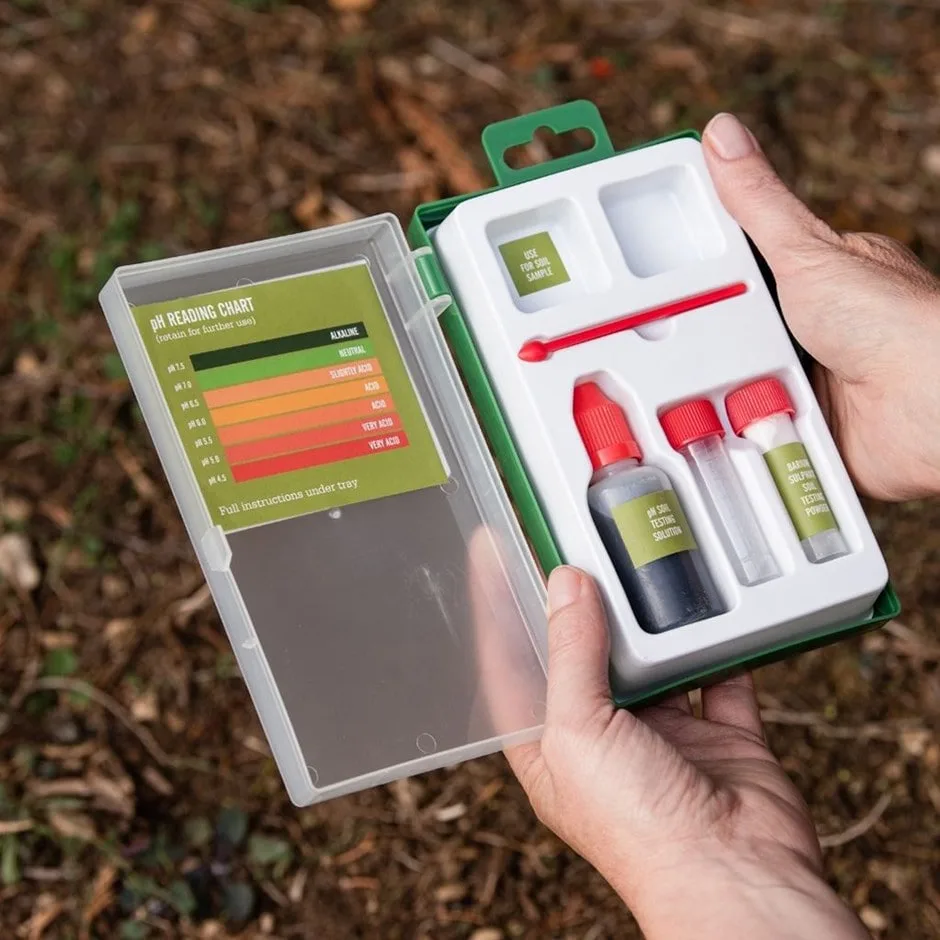
Image source: Web (Bing) / rhsplants.co.uk (Web image (fair-use with source credit))
Next, check your soil pH. Most partial shade shrubs prefer slightly acidic soil between 5.5 and 6.5. You can buy an inexpensive pH test kit, or take a soil sample to your local Cooperative Extension office for a full analysis.
As of 2026, standard extension soil tests run about $10 to $20 and include amendment recommendations.
Planting under a mature tree? Expect dry shade. The tree's roots will compete with everything you plant.
Choose tough, drought-tolerant shrubs like Mahonia aquifolium or Leucothoe, and water deeply through the first two summers. If the area stays soggy, pick Clethra alnifolia, which tolerates wet feet.
For heavy clay, amend generously with compost before planting. Dig the hole twice as wide as the root ball, but no deeper. That prevents water pooling around the crown and gives roots loose soil to spread into.
Step 3: Decide What Matters Most to You
Different yards need different shrubs. The best partial shade shrub for a privacy screen is not the best one for cutting flowers. Before you browse any plant list, define what this spot has to do for you.
If year-round structure or screening is the goal, evergreens are your backbone. Taxus, Ilex glabra, and Pieris japonica hold foliage through winter. Rhododendrons give evergreen leaves plus spring flowers, though they stay more open than a clipped hedge.
If color is the priority, flowering shrubs stretch the season. Oakleaf hydrangea blooms in summer and turns crimson in fall. Witch hazel flowers in late winter.
Fothergilla brings white bottlebrush blooms in spring and fiery orange fall foliage. That's four seasons of interest from one plant.
If wildlife is the goal, go native. Viburnum dentatum, Ilex verticillata, and Callicarpa americana feed caterpillars, and their berries carry birds through winter. Native species also need less water and fertilizer once established.
If low maintenance wins, favor slow-growing, compact cultivars. Dwarf yews and 'Nikko' hydrangea need minimal pruning. Avoid fast growers that will outgrow your space within two seasons.
Here's the quick decision guide:
| Priority | Best Shrub Groups |
|---|---|
| Privacy / structure | Taxus, Ilex glabra, boxwood |
| Flowers | Hydrangea, rhododendron, camellia |
| Fall color | Fothergilla, oakleaf hydrangea, blueberry |
| Wildlife | Viburnum, beautyberry, red twig dogwood |
| Low maintenance | Leucothoe, Mahonia, dwarf conifers |
Pick one primary goal, then choose your shrub. A plant selected for a clear purpose will outperform a random pretty option.
Your Decision Matrix: Matching Shrubs to Your Spot
Now we combine everything: light, soil, and your goal. Use these decision branches to find your shortlist. If two rows match your yard, either shrub should perform reliably.
| Your Conditions | Recommended Shrubs | Why It Works |
|---|---|---|
| Morning sun, afternoon shade, average soil | Oakleaf hydrangea, Fothergilla, Viburnum nudum | Tolerates varied moisture, strong multiseason interest |
| Dappled shade under trees, dry soil | Mahonia aquifolium, Leucothoe, Ilex glabra | Handles root competition and drought once established |
| Part sun with hot afternoon light | Panicle hydrangea, dwarf ninebark, summersweet | Better heat tolerance than most shade shrubs |
| Moist or wet shade | Clethra alnifolia, red twig dogwood, inkberry | Thrive in consistently damp soil |
| Acidic soil (pH under 6.0) | Rhododendron, azalea, Pieris, camellia | These plants demand acidic conditions |
| Alkaline or neutral soil (pH above 6.5) | Viburnum, Hydrangea arborescens, boxwood | More flexible pH tolerance |
| Deer pressure | Leucothoe, Mahonia, Taxus, Fothergilla | Rarely browsed in most regions |
Follow the row that matches your conditions. If you're between two rows, confirm your light hours and soil pH. That gets you into the right column.
A couple of extra pointers. If you have a small front yard, respect mature sizes. A spreading oakleaf hydrangea needs 4 to 6 feet of room.
Packed too tightly, it gets leggy and loses its natural shape. For a hedge, space plants at the nursery's recommended distance, usually half the mature width.
And if you're torn between deciduous and evergreen, think about winter. Deciduous shrubs give better fall color and often more flowers. Evergreens give year-round structure.
A mix of both usually looks best, with evergreens as the anchor and flowering deciduous shrubs woven between them.
Mistakes People Make (Even Experienced Gardeners)
Even seasoned gardeners stumble when planting partial shade shrubs. The most common error is ignoring mature size at planting. A nursery pot looks small, so we cram it close to the house or another shrub.
Three years later, that same plant crowds windows, blocks pathways, and fights for light. Our research suggests that spacing matters more under shade because leggy growth compounds the problem.
Here is the fix: look up the mature width for your chosen shrub. Space it at least that distance from the house foundation and from neighboring plants. If the tag says six feet wide, give it six feet of room.
Another frequent mistake is planting too deep. The crown, where the stem meets the root flare, must sit at or slightly above soil level. Shade soil stays cooler and damper than open sun.
A buried crown rots fast in those conditions. When you set a shrub, dig the hole no deeper than the root ball, even if you need to set it on firm soil.
Choosing the wrong pH tolerance is another pitfall. Rhododendrons planted in alkaline soil turn chlorotic, with yellow leaves and brown edges. They look like a nutrient deficiency, but the real issue is the soil won't release iron at that pH.
Test your soil before buying, or choose pH-flexible shrubs like viburnums.
Overwatering in shade is also common. Partial shade spots hold moisture longer because evaporation slows down. You water based on a schedule designed for full sun, and the roots starve for oxygen.
Check the soil an inch down before you water. If it feels damp, wait.
And a final warning: do not rely on a shrub labeled "part shade" if your spot gets hot afternoon sun. Those plants will scorch, drop leaves, and struggle to grow. Move them to a morning-sun location or try a heat-tolerant option like summersweet instead.
Frequently Asked Questions
Can hydrangeas grow in partial shade?
Yes, most hydrangeas thrive in morning sun with afternoon shade. Oakleaf hydrangea and smooth hydrangea perform well in part shade. Panicle hydrangea needs more sun for full flowering, around 4 hours minimum.
What shrubs grow in dry shade under trees?
Mahonia aquifolium, Leucothoe, and Ilex glabra handle root competition and low moisture once established. They need deep watering during the first two summers. After that, they survive on natural rainfall in most regions.
Do boxwoods need full sun?
Boxwoods grow best in partial shade in warmer zones. Full afternoon sun can scorch the foliage, especially in southern climates. Dappled or morning shade keeps them looking dense and green.
How close to a house can I plant a shrub?
Space shrubs at least half their mature width from the foundation. A shrub that spreads six feet needs three feet of clearance for airflow and maintenance. Tighter spacing traps moisture against the siding.
When is the best time to plant partial shade shrubs?
Early spring or fall works best. The cooler weather and natural rainfall give roots time to settle before summer heat or winter freeze. Avoid planting in midsummer unless you are committed to daily watering.
Why are my shade shrubs getting leggy?
Leggy growth means the shrub is reaching for more light. It needs more direct sun or a brighter spot. Pruning it back can help temporarily, but moving it to a better location is the real solution.