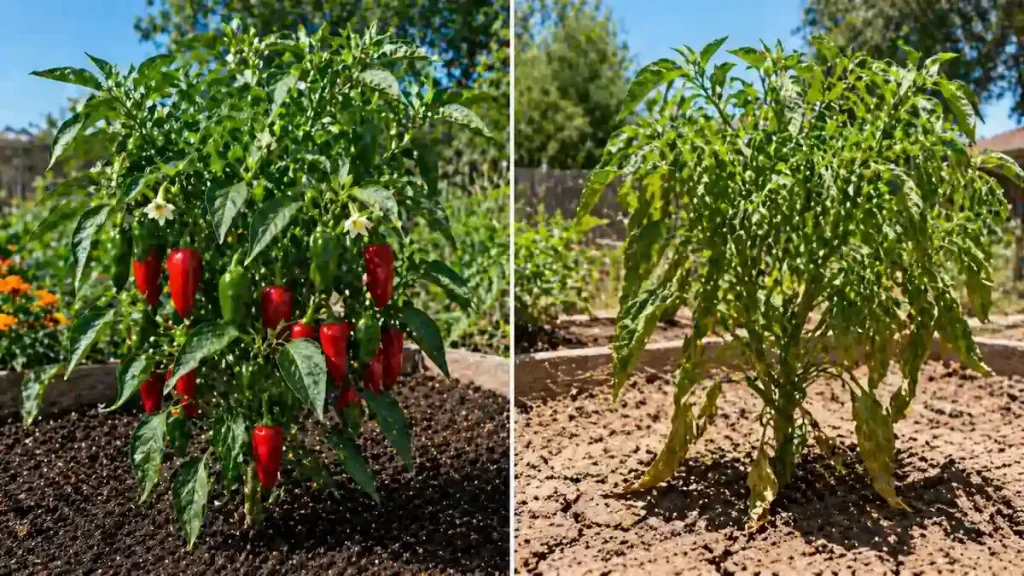
It's a familiar gut-punch for any pepper grower. You've spent months nurturing your plants, watching them flower and fruit, and then the first hard frost shows up in the forecast. That's when you face the decision that determines next year's harvest: overwintering peppers.
You don't have to let those plants die just because winter is coming. With the right approach, you can keep them alive through the cold months and get a huge head start next spring.
The two main paths are dormancy (think of it as putting the plant in a cool, dark hibernation) or keeping it alive as a houseplant with active growth under lights. According to USDA hardiness zone data, peppers are perennial only in zones 8 through 11, everywhere else, they're treated as annuals unless you intervene. Your choice of method depends entirely on your available space, light, and how much effort you want to put in.
Let's walk through both so you can decide which fits your situation.
Quick Answer
Overwintering peppers means moving plants indoors before frost. You can store them dormant in a cool, dark space at 50, 55°F. Or you can keep them growing actively under lights.
Dormancy needs less light and water. Active growth needs 12, 16 hours of bright light. Both methods save your plants from frost.
Both give you a faster start next spring.
The Core Problem: Frost Kills Peppers — But You Don't Have to Start Over Every Spring
Peppers are tropical perennials by nature. In their native Central and South American climates, they live for several years, producing fruit season after season. The problem is that most of us don't live in the tropics.
Once temps drop below 32°F, frost kills pepper tissue almost instantly. Even a light frost at 36°F can damage leaves and stunt future growth.
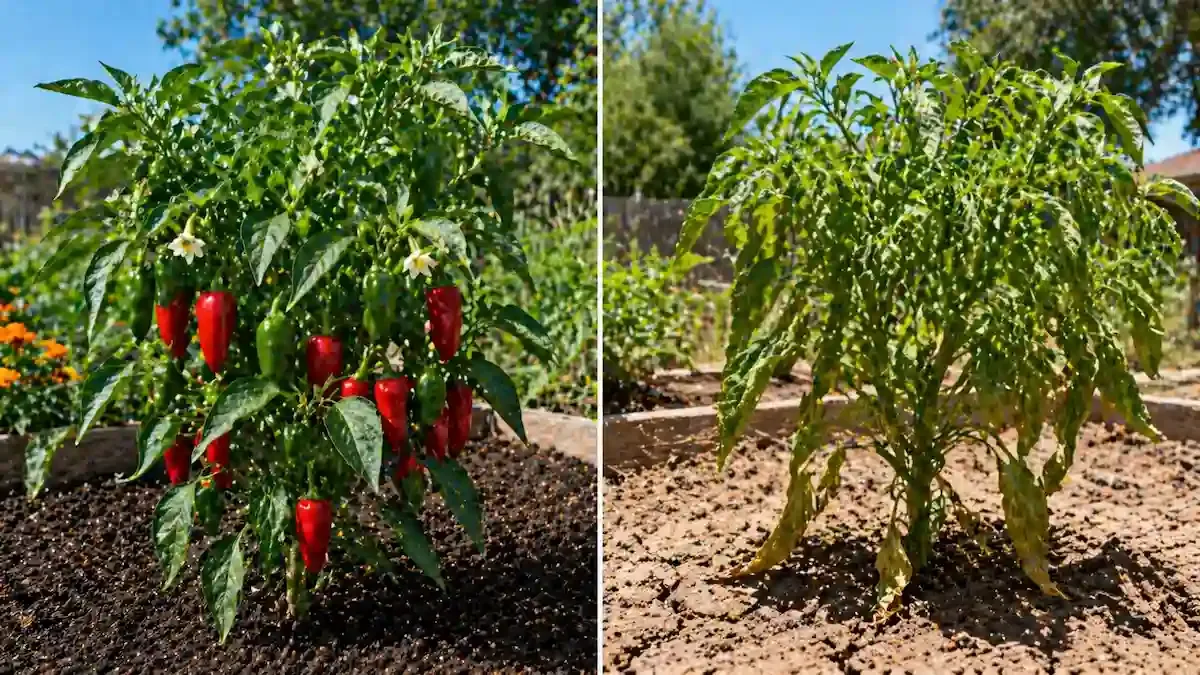
Image source: Web (Bing) / gardentruth.com (Web image (fair-use with source credit))
So every fall, gardeners face a choice. You can let the frost take them and start from seed next spring, which costs you 6 to 8 weeks of growing time. Or you can bring them inside.
It's not complicated, but it does require a bit of planning. The payoff? A plant that's already 3 feet tall with a developed root system by May, instead of a tiny seedling that won't fruit until August.
The real pain point here is timing. Most gardeners wait too long. They see a warm forecast, think "one more week," and then a surprise freeze wipes everything out.
In our research across university extension services, the recommendation is clear: start the process when nighttime temps are consistently forecast to hit 45°F. That gives you a buffer. Don't wait for the frost warning.
How Overwintering Actually Works (The Plant Biology You Need to Know)
Before you grab your pruners, it helps to understand what's happening inside the plant. Peppers don't go fully dormant like a maple tree. They slow down dramatically, but they stay alive.
Their metabolism drops to a near standstill when temperatures hover around 50°F and light levels are low.
If you choose the dormant method, you're essentially forcing the plant into a state of suspended animation. It stops growing leaves and roots. It stops fruiting.
It uses almost no water. The plant's energy gets stored in the woody stems and main root system. When you bring it back to warmth and light in spring, it "wakes up" and starts pushing new growth from those stored reserves.
Here's the key biological detail most guides miss. Peppers store their energy reserves in the crown, the thick area where the stem meets the roots. If that crown gets damaged by cold or rot, the whole plant dies.
That's why proper pruning and careful watering are non-negotiable. You're protecting the plant's survival bank.
If you choose the active growth method instead, you're tricking the plant into thinking it's still summer. You supply warmth (65°F or above), bright light (12 to 16 hours daily), and regular water. The plant keeps growing, keeps producing leaves, and may even set a few small fruits through winter.
The trade-off is that this method demands more equipment, more space, and more daily attention.
Step-by-Step: The Overwintering Workflow for Any Situation
Let's get practical. Here's the step-by-step process that applies to both methods. The only difference is whether you put the plant in a cool, dark space or under grow lights.
Step 1: Start Before Frost Hits
Monitor your local forecast. When nighttime lows are predicted to hit 45°F for several nights in a row, it's go time. Don't wait for a frost advisory.
Even a few hours below 40°F can stress the plant and make it more vulnerable to pests.
Step 2: Inspect Thoroughly
Look at every leaf, stem, and the soil surface. Check the underside of leaves for aphids, spider mites, or whiteflies. These pests love hitchhiking indoors and will explode in population once they're warm and protected.
If you see any, treat the plant with insecticidal soap or neem oil before you bring it inside. University extension programs consistently recommend a full spray-down three days before moving the plant indoors.
Step 3: Prune Hard
Cut the plant back to about 6 to 8 inches tall. Leave 3 to 5 main branch nodes. Remove all flowers, fruits, and most leaves.
Why? Smaller plants are easier to manage. Fewer leaves mean less water loss and less surface area for pests.
The plant doesn't need foliage during dormancy anyway.
Step 4: Clean the Roots (Optional but Recommended)
If your plant is in a large pot, you can keep it in the same container. Just scrape off the top inch of soil and replace it with fresh potting mix. If the plant is in the ground, dig it up carefully, rinse the roots to remove garden soil, and pot it into a clean container with fresh, sterile potting soil.
This step gets rid of any soil-borne pests or diseases.
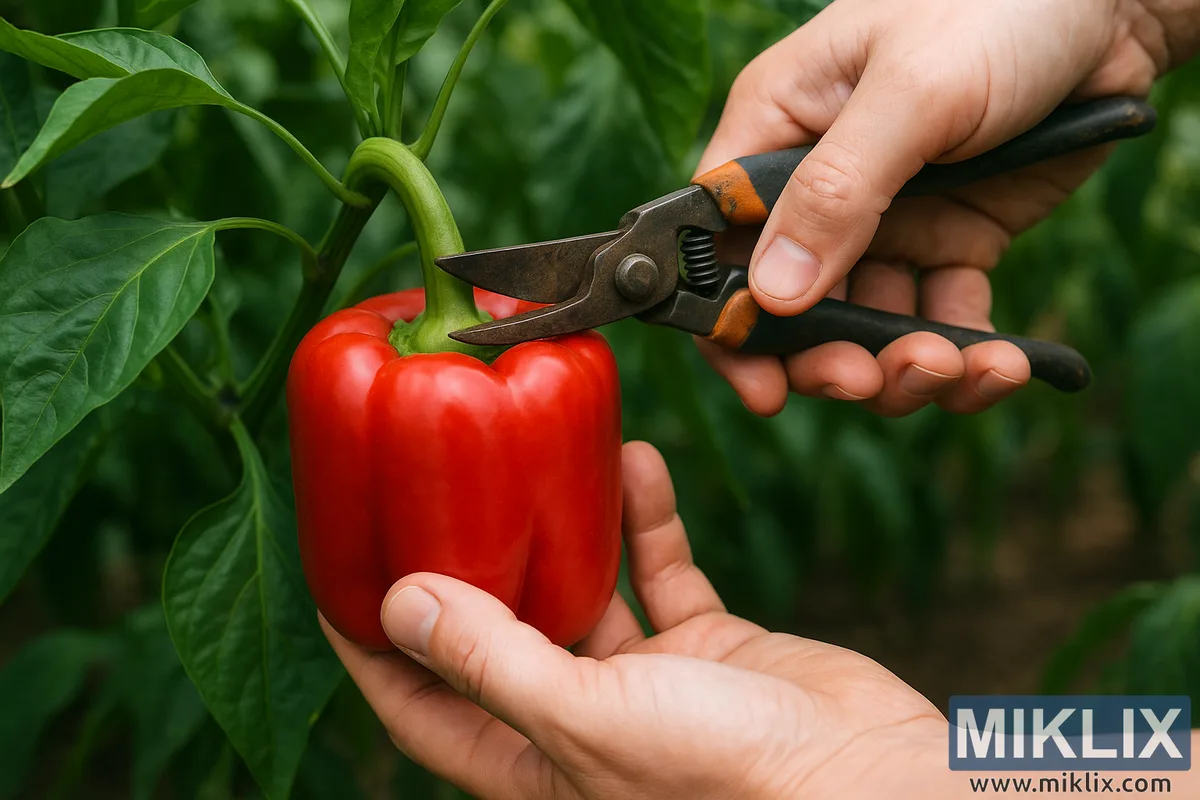
Image source: Web (Bing) / miklix.com (Web image (fair-use with source credit))
Step 5: Choose Your Location
For dormancy: A garage, basement, or crawl space that stays between 45°F and 55°F. No light needed. Just enough air circulation to prevent mold.
For active growth: A south-facing window with supplemental grow lights, or a dedicated indoor grow area with a timer set for 14 to 16 hours of light.
Step 6: Water Sparingly
For dormant plants, water once every 3 to 4 weeks. The soil should feel barely damp, not wet. Overwatering is the single biggest killer of overwintered peppers.
For active growth plants, water when the top inch of soil is dry, just like a normal houseplant.
The Decision Tree: Which Method Matches Your Setup?
Not sure which path is right for you? Here's a simple decision guide based on your circumstances. Answer each question honestly, and the method will become clear.
| Your Situation | Best Method | Why |
|---|---|---|
| You have a cool, dark basement or garage (45–55°F) | Dormancy | No grow lights needed. Minimal watering. Low effort. |
| You have limited space but want to save many plants | Dormancy | Dormant plants take up very little room when pruned. |
| You have grow lights and a warm indoor spot | Active growth | You get leaves and possibly fruit through winter. |
| You live in an apartment with no garage or basement | Active growth | You have no cool space, so you must keep the plant alive actively. |
| You want to save just 1 or 2 favorite plants | Either works | Dormancy is easier; active growth is more rewarding. |
| You're growing super-hots (Ghost, Carolina Reaper) | Dormancy | These varieties are slow to mature. Dormancy preserves their age and size better. |
The biggest mistake people make? Forcing active growth in a space that's too cold. If your indoor spot stays below 60°F at night, the plant will struggle, drop leaves, and likely die.
In that case, dormancy is the safer bet. Conversely, don't try to force dormancy in a warm, bright room. The plant will get confused, push out weak new growth, and rot from inconsistent watering.
The method has to match the environment.



