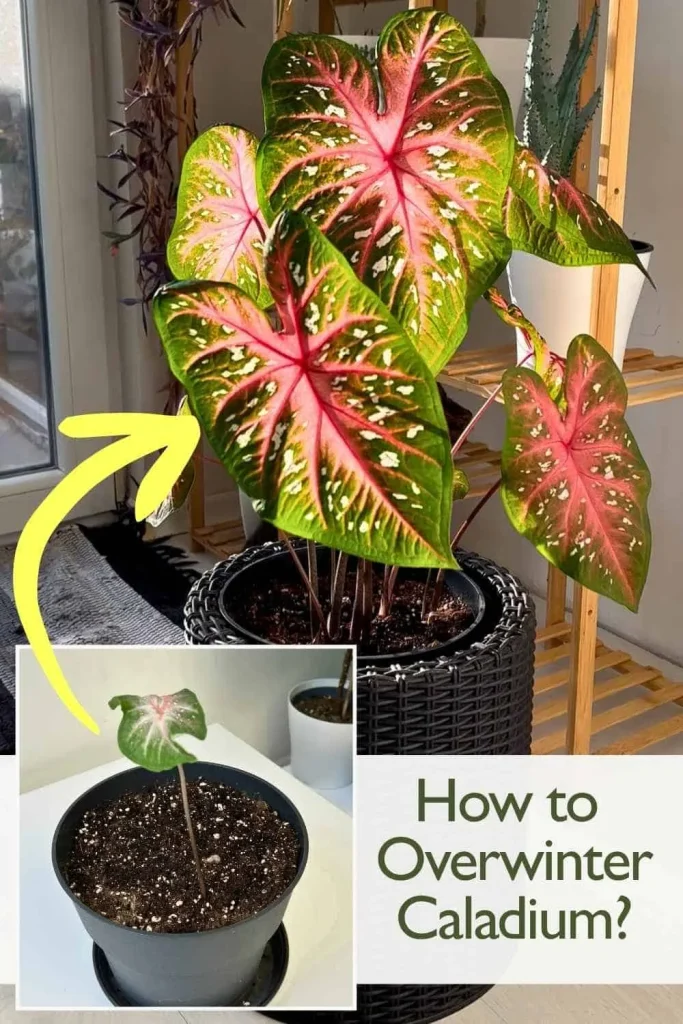
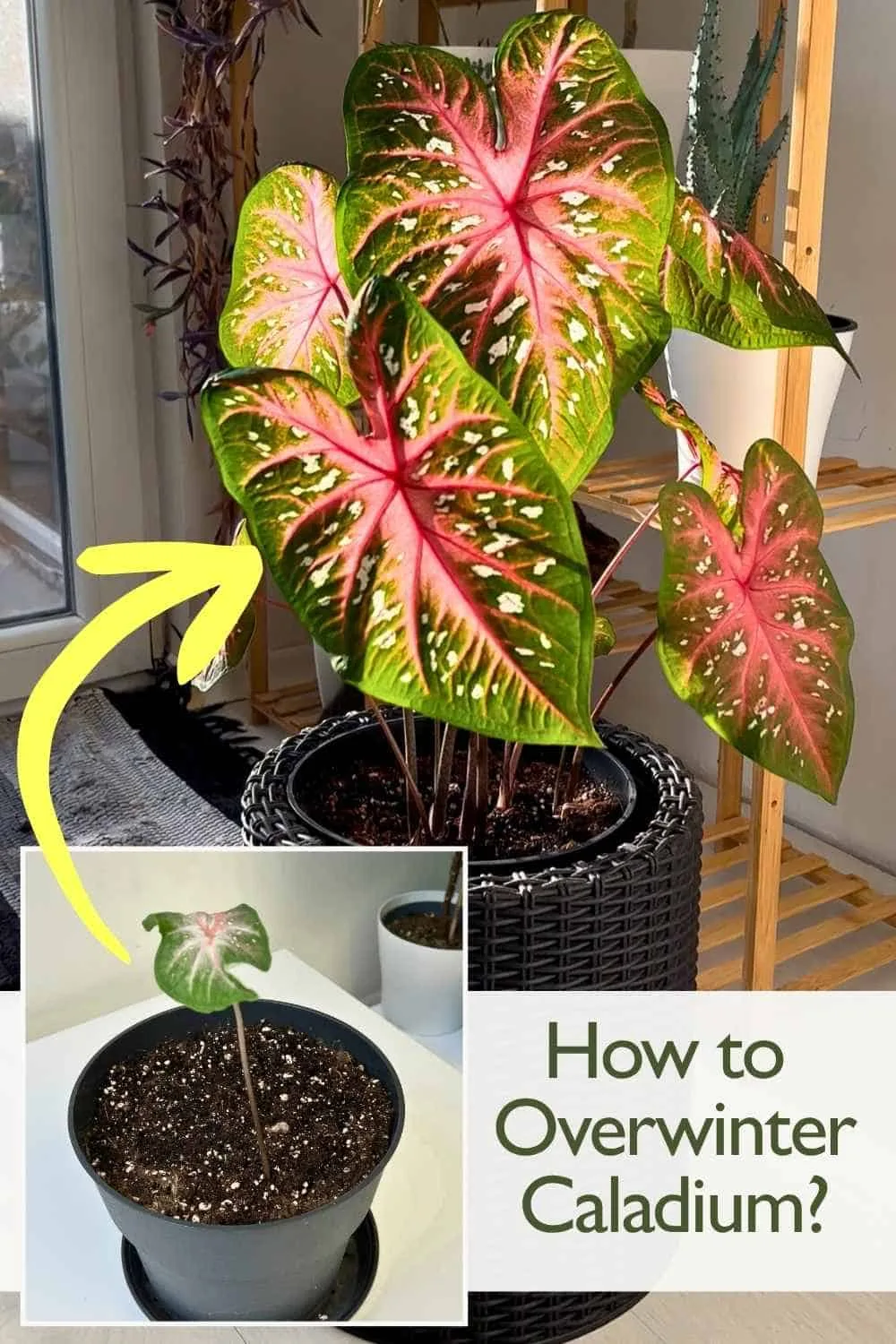
Overwintering caladiums doesn't have to be a gamble. If you've ever dug up a bag of shriveled tubers in spring, you know the frustration. But with the right timing and a simple storage routine, you can save these tropical beauties year after year.
The trick is knowing what your specific situation calls for.
Our research shows that caladium tubers store best at a steady 50, 60°F (10, 15°C), the same range as a typical cool basement. As of 2026, that temperature target is still the gold standard recommended by university extension services. Let's walk through the conditions that decide your next move.
Quick Answer
Dig caladium tubers after the first light frost. Let the foliage die back naturally. Cure them for 7 to 14 days in a warm, dry spot.
Store them in dry peat moss at 50, 60°F. Replant next spring after the soil warms to 70°F.
The Decision Tree: What to Do Based on Your Situation
Your storage method depends on three factors: your USDA hardiness zone, whether the tubers are in the ground or a pot, and how cold your winter gets. Here's how to pick your path.
Branch A: You live in Zone 9 or warmer (or your caladiums live in pots you can move indoors)
If your winter lows stay above 25°F and your soil doesn't freeze, you can leave caladiums in the ground year-round. Just add a thick layer of mulch (4, 6 inches) after the foliage dies back. This works for zones 9, 11 and some protected spots in zone 8b.
If your caladiums are in pots, move the containers into an unheated garage or basement before the first frost. Don't water them through the winter. Let the soil stay bone-dry until spring.
Branch B: You live in Zones 3–8 and your caladiums are in the ground
You need to dig them up. Soil freezes in these zones, and frozen ground kills caladium tubers. Dig after a light frost has yellowed the leaves but before a hard freeze hits.
Follow the digging and curing steps below.
Branch C: You live in Zones 3–8 and your caladiums are in containers
You have two good options. Option one: move the whole container into a cool, dark space (garage, basement, crawlspace) and stop watering. The soil acts as insulation.
Option two: dump the pot, clean the tubers, and store them bare-root using the method in the next section. The bare-root method takes more work but reduces the risk of rot from soggy potting mix.
| Your Situation | Action | Storage Temperature | Notes |
|---|---|---|---|
| Zone 9–11, in ground | Leave in ground, mulch | N/A | Safe if soil doesn't freeze |
| Zone 9–11, in pot | Move pot indoors, stop water | 40–60°F | Dark location best |
| Zone 3–8, in ground | Dig, cure, store bare-root | 50–60°F | Most reliable method |
| Zone 3–8, in pot | Keep pot dry and cool, or bare-root | 50–60°F | Bare-root reduces rot risk |
Step-by-Step: How to Dig, Cure, and Store Tubers Properly
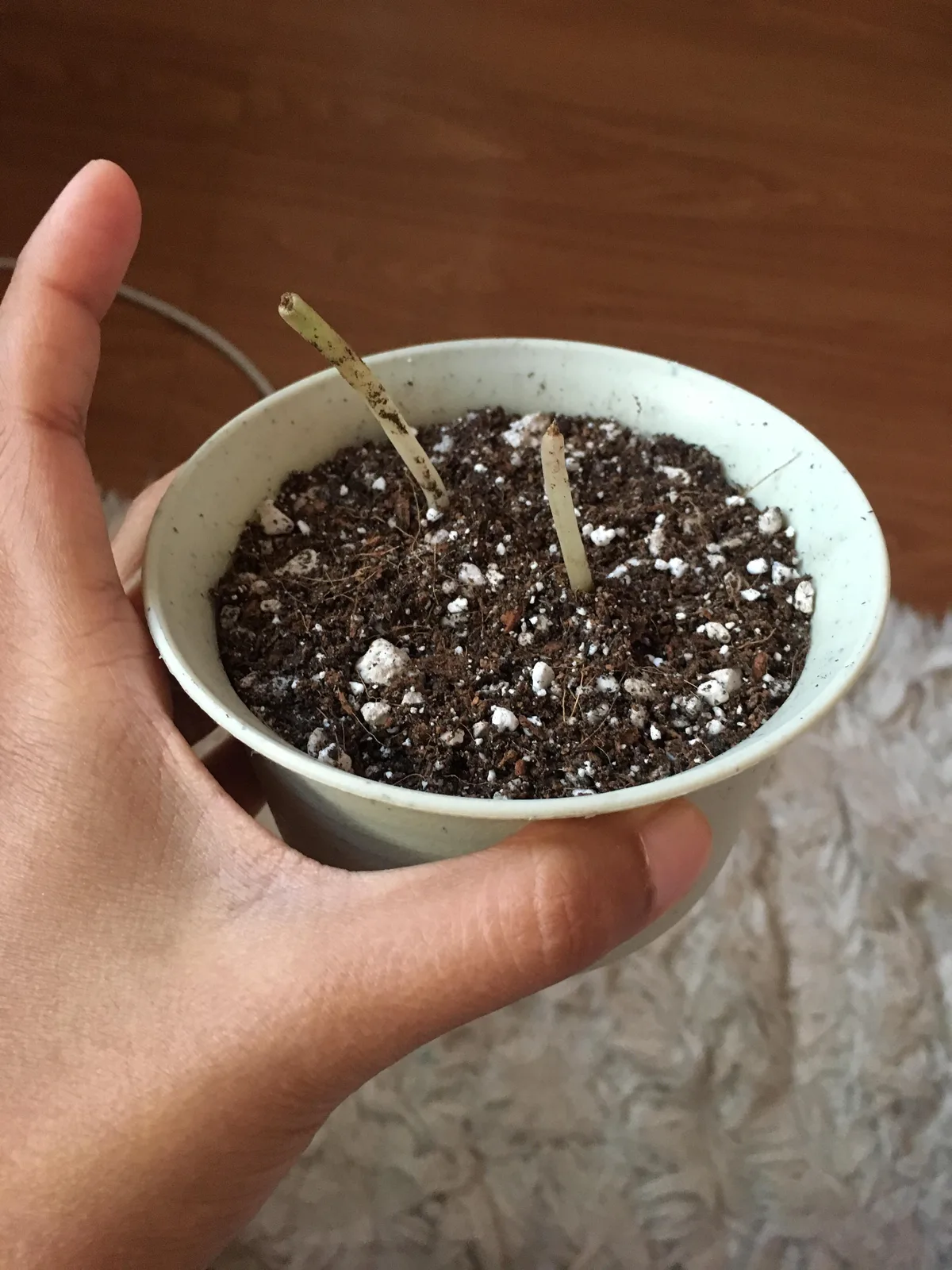
When to dig
Wait until the first light frost has killed the leaves but the ground hasn't frozen yet. The foliage will turn yellow and flop over. That's your signal.
Dig carefully with a garden fork, staying a few inches away from the stem to avoid slicing tubers.
How to cure before storage
Brush off loose soil, don't wash the tubers. Washing introduces moisture that invites rot. Spread them out in a single layer in a warm, airy spot (70, 80°F) out of direct sun.
A garage or covered porch works well. Let them cure for 7 to 14 days. The outer skin should feel dry and papery, not damp.
Packing for winter
Place the cured tubers in a cardboard box or mesh bag. Nestle them in dry peat moss, vermiculite, or dry sand. The medium keeps humidity stable without making them wet.
Do not use plastic bags, they trap moisture and cause rot. Store the container in a dark, cool location that stays between 50°F and 60°F. Check monthly.
Remove any tuber that feels soft or looks moldy.
What Can Go Wrong: Storage Problems and How to Spot Them Early
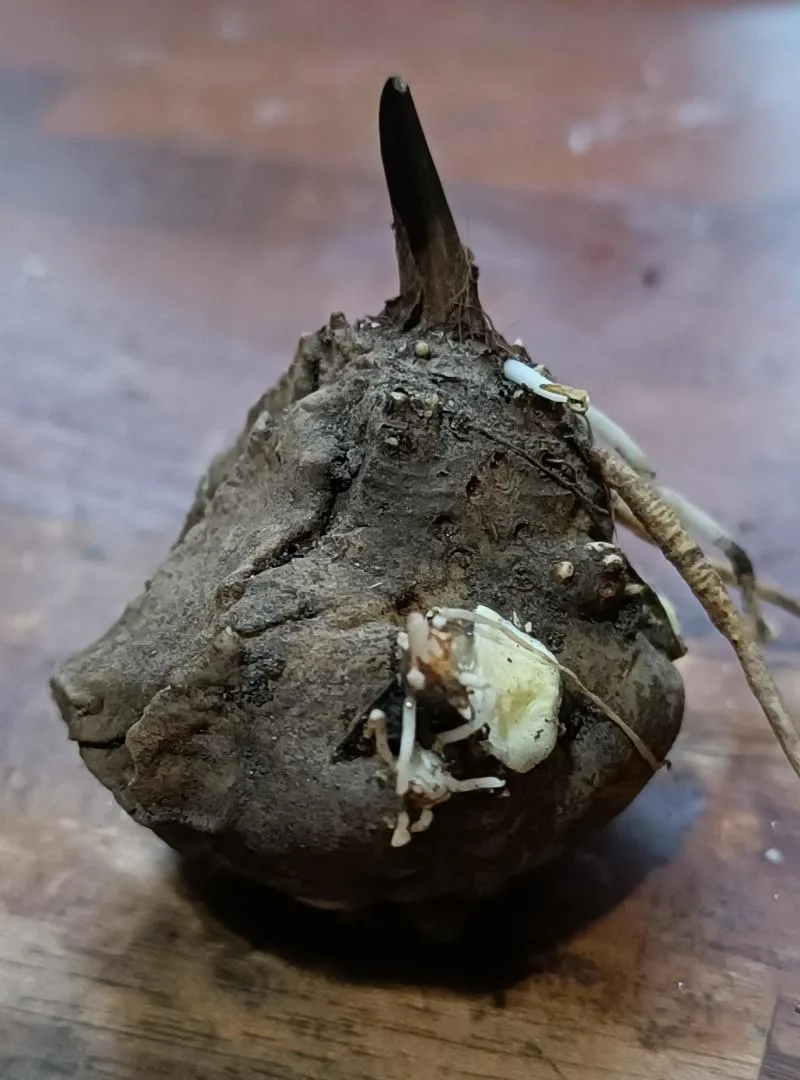
Three problems ruin stored caladiums most often: rot, shriveling, and premature sprouting. Here's how to catch them.
| Problem | What It Looks Like | What Caused It | How to Fix It |
|---|---|---|---|
| Rot | Soft, mushy spots; foul smell | Too much moisture; not cured long enough | Discard affected tubers; improve airflow |
| Shriveling | Wrinkled, lightweight tubers | Storage too dry or too warm | Mist medium slightly; lower temperature |
| Premature sprouting | Green shoots in midwinter | Storage too warm (above 65°F) | Move to a cooler spot (50–55°F) |
Check your stored tubers once a month. If you spot a rotten one, remove it immediately, rot spreads fast inside a box. A shriveled tuber can still recover if you adjust conditions early.
Pro Tips for Better Results Next Season
Labeling and organizing by variety
Caladium tubers look nearly identical once the leaves are gone. Label each variety with a permanent marker on the bag or use a separate box for each color. You'll thank yourself next spring when you can plant them in the right spots.
Pre-sprouting before planting out
About four to six weeks before your last frost date, move the tubers to a warm, bright room (70, 75°F). Place them in shallow trays with a little moist peat moss, eyes facing up. This jumpstarts growth and gives you a head start on the season.
Professional methods: fungicide dusting
Some commercial growers dust tubers with sulfur powder before storage. Sulfur acts as a mild fungicide and helps prevent rot. You can find sulfur dust at most garden centers.
Wear a dust mask and apply a light coating. This step is optional but can improve survival rates in humid storage conditions.
A Note on Zones 9-11: Leaving Caladiums in the Ground Over Winter
If you live in zones 9 through 11, you can skip the digging entirely. Caladiums are tropical perennials, and their tubers survive fine when the soil never freezes. The question is how much winter protection they need.
Apply a 4 to 6 inch layer of mulch after the foliage dies back. Pine straw, shredded bark, or fallen leaves all work well. The mulch insulates the soil and prevents temperature swings that can damage dormant tubers.
This only works if your ground stays above freezing. For zone 8b gardeners on the edge, a hard winter can still kill tubers in the ground. When in doubt, lift a few and store them indoors.
The insurance is cheap.
Container gardeners in warm zones have an easier path. Move pots under a covered porch or into a garage. Stop watering completely.
The tubers stay dormant in the dry potting mix until spring.
But Let's Be Realistic: Is It Worth the Effort?
Let's be honest. Digging, curing, and storing caladium tubers takes about an hour of work in the fall and another hour in the spring. That's a small price when you consider what replacements cost.
A single jumbo caladium tuber sells for $5 to $10 at garden centers. If you're overwintering twenty tubers, you're saving $100 to $200 per year. Named cultivars cost even more.
Some fancy fancy-leaf varieties run $12 to $15 each.
The math gets better every year. Stored tubers often grow larger than the ones you bought, because they've had a full season to bulk up underground. Many gardeners report that second-year tubers produce more leaves and bigger plants.
The main trade-off is storage space. A cardboard box of tubers takes up about a square foot of shelf space for five months. If you have a cool garage or basement, that's an easy trade.
Storage failures do happen. Rot from excess moisture and shriveling from dry air are the two biggest risks. But with monthly checks and the right storage medium, success rates run high.
Most gardeners who try it once keep doing it.
Frequently Asked Questions
Can I overwinter caladiums in their pots?
Yes. Stop watering when the foliage yellows in fall. Move the pots to a cool, dark space that stays between 50°F and 60°F.
Let the soil dry out completely. In spring, bring them into light and resume watering. Watch for rot in pots with heavy, water-retentive soil.
How do I know if caladium tubers are still alive?
Firm tubers with intact skin are almost always alive. Gently squeeze them. Soft or mushy spots mean rot has started.
Shriveled tubers can still recover if the core feels firm. Cut one open if unsure; a living tuber is cream-colored inside. Black or brown centers are dead.
When should I start caladiums indoors?
Start tubers four to six weeks before your last spring frost date. Plant them in moist potting mix with the eyes facing up. Keep them warm at 70°F to 75°F.
Move them outside only after the soil temperature reaches 60°F or higher, usually about two weeks after the last frost.
How long can I keep caladium tubers in storage?
Caladium tubers store well for five to six months, which covers most winter periods. Beyond that, they start to shrivel and lose vigor. If you need longer storage, check them monthly and lightly mist the peat moss if the tubers look dry.
Don't add water directly.
Why do my stored caladium tubers rot?
Moisture is almost always the culprit. Either the tubers weren't cured long enough before storage, or the storage medium was too damp. Plastic bags make it worse by trapping condensation.
Always cure for 7 to 14 days and store in breathable containers with dry peat moss, vermiculite, or sand.