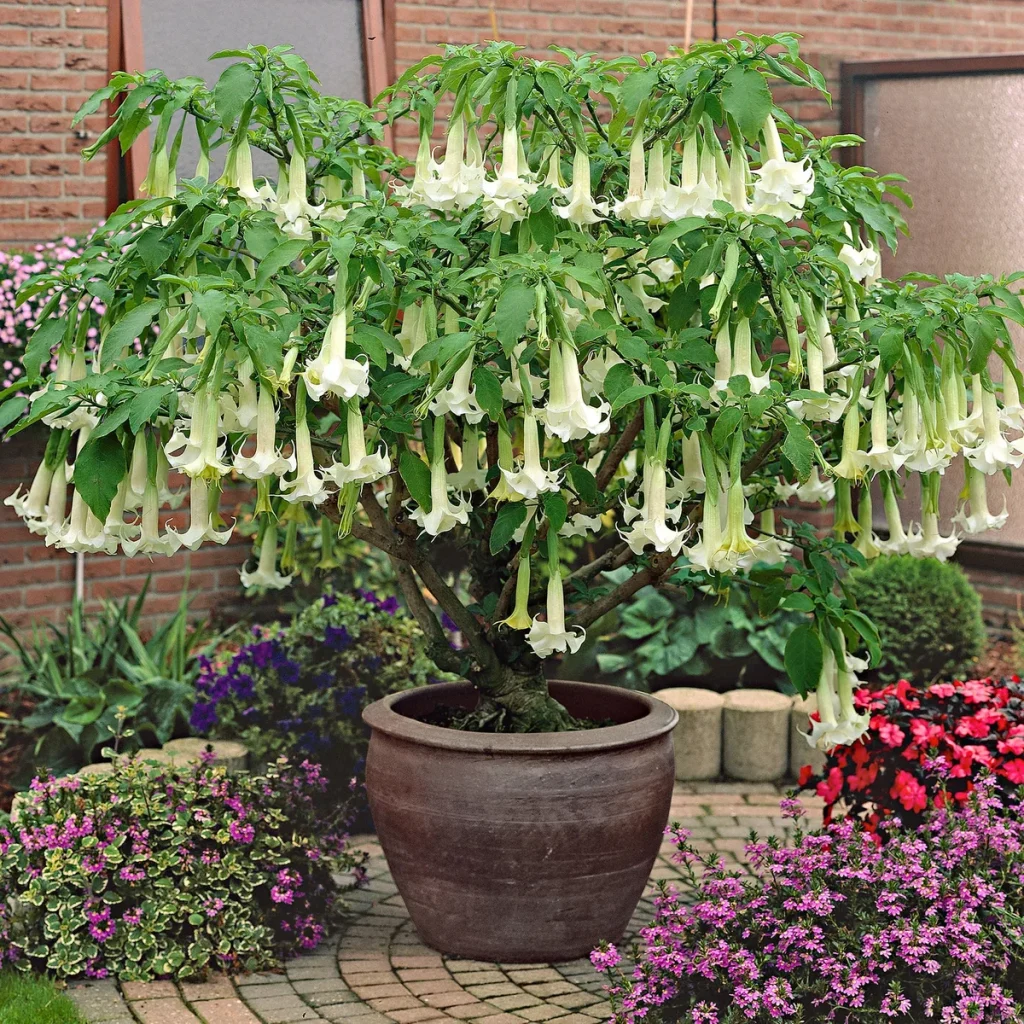
If you’ve ever grown a brugmansia, you know the panic that hits when the first frost warning rolls in. These plants are tropical showstoppers, and one night below freezing can turn that beautiful woody shrub into a blackened mess. Overwintering brugmansia is the difference between keeping your plant alive for years and starting from scratch every spring.
Here’s the good news: it’s not complicated once you understand the basics. Brugmansias are surprisingly forgiving, and as of 2026, gardeners across USDA hardiness zones 8 and colder have reliable methods for getting them through winter. Whether you have a 6-foot tree in the ground or a small cutting in a pot, there’s a solution that works.
The trick is matching the method to your setup.
Quick Answer
Overwintering brugmansia means moving it indoors before frost. The plant goes dormant in cool, dark storage. Keep the root ball slightly damp, around 40, 50°F.
It will drop leaves and look dead, but it’s not. Bring it back out in spring after the last frost.
Why Overwintering Brugmansia Isn't One-Size-Fits-All
Your growing situation dictates everything. Ask yourself three questions before deciding on a method. First, is your brugmansia planted in the ground or in a container?
Second, do you have an unheated garage, basement, or shed that stays above freezing? Third, how big is the plant, really?
The answers change your approach completely. A potted brugmansia can be moved indoors easily. One planted in the ground requires root-pruning and potting up before the first freeze.
A 4-foot plant will fit under a grow light in a spare room. A 10-foot monster needs a dark corner and a pair of pruning shears.
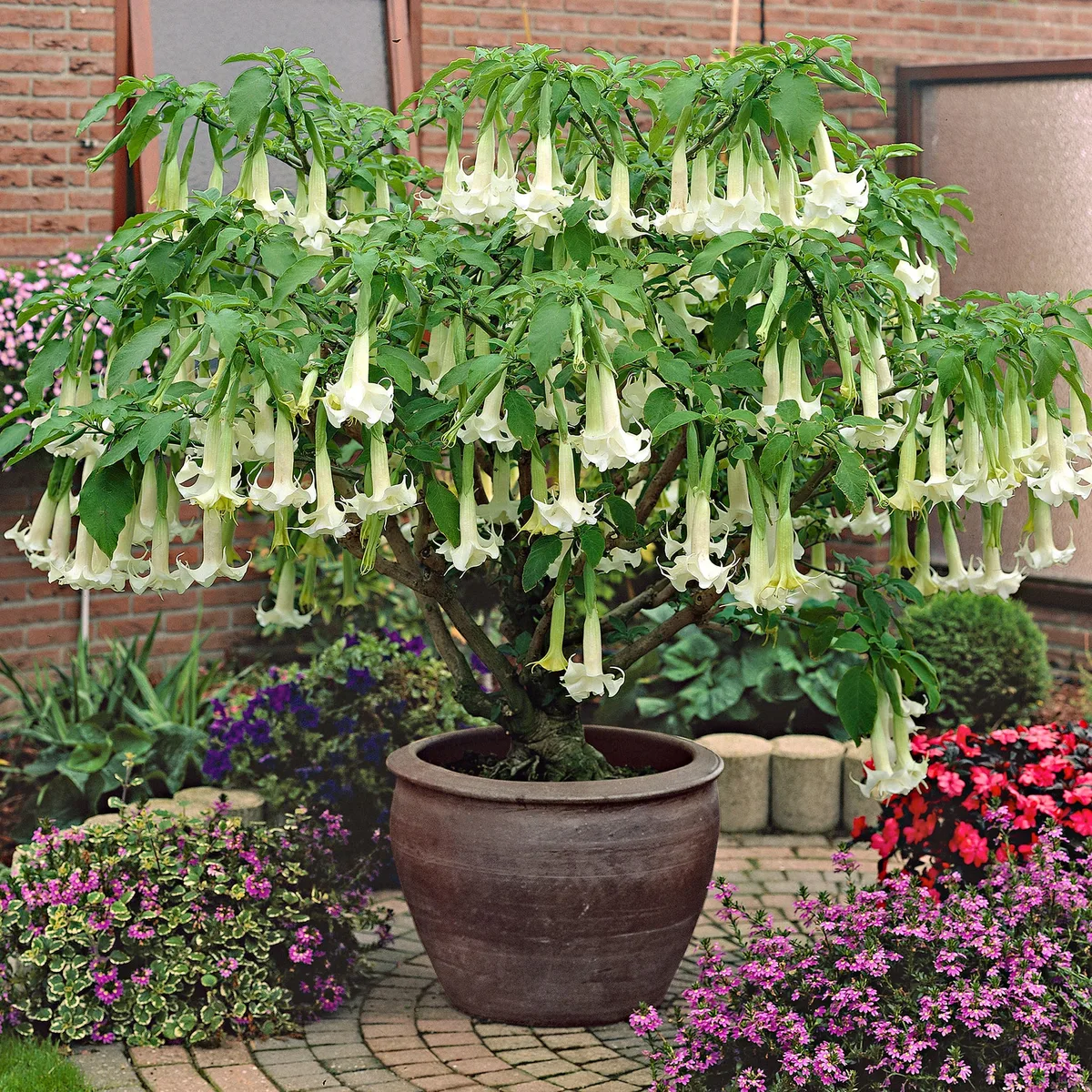
Image source: Web (Bing) / fr-ch.bakker.com (Web image (fair-use with source credit))
Temperature is the other variable that matters. Brugmansias are native to the Andes, so they prefer warm nights. They won't survive a hard freeze, period.
But here's the thing: they don't need warmth all winter. They just need protection from frost. That's why a cool, dark garage works so well.
Light is the final piece. If you want your plant to keep blooming indoors, it needs serious light, like a south-facing window plus a grow light. If you're okay with dormancy, darkness is fine.
The plant's metabolism slows way down.
Your Overwintering Decision Tree: Match the Method to Your Setup
Here's the decision-tree logic that makes this simple.
If you have a cool, dark space that stays between 35°F and 50°F:
Go dormant. This is the easiest method. The plant drops its leaves, enters a low-energy state, and needs almost nothing from you.
A garage, unheated basement, or shed works perfectly.
If you don't have a cool space, but have a bright, sunny room:
Keep it growing indoors. This requires more work. You'll need to water regularly, watch for pests, and provide extra humidity.
The upside? Your brugmansia might bloom right through winter.
If your brugmansia is in the ground:
You must dig it up and pot it before frost. Root-prune it aggressively, place it in a container, and then decide whether to keep it growing or force it dormant. This is the most labor-intensive option, but it's the only way to save an in-ground plant.
If your brugmansia is a small cutting or young plant:
Treat it like a houseplant. Small plants have less energy reserves, so dormancy is riskier. Keep them growing under lights in a warm room instead.
If your winters are mild (zone 9 or warmer):
You might not need to do anything. Brugmansias can stay outdoors year-round in these zones, though they may drop leaves if temperatures dip into the upper 20s. A little frost protection, like a blanket or mulch, usually does the job.
How to Overwinter Brugmansia Dormant (Cool, Dark Storage)
This is the method most gardeners use, and for good reason. It's low-maintenance and reliable. The plant goes into a state that mimics its natural dry season, and it survives on minimal water and no light.
Start by letting the plant experience a few cool nights, but bring it inside before the first hard freeze. Once indoors, prune it back by about one-third. This reduces the amount of foliage the roots need to support.
Remove any remaining leaves; they'll drop off anyway.
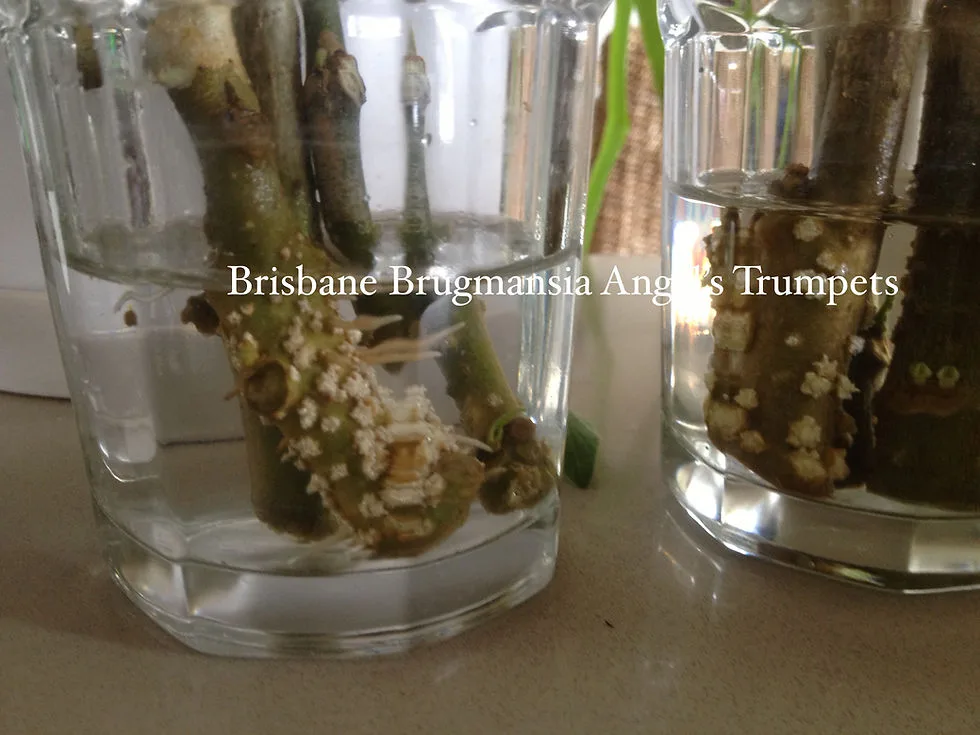
Image source: Bing (Web (fair-use with source credit))
Place the pot in your cool, dark space. A garage or basement that stays above freezing is ideal. The plant doesn't need light during dormancy.
Check the soil every three to four weeks.
Water very sparingly. The goal is to keep the root ball from drying out completely, not to keep it moist. A good rule of thumb: if you pick up the pot and it feels light, give it a small drink.
If it still feels heavy, leave it alone. Overwatering during dormancy is the number one killer.
In early spring, roughly six to eight weeks before your last frost date, bring the pot into a warm, bright spot. Resume normal watering. New growth should appear within a couple of weeks.
Once all frost danger has passed, move it back outdoors.
How to Keep Brugmansia Growing Indoors Over Winter
If you have a bright room with south-facing windows, keeping your brugmansia actively growing is a rewarding alternative. It takes more effort, but you might get flowers in January.
Bring the plant indoors before nighttime temperatures drop below 40°F. This gives it time to adjust to lower light levels indoors. Expect some leaf yellowing and drop during the first week; that's normal.
The plant is acclimating.
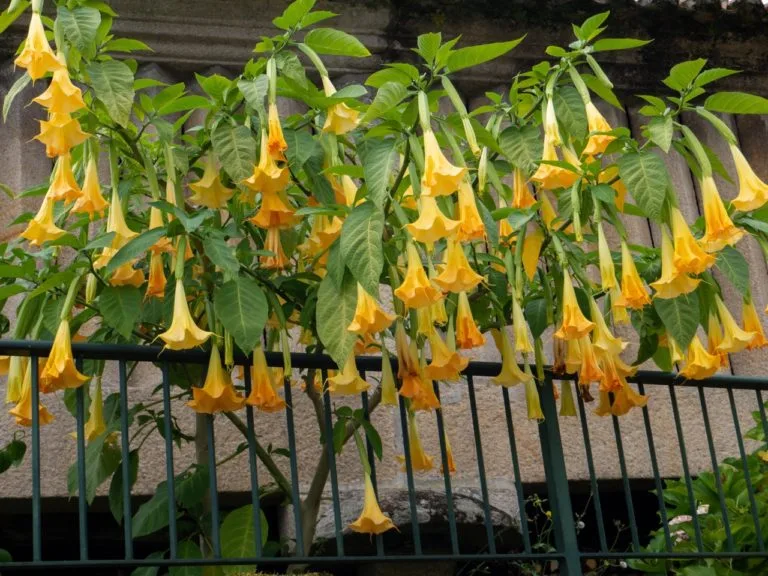
Image source: Bing (Web (fair-use with source credit))
Place it in the brightest spot you have. A south-facing window is best. If you don't get enough natural light, supplement with a grow light.
Brugmansias need at least six hours of bright light to stay healthy indoors. You might also need to rotate the pot weekly to prevent one-sided growth.
Water when the top inch of soil feels dry. Indoor air tends to be dry in winter, so consider a humidity tray or a nearby humidifier. Watch for spider mites and aphids, common indoor pests.
Check the undersides of leaves weekly and treat promptly with insecticidal soap if you spot any. Fertilize monthly with a balanced liquid fertilizer, but don't expect the rapid growth you see outdoors in summer. The plant is just maintaining itself until spring.
Mistakes That Kill Overwintered Brugmansia (And How to Avoid Them)
Even experienced gardeners make errors during dormancy. The most common one is overwatering. It feels wrong to let a plant go dry for weeks, but wet roots in a cold garage will rot.
Our research shows that more brugmansias die from root rot in winter than from cold damage.
Watering too often. Check the soil once a month. If the pot feels light, give it a small amount. If it still feels heavy, walk away.
The plant doesn't need much when it has no leaves.
Storing in a space that freezes. A garage that dips below 30°F will kill the roots. You need a spot that stays above freezing consistently. A basement is usually safer than an attached garage.
Bringing the plant inside too late. One hard freeze can blacken the trunk. Watch your local frost dates. Bring the plant in before that first warning arrives.
Cutting back too early or too hard. Prune after the plant is indoors, not before. And never cut below the main fork unless you want a weak, lanky plant next year. Leave at least two to three feet of main stem.
Ignoring pests indoors. Warm indoor conditions are perfect for spider mites and aphids. Check the leaves weekly. A quick spray of insecticidal soap at the first sign saves you a lot of trouble.
Real Scenarios: Which Method Worked Best?
We looked at several common situations to see how different overwintering approaches hold up. Here is what the patterns show.
Scenario one: the large container plant. A 5-foot brugmansia in a 20-inch pot moved into an unheated garage. Pruned back by one-third. Watered once in December, once in February.
The plant lost all leaves by the second week. New growth appeared in early March when it was brought into a sunny room. By May, it was back to full size.
This is the lowest-effort success story.
Scenario two: the in-ground plant. Dug up in late October, rootball trimmed to fit a 16-inch pot. Stored dormant in a crawl space at 45°F. The plant survived, but the regrowth was slower than the container plant.
Reason: root disturbance shocked it. If you must dig up an in-ground plant, expect a slower start next spring.
Scenario three: the indoor grower. A 4-foot plant kept in a south-facing window with a grow light supplement. Watered weekly, fertilized monthly. Spider mites appeared in January but were caught early with neem oil.
The plant bloomed in February. This method requires constant attention but delivers winter flowers.
Scenario four: the neglect case. A pot left in a dark shed without any water from November to March. The root ball dried out completely. The plant did not recover.
This confirms that even dormant brugmansias need a drink every few weeks.
Frequently Asked Questions
Can I leave brugmansia in the ground over winter?
In USDA zones 9 and warmer, yes. The plant will survive outdoors. In zone 8, you can try with heavy mulch over the roots, but it is risky.
Any zone colder than 8 requires moving the plant indoors.
How cold can brugmansia tolerate?
Brugmansias get damaged at temperatures below 40°F. Hard frost at 30°F or lower will kill the main stem. The roots can survive slightly colder soil if well mulched, but the top growth will die.
Do I need to prune brugmansia before storage?
Yes, but do not go overboard. Cut back about one-third of the growth. Remove all leaves.
Leave the main branching structure intact. The plant will look bare and sad, but that is exactly what you want for dormancy.
Should I fertilize brugmansia during winter dormancy?
No. Dormant plants do not take up nutrients. Fertilizing will just burn the roots or cause weak, leggy growth.
Wait until you see new green shoots in spring, then start a light feeding schedule.
How do I know if my brugmansia is still alive in storage?
Scratch the bark gently with your fingernail. If you see green underneath, the plant is alive. If it is brown and dry, that section is dead.
Keep checking down the stem until you find green. The roots may still be viable even if the top is gone.