Overwintering begonias sounds harder than it is. The panic usually comes from not knowing which method fits your plant. Every begonia falls into one of two camps: those that want to sleep through winter, and those that want to keep growing.
Get that part right, and the rest is straightforward.
In our research, the most reliable guidance comes from university extension services. They recommend matching your approach to the root system, not the flower color. As of 2026, the USDA Plant Hardiness Zone Map remains the standard reference for deciding whether winter will threaten your plants.
So let's sort out your begonia type first.
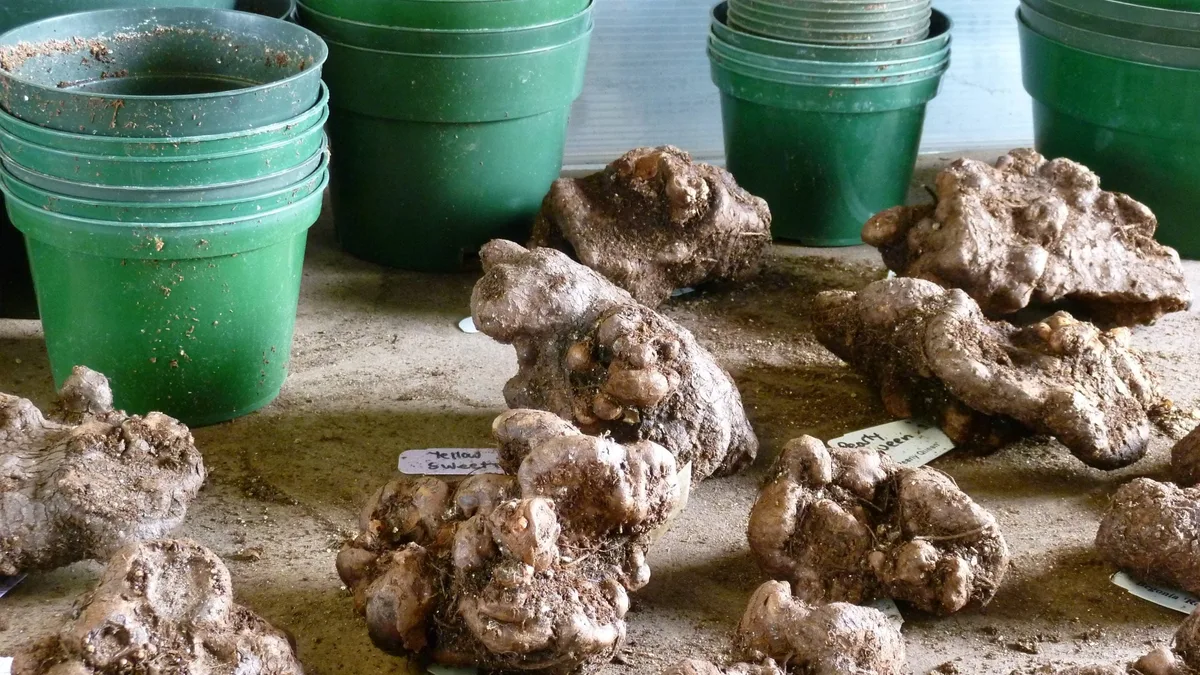
Image source: Web (Bing) / thearches.co.uk (Web image (fair-use with source credit))
Quick Answer: It All Comes Down to Your Begonia Type
Overwintering begonias means moving tender plants indoors before frost. Tuberous types need dormancy, so lift the tubers and store them cool. Fibrous and cane types don't, so bring the pots inside and grow them as houseplants.
Match the method to your begonia type.
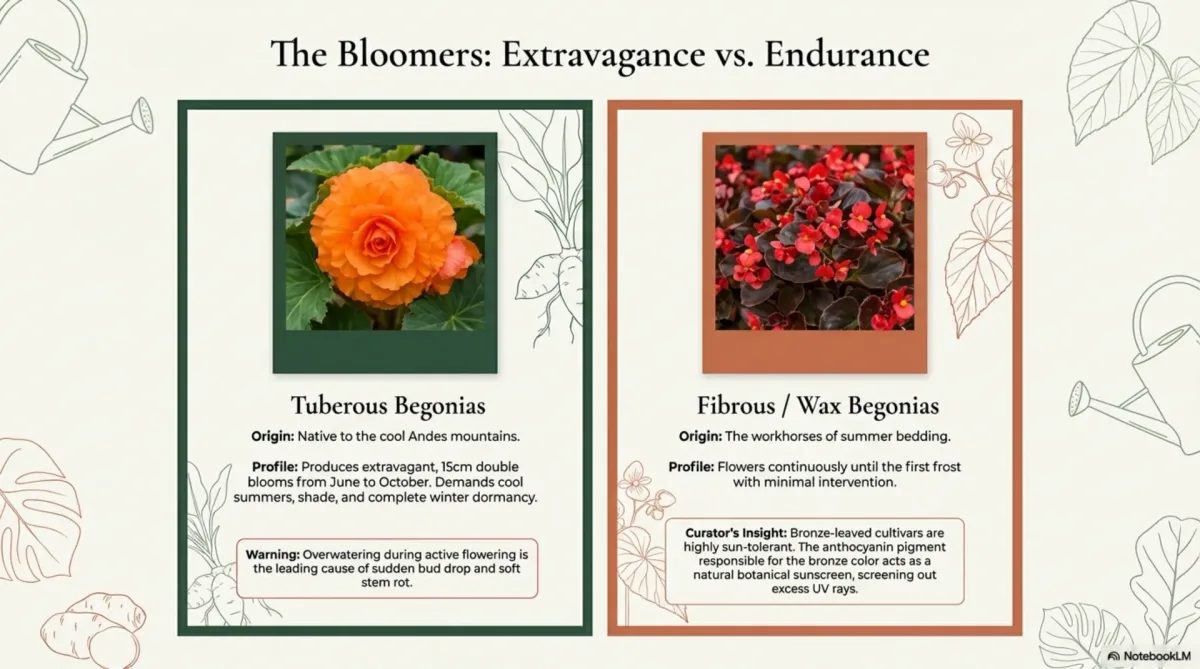
Image source: Web (Bing) / bloomingexpert.com (Web image (fair-use with source credit))
Why Overwintering Begonias Feels Tricky (And Why It Doesn't Have To Be)
Why does this topic trip up so many gardeners? Because begonias aren't one plant. The name covers three different root systems with three different winter needs.
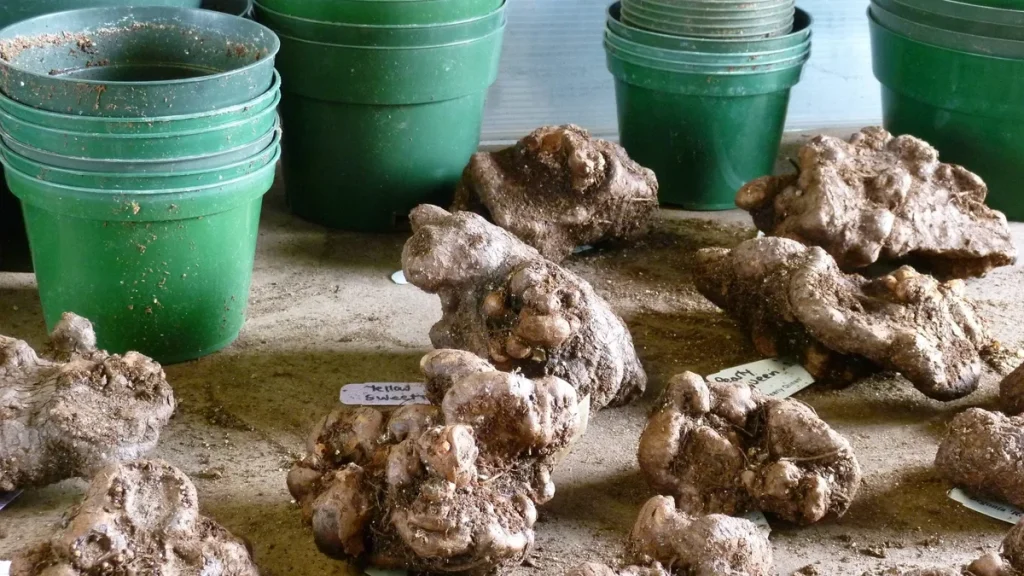
The first trap is naming. Tuberous begonias are the big-flowered upright and trailing plants sold in garden centers every spring. They grow from fleshy underground tubers, and those tubers absolutely cannot survive freezing soil.
Fibrous begonias, including the common wax begonia, have regular fibrous roots. They do fine as houseplants. Cane and rhizomatous types, like angel wings and rex begonias, are tropical by nature.
They never need a true dormant season.
The second trap is climate. As of 2026, the USDA Plant Hardiness Zone Map remains the standard reference for knowing whether your ground freezes. Gardeners in zones 2 through 7 almost always need to lift tender tubers.
Gardeners in zones 8 through 10 can often mulch and leave them in place. But zones don't tell the whole story. A cold, wet winter in zone 7 can rot tubers that would survive a dry one.
The third trap is bad advice. Treat all three types the same and you'll lose plants. In our research, the most consistent guidance comes from university extension horticulturists.
University of Minnesota Extension recommends the same decision tree: identify the root system first, then choose the matching wintering method. Follow that branch, and the process becomes simple.
Also, many gardeners treat begonias like annuals and toss them. That's understandable, but it's also wasteful. A healthy tuber can live and bloom for years if stored correctly.
The confusion is normal, but the logic underneath is genuinely simple.
Your Three Overwintering Options (And When Each Makes Sense)
If your begonia is tuberous and your winters are cold, lifting and storing is the most dependable route. If your begonia is fibrous, cane, or rhizomatous, bringing the pot indoors is far easier. If you're short on space or want more plants for free, cuttings are the smart play.
Here's the same choice in table form.
| Method | Best for | Winter requirements |
|---|---|---|
| Lift and store | Tuberous begonias | Dry storage at 40 to 50°F |
| Bring indoors | Fibrous, cane, rhizomatous | Bright window or grow light |
| Take cuttings | Fibrous and cane types | Small propagation tray, bright light |
Who should pick which method? Let's break it down.
- Choose lift and store if you have tuberous begonias in a cold zone. It preserves the exact plant you grew. Tubers also get bigger and bloom more heavily each year.
- Choose bring indoors if you have wax begonias, angel wings, or rex begonias. It's the least labor, and many types bloom all winter with enough light.
- Choose cuttings if you don't have space for full plants. One healthy mother plant can yield a dozen cuttings, and young plants are easier to keep compact.
One note on tuberous begonias: they can be kept growing indoors, but they rarely flower well without a rest. The foliage turns sparse, and the plant sulks. That's why most experts prefer storing the tubers.
Fibrous and cane begonias don't need that rest period. Treating them like a standard houseplant works beautifully.
What about hanging baskets? You can hang them in a bright indoor spot and treat them as houseplants. Just be ready for some leaf drop while they adjust to lower light.
How to Do Each Method (The Practical Walkthrough)
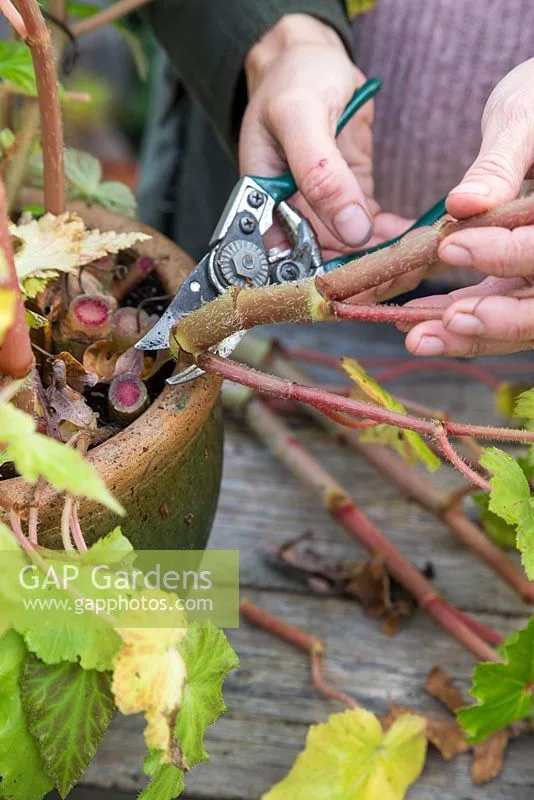
Image source: Web (Bing) / gapphotos.com (Web image (fair-use with source credit))
Let's walk through all three methods. Each one takes about thirty minutes of actual work, plus some waiting. Before night temperatures drop below 50°F, all begonias need to come inside or get lifted.
Frost is not the only danger. Prolonged cool, damp soil can damage roots too.
The tools are basic: garden fork, clean pruners, cardboard box, peat moss or perlite, and a cool dark spot.
Lift and Store Tuberous Begonias
- Wait until the first frost blackens the foliage. This signals the tuber to go dormant. Don't rush this step.
- Cut the stems back to 2 to 3 inches above the soil. Leave a small stub so the tuber isn't exposed.
- Gently dig around the root ball with a garden fork. Lift from underneath. Piercing the tuber invites rot.
- Shake off loose soil. Let the whole clump cure in a warm, dry spot for 1 to 2 weeks. This step is non-negotiable.
- Brush off remaining soil. Trim the dried stems back to the tuber.
- Dust with sulfur powder if you've had rot problems in the past.
- Pack tubers in dry peat moss or perlite inside a cardboard box. Keep them separated.
- Store at 40 to 50°F (4 to 10°C). An insulated garage, basement, or cool closet works.
- Check monthly. Remove soft, moldy, or shriveled tubers before problems spread.
Bring Begonias Indoors as Houseplants
- Dig up the plant or move its pot inside before night temperatures drop below 50°F.
- Cut the plant back by one-third. This reduces stress and helps it fit a windowsill.
- Inspect the leaves and soil for pests. Wipe down leaves with a damp cloth.
- Place in bright, indirect light. South or east-facing windows work best.
- Water only when the top inch of soil dries out. Begonias hate sitting in soggy soil.
- Resume normal feeding in late winter or early spring.
Take Cuttings for Next Spring
- In late summer, snip a 3 to 4 inch stem tip from a healthy plant.
- Remove the lower leaves, leaving two on top.
- Dip the cut end in rooting hormone if you have it. It speeds things up but isn't required.
- Stick the cutting into moist potting mix.
- Cover with a clear plastic bag or dome to hold humidity.
- Set in bright, indirect light. Roots usually form in 2 to 4 weeks.
- Once rooted, pot each cutting individually and grow it under bright light through winter.
The Mistakes That Kill Dormant Begonias (And How to Avoid Them)
Most overwintering failures come from a handful of avoidable errors. Here are the ones we see most often in aggregate grower reports and extension service advice.
- Storing tubers while wet. Damp tubers rot. Always cure them for at least a week before packing them away.
- Keeping them too warm. At room temperature, tubers sprout early. Those sprouts usually look weak and leggy.
- Digging too early. If foliage is still green, the tuber hasn't finished storing energy. Wait for frost or natural die-back.
- Ignoring them all winter. A monthly check catches mold before it destroys the whole batch. Set a reminder.
- Treating fibrous begonias like tubers. Lifting wax begonias and letting roots dry out kills them. Keep them potted and barely moist instead.
Here's a quick troubleshooting table for stored tubers.
| Symptom | Likely cause | Fix |
|---|---|---|
| Mushy tubers | Too much moisture | Cut away rot, dust with sulfur, dry better |
| Shriveled tubers | Storage too dry | Mist lightly, move to slightly more humid spot |
| Premature sprouts | Storage too warm | Move to cooler location, 40 to 50°F |
| Mold in storage | Poor airflow | Remove affected tubers, open container slightly |
If you store tubers in a spare refrigerator, keep them away from apples and bananas. Ripening fruit releases ethylene gas, which can trigger early sprouting. That's a small but real risk.
Another hidden mistake: bringing pests indoors with the plant. Aphids, whiteflies, and spider mites love to hitchhike on begonias. Inspect the undersides of leaves and quarantine new plants for a week.
Also, don't kill a tuber with kindness. Overwatering a dormant tuber is the number one cause of loss.
Frequently Asked Questions About Overwintering Begonias
Here are the questions we hear most from gardeners facing their first winter with begonias.
Can I overwinter begonias indoors as houseplants?
Yes, if they're fibrous, cane, or rhizomatous types. Tuberous begonias can survive indoors too, but they rarely bloom well without a dormant rest. Keep them near a bright window and cut back on watering.
Expect some leaf drop while they adjust to lower indoor light.
When should I dig up tuberous begonias?
Wait until the first frost blackens the foliage. This triggers dormancy and helps the tuber store energy for next season. Digging too early means a weaker tuber that may shrink or rot in storage.
Check the forecast and dig before heavy rain saturates the soil.
How cold is too cold for begonias?
Night temperatures below 50°F (10°C) stress most begonias. Frost at 32°F (0°C) kills exposed foliage and can damage tubers. Bring plants inside or lift them well before these levels arrive.
A simple frost blanket is a stopgap, not a winter solution.
How long do stored begonia tubers last?
Healthy tubers keep for three to five months in proper storage. Some gardeners extend dormancy longer, but sprouting usually begins as spring approaches. Check monthly and remove soft or moldy specimens.
Firm, plump tubers are the ones that wake up reliably.
Do I need to water stored begonia tubers in winter?
No, it's not needed. Stored tubers go fully dormant and must stay dry, save for the humidity in their storage medium. If a tuber shrivels, lightly mist the peat moss and recheck in a few days.
Then leave them alone until spring.
Can I take begonia cuttings in fall?
Yes, but late summer is the better window. Take 3 to 4 inch stem tips, remove lower leaves, and root them in moist potting mix. Cuttings are a space-saving way to overwinter fibrous and cane types.
They'll be ready to transplant by spring.