If you've been battling grubs in your lawn or fungus gnats in your houseplants, you know how frustrating it gets. You spray something, it sort of works, but you worry about chemicals around your kids or pets. That's where nematodes as organic pest control come in.
Beneficial nematodes are microscopic roundworms that hunt and kill over 200 soil-dwelling pest species. One standard packet covers roughly 2,000 square feet of garden or lawn. As of 2026, they remain one of the most targeted biological controls available, and they're exempt from EPA residue tolerance limits.
Let's walk through exactly what they are and when they make sense for you.
Quick Answer
Beneficial nematodes are living organisms that kill soil-dwelling pests naturally. You apply them as a liquid drench to moist soil. They enter pest larvae and release bacteria that cause death within 48 to 72 hours.
They are safe for people, pets, plants, and bees. Use them when soil temperatures stay between 48°F and 75°F.
What Are Beneficial Nematodes and When Should You Use Them?
Beneficial nematodes belong to two main genera: Steinernema and Heterorhabditis. They are not the same nematodes that attack plant roots. These are entomopathogenic nematodes, meaning they infect and kill insects.
In our research, they are one of the most effective biological controls for soil-borne pests.
These organisms work by finding pest larvae in the soil. They enter through natural openings like the mouth or anus. Once inside, they release symbiotic bacteria that multiply rapidly.
The pest dies within two to three days, and the nematodes reproduce inside the carcass, releasing more infective juveniles into the soil.
So when should you reach for nematodes? Use them when you have a confirmed pest problem in your soil. They work best for grubs, root weevils, fungus gnat larvae, and cutworms.
They do not work on above-ground pests or adult insects. If you see damage but haven't dug up the soil to find the culprit, do that first. Nematodes are not a general-purpose spray.
They are a targeted biological weapon.
| Nematodes Will Work | Nematodes Will Not Work |
|---|---|
| White grubs in lawns | Adult beetles or moths |
| Fungus gnat larvae in pots | Aphids on leaves |
| Root weevil larvae in berry patches | Caterpillars on foliage |
| Cutworms in vegetable beds | Spider mites |
| Thrips pupae in greenhouse soil | Slugs and snails |
The best time to use them is when pest larvae are actively feeding. That is usually spring and fall for most grubs, and anytime during the growing season for indoor pests. If the soil temperature is below 42°F or above 95°F, the nematodes become inactive or die.
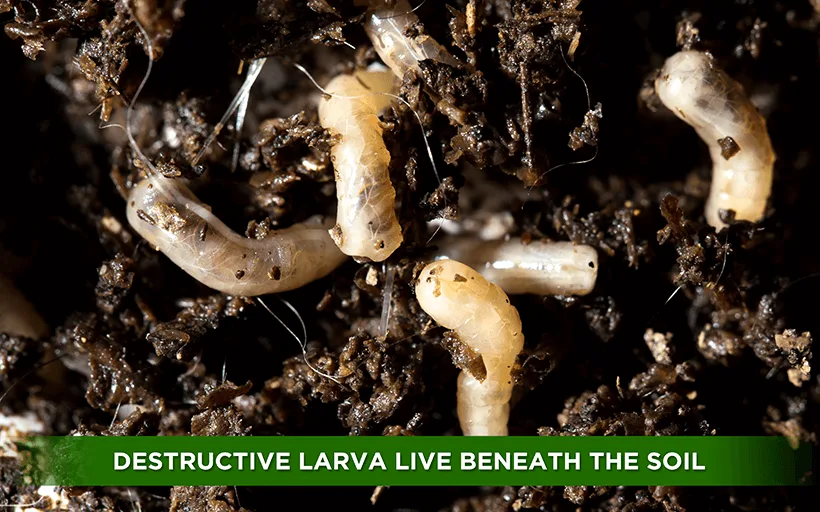
Image source: Bing (Web (fair-use with source credit))
First Decision: Which Nematode Species Matches Your Pest?
This is the most important step. Not all beneficial nematodes target the same pests. Using the wrong species is like bringing a fishing rod to a rabbit hunt.
It just will not work.
There are three main species you will encounter. Each has a different hunting strategy and temperature preference.
Steinernema feltiae is the best choice for fungus gnat larvae and thrips pupae. It tolerates cooler soil, down to about 42°F. It uses an ambush strategy, meaning it stays near the soil surface and waits for passing prey.
This makes it ideal for potting soil and greenhouse benches.
Steinernema carpocapsae also uses an ambush strategy. It targets surface-dwelling pests like cutworms, armyworms, and webworms. It prefers temperatures between 50°F and 85°F.
If you find caterpillars or grubs near the soil surface in your lawn or garden, this is the species to use.
Heterorhabditis bacteriophora is a cruiser. It actively swims through the soil searching for deeper-dwelling pests like white grubs and root weevils. It prefers warmer soil, typically above 55°F.
It is more aggressive than the Steinernema species and works well for established lawn grub problems.
| Species | Hunting Strategy | Best For | Soil Temp Range |
|---|---|---|---|
| S. feltiae | Ambush (near surface) | Fungus gnats, thrips | 42°F–85°F |
| S. carpocapsae | Ambush (surface) | Cutworms, armyworms | 50°F–85°F |
| H. bacteriophora | Cruiser (active searcher) | White grubs, root weevils | 55°F–95°F |
Aggregate reviews from university extension services confirm that matching the species to the pest is the single biggest factor in success. If you are unsure which pest you have, dig up a few larvae and take a photo. Most cooperative extension offices offer free identification.
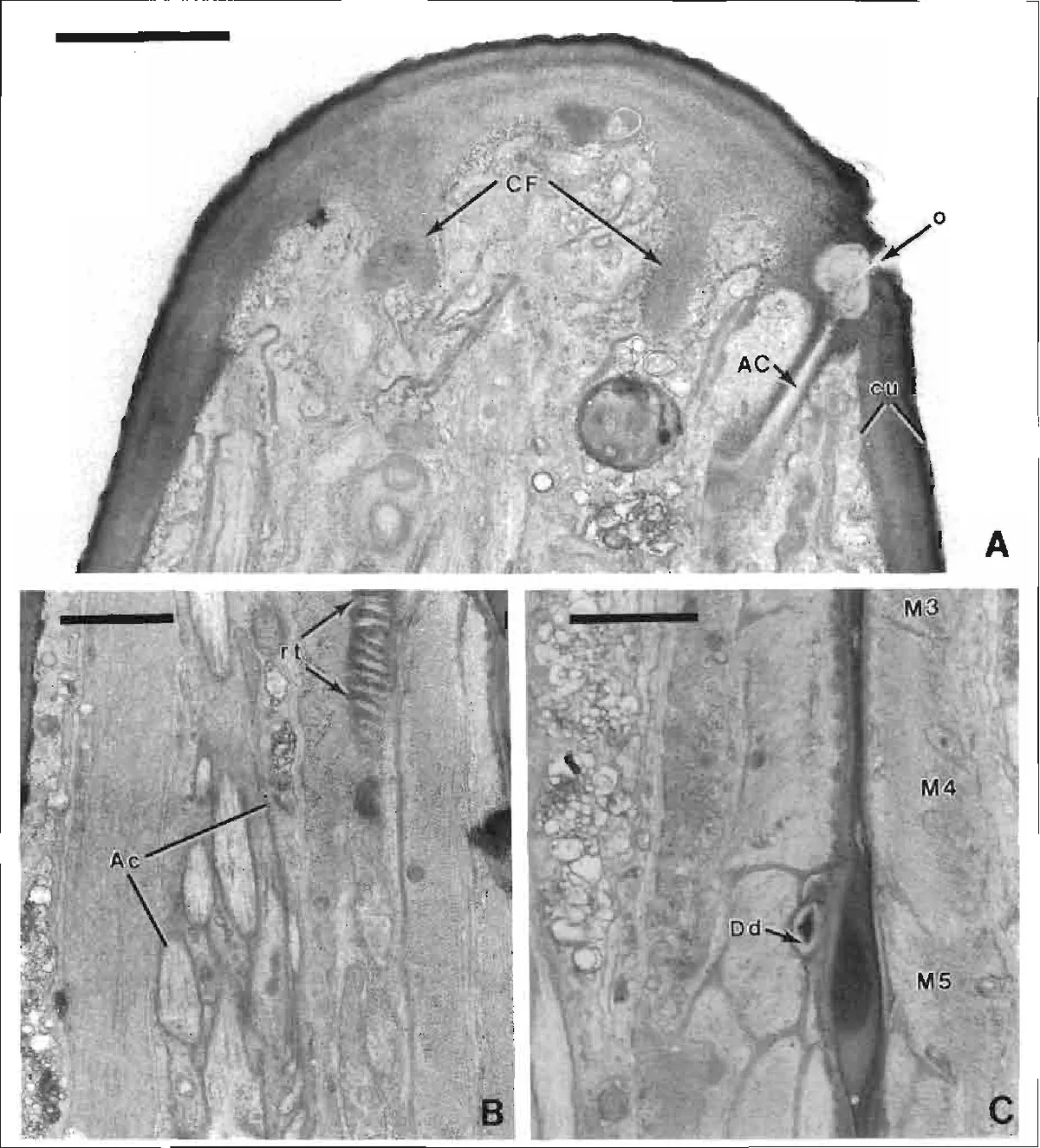
Image source: Web (Bing) / semanticscholar.org (Web image (fair-use with source credit))
The Critical Conditions: Soil Temperature, Moisture, and Timing
Nematodes are living creatures with non-negotiable requirements. Ignore these conditions and you might as well dump the packet on your driveway.
Soil temperature must be within the active range for your chosen species. Use a soil thermometer. Insert it two to four inches deep, which is where the larvae live.
If it is too cold, the nematodes become sluggish and fail to infect. If it is too hot, they die within hours. For most applications, aim for 48°F to 75°F.
- S. feltiae: active from 42°F to 85°F
- S. carpocapsae: active from 50°F to 85°F
- H. bacteriophora: active from 55°F to 95°F
Moisture is just as critical. Nematodes need a film of water to swim through the soil particles. If the soil is dry, they cannot move.
They will desiccate and die. Before you apply, water the area thoroughly. The soil should feel damp but not waterlogged.
After application, water again lightly to wash the nematodes off plant leaves and into the soil.
Timing matters for two reasons. First, you need to apply when pest larvae are present and actively feeding. For most grubs, that is late summer to early fall, or early spring before they pupate.
Second, you need to apply in the early morning or late evening. UV radiation from direct sunlight kills nematodes within minutes. Overcast days are ideal.
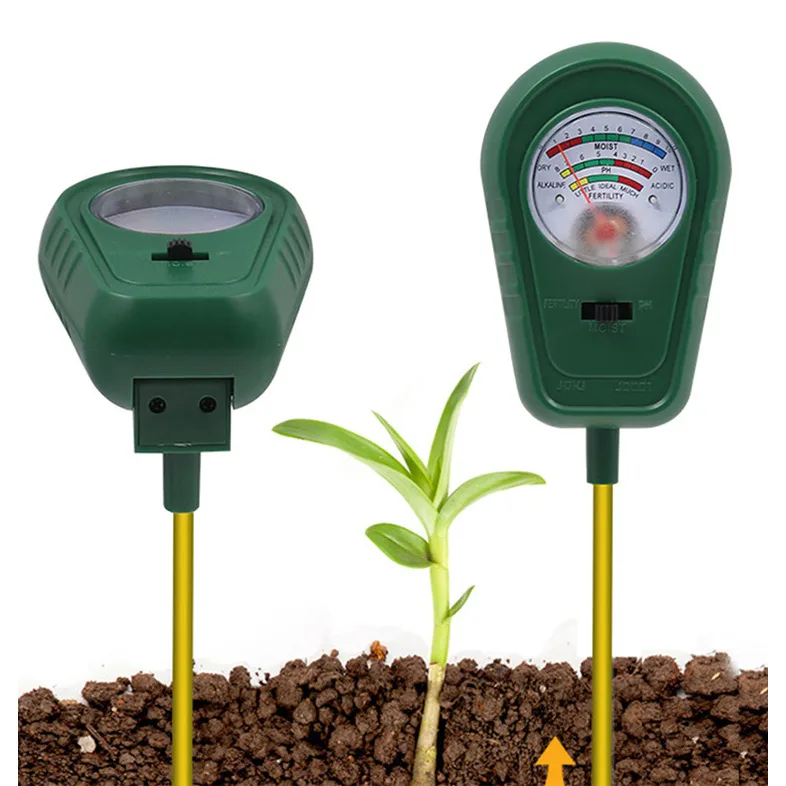
Image source: Web (Bing) / shopee.com.my (Web image (fair-use with source credit))
Manufacturer specifications indicate that a single application can remain effective for up to two weeks in moist, shaded soil. But if conditions are not right, you will see zero results.
Step-by-Step Application Process: From Packet to Soil
Applying nematodes is straightforward, but the details matter. Here is the process we recommend based on manufacturer guidelines and verified user feedback.
Step 1: Prepare the soil. Water the target area thoroughly one to two hours before application. The soil should be moist to a depth of at least two inches. Dry soil is the number one reason treatments fail.
Step 2: Mix the nematodes. Open the packet and dump the contents into a clean bucket of room-temperature water. Use filtered or dechlorinated water if possible. Chlorine kills nematodes.
Let the mixture sit for five minutes. Stir gently to break up any clumps.
Step 3: Fill your sprayer. Pour the mixture into a garden sprayer or hose-end sprayer. Remove any fine filter screens from the sprayer nozzle. A 50-mesh screen will clog with the nematode carrier material.
Use a nozzle with openings larger than 0.5 millimeters.
Step 4: Apply evenly. Spray the entire infested area with an even, gentle mist. Do not use a jet sprayer. The force can injure nematodes and blow them off target.
Walk at a steady pace. Cover every square foot.
Step 5: Water in lightly. Immediately after application, water the area again with a gentle sprinkler or watering can. This washes the nematodes off leaf surfaces and into the soil where they need to be.
Step 6: Keep moist for one week. The soil must stay damp for at least seven days after application. If it dries out, the nematodes will die before they find their hosts. Water lightly every two to three days if there is no rain.
The whole process takes about 30 minutes for a standard lawn. Most packets cover 2,000 to 4,000 square feet. Mix only what you can use within two to four hours.
Nematodes in the bucket start to die after that.
Common Mistakes to Avoid (And What Happens When You Make Them)
People make the same mistakes over and over. Here are the most common ones and how to avoid them.
Mistake 1: Buying dead nematodes. Nematodes are living organisms. If the packet sat on a warm shelf at the store for weeks, most of them are dead. Always check the expiration date.
Buy from a reputable supplier that ships with cold packs. When you open the packet, the carrier material should look slightly damp, not bone dry.
Mistake 2: Targeting the wrong life stage. Nematodes only kill larvae. They do not kill eggs, pupae, or adults. If you apply them when the pests have already turned into beetles or moths, you will see no effect.
Confirm that larvae are present in the soil before you spend money on nematodes.
Mistake 3: Applying in direct sunlight. This is the fastest way to waste your money. UV light kills nematodes in minutes. Apply in the early morning or late evening.
Overcast days are even better. If you must apply during the day, water thoroughly before and after to create shade and moisture.
Mistake 4: Expecting instant results. Nematodes take time. You will not see dead pests on the surface. The larvae die in the soil over the course of three to seven days.
You confirm success by digging up soil after two weeks and finding fewer larvae. Do not re-treat too early. Wait at least two weeks between applications.
Mistake 5: Using incompatible chemicals. Some fungicides and fertilizers kill nematodes. Copper-based fungicides are especially toxic. Check the label of any product you have applied recently.
If you are not sure, wait two weeks after the last chemical application before applying nematodes.
Mistake 6: Applying to waterlogged soil. Nematodes need oxygen. Saturated soil drowns them. If the soil is muddy or standing water is present, wait for it to drain.
Apply when the soil is moist, not flooded.
If your treatment fails, go back through this list. The most common reason is that the soil was too dry or the application was done in full sun. The second most common reason is that you used the wrong species for the pest.
Check both before buying more product.
Real-World Example: Nematodes on a Canadian Lawn
A homeowner in Ontario noticed patches of dead turf in early April 2025. The soil temperature was 44°F at two inches deep. That is too cold for most nematode species, but the homeowner had a specific pest.
They dug up the soil at the edge of a dead patch and found small white C-shaped grubs. A local extension service identified them as European chafer larvae. These grubs overwinter deep in the soil and move up to feed in early spring.
The homeowner waited until the soil hit 48°F, which took about two weeks. They chose Steinernema feltiae because it tolerates cooler soil than other species. They applied the nematodes on a cloudy morning after a heavy rain kept the ground moist.
The treatment covered 3,000 square feet of lawn. They used a hose-end sprayer with the filter removed. After application, they watered the lawn lightly for ten minutes.
Three weeks later, they checked the soil again. They found fewer than five grubs per square foot, down from an estimated 30 per square foot before treatment. The dead patches started to green up by week four.
The key lesson here is patience and timing. Cool soil meant a longer wait for results. The nematodes were active but slower than they would be in warmer soil.
The homeowner planned a follow-up application for early fall when the next generation of grubs would be small and feeding near the surface.
Nematode FAQs
How long do beneficial nematodes live in the soil?
They survive two to four weeks in moist soil at optimal temperatures. If host larvae are present, they reproduce inside the host and release more nematodes. That extends their effectiveness for up to six weeks in ideal conditions.
Will nematodes hurt my dog, cat, or child?
No. Beneficial nematodes are host-specific to insects. They cannot infect mammals, birds, reptiles, or amphibians.
They are exempt from EPA residue tolerance limits and have no re-entry interval. You can walk on the lawn immediately after application.
Do I need to reapply nematodes every year?
Yes, if you have a recurring pest problem. Nematodes do not overwinter reliably in most climates. The population declines over winter.
Plan for one or two applications per year during the pest's active larval stage.
Can I use nematodes with fertilizer or other treatments?
Check the label of any chemical product you have used recently. Copper-based fungicides and some synthetic fertilizers kill nematodes. Wait two weeks after any chemical treatment before applying nematodes.
Organic fertilizers and compost are safe to use at the same time.
How do I know if nematodes are working?
Check the soil two weeks after application. Dig up a few square inches in the treated area. Count how many larvae you find.
If the number dropped significantly, the treatment worked. You rarely see dead larvae on the surface because they die underground.
What is the shelf life of a nematode packet?
Refrigerated at 38°F to 42°F, most packets stay viable for two to six weeks depending on the species. At room temperature, they die within 12 to 24 hours. Always check the expiration date on the packet before buying.
Final Recommendations: A Quick Decision Guide
Here is a simple way to decide if nematodes are right for your situation.
If you have a confirmed soil-dwelling pest and the soil temperature is between 48°F and 75°F, use nematodes. Match the species to the pest. Water the soil before and after application. Apply in the evening or on a cloudy day.
Keep the soil moist for one week.
If the soil temperature is below 42°F or above 95°F, wait. Nematodes will not be active. Check your soil thermometer weekly until conditions improve.
If you cannot identify the pest, do not buy nematodes. Dig up soil samples and send photos to your local extension office. Wasting money on the wrong species is the most common mistake.
If you prefer a chemical-free approach and have the patience for a two-week timeline, try nematodes. They are one of the safest biological controls available. They target only the pest you want gone and leave everything else alone.
If you need instant results, nematodes are not for you. They take days to kill pests and weeks to show visible improvement in plant health. Chemical pesticides work faster, but they come with risks to beneficial insects and the environment.
That is the full picture. Nematodes are a powerful tool when used correctly. They are not a magic bullet, but they get the job done without the downsides of synthetic chemicals.
Match the species, check your soil conditions, and follow the application steps. You will see results in two to four weeks.