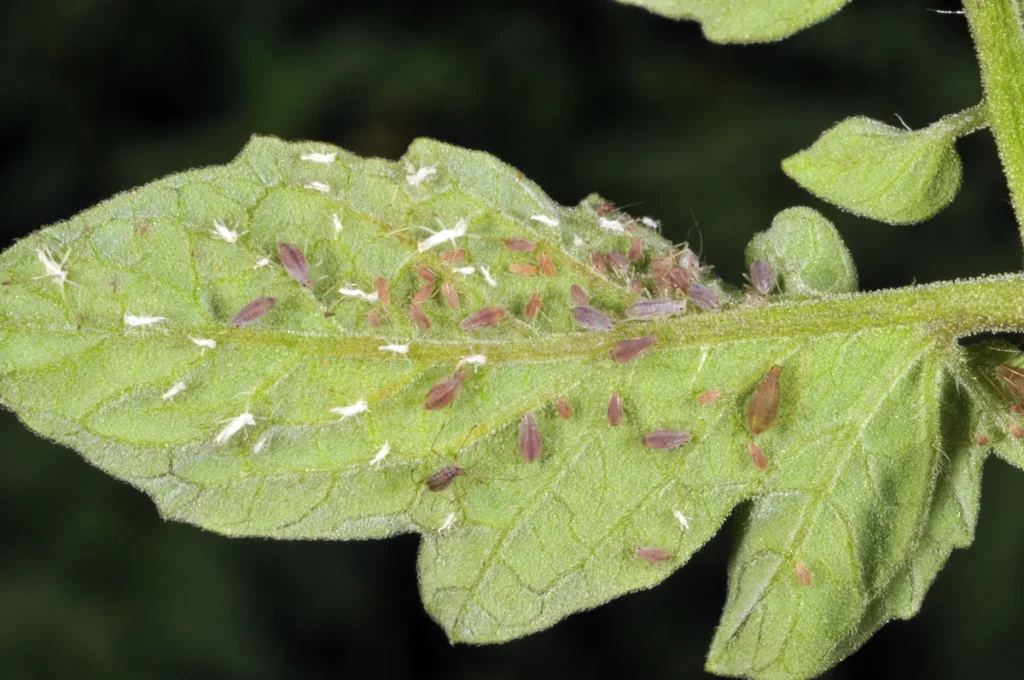
You’ve been out in the garden, and something’s chewing your prize tomatoes. Not just a few leaves either. Every morning you find more holes, more tiny bugs, more of your hard work disappearing.
It’s tempting to reach for a bottle of whatever kills everything fast. But you want to stay organic. You want to protect the bees and your soil and your family.
That’s why you’re looking up natural pest control remedies garden advice right now.
The good news is you don’t need harsh chemicals to win this fight. A 2025 update from the USDA National Organic Program lists over 25 allowed botanical and biological substances for pest control, and many of them work as well as synthetics when applied correctly. The trick is knowing which one to use, when, and how.
That’s what we’re covering here. Step by step, with real decision points that match your specific situation.
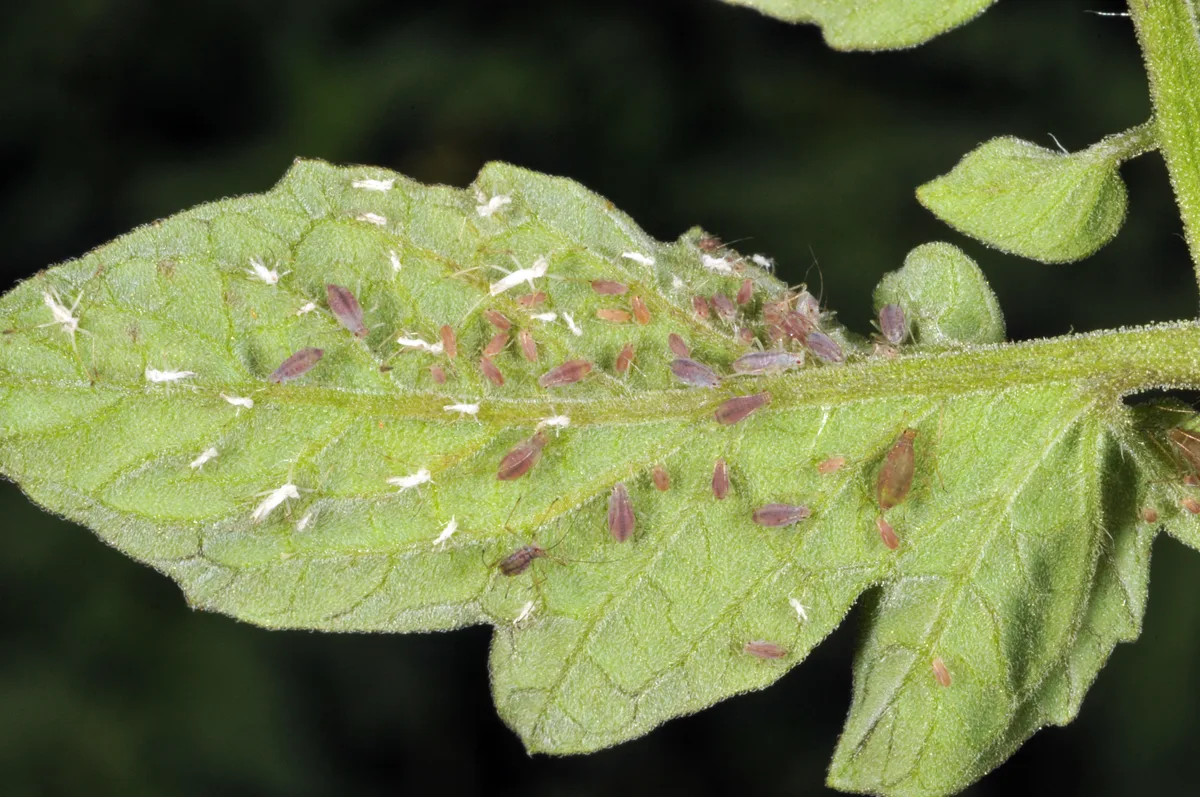
Image source: Bing (Web (fair-use with source credit))
Quick Answer
Natural pest control remedies for gardens fall into five main categories. Insecticidal soap kills soft-bodied pests on contact. Neem oil disrupts feeding and reproduction.
Diatomaceous earth destroys exoskeletons physically. Bacillus thuringiensis (Bt) stops caterpillars specifically. Companion planting prevents problems before they start.
Match the remedy to the pest. Spray at dusk or dawn. Reapply after rain.
That’s the core process.
You Have an Infestation. Now What?
Before you spray anything, stop and look. Really look. The right natural remedy changes completely depending on what you’re fighting.
If the leaves have tiny green or black insects clustered on new growth, those are aphids. Stippled yellow leaves with fine webbing point to spider mites. Large irregular holes in leaves with slime trails mean slugs.
Caterpillars leave round holes and dark droppings. Lacy leaf damage between veins is often Japanese beetles.
Here’s the decision rule: if the pest is soft-bodied (aphids, mites, whiteflies, thrips), use insecticidal soap or neem oil. If it’s caterpillar-based, use Bt. If it’s slugs or snails, use diatomaceous earth or copper tape.
If it’s hard-bodied (beetles, weevils), physical removal or beneficial nematodes work better than sprays.
Take a photo of the damage or the bug. Upload it to your phone garden app. The Cornell University Extension IPM program provides free pest identification guides online.
Knowing exactly what you have cuts your failure rate in half before you even buy a product.
Not All Pests Are Equal
Every pest has a weakness. Your job is to find it and exploit it. Natural remedies work because they target specific biological processes.
They don’t kill everything. That’s the advantage.
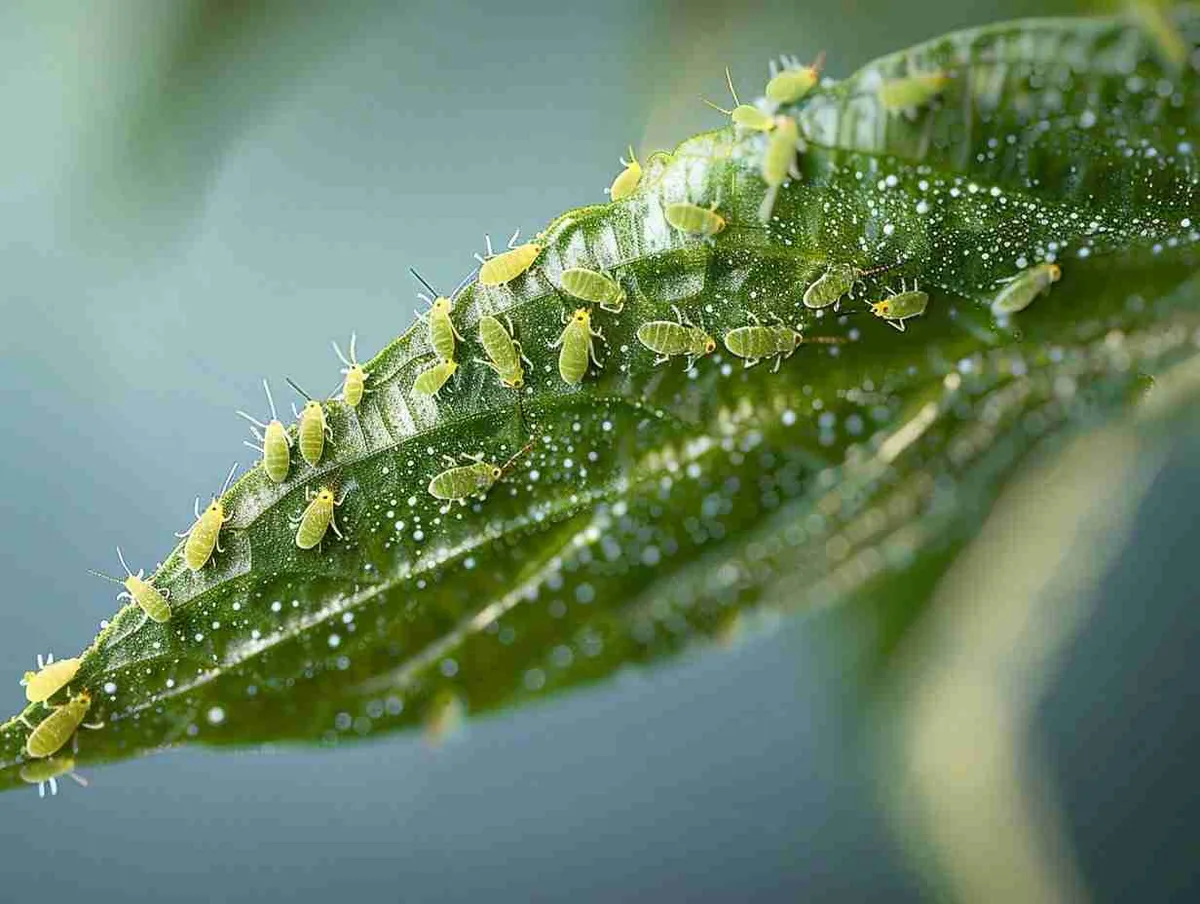
Image source: Web (Bing) / fineartamerica.com (Web image (fair-use with source credit))
Which Pests Respond to Which Remedy
| Pest Type | Best First Remedy | Second Option | Avoid |
|---|---|---|---|
| Aphids | Insecticidal soap | Neem oil | Bt (does nothing) |
| Spider mites | Neem oil | Predatory mites | Soap (dries out leaves) |
| Caterpillars | Bt | Handpicking | Neem oil (slow) |
| Slugs / snails | Diatomaceous earth | Beer traps | Soap (ineffective) |
| Whiteflies | Sticky traps + soap | Neem oil | Bt (useless) |
If you spray Bt on aphids, nothing happens. The protein that stops caterpillars from feeding doesn’t affect sap-sucking insects at all. If you put diatomaceous earth on a wet morning, it clumps into useless mud.
The mechanism only works when it’s dry and fluffy.
Spider mites are a special case. They aren’t insects. They’re arachnids.
Their biology differs from insects enough that soap works inconsistently on them. Neem oil is more reliable because it suffocates them through their breathing pores. But even then, you need to hit the undersides of leaves where they hide.
How Neem Oil, Soap, Bt, and DE Actually Work
Each natural remedy has a distinct mode of action. Understanding the mechanism helps you apply it correctly.
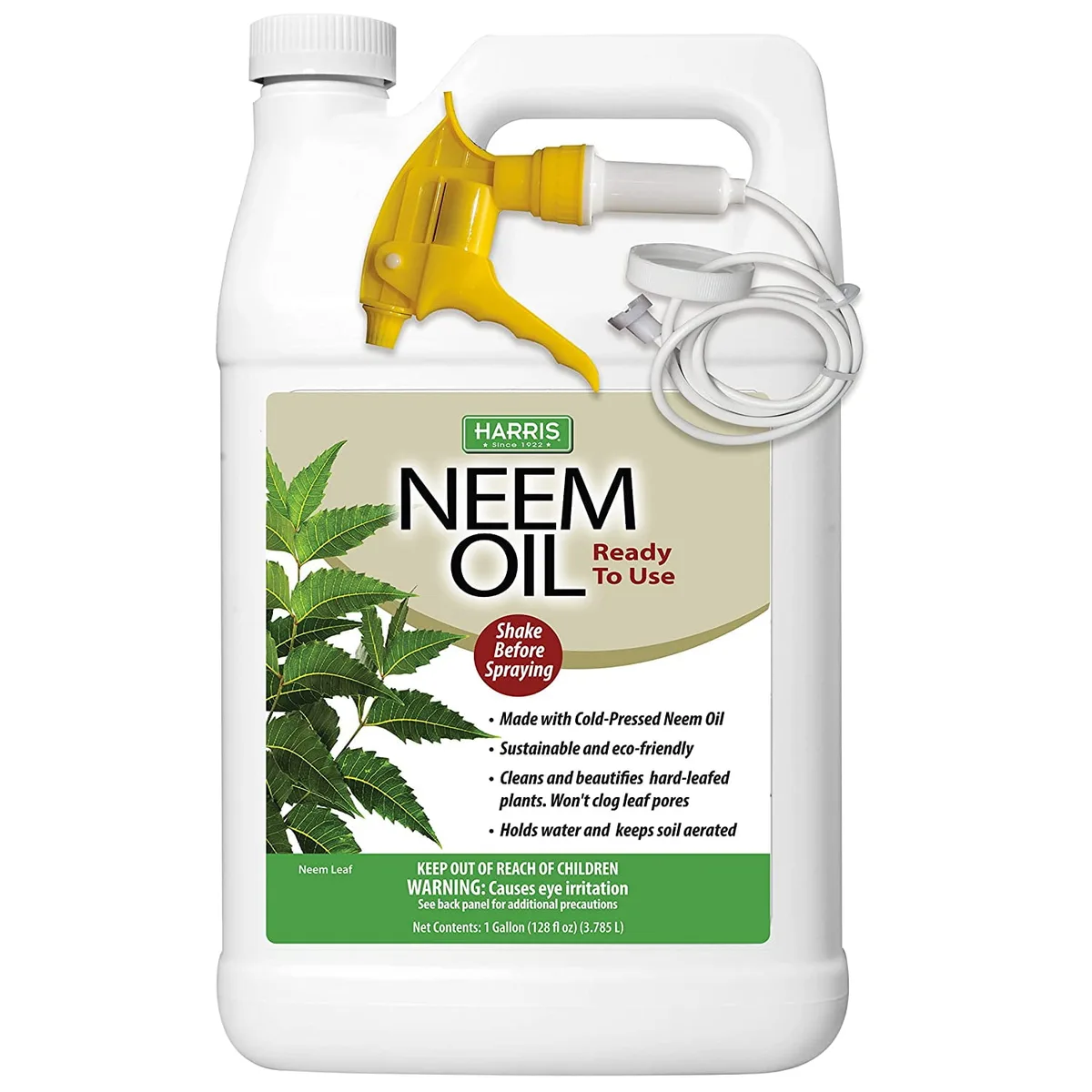
Image source: Web (Bing) / walmart.com (Web image (fair-use with source credit))
Insecticidal soap, made from potassium salts of fatty acids, breaks down the outer waxy coating of soft-bodied insects. Without that protective layer, the insect loses moisture and dies within hours. It works only on direct contact.
Once dry, it leaves no residue. That means it’s safe for most beneficial insects after the spray dries, but you still need to avoid spraying open flowers where bees land.
Neem oil is extracted from the seeds of the neem tree. Its primary active compound, azadirachtin, disrupts insect hormones. It stops feeding, slows growth, and interferes with egg laying.
It also coats the insect’s breathing pores and suffocates some species. Neem oil is slower than soap (48, 72 hours to see results), but it has longer residual activity. It stays effective for 4, 7 days after application, depending on rain and sun exposure.
Bacillus thuringiensis (Bt) is a soil bacterium. When caterpillars eat leaves treated with Bt, the bacteria release a protein crystal that ruptures their gut lining. They stop feeding within hours and die within 2, 3 days.
Bt is highly specific to caterpillars. It does not harm bees, birds, earthworms, or most other insects. The downside is it breaks down in UV light.
You need to reapply every 5, 7 days, and after heavy rain.
Diatomaceous earth (DE) is fossilized algae. Under a microscope, each particle is like shattered glass. When slugs, snails, or crawling insects cross a line of DE, the sharp edges cut their exoskeleton or soft underside.
They lose moisture and die. DE only works when dry. Rendered completely useless after rainfall or overhead watering.
A Simple 4-Step Workflow
Follow this order every time. It turns a panic into a plan.
Step 1: Confirm the pest. Collect a sample or take a clear photo. If you aren’t sure, wait 24 hours and watch the pattern of damage spread. Use the decision table above to map pest to remedy.
Step 2: Pick the right remedy and timing. Spray remedies work best at dusk or dawn. Bees are less active. Leaves are cooler, which reduces the chance of phytotoxicity (leaf burn).
Temperatures above 85°F make neem oil risky. Above 90°F, even soap can damage tender leaves.
Step 3: Test on a small area. Mix your spray according to label instructions. Apply to 2, 3 leaves on one plant. Wait 24 hours.
If there’s no curling, yellowing, or spotting, proceed to the full application.
Step 4: Apply thoroughly and repeat. Spray every surface. Undersides of leaves. Stem crevices.
New growth. Reapply every 5, 7 days for active infestations, or immediately after rain. For DE, reapply the line after any moisture event.
Here’s the timeline you can expect. Insecticidal soap shows results in 12, 24 hours. Neem oil in 48, 72 hours.
Bt in 2, 3 days for caterpillars. DE works instantly on contact but only for new insects crossing the barrier.
For heavy infestations, combine methods. Use soap to knock down the population today. Follow with neem oil three days later to catch any survivors and disrupt reproduction.
Rotate between two different modes of action to prevent resistance.
7 Mistakes That Ruin Natural Pest Control
Most failures aren’t because the remedy doesn’t work. They’re because of application mistakes. Here are the ones we see most often.
1. Spraying at the wrong time of day. Midday sprays evaporate quickly and can burn leaves. They also kill bees visiting flowers.
Always spray after 4 PM or before 8 AM.
2. Not covering the undersides of leaves. Aphids, mites, and whiteflies hide on the leaf underside. If you only spray the top, you miss 80% of the pest population.
Get under there.
3. Using Bt for the wrong pest. Bt kills caterpillars. It does nothing for aphids, mites, beetles, or slugs.
People grab the bottle and spray everything, then wonder why nothing changed.
4. Expecting one application to work. Natural remedies need multiple applications. Pests lay eggs that hatch after your spray has degraded.
The eggs are unaffected. You must reapply on schedule.
5. Applying DE when it’s wet or humid. DE stops working the moment water hits it. Apply on dry soil around the base of plants, not on leaves.
Reapply after every rain.
6. Ignoring the soil health connection. Healthy plants resist pests better. Over-fertilized plants with high nitrogen attract aphids.
Underwatered plants stress and become vulnerable. Natural pest control works best when the plant is already strong.
7. Forgetting about beneficial insects. You want ladybugs, lacewings, and parasitic wasps in your garden. They eat pests for free.
Broad-spectrum natural sprays like neem oil can also kill these helpers if you spray carelessly. Target only the infested plants. Avoid spraying open flowers.
Safety Warnings You Can’t Ignore
Natural doesn’t mean harmless. These are still biologically active substances with real effects.
Neem oil can burn leaves. This happens when you apply it in direct sunlight, temperatures above 90°F, or on water-stressed plants. The oil droplets act like tiny magnifying glasses. Always dilute according to the label.
A typical rate is 1, 2 teaspoons per quart of water. Test first.
Insecticidal soap is irritating to eyes and skin. Wear gloves and glasses when mixing. Do not use dish soap as a substitute. Dish soaps contain degreasers and fragrances that strip the waxy coating from leaves.
Your plant will look sad within hours.
Diatomaceous earth is lung irritant. Inhaling the fine dust can cause respiratory issues. Wear a dust mask when applying. Use food-grade DE only.
The pool-grade stuff contains crystalline silica, which is a cancer risk.
Bt is safe for humans and mammals but you should still wash produce before eating. The label says to wait until spray is dry before harvesting. That’s good practice.
Pollinator protection is non-negotiable. Never spray open flowers. Even organic-approved sprays can harm bees if applied directly. The University of California Integrated Pest Management Program recommends spraying before bees are active in the morning.
Wait until evening for best results.
Check your local regulations. Some municipalities restrict neem oil use during flowering seasons to protect honeybee colonies. The EPA allows certain exemptions for organic producers under specific conditions. If you’re a commercial grower, check with your local extension office.