
Are you dreaming of transforming your backyard into a vibrant oasis? Do you want to create a space where you can unwind and connect with nature?
The secret to achieving this lies in choosing the right garden plants. With the right selection, your garden can become a lush paradise, bursting with colors and life. Imagine stepping outside to be greeted by the calming scent of lavender or the cheerful blooms of daisies.
These must-have garden plants not only enhance your outdoor space but also uplift your mood and well-being. Dive into our guide to discover the essential plants that will make your garden the envy of the neighborhood and a personal retreat for you. Ready to get your hands dirty and your garden blooming? Keep reading to find out more!
Colorful Perennials
Colorful perennials are must-have garden plants, offering vibrant blooms year after year. They create stunning displays with minimal effort. Perfect for adding lasting beauty to any outdoor space.
Colorful perennials are the secret to a garden that bursts with life and vibrancy year after year. They offer an endless palette of hues, transforming your outdoor space into a stunning sanctuary. These plants not only enhance your garden’s aesthetic appeal but also require less effort, leaving you more time to soak up the beauty. Let’s explore some must-have colorful perennials that promise to elevate your garden experience.Roses For Romantic Touch
Roses are timeless classics that exude romance and elegance. With various colors ranging from passionate reds to delicate pinks, they create a dreamy atmosphere. Plant them near your seating area; their enchanting blooms and sweet fragrance can turn a simple afternoon into a special moment. Imagine sipping your morning coffee amidst the blush of rose petals—it’s a daily dose of tranquility.Lavender For Fragrance
Lavender is a sensory delight that fills your garden with soothing scent. Its purple blooms add a splash of color and charm. Not only do they attract pollinators like bees and butterflies, but they also provide a calming aroma that can enhance relaxation. You might find yourself wandering through your garden just to breathe in the lavender’s calming essence—it’s nature’s way of soothing the soul.Daylilies For Easy Maintenance
Daylilies are the epitome of low-maintenance beauty. Their vibrant, trumpet-like flowers come in a variety of shades, ensuring your garden is always lively. They thrive in different conditions and require minimal care, perfect for those with a busy schedule. Picture this: a garden bursting with color without constant upkeep. Daylilies are your ticket to a hassle-free yet stunning garden oasis. By incorporating these colorful perennials, you’re not just planting flowers; you’re creating an experience. Which of these will you choose to transform your garden?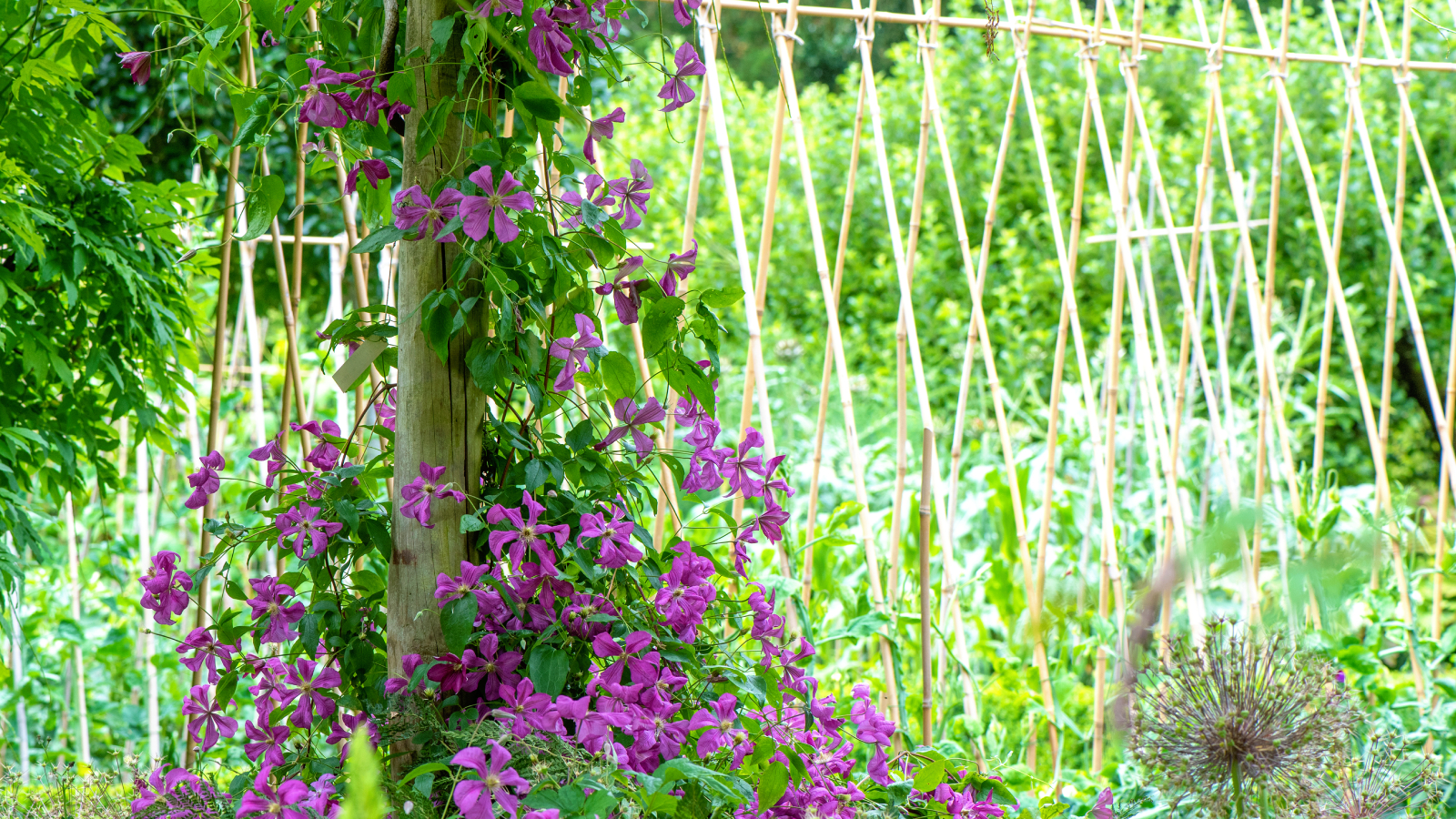
Credit: www.gardeningknowhow.com
Essential Evergreens
Evergreens are the backbone of any garden, providing year-round interest and structure. These plants maintain their foliage throughout the seasons, offering both beauty and privacy. Whether you’re a seasoned gardener or just starting, adding essential evergreens to your landscape can transform your outdoor space into a serene retreat.
Boxwood For Structure
Boxwood is a classic choice for adding structure to your garden. Its dense, evergreen foliage can be easily shaped into hedges or topiary forms. Imagine a beautifully manicured boxwood hedge guiding your guests to your front door—both elegant and welcoming.
Boxwoods are also low maintenance. A simple trim once or twice a year keeps them looking neat. Have you ever considered using them as natural borders in your flower beds?
Juniper For Versatility
Juniper is known for its versatility. From ground covers to tall, upright varieties, it can fit any garden need. Its needle-like foliage adds texture and contrast, making it a favorite among landscapers.
Junipers are drought-tolerant, which is perfect if you’re looking to conserve water. Picture a sprawling juniper ground cover softening the edges of a rock garden. Doesn’t it sound like a perfect blend of beauty and practicality?
Holly For Seasonal Interest
Holly brings a touch of seasonal interest with its glossy green leaves and bright red berries. These berries are a magnet for birds, adding life and movement to your garden in the colder months. A holly bush by your window can turn a chilly winter day into a festive spectacle.
Holly’s spiky leaves can also act as a natural deterrent for pests. Consider planting holly along your property line for a beautiful, functional barrier. Who knew garden security could be so attractive?
Pollinator-friendly Choices
Creating a garden that’s not only beautiful but also buzzing with life is easier than you might think. Pollinator-friendly plants are a fantastic way to attract bees, butterflies, and birds, turning your garden into a lively ecosystem. These plants offer nectar and pollen, which are vital for pollinators. Let’s explore some must-have plants that promise to bring vibrancy and life to your garden.
Butterfly Bush For Attraction
Butterfly bushes are a magnet for butterflies. Their clusters of tiny flowers come in shades of purple, pink, and white, adding a splash of color to your garden. You might find yourself mesmerized by the fluttering wings of various butterflies attracted to these blooms.
Not only do butterfly bushes attract butterflies, but they also require minimal care. They thrive in sunny spots and can tolerate a variety of soil types. Plant one, and watch your garden become a butterfly haven.
Echinacea For Bees
Echinacea, also known as coneflower, is a favorite among bees. Its large, daisy-like blooms provide ample space for bees to land and gather nectar. Imagine sipping your morning coffee while watching bees busily pollinating the echinacea in your garden.
This hardy perennial can withstand drought and poor soil, making it a resilient choice for any gardener. By adding echinacea, you’re not just growing a plant; you’re nurturing the local bee population.
Milkweed For Monarchs
Milkweed is essential for monarch butterflies. It serves as both a food source and a breeding ground, making it a critical plant for their survival. Seeing monarch caterpillars munching on milkweed leaves is a rewarding sight for any gardener.
With various milkweed species available, you can choose one that suits your climate and garden aesthetics. Planting milkweed not only helps monarchs thrive but also contributes to biodiversity in your garden.
What steps will you take to make your garden a pollinator paradise? Consider these plants and watch your garden flourish with life.
.webp)
Credit: www.urbanplant.in
Edible Additions
Discover must-have garden plants for edible additions. Basil and mint offer fresh flavors for cooking. Cherry tomatoes and strawberries add vibrant colors and sweet tastes. These plants enhance meals and beautify gardens.
Imagine stepping into your garden and plucking a handful of fresh ingredients for your next meal. Edible plants not only enhance your outdoor space but also add flavor to your dishes. Whether you’re a seasoned gardener or just starting out, edible additions are a rewarding choice. Let’s explore some must-have plants that will turn your garden into a culinary paradise.Herbs For Culinary Use
Herbs are the unsung heroes of the kitchen. Consider growing basil, mint, or rosemary; they are easy to grow and pack a punch in your recipes. Basil adds a fresh twist to salads and sauces. Mint offers a refreshing touch to drinks and desserts. Rosemary lends depth to roasted meats and vegetables. Plant these herbs in pots or directly into the soil. They thrive in sunny spots and require minimal care. You’ll have an endless supply of flavors right at your fingertips.Berry Bushes For Fresh Snacks
Berry bushes are a delightful addition to your garden. Imagine picking juicy strawberries, blueberries, or raspberries right before breakfast. Strawberries are perfect for beginners. They grow well in containers or hanging baskets. Blueberries and raspberries need a bit more space but offer more berries. These bushes provide a sweet treat throughout the growing season. They’re not just tasty; they also bring vibrant color to your garden. What could be better than a snack that’s both delicious and visually appealing?Fruit Trees For Abundance
Fruit trees offer a bountiful harvest year after year. Consider planting apple, peach, or plum trees for a steady supply of fresh fruit. Apple trees are versatile and come in many varieties. Peaches offer a juicy summer delight. Plums are perfect for jams and jellies. Fruit trees require more initial effort but reward you with years of produce. They also provide shade and beauty to your garden. Imagine sitting under your apple tree, enjoying the fruits of your labor—literally. Why settle for store-bought when you can grow your own fresh, organic produce? Dive into the world of edible garden plants and savor the benefits right in your backyard.Shade-loving Varieties
Shade-loving varieties bring beauty to gardens with limited sunlight. Hostas, ferns, and impatiens thrive in shaded areas, adding lush greenery and vibrant colors. Perfect for creating tranquil garden spaces.
If you have a shaded area in your garden that feels a bit neglected, you’re not alone. Many gardeners see shade as a challenge, but it can be an opportunity to create a lush, tranquil oasis. With the right shade-loving plants, you can transform dim corners into vibrant, living masterpieces. Let’s dive into some must-have varieties that thrive without direct sunlight.Hostas For Lush Leaves
Hostas are the unsung heroes of shade gardening. Their broad, textured leaves come in a variety of greens, blues, and even variegated patterns. This makes them perfect for adding depth and lushness to any shaded area. Imagine walking into your garden and being greeted by a sea of lush, undulating leaves. Hostas can provide that experience. They’re also low-maintenance, making them ideal for busy gardeners.Ferns For Texture
Ferns are nature’s way of adding elegance to shaded spaces. Their feathery fronds bring a soft, delicate texture that complements the boldness of hostas. You might have a corner that feels a bit too stark or plain. Adding ferns can instantly soften and elevate the visual interest. Plus, ferns thrive in low-light conditions, requiring little more than occasional watering.Astilbes For Floral Interest
Astilbes bring a splash of color where it’s most needed. Their fluffy plumes of flowers in shades of pink, white, and red brighten up shady spots beautifully. If you think shade means sacrificing blooms, think again. Astilbes not only tolerate shade but also add a dynamic floral component to your garden. Their easy-care nature makes them a favorite for both new and seasoned gardeners. Remember, creating a shade garden is about embracing what your space naturally offers. Which of these plants will you introduce to your shaded retreat?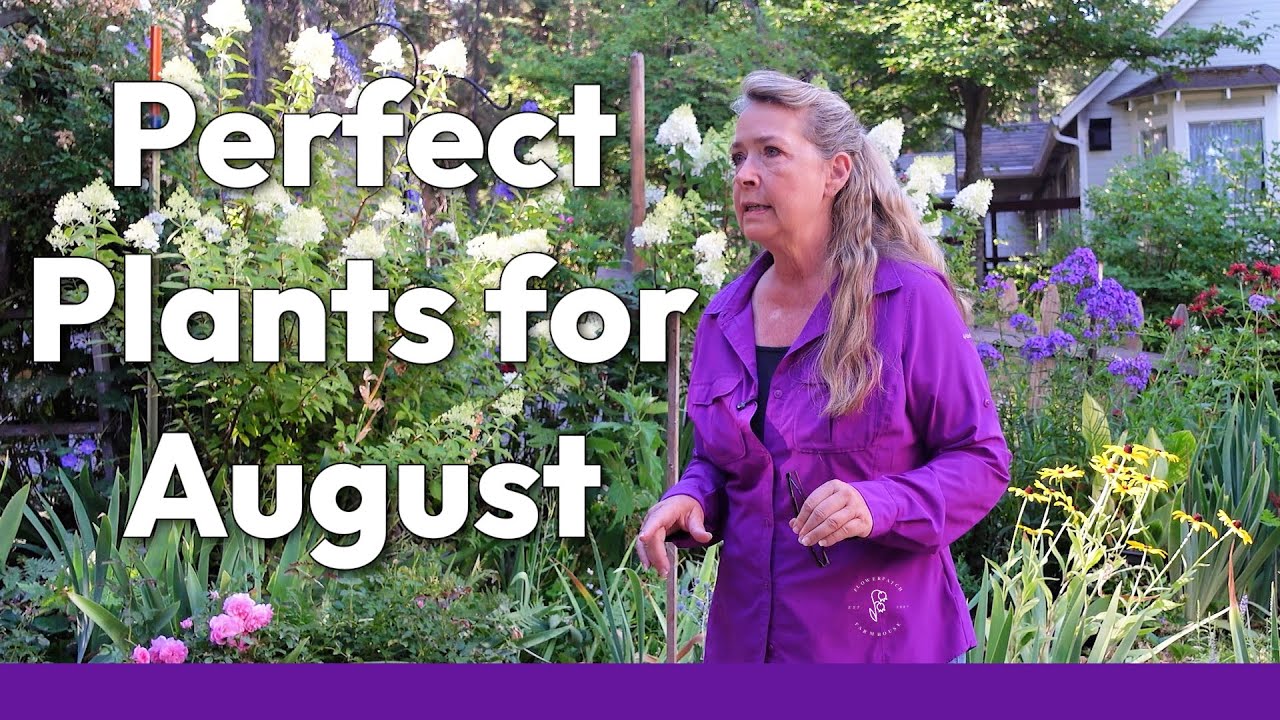
Credit: www.youtube.com
Water-wise Selections
Water-wise selections in your garden can save you time, effort, and resources. These plants thrive with minimal water, making them ideal for regions prone to drought or if you’re looking to minimize water usage. By choosing the right plants, you can maintain a lush garden without constantly reaching for the hose.
Succulents For Low Maintenance
Succulents are the champions of low maintenance gardening. With their thick, fleshy leaves, they retain water effectively, ensuring they stay hydrated longer. Imagine walking into your garden, and instead of worrying about watering, you simply admire the variety of shapes and colors these plants offer.
Consider adding varieties like aloe veraor jade plantto your collection. They not only look stunning but also require minimal care. Plus, the satisfaction of seeing them thrive with little intervention is immensely rewarding.
Lavender For Drought Resistance
Lavender is a fantastic choice for those seeking drought-resistant plants. It not only survives but flourishes in dry conditions, exuding a calming fragrance that can transform your garden into a serene escape. Have you ever thought about how a plant can be both beautiful and functional?
This hardy plant also attracts pollinators like bees, enhancing your garden’s biodiversity. Plant lavender along pathways or in clusters to create a purple wave of tranquility. You might even find yourself spending more time outdoors, soaking in the soothing scent.
Sedums For Ground Cover
Sedums are excellent ground cover options that can withstand harsh conditions. They spread quickly, forming a dense mat that suppresses weeds and retains soil moisture. Why not let them take over those tricky spots in your garden where other plants struggle?
With varieties like stonecrop, you can enjoy a carpet of greenery that requires minimal upkeep. Their tiny star-shaped flowers add a delicate touch to your landscape. Once established, you might wonder why you didn’t plant them sooner.
Annuals For Seasonal Color
Annuals are the perfect way to inject vibrant color into your garden for a specific season. They offer a delightful solution for gardeners looking to refresh their outdoor spaces with lively hues. With a wide range of options, you can experiment with different textures and colors to create a dynamic and ever-changing landscape. Let’s dive into some must-have annuals that will transform your garden into a seasonal masterpiece.
Marigolds For Bright Hues
Marigolds are a favorite among gardeners for their bold and bright colors. Their fiery oranges and yellows can light up any garden bed, making them a top choice for adding a splash of sunshine. What’s amazing about marigolds is their ability to thrive in various soil conditions, offering both beauty and resilience.
Have you ever noticed how marigolds attract beneficial insects? This makes them not just a visual treat but also a natural ally in keeping your garden healthy. Consider planting marigolds near vegetables to naturally deter pests and enhance growth.
Petunias For Versatile Blooms
Petunias are the go-to plant for those who love variety. They come in an array of colors, from soft pastels to vibrant purples, offering endless possibilities for garden design. Petunias can be planted in beds, hanging baskets, or window boxes, making them incredibly versatile.
Imagine walking through your garden, surrounded by the sweet fragrance of blooming petunias. Their long blooming season ensures that your garden stays colorful from spring through fall. Do you have a spot that needs a touch of elegance? Petunias might just be the perfect fit.
Zinnias For Long-lasting Flowers
Zinnias are champions when it comes to long-lasting blooms. Their flowers can withstand the hottest summer days, providing vibrant color throughout the season. With a range of sizes and colors, zinnias are perfect for any garden setting.
Have you ever cut zinnias for a bouquet? They make excellent cut flowers, brightening up indoor spaces while still thriving outside. Zinnias also attract butterflies, adding another layer of beauty to your garden. Are you ready to create a garden that bursts with life? Zinnias are your answer.
Frequently Asked Questions
What Is The Rule Of 3 In Gardening?
The rule of 3 in gardening involves grouping plants in threes. This enhances visual appeal and balance. Planting in odd numbers creates harmony and draws the eye. It’s a popular design technique for landscapes and gardens. This approach is effective for both flowers and shrubs.
What Are The Best Things To Plant In A Garden?
Plant vegetables like tomatoes, peppers, and carrots for a productive garden. Consider herbs such as basil and mint. Flowers like marigolds, sunflowers, and daisies add color and attract pollinators. Choose native plants for easy maintenance and sustainability. Tailor choices to your climate and soil conditions for optimal growth.
Why Is Gen Z Obsessed With Plants?
Gen Z loves plants for their aesthetic appeal and mental health benefits. They create a calming environment. Social media trends and a focus on sustainability also influence this obsession. Plants offer a sense of responsibility and connection to nature.
What Month Should I Plant My Vegetable Garden?
Plant your vegetable garden in early spring. Timing varies based on climate and frost dates. Check local guidelines for precise timing. Cold-hardy vegetables like spinach and peas can be planted earlier. Warm-season crops such as tomatoes and peppers should be planted after the last frost.
Conclusion
A thriving garden needs the right plants. Choose wisely for best results. Bright flowers add color to your space. Fragrant herbs offer delightful scents and flavors. Robust vegetables ensure fresh produce at home. Consider your local climate and soil conditions.
Each plant serves its purpose, creating a balanced garden. Regular care keeps your plants healthy and vibrant. Enjoy the beauty and benefits of your garden oasis. With thoughtful planning, your garden will flourish. Happy gardening!


