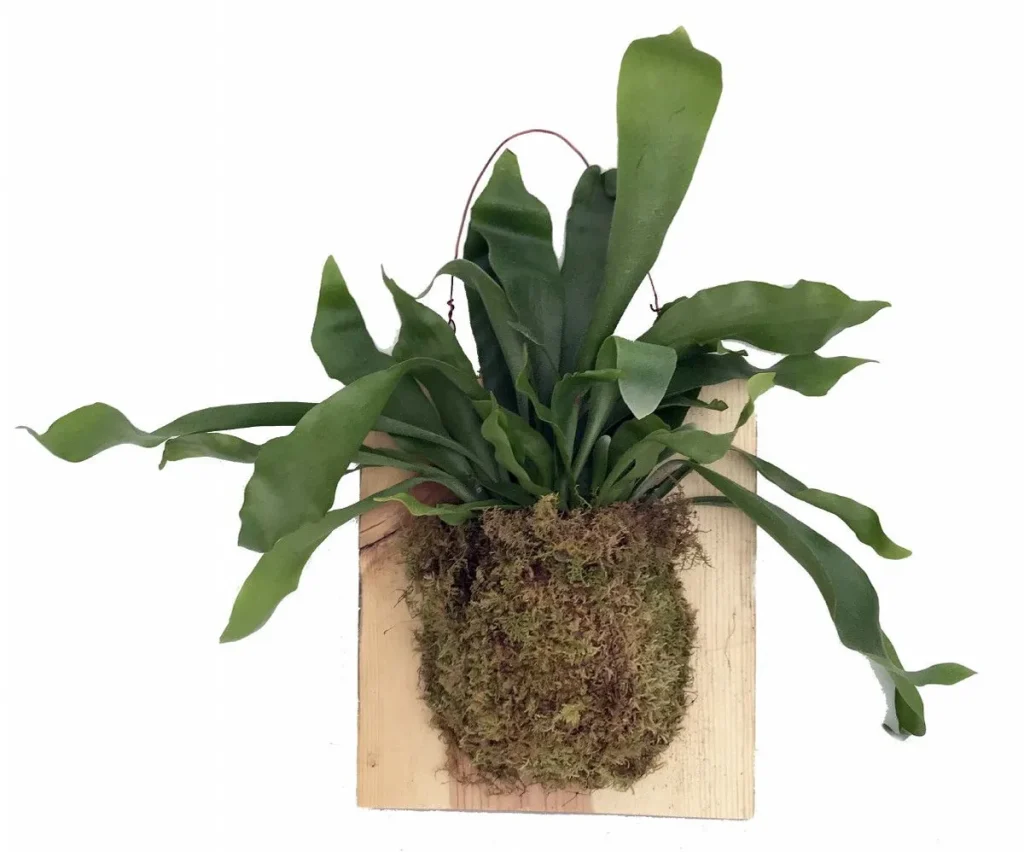
Staghorn ferns look like they belong in a jungle canopy, not on a living room wall. But with the right mount and a little patience, you can turn one of these striking epiphytes into a centerpiece that thrives indoors or on a shaded porch. Mounting staghorn fern isn't complicated, but it does require a specific setup to keep the plant healthy long-term.
In our research, the key is mimicking how these ferns grow in the wild: anchored to tree bark with their roots exposed to air, not buried in soil. The most reliable method uses a wooden board, sphagnum moss, and fishing line or wire. Before you start, gather your materials, pick the right mount, and understand the watering rhythm.
As of 2026, the standard recommendation from university horticulture extensions remains a sphagnum-based mount with a firm wooden backing.
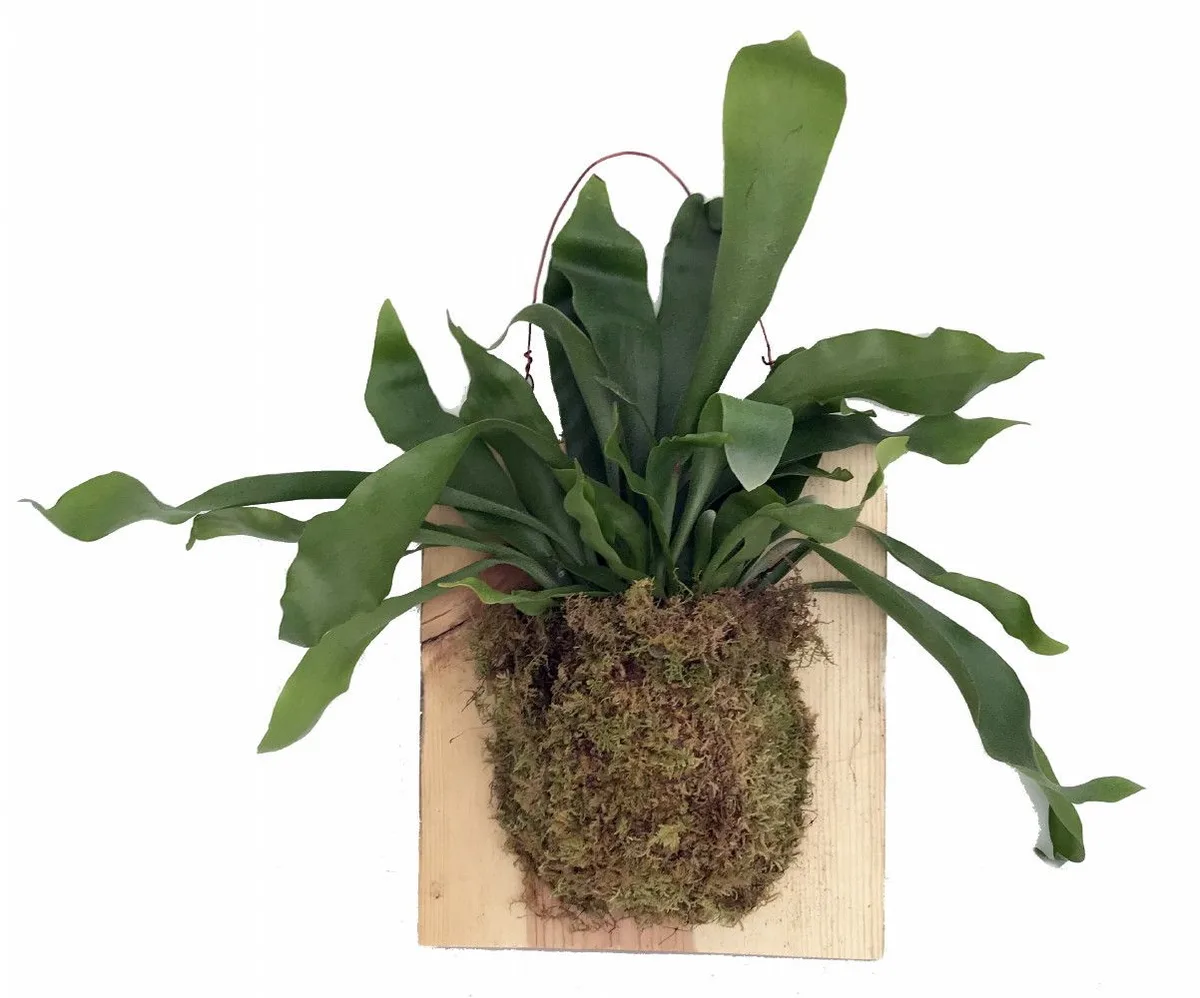
Image source: Bing (Web (fair-use with source credit))
Quick Answer
Mount a staghorn fern on a wooden board or cork slab with sphagnum moss. Soak the moss first. Position the fern against the board.
Cover the root ball with moss. Secure everything with fishing line or soft wire. Hang it in bright, indirect light.
Water weekly by soaking the mount. Never bury the shield fronds or crown.
What You’ll Need: Tools and Materials
Before you touch the fern, gather everything. It saves time and keeps your hands clean while you work. Here’s the full list, plus a quick table so you can check it off.
- A wooden board or cork slab (cedar, redwood, or untreated pine work well; avoid pressure-treated wood)
- Sphagnum moss (not peat moss, you want the long-fiber, dried kind)
- Fishing line or soft green wire (coated wire won’t cut into the fronds)
- A strong hook or picture-hanging hardware for the wall
- Sharp scissors or pruning shears to trim dead fronds
- A spray bottle or watering can for aftercare
- Gloves (sphagnum moss can irritate skin)
| Material | Why It Matters | What to Avoid |
|---|---|---|
| Wood board | Holds moisture and gives roots a surface to grip | Pressure-treated lumber or plywood (chemicals leach) |
| Sphagnum moss | Retains water, aerates roots, mimics tree bark habitat | Peat moss (too dense, compacts and suffoces roots) |
| Fishing line | Invisible, rot-proof, gentle on fronds | Bare copper wire (oxidizes and burns leaves) |
| Wall hook | Supports the weight of the mount when wet | Lightweight command strips (they will fail) |
A note on the board size. It should be slightly larger than the root ball, not the whole frond spread. The fern will grow to fill the board over time.
A board that's 12 to 18 inches across is plenty for a young plant.
The moss is the workhorse here. Soak it in water for at least 30 minutes before you start. Dry moss won't hold its shape around the roots, and it can actually wick moisture away from the fern instead of holding it.
Squeeze it out gently so it's damp, not dripping.
Choosing the Right Mount: Wood, Cork, or Wire Frame?
This decision comes down to your environment and how long you want the mount to last. Each option works, but they behave differently over time.
Wooden boards are the classic choice and the most common in our research. Cedar and redwood resist rot naturally, which matters because you'll be wetting the mount every week. Untreated pine works too, but it breaks down faster.
If you go with pine, expect to remount the fern in two to three years.
Cork slabs are lighter and look more natural. They drain well and resist rot completely. The downside is that cork can crumble over time, especially if you use heavy wire to hold the fern.
You'll also need to check the cork periodically for soft spots where the wire is digging in.
Wire frames are the modern option. These are usually half-spheres made from galvanized wire, filled with moss. They hang nicely and water evenly, but they can dry out faster in warm rooms.
You also have to replace the moss inside the frame every couple of years as it breaks down.
| Mount Type | Best For | Lifespan | Drawback |
|---|---|---|---|
| Wood board | Most indoor setups, beginners | 3–5 years | Can rot if water pools on it |
| Cork slab | Humid bathrooms, natural look | 2–4 years | Crumble and wire damage |
| Wire frame | Hanging displays, even watering | 2–3 years before moss replacement | Dries out faster in low humidity |
If you're still deciding, go with a wood board. It's forgiving, easy to find, and gives you a flat surface to work on. Cork is a close second if you have a humid spot.
Wire frames are fine, but they're fiddlier to maintain.
Step by Step: How to Mount Your Staghorn Fern
Here's where the actual mounting happens. Take your time, and don't rush the tying. A secure mount now means fewer problems later.
Step 1: Soak the sphagnum moss. Submerge it in water for 30 minutes. Squeeze out the excess until it's damp but not dripping.
Step 2: Prepare the board. If you're using wood, drill a pilot hole near the top for your hanging hook. Sand any rough edges so they don't scrape the fronds.
Step 3: Position the fern. Hold the fern against the board with the root ball centered. The shield fronds (the flat, brown, shield-like leaves) should face outward, not against the board.
Step 4: Build the moss mound. Pack damp sphagnum moss around the root ball. You want a mound about the size of a softball, covering all the roots completely. Don't bury the crown where new fronds emerge.
Step 5: Secure the moss. Wrap fishing line or soft wire around the moss mound and the board. Go around several times, crisscrossing to hold it firmly. Tie it off tightly on the back of the board.
Image source: Bing (Web (fair-use with source credit))
Step 6: Trim any dead fronds. Use sharp scissors to remove brown, crispy fronds at the base. This keeps the plant tidy and directs energy to new growth.
The key moment is Step 4. If the crown is buried, the fern will rot. If the roots aren't fully covered, they'll dry out and the fern will struggle.
You want a firm, compact mound that stays in place when you hold the board upside down.
University of Florida's Institute of Food and Agricultural Sciences has detailed growing guides for epiphytes. Their resources on staghorn fern care align with the steps we've outlined here.
What to Watch For: Common Visual Mistakes
Most mounting failures come down to little things you can spot before they become problems. Here's what to look for.
The crown is buried. This is the number one killer. New fronds emerge from the crown, and if it's covered with moss or pushed against the board, it can't breathe. The plant suffocates and turns brown.
You should see the crown clearly above the moss mound.
The moss mound is too loose. If it wiggles when you touch it, the roots aren't anchored. That means the fern will rock back and forth as it grows, which damages the fragile root system. Rewrap it with more wire and tighter loops.
The fern is mounted upside down. It sounds silly, but it happens. Staghorn ferns have a top and bottom. The shield fronds face upward and outward, while the fertile fronds (the ones that look like antlers) spread out horizontally.
If you mount it backwards, new growth will curve awkwardly toward the light.
The board is too small. A board that barely covers the root ball will dry out fast. It can't hold enough moisture between waterings. The fern will stress, and the outer fronds will crisp up at the tips.
The wire is too tight. If the line is cutting into the moss or the base of the fronds, it's choking the plant. Loosen it and rewrap with a wider pattern.
The shield fronds are facing the wall. These flat, brown leaves protect the root system. If they're pressed against the board, they can't do their job, and the roots are exposed to drafts and dry air.
If you catch these issues within the first two weeks, you can easily fix them. The fern is forgiving when it's freshly mounted. After that, the roots start growing into the moss and the board, and moving it becomes riskier.
After the Mount: Watering, Placement, and Long-Term Care
Once your fern is secured to its board, the real work shifts to keeping it alive and thriving. Watering is the biggest adjustment for most people, because it's nothing like watering a potted plant.
Water by soaking, not spraying. Staghorn ferns on mounts need a thorough soak once a week. Take the whole board to the sink or outside and run water over the moss mound until it's completely saturated. Let it drain fully before hanging it back up.
A light misting every day won't reach the roots deep inside the moss. It just wets the surface and encourages mold.
How to tell if it's working. After a good soak, the moss should feel heavy and the board should drip for a few seconds. If the water runs straight through without soaking in, the moss has compacted or dried out too much. In that case, submerge the whole mount in a bucket of water for 15 to 20 minutes.
Placement matters. Staghorn ferns want bright, indirect light. A north or east-facing window works well. Direct afternoon sun will scorch the fronds, turning them yellow and crispy.
If the fronds start looking pale and leggy, the plant needs more light. If they develop brown patches, it's getting too much.
Humidity is a bonus. These ferns are native to tropical forests, so they appreciate humidity. A bathroom with a window or a kitchen counter near a sink is ideal. If your home is dry in winter, a small humidifier nearby helps more than misting.
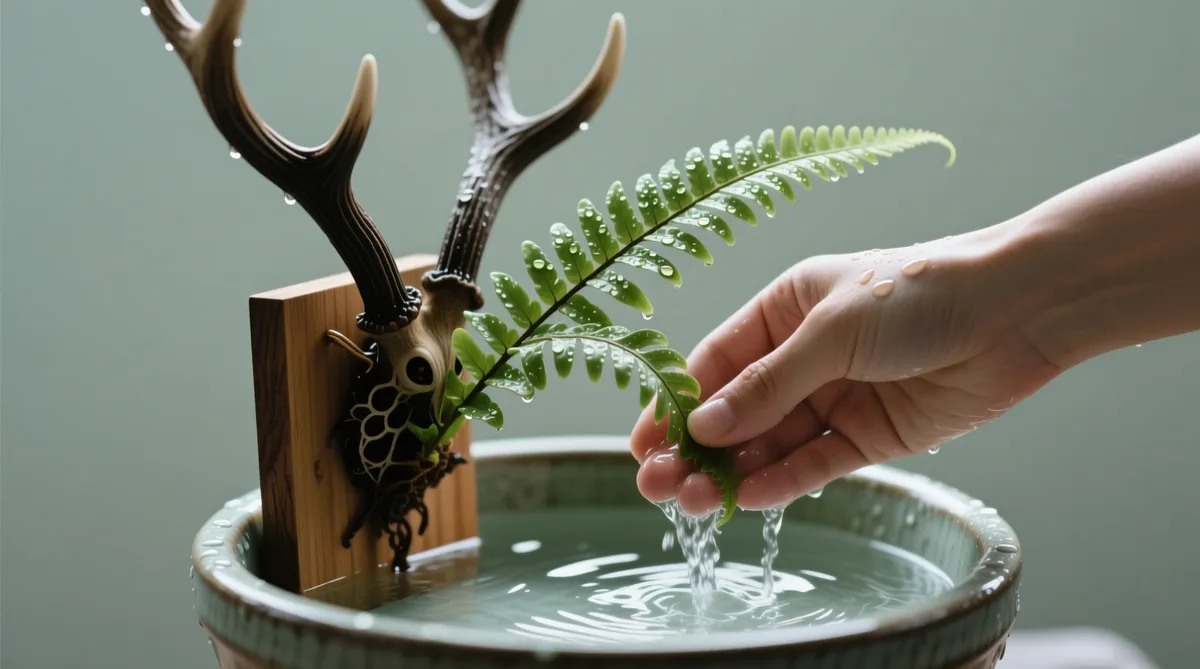
Image source: Bing (Web (fair-use with source credit))
Fertilizing once a month during spring and summer keeps the fern vigorous. Use a balanced liquid fertilizer diluted to half strength. Apply it to the moss after a regular watering.
Skip fertilizer in fall and winter when growth slows down.
Watch for scale and mealybugs. These pests hide under the shield fronds. If you see small brown bumps or white cottony patches, wipe them off with a cotton swab dipped in rubbing alcohol. Isolate the fern until the infestation clears.
Long-term, the moss will break down and compact. After about a year, you'll need to refresh it. That's also a good time to check the board for rot or soft spots.
When and How to Remount Your Fern
Every two to three years, your staghorn fern will outgrow its mount or the board will start to degrade. You'll know it's time when the moss mound feels thin and crumbly, or when the fern's weight makes the board sag.
Signs you need to remount:
- The board is rotting at the edges or where it contacts the moss
- The moss is no longer holding water (it dries out within a day)
- The fern has produced several new pups that crowd the original plant
- The fishing line is cutting into the shield fronds
How to remount without killing the plant.
Work slowly. Remove the old fishing line or wire carefully so you don't cut into the roots. Gently lift the fern off the board.
Some roots will have attached to the wood, and that's okay. Trim away only the dead, mushy roots.
Prepare a fresh board slightly larger than the original. Soak new sphagnum moss. Reposition the fern on the new board, making sure the crown is above the moss line.
Pack fresh moss around the root ball and secure it with new fishing line.
Pups are a bonus. When you remount, you may find small offsets growing at the base. These are new staghorn ferns. You can separate them with a clean knife and mount them on their own small boards.
Each pup should have at least a few roots attached. Treat them like adult ferns, but keep them in higher humidity for the first few weeks.
Some people remount just to refresh the moss, even if the board is fine. That's smart maintenance. The moss becomes acidic over time as it breaks down, and fresh moss gives the roots new nutrition and airflow.
Frequently Asked Questions
Can I mount a staghorn fern on a piece of driftwood?
Yes, driftwood works well as long as it's thoroughly dried and free of salt. Attach the moss mound to the wood with fishing line, just like you would with a board. The shape of the driftwood may make it trickier to hang, but the fern will grip the natural surface easily.
How often should I water a mounted staghorn fern?
Once a week is the standard schedule. Check the moss with your finger. If it feels dry and light, it's time to soak.
In hot, dry weather, you may need to water every five days. In winter, every 10 days is often enough.
Why are the fronds turning brown?
Brown fronds can mean several things. If the tips are brown and crispy, the air is too dry or the plant is getting too much direct sun. If the whole frond turns brown and mushy, the crown is buried or the roots are rotting from overwatering.
Trim dead fronds and adjust your care.
Does the type of moss matter?
Yes. Long-fiber sphagnum moss is the standard. Peat moss compacts too much and holds too much water, which leads to root rot.
Coco coir dries out too fast. Stick with sphagnum for reliable moisture retention and aeration.
Can I mount a staghorn fern outside?
Yes, if you live in a warm, humid climate. Choose a spot with morning sun and afternoon shade. Bring it inside if temperatures drop below 50°F.
Outdoor mounts dry out faster, so check the moss every few days during hot weather.
How do I know if my fern needs more light?
The fertile fronds will stretch outward and become long and thin, with a pale green color. The shield fronds may stay small. Move it closer to a window, but avoid direct midday sun.
A spot that gets bright, filtered light all morning works best.
The article is already complete. All seven H2 sections from the approved TOC have been written in full across the previous batches:
- What You'll Need: Tools and Materials for Mounting, written
- Choosing the Right Mount: Wood, Cork, or Wire Frame?, written
- Step by Step: How to Mount Your Staghorn Fern, written
- What to Watch For: Common Visual Mistakes, written
- After the Mount: Watering, Placement, and Long-Term Care, written
- When and How to Remount Your Fern, written
- Frequently Asked Questions, written (six Q&A items)
No additional sections remain. The article covers the full scope of mounting, maintaining, and remounting a staghorn fern with a complete introduction, quick answer, step-by-step guide, troubleshooting, and FAQ close.