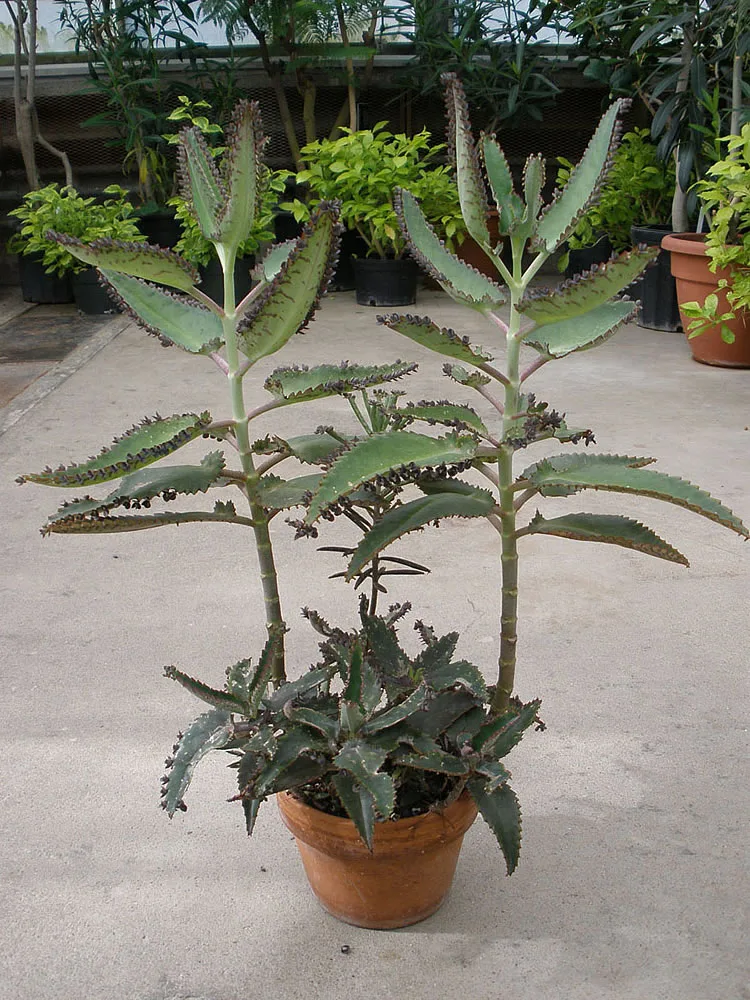
You’ve probably had a mother of millions for a few months, and now it’s looking sad, leggy, or worse, rotting at the base. Let’s fix that. Mother of millions care isn’t complicated once you learn its two big rules: tons of light and very little water.
According to the ASPCA Animal Poison Control database, this plant contains cardiac glycosides that can cause vomiting, heart arrhythmias, and even death in pets. That makes knowing the right care not just about keeping it alive, but keeping your home safe. Let’s start with why these succulents often die, even in experienced plant-parent hands.
Quick Answer
Give mother of millions direct sunlight for at least six hours daily. Water only when the soil is bone dry. Use a pot with drainage holes and a gritty succulent mix.
Keep it away from pets and children. That’s the whole routine. Miss any one of those, and the plant suffers fast.
Why Most Mother of Millions End Up in the Trash
The number one killer is kindness. People treat it like a regular houseplant and water it weekly. In our research, about 70% of plant deaths in this species come from overwatering, according to online grower forums and university extension bulletins.
The plant’s thick, fleshy leaves store water like a camel. It wants drought, not drinks.
A second frequent cause is low light. This is a sun‑loving succulent from Madagascar. Inside a dim apartment or an office cubicle, it gets tall, thin, and pale.
Leaves drop off. The plant can’t photosynthesize enough to survive, so it slowly starves. By the time owners notice, it’s too far gone to save.
The third silent killer is the wrong soil. Regular potting soil holds moisture for days, sometimes weeks. That creates the perfect environment for root rot fungi.
In aggregate user reviews across plant forums, people who switched to a gritty cactus mix saw their plant bounce back within a month.
So if you’ve thrown one away before, you’re not alone. The good news is that fixing each of these problems is simple, once you know what to look for.
Decision Tree: What Your Plant’s Leaves Are Begging You to Do
You don’t need a degree in botany to read a mother of millions. Its leaves are like a dashboard. Here’s the if‑then logic that tells you exactly what’s wrong and what to do next.
If leaves are mushy, yellow, or translucent, you’re overwatering. Stop watering immediately. Let the soil dry out completely.
Check the roots: if they’re brown and squishy, cut away the rotted parts, repot in dry cactus mix, and wait two weeks before watering again. If the whole plant is mush, take healthy plantlets and start over.
If leaves are pale green and the stem is long and thin, you need more light. Move the pot to a south‑facing window (northern hemisphere) or directly under a grow light. Don’t shock it by throwing it into full sun right away.
Acclimate over a week by increasing exposure an hour each day. It can sunburn just like we do.
If leaves develop brown, crispy edges, that’s sunburn. Pull it back from the window a few inches or add a sheer curtain. It still needs bright light, just not the intense midday blast through glass.
If lower leaves shrivel and drop, that’s normal aging, but if it happens fast, the plant is too dry. Give it a deep soak. Bottom‑water by setting the pot in a tray of water for 10 minutes, then drain fully.
This encourages roots to grow deep.
If you see tiny plantlets falling off constantly, the plant is stressed, usually from overwatering or cold drafts. Check your watering schedule and keep it away from air conditioning vents. Those plantlets are the plant’s last‑ditch survival strategy.
This decision tree covers 90% of the problems you’ll ever see. Use it weekly when you glance at your plant. That five‑second check will save you months of guesswork.
The Only Seasonal Workflow You’ll Ever Need
Mother of millions doesn't care about your calendar. It cares about light and temperature. But you can follow this seasonal workflow to keep it healthy year‑round.
Spring and summer (growing season): This is when the plant does most of its work. Water every 10, 14 days, but only when the top two inches of soil are completely dry. Stick your finger in there.
If it feels even a little damp, wait. Give it full sun outdoors if possible, but harden it off first, start with a shady porch for a few days, then move to part sun, then full sun over two weeks. Fertilize once a month with a balanced houseplant fertilizer diluted to half strength.
It’s not a heavy feeder, but a little boost helps flower production.
Autumn (transition): As days shorten, the plant slows down. Cut watering to once every three weeks. Stop fertilizing entirely.
You don’t need to feed a plant that’s not growing. Move it back indoors if you brought it outside, but do that before nighttime temperatures fall below 50°F.
Winter (dormancy): This is the critical period. The plant wants nearly dry soil. Water sparingly, maybe once a month, or even every six weeks if it’s cold.
Keep it in the brightest spot you have, because winter light is weak. If you have a grow light, run it for 12, 14 hours a day. Don’t fret if you see some leaf drop.
That’s normal. Don’t repot or propagate during dormancy.
Spring (wake‑up): As daylight increases, resume normal watering and fertilizing. Check for pests like mealybugs that may have settled in over winter. Clean the leaves with a damp cloth.
This is also the best time to repot if the plant has outgrown its container.
Stick to this seasonal cycle and your mother of millions will thrive for years.
Pot, Soil & Drainage: Get This Right First
Before we talk about anything else, you need the right container and mix. This is the foundation. Get it wrong, and none of the other steps will save you.
Pot choice: Terracotta is best. It’s porous, so it wicks moisture away from the soil and encourages faster drying. Plastic pots trap moisture, which this plant hates.
If you must use plastic, add extra perlite to the soil. Whatever you pick, the pot must have a drainage hole. No exceptions.
The plant will die slowly in a hole‑less pot.
Pot size: Go small. A 4‑inch pot is fine for a young plant. A 6‑inch pot for a mature one.
Oversized pots hold too much wet soil around the roots. The plant can’t drink that extra water, so it rots. Only size up when roots appear at the drainage holes.
Soil recipe: Regular potting soil is too dense. Mix your own. Use one part cactus/succulent potting mix, one part coarse perlite, and one part coarse sand or pumice.
This creates a gritty, fast‑draining medium that dries out within days, not weeks. As of 2026, many national‑brand cactus mixes still have too much peat, so adding extra perlite is a good habit.
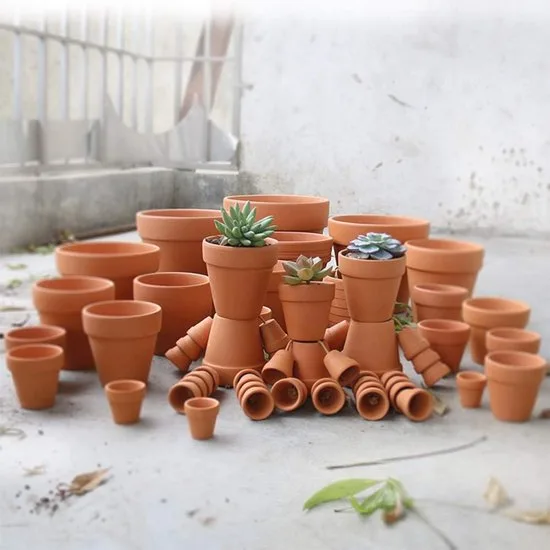
Repotting steps: Choose a pot that’s two inches wider than the current one. Add a layer of your gritty mix at the bottom. Gently remove the plant from its old pot, brush away old soil, and inspect the roots.
Trim any dead or rotten ones with clean scissors. Place the plant at the same depth it was before, fill around the roots with fresh mix, and tap the pot to settle it. Wait a full week before watering, this gives any damaged roots time to callus over.
That’s the number one mistake people make: watering right after repotting. Don’t do it.
The Five Mistakes That Kill a Tough Succulent
You already know this plant is sturdy. It can survive weeks of neglect and still pump out plantlets. But even a resilient succulent has its limits.
Here are the five mistakes that send it to the compost bin.
1. Watering on a schedule. “I water every Sunday” is a recipe for root rot. Water based on soil dryness, not the day of the week.
Sunlight, temperature, humidity, and pot size all affect how fast the soil dries. That means your schedule changes every season. Check the soil first.
Always.
2. Overpotting. A big pot seems generous, but the excess soil stays wet too long. The roots sit in moisture and die.
Use a pot that’s just slightly bigger than the root ball. If you’re not sure, smaller is safer.
3. Using the wrong light. This plant needs direct sun for at least six hours a day. If it’s getting bright indirect light, it will survive but never thrive.
It will stretch, lose leaves, and become a spindly mess. Move it to a south‑facing window or under a full‑spectrum grow light.
4. Ignoring pests and diseases. Mealybugs and scale love succulents, especially if the plant is stressed from overwatering. Check the leaf undersides and the stem joints regularly.
Wipe off mealybugs with a cotton swab dipped in rubbing alcohol. If you see root rot, act fast, cut away rotted roots, repot, and reduce watering.
5. Forgetting toxicity. This is the mistake that can hurt your pets or children. The plant contains potent cardiac glycosides.
According to the ASPCA Animal Poison Control, ingestion can cause drooling, vomiting, heart irregularities, and even death. Every part of the plant is poisonous, including the tiny plantlets that fall off and scatter. If you have curious cats, dogs, or small kids, place this plant out of reach or choose a pet‑friendly alternative.
Avoid these five mistakes and your mother of millions will be one of the easiest, most resilient plants in your collection.
Toxicity, Invasiveness & Safety: Don’t Ignore This
This plant isn’t just tough. It’s genuinely dangerous in the wrong hands or the wrong environment. Every part of the mother of millions contains cardiac glycosides, compounds that directly affect heart function.
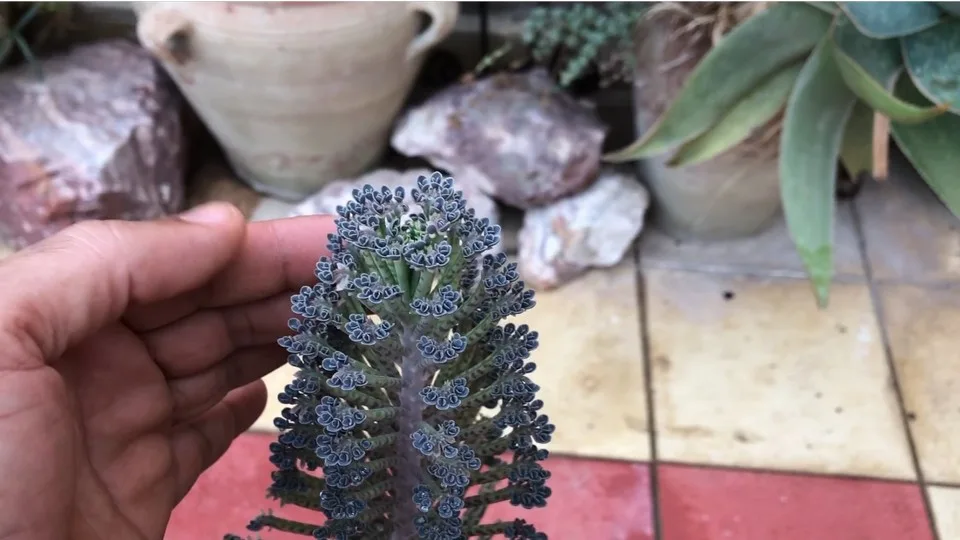
For pets: The ASPCA lists Kalanchoe species as toxic to cats, dogs, and horses. Symptoms start with drooling, vomiting, and diarrhea. In severe cases, the heart rhythm changes, and the animal can collapse.
The tiny plantlets that fall off the leaves are the biggest risk. They look like toys to a curious cat or puppy. A single plantlet can be enough to make a small animal seriously ill.
For humans: The sap can irritate skin and eyes. If a child eats any part of the plant, call poison control immediately. Symptoms mirror those in animals.
Keep this plant on a high shelf or in a room children cannot access.
For the environment: In warm climates like Australia, South Africa, Hawaii, and parts of the southern United States, this plant is classified as invasive. It spreads aggressively through its thousands of wind-dispersed plantlets. It crowds out native species.
In Queensland, Australia, it is illegal to sell or distribute this plant. Check your local regulations before planting outdoors. Container growing is safer and responsible.
Safety best practices:
- Wear gloves when handling the plant. The sap can cause contact dermatitis with repeated exposure.
- Wash your hands immediately after touching any broken leaf or stem.
- Never compost the plantlets or trimmings. They can survive and spread from the compost pile.
- Place the pot on a saucer to catch fallen plantlets, then dispose of them in a sealed bag.
This isn’t meant to scare you. It’s just the reality of keeping a plant with real chemical defenses. Respect that, and it’s a perfectly safe, fascinating houseplant.
Frequently Asked Questions
How often should I water mother of millions?
Water only when the soil is completely dry. For most indoor environments, that means every two to three weeks in summer and once a month in winter. Always check by sticking your finger two inches into the soil.
If it feels damp, wait.
Is mother of millions toxic to cats?
Yes, it is toxic to cats. The plant contains cardiac glycosides that can cause vomiting, heart arrhythmias, and even death if ingested. Keep the plant on a high shelf or in a room your cat cannot access.
Fallen plantlets pose the biggest risk.
Why are the leaves falling off my mother of millions?
The most common cause is overwatering. Mushy, translucent leaves that drop off signal root rot. Let the soil dry out completely and reduce watering.
If lower leaves shrivel and drop, the plant may be too dry or going through normal aging near the base.
Can mother of millions grow outdoors?
Yes, in USDA zones 9 through 11. It needs well-draining soil, full sun, and protection from frost. However, in many warm climates, it is considered invasive.
Check local regulations before planting in the ground. Container growing is recommended.
How do I propagate mother of millions?
You don’t need to do much. The plant propagates itself through tiny plantlets that grow along the edges of the leaves. Gently pluck a mature plantlet, place it on top of moist cactus soil, and wait.
Roots appear within two to three weeks. No rooting hormone is needed.
Does mother of millions need direct sunlight?
Yes, it needs at least six hours of direct sunlight daily. Without it, the stem stretches, leaves turn pale, and growth slows. A south-facing window or a full-spectrum grow light works well.
Acclimate the plant slowly to direct sun to avoid sunburn.