You're standing at the back door with a bucket, staring at a fresh layer of snow. Your houseplants look a little sad. The tap water situation is complicated.
You've heard you can melt snow to water houseplants, but is that actually a good idea? Short answer: yes, if you do it right.
Snow is essentially distilled water that fell from the sky. As of 2026, the average TDS (total dissolved solids) of fresh snow from a clean area is around 0 to 10 parts per million. Compare that to tap water which often runs 100 to 500 ppm.
That low mineral load can be a blessing for sensitive plants but also a trap if you ignore a few key rules. Let's walk through the whole process so you don't accidentally hurt the very plants you're trying to help.
Quick Answer
Yes, melted snow can water houseplants safely. Collect fresh white snow away from roads. Melt it at room temperature.
Filter out debris. Warm it to 60 to 75°F before use. Use within three days.
Avoid snow from treated surfaces.
Is Snow Water Actually Good for Houseplants?
Snow water is naturally soft and low in minerals. It contains no chlorine, fluoride, or the dissolved salts common in municipal tap water. That makes it excellent for plants that hate hard water, like calatheas, ferns, and orchids.
They won't develop the white crust on the soil surface or the leaf tip burn that often comes from tap water buildup.
There's a catch though. Over the long term, snow water lacks trace minerals that plants need in tiny amounts. Calcium, magnesium, and potassium are nearly absent.
If you use only snow water month after month, your plants can become deficient. The fix is simple: rotate between snow water and a balanced diluted fertilizer every two or three waterings.
Another factor is pH. Fresh snow usually tests between 5.0 and 6.5. That's on the acidic side, which suits acid-loving plants like African violets and philodendrons just fine.
But some plants prefer a more neutral pH around 6.5 to 7.0. If you water exclusively with snow water for months, you might lower your soil pH. Keep an eye on that if you notice your plant looking off.
The bottom line here is that snow water is a great occasional option, not a permanent replacement. It mimics natural rainwater, which is what most houseplants evolved to thrive on. The key is knowing when to use it and when to give your plants something else.
How to Tell If Your Snow Is Safe (The Quick Test)
Not all snow is created equal. The biggest risk is contamination. Road salt is the number one enemy.
Snow that gets splashed with salt from a plow or driveway treatment can contain sodium chloride or magnesium chloride. These chemicals damage root cells and can kill a plant within days.
Here is a quick decision tree to use before you scoop even a single flake:
- Color test: If the snow is pure white, it is likely safe. If it looks grey, yellow, or black, skip it. Discoloration often means airborne pollutants, animal waste, or soil mixed in.
- Location test: Is the snow more than 15 feet away from any road, driveway, or sidewalk? If yes, good. If it's within that range, assume salt contamination.
- Surface test: Did the snow fall directly onto grass, a clean deck, or a clean car roof? That's fine. Did it collect on a roof treated with ice melt chemicals? No.
- Freshness test: Is this the first snow of the storm? First snow often picks up more pollutants from the atmosphere. Second or third snowfall tends to be cleaner. But honestly, any fresh snow from a clean spot is fine.
- Taste test: Not recommended, but if you're really unsure, a tiny taste on your tongue will tell you if it's salty. If it tastes salty, don't use it.
Snow that melts, refreezes, or sits for days in a pile can also pick up dirt and bacteria. Stick to snow that falls clean and stays clean. When in doubt, collect from a spot you know is untreated, like a remote corner of your yard or a friend's rural property.
How to Melt Snow for Houseplants: Step-by-Step
This part is simple but has a few critical steps. Follow them and you'll end up with clean, plant-safe water every time.
1. Collect the snow. Use a clean bucket or plastic container. Avoid metal containers because they can leach metallic flavors or react with any pollutants.
Fill it with the best snow you can find based on the test above.
2. Melt it at room temperature. Set the container in your kitchen or garage. Do not apply direct heat.
Do not put it in the microwave. Microwaving can create hot spots that damage the water structure and also risk melting the container. Natural melting takes time, about 4 to 6 hours for a gallon's worth of snow, because snow is mostly air and compacts down to about a quarter of the volume.
3. Filter the water. Once melted, you'll likely see small particles like leaf bits, dust, or even tiny bugs. These are normal.
Pour the water through a coffee filter or a piece of cheesecloth into a clean jug. This step is non-negotiable if you want clear water that doesn't clog your watering can spout.
4. Warm it to room temperature. Cold water straight from melted snow can shock plant roots. Let the water sit in the jug for another hour or two until it reaches 60 to 75°F.
You can speed this by placing the jug in a sink of warm water for 10 minutes. Never heat it on the stove.
5. Use it within three days. Stored melted snow can develop bacteria or mold over time. Keep it in a sealed container in the fridge if you are not using it right away.
Bring it to room temperature before watering.
That's the whole process. It takes a little patience but is completely free and chemical-free. The image below shows a typical filtering setup using a coffee filter.
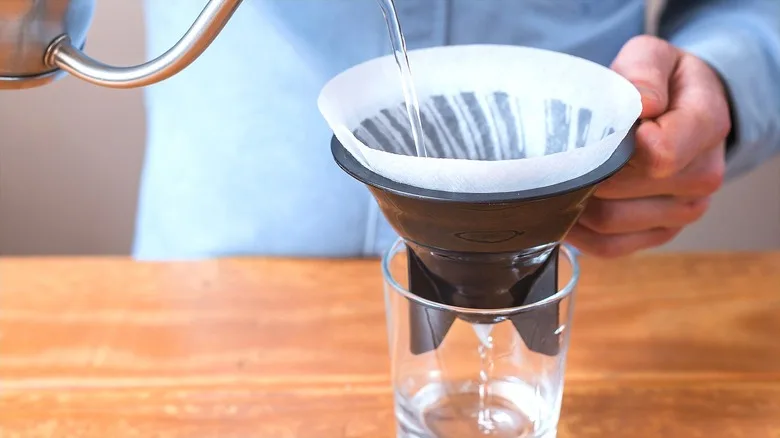
Image source: Web (Bing) / foodrepublic.com (Web image (fair-use with source credit))
Which Houseplants Love Snow Water (and Which Don't)
Some plants thrive on the low mineral content of snow water. Others need the minerals from tap water. Here is a breakdown so you know what works best.
Plants that love snow water:
- Calatheas (prayer plants)
- Ferns (Boston, maidenhair, staghorn)
- Orchids (phalaenopsis, cymbidium)
- Carnivorous plants (Venus flytraps, sundews, pitcher plants)
- African violets
- Marantas
- Peace lilies
- Philodendrons (especially heartleaf)
These plants are sensitive to the chlorine and fluoride found in tap water. They respond with brown leaf tips or yellowing edges when their soil accumulates salt. A switch to snow water can clear that up within a few weeks.
Plants that do fine but with caution:
- Pothos
- Snake plants
- ZZ plants
- Succulents and cacti
These are hardy and can take tap water without issues. Snow water won't hurt them, but they don't need the extra care. Using snow water exclusively might actually make them grow slower because they get fewer trace minerals.
Plants that should not get snow water regularly:
- Plants in heavy bloom (they benefit from slightly higher mineral content)
- Edible plants like herbs and vegetables grown indoors (they need the minerals for flavor and growth)
- Plants that are already showing signs of magnesium or calcium deficiency (yellowing between leaf veins, stunted growth)
The general rule: if your plant is a diva about water quality, give it snow water. If your plant is tough and forgiving, tap water is fine. Rotating is the safest approach for all.
See the image below showing a typical houseplant collection receiving melted snow water.
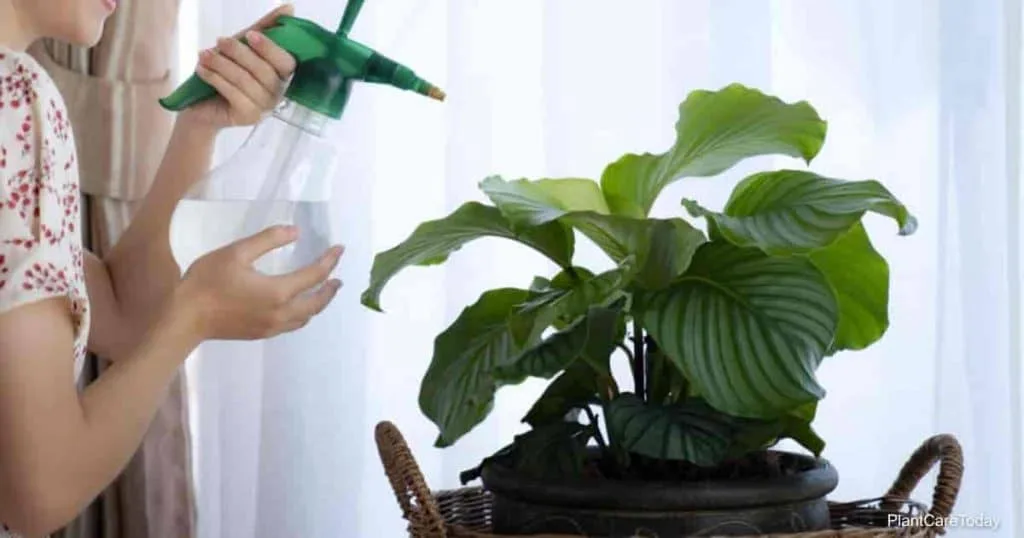
Image source: Bing (Web (fair-use with source credit))
Tap Water vs. Snow Water vs. Rainwater: What's the Difference?
People often ask how these three water sources compare for indoor plants. Here's a clear side-by-side using typical values.
| Water source | TDS range (ppm) | pH range | Chlorine/fluoride? | Free? | Best for |
|---|---|---|---|---|---|
| Tap water | 100–500 | 6.5–8.5 | Almost always | No | Most hardy plants |
| Snow water | 0–10 | 5.0–6.5 | No | Yes | Sensitive plants, occasional use |
| Rainwater | 2–30 | 5.5–6.5 | No | Yes | All plants, but seasonal |
Tap water is convenient and contains essential minerals. The downside is the added chemicals and high mineral load that can leave white deposits. Snow water is purer but colder and has no minerals.
Rainwater is the gold standard because it's naturally soft and slightly acidic without being as extreme as snow water.
The real difference comes down to consistency. Rainwater is available in warm months. Snow water is a winter substitute.
Neither should be your exclusive water source unless you supplement with a quality fertilizer. Tap water is fine if you let it sit out for 24 hours to off-gas chlorine, or if you use a simple filter.
If you live in a place with heavy snowfall and want to collect snow water, think of it as a free wintertime alternative that mirrors what your plants would get in nature. It's not better or worse than tap water, just different. Use it wisely and your plants will thank you.