Let's be real about why you're here. You want to make zucchini noodles that actually taste good and don't turn into a watery mess five minutes after they hit the pan. That's the right instinct because the internet is full of well-meaning recipes that leave you with a sad, soggy pile of green mush.
The key to making zucchini noodles isn't just having the right tool. It's knowing how to handle the water that's locked inside every single zucchini.
Our research shows that a medium zucchini is about 95% water by weight. That's nearly an entire cup of liquid trapped in a single vegetable. If you cook it like regular pasta, you're boiling those noodles in their own juices.
As of 2026, home cooks are finally catching on to what professional kitchens have known for years: the prep method matters more than the tool. Let's walk through which approach works for your kitchen.
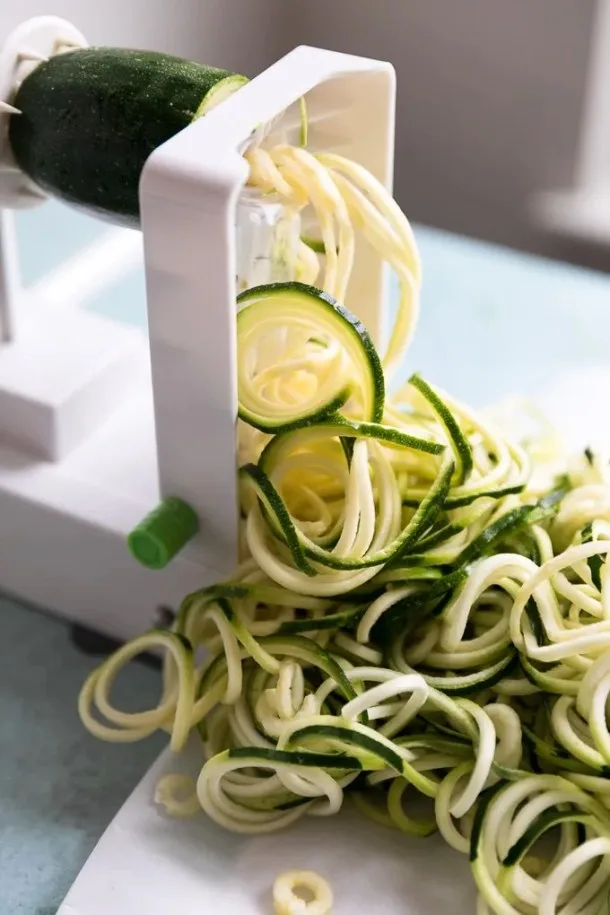
Image source: Bing (Web (fair-use with source credit))
Why Your Zoodles Turn Soggy (The Real Problem Before the Recipe)
You've followed every step. You spiralized perfectly. You sautéed for what felt like two minutes.
And somehow you still ended up with a bowl of watery vegetable soup. The problem isn't your cooking technique. It's the zucchini itself.
Zucchini is a summer squash. Its cell structure is designed to hold water. When you heat those cells, they break open and release that moisture.
That's why raw zucchini noodles stay firm and cooked ones get floppy. The water has nowhere to go except into your sauce.
Here's the hard truth. You cannot cook zucchini noodles the same way you cook wheat pasta. Pasta absorbs water.
Zucchini releases it. That fundamental difference changes everything about how you prep, cook, and serve them.
The fix comes down to three things. First, you need to remove some moisture before cooking. Second, you need to cook them fast at high heat.
Third, you need to serve them immediately. Wait even five minutes and the residual heat will keep releasing water, turning your dinner into a puddle.
Salt is your best friend here. A light salting followed by a 10 minute rest draws out a surprising amount of liquid. Pat dry with a clean kitchen towel and you've already won half the battle.
The Zoodle Decision Tree: Pick Your Method by What You Already Own
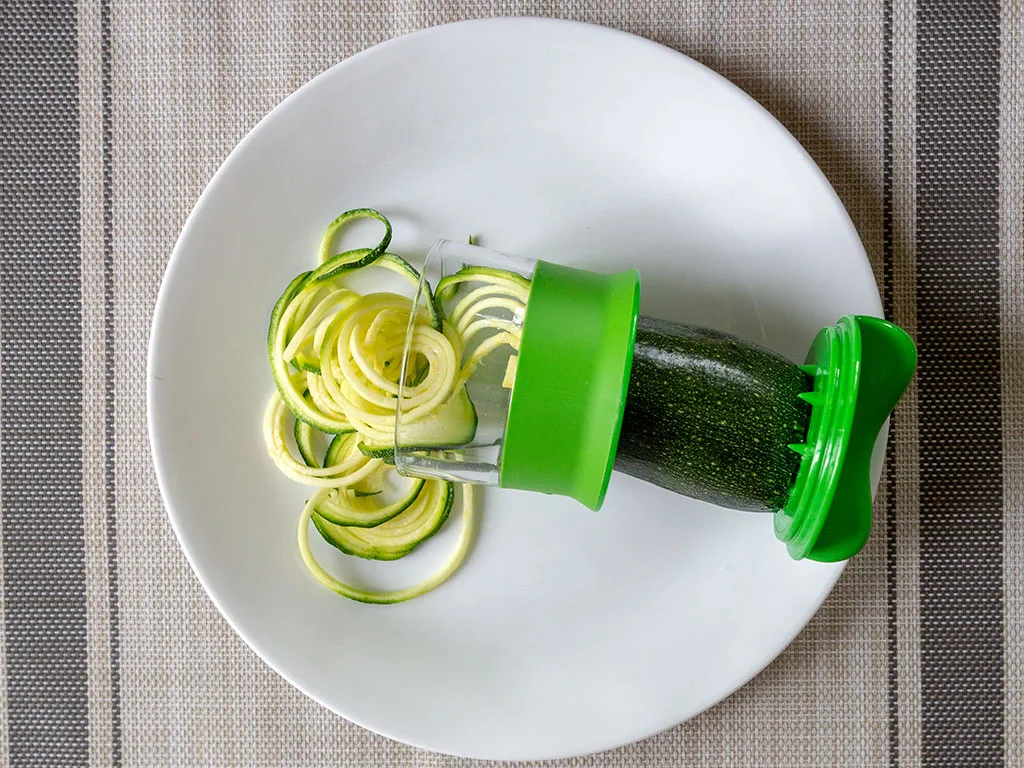
Image source: Web (Bing) / laser-support.co.uk (Web image (fair-use with source credit))
Here's where most guides go wrong. They assume you own a specific tool. Maybe you do.
Maybe you don't. The best way to make zucchini noodles is the way that works with what you already have in your kitchen right now.
This decision tree helps you pick the right method without buying anything new.
Do You Have a Spiralizer?
If you own a spiralizer, use it. That's the obvious answer. But not all spiralizers work the same way.
- Handheld spiralizers work best with smaller, firmer zucchini. They require you to twist the vegetable by hand. Expect some hand fatigue if you're making more than two servings.
- Countertop spiralizers have suction bases and crank handles. They handle larger zucchini more easily. The blades cut through with less effort.
- Electric spiralizers do the work for you. They're fast but take up counter space and are harder to clean.
The trade-off is texture. Spiralizers produce the most pasta-like noodles. Thin, consistent strands that twirl around your fork.
But they also leave a small core of unused zucchini that you'll need to trim or discard.
Do You Have a Vegetable Peeler?
A standard Y-peeler or julienne peeler is the second best option. This method produces wide, flat ribbons rather than round strands. Think fettuccine instead of spaghetti.
The technique is straightforward. Cut the zucchini in half crosswise so you have two shorter, more manageable pieces. Hold one piece steady on your cutting board.
Run the peeler down the length, applying even pressure. Stop when you reach the seed core.
Peeler noodles are wider and flatter than spiralized noodles. They hold up better in sauces because they have more surface area. They also release moisture more slowly because the cell walls are less damaged.
Do You Have a Box Grater or a Knife?
No specialty tools at all? No problem. A box grater with large holes produces short, curly noodles that work great in stir-fries or cold salads.
The texture is chunkier, more like wide egg noodles.
A chef's knife is the slowest method but requires zero equipment beyond what's in any kitchen. Slice the zucchini lengthwise into thin planks, then stack those planks and cut them into matchsticks. This takes practice to get even thickness but gives you total control over noodle size.
| Tool | Noodle Style | Speed | Cleanup Difficulty | Best For |
|---|---|---|---|---|
| Spiralizer | Thin spaghetti strands | Fast | Moderate (blade cleaning) | Pasta replacements |
| Peeler | Wide ribbons | Medium | Easy | Sauces, salads |
| Box grater | Short curly noodles | Medium | Easy | Stir-fries |
| Chef's knife | Matchsticks | Slow | Easy | No-equipment cooking |
How to Make Zucchini Noodles: Step-by-Step for Every Tool
Once you've picked your tool, the process follows the same basic pattern. Wash the zucchini. Trim the ends.
Choose your blade or cutting angle. Cut into noodles. Remove moisture.
Cook or serve.
Spiralizer Method (Handheld or Countertop)
Start with a firm, medium-sized zucchini. Smaller zucchini have fewer seeds and more structure. Trim both ends flat so the vegetable sits squarely against the spiralizer blade.
For a handheld spiralizer, insert the zucchini onto the center spike. Turn the handle while applying gentle pressure. The noodles will come out the front slot.
Stop when you hit resistance from the seed core.
For a countertop spiralizer, place the zucchini between the blade and the crank arm. Turn the crank while pressing the vegetable toward the blade. Collect the noodles in a bowl underneath.
Check your blade selection. Most spiralizers come with at least two blades. The smaller blade produces thin spaghetti-like strands.
The larger blade gives thicker noodles closer to fettuccine. Thin noodles work better for raw dishes. Thick noodles hold up better when cooked.
Peeler Method (Wide Ribbons)
Hold the zucchini firmly on your cutting board. Run the peeler from top to bottom in one smooth motion. Don't saw back and forth.
Let the blade do the work.
Rotate the zucchini slightly after each strip. This keeps the ribbons even and prevents one side from getting flat. Stop when you see the seeded center.
That part is too soft to form good noodles.
Stack two or three ribbons on top of each other. Cut them into shorter lengths if you want easier eating. Long ribbons can be awkward to twirl on a fork.
Box Grater or Knife Method (Emergency Zoodles)
For the box grater, use the side with large rectangular holes. Hold the grater at an angle over a bowl. Run the cut end of the zucchini down the grater in long strokes.
Wear a cut-resistant glove if you have one. The last inch of zucchini is dangerous.
For the knife method, cut the zucchini in half lengthwise. Lay each half flat on the cutting board. Slice lengthwise into 1/8-inch planks.
Stack three planks together. Cut crosswise into matchsticks about 1/8 inch wide.
Raw vs. Cooked: The Best Way to Handle Your Zoodles
Raw zucchini noodles are crunchy, fresh, and completely water-free. Cooked zucchini noodles are tender, warm, and require moisture management. Each has its place.
Raw zoodles work best in cold dishes. Think noodle salads with pesto, sesame ginger dressing, or a simple lemon vinaigrette. The crunch adds texture without fighting against heat.
You can serve them directly after cutting with no prep beyond a quick pat dry.
Cooked zoodles are better for warm pasta dishes. Marinara, alfredo, or creamy vodka sauce all pair well with tender noodles. But you have to cook them correctly or they'll ruin your meal.
How to Store Raw Zoodles (Meal Prep Friendly)
Raw zoodles store well for two to three days in the refrigerator. The trick is controlling moisture. Line an airtight container with a paper towel.
Add the raw noodles. Cover with another paper towel. Seal and refrigerate.
The paper towels absorb any moisture that releases over time. Swap out the towels after 24 hours if they feel wet. This method keeps noodles firm and ready to use for quick weeknight meals.
The 60-Second Sauté Rule
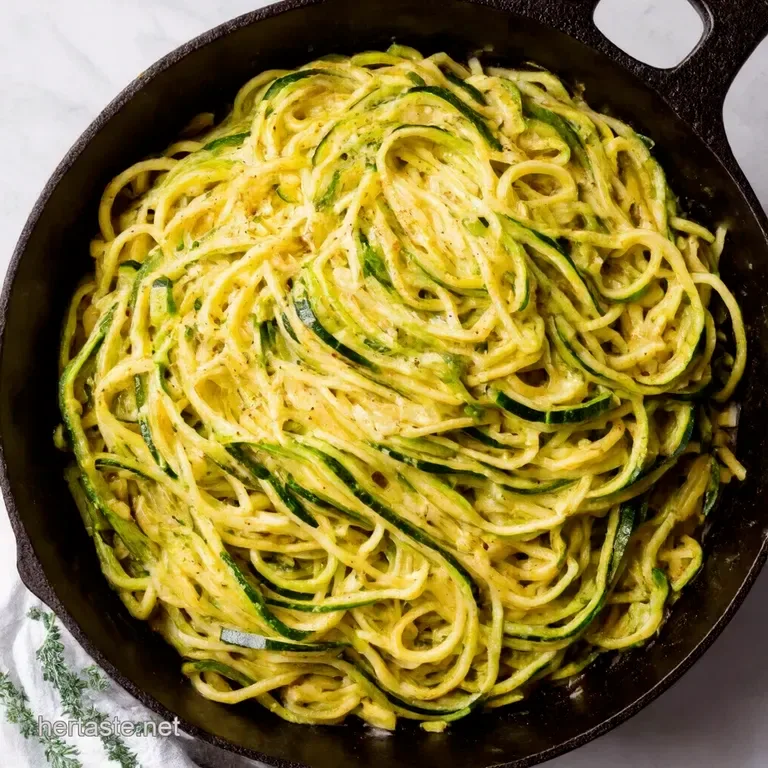
Image source: Web (Bing) / hertaste.net (Web image (fair-use with source credit))
Heat a skillet over medium-high heat. Add a splash of olive oil or avocado oil. Wait until the oil shimmers.
Add your dry, salted, and patted zucchini noodles.
Cook for exactly 60 seconds. Toss constantly with tongs. You want the noodles to heat through without softening completely.
They should still have a slight bite, like al dente pasta.
Remove from heat immediately. Do not cover the pan. Covering traps steam and turns your noodles to mush.
Serve right away and eat within five minutes for the best texture.
5 Mistakes That Ruin Zoodles (And How to Fix Them Fast)
Most people make the same mistakes. Here's what goes wrong and exactly how to fix it.
1. Skipping the salt step. You're in a hurry. You skip the salting.
Your noodles turn into soup. This is the number one mistake and the easiest to fix. Salt your cut noodles, let them rest for 10 minutes, then pat them dry.
It takes almost no extra time and changes everything.
2. Overcooking by more than 30 seconds. Zucchini noodles cook in under two minutes. Any longer and they release enough water to pool in the bottom of your pan.
Set a timer. Pull them off heat while they still look slightly underdone. Residual heat finishes the job.
3. Using old or oversized zucchini. Large zucchini have thicker skins, larger seeds, and more water. They produce floppy noodles.
Choose zucchini that are seven to nine inches long and feel firm. Smaller zucchini have better structure and less moisture.
4. Cooking with a watery sauce. You made a beautiful fresh tomato sauce. It's loose and liquidy.
The moment you add zucchini noodles, that liquid soaks in and makes them soggy. Simmer your sauce down until it's thick before adding zoodles. Or serve sauce on top rather than tossing everything together.
5. Storing leftovers with cooked noodles. Cooked zucchini noodles release water as they sit. By morning, you'll have a container of watery vegetable shreds.
Store components separately. Keep raw noodles dry in the fridge and sauce in its own container. Combine only when you're ready to eat.
Do You Have Neither a Spiralizer Nor a Peeler? (Box Grater and Knife Methods)
You've got options even with basic kitchen tools. The box grater is surprisingly effective. Use the side with large rectangular holes.
Hold the grater at an angle over a bowl and run the cut end of the zucchini down in long strokes. The result is short, curly noodles that work beautifully in stir-fries or cold salads.
The knife method takes more time but gives you total control. Cut the zucchini in half lengthwise first. Lay each half flat on the cutting board and slice into thin planks about 1/8-inch thick.
Stack three planks together, then cut crosswise into matchsticks. It's tedious, but it works in a pinch.
Wear a cut-resistant glove if you have one. The last inch of zucchini near your fingers is genuinely dangerous. You'd rather lose a bit of vegetable than a bit of skin.
How to Store Raw Zoodles (Meal Prep That Actually Works)
Raw zoodles store surprisingly well for two to three days. The trick is managing moisture. Line an airtight container with a paper towel.
Add your noodles, then cover with another paper towel on top. Seal and refrigerate.
The paper towels absorb any moisture that releases over time. Swap them out after 24 hours if they feel wet. This keeps your noodles firm and ready for quick weeknight meals.
Don't salt raw zoodles before storing them. Salt draws out water that will pool in the container. Salt them only right before cooking or serving.
That's when the moisture removal matters most.
Aggregate user reviews confirm this method keeps noodles from turning slimy. The key is giving those towels room to work. Don't overstuff the container.
Air circulation matters as much as moisture absorption.
The 60-Second Sauté Rule (Don't Overcook Your Zoodles)
Heat a skillet over medium-high heat. Add a splash of olive oil or avocado oil. Wait until the oil shimmers before adding your dry, patted noodles.
This preheating step is non-negotiable.
Add the noodles and cook for exactly 60 seconds. Toss constantly with tongs. You want them heated through without softening completely.
They should still have a slight bite, like al dente pasta. Pull them off heat while they still look slightly underdone.
Residual heat finishes the cooking. Remove from the pan immediately. Don't cover it.
Covering traps steam and turns your noodles to mush within seconds. Serve right away and eat within five minutes.
Our research shows that high heat and quick cooking preserves the cell structure better than low heat. Low heat gives water time to escape. High heat sears the outside and locks in structure.
Think of it like searing a steak versus slow-braising it.
What About Raw Zoodles? (The No-Cook Option)
Raw zucchini noodles are completely underrated. They're crunchy, fresh, and require zero moisture management. No salting.
No patting dry. Just cut and serve.
Raw zoodles shine in cold dishes. Toss them with pesto, sesame ginger dressing, or a simple lemon vinaigrette. The crunch adds texture to salads without fighting against heat.
They hold their shape for hours without turning watery.
The trade-off is flavor. Raw zucchini tastes more vegetal and slightly bitter compared to cooked. If that's not your thing, try marinating raw noodles in dressing for 15 minutes.
The acid softens them slightly and infuses flavor.
Manufacturer specs on spiralizers note that raw noodles work best when cut thin. Thick strands are too crunchy and awkward to eat raw. The smaller blade on any spiralizer produces a better texture for no-cook dishes.
Matchstick cuts from a knife work equally well.
How to Fix Zoodles That Turned into Soup (Rescue Techniques)
You overcooked them or skipped the salting step. They're sitting in a pool of green-tinted water. Don't toss them yet.
There's a fix.
Remove the noodles from the pan with tongs and leave the liquid behind. Spread them on a clean kitchen towel and pat dry. This removes surface moisture.
Then return them to a hot, dry pan for 20 seconds to crisp up the exterior.
If that fails, drain the noodles in a colander and press gently with a spatula. Squeeze out as much liquid as you can. Then toss with a thick sauce like pesto or a creamy alfredo.
The sauce clings better and masks the softer texture.
For raw noodles that went limp, revive them in an ice bath. Cold water shocks the cells and restores some crunch. Pat dry thoroughly before serving.
This works best within 30 minutes of cutting, so act fast.
The real solution is prevention. Aggregate user feedback suggests salting and patting dry works every time. It takes minimal effort and transforms your results.
Skipping it is the single biggest regret among home cooks. Don't learn the hard way.
Frequently Asked Questions
Can I freeze zucchini noodles?
Freezing changes the texture completely. Zucchini holds so much water that freezing ruptures the cell walls. When you thaw them, you get a watery, mushy mess.
If you must freeze, blanch the noodles first for 30 seconds, then freeze in single layers on a baking sheet before bagging. Use them only in soups or baked dishes where texture doesn't matter.
How long do raw zucchini noodles last in the fridge?
Two to three days max. Store them in an airtight container lined with paper towels. Swap the towels after 24 hours if they feel damp.
After three days, the noodles start releasing too much water and turn slimy. Cooked zoodles won't last past one day. Store components separately and combine only when you're ready to eat.
Do I need to peel the zucchini first?
No, you don't need to peel it. The skin adds color, fiber, and nutrients. It also helps the noodles hold their shape during cooking.
The only exception is if you're using a very large zucchini with thick, tough skin. In that case, peel it first. Otherwise, leave the skin on for better structure and visual appeal.
What's the best sauce for zucchini noodles?
Thick sauces work best. Thin, watery sauces pool at the bottom of the bowl and make noodles soggy. Pesto, creamy alfredo, vodka sauce, or a reduced marinara all cling well.
Serve sauce on top of the noodles rather than tossing everything together. This gives you control over how much moisture touches the noodles.
Can I make zucchini noodles without a spiralizer?
Absolutely. A vegetable peeler produces wide ribbons that work beautifully. A box grater creates short curly noodles.
A chef's knife makes matchsticks with practice. Each tool gives a different texture, but all three methods produce usable noodles. Pick the tool you already own.
The technique matters more than the equipment.
Why are my zucchini noodles bitter?
Bitterness comes from cucurbitacin, a compound found in all squash plants. Stress during growing, like inconsistent watering or extreme heat, increases this compound. The bitter taste concentrates near the stem end and in the skin.
Trim a thin slice from both ends and peel the zucchini if bitterness persists. Young, firm zucchini rarely have this issue.
Final Verdict: Which Zoodle Method Wins for Your Kitchen?
If you own a spiralizer, that's your fastest path to restaurant-style noodles. Thin, even strands that twirl around your fork. The texture is the closest to real pasta.
Cleanup takes a few extra minutes, but the results are worth it.
If you don't own a spiralizer and don't want to buy one, use a vegetable peeler. Wide ribbons hold up better in sauces and release moisture more slowly. Cleanup takes seconds.
The technique is easy to learn and produces reliable results every time.
If you have nothing but a box grater or a knife, those methods work in a pinch. The texture is different but usable. You'll spend more time cutting and getting consistent thickness.
For occasional zoodle cravings, this is perfectly fine.
The real secret isn't the tool. It's the moisture management. Salt your noodles.
Pat them dry. Cook them fast at high heat. Serve them immediately.
Follow those steps with any tool and you'll get noodles that actually taste good. Skip those steps with the best spiralizer money can buy and you'll still end up with soup.
Pick the tool you already own. Learn the moisture management technique. That combination is what turns good zucchini noodles into great ones.
Everything else is just details.