You can make a bee friendly garden without a huge plot of land or a horticulture degree. It really comes down to three things: choosing the right flowers, offering water and shelter, and passing on the pesticides. Even a small balcony planter can feed dozens of bees over a single season.
Here's a number that might surprise you. As of 2026, researchers have identified over 4,000 native bee species in North America, and every one of them depends on flowers for food. That's why the decisions you make in your garden matter far beyond your own backyard.
Let's look at what bees are actually searching for when they land in your space.
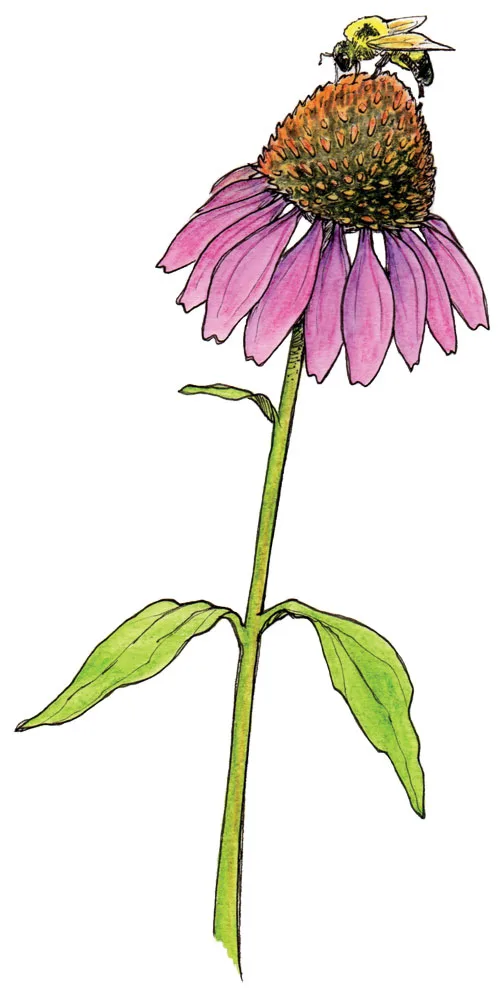
Image source: Web (Bing) / nancyseiler.com (Web image (fair-use with source credit))
Why Your Garden's Look Matters to Bees
Bees don't see your garden the way you do. Their eyes are tuned to blue, purple, yellow, and white, plus ultraviolet light. That means many flowers have nectar guides you can't even see, glowing patterns that point straight to the food.
That visual sense shapes how they find your backyard. A single flower here and there is hard to spot. A dense clump of the same plant is a beacon.
When you group at least three to five plants of the same species together, you create a landing zone bees can see clearly from a distance. It's like a restaurant with a bright sign versus a food cart tucked behind a corner.
If you're planning a border, aim for drifts of color that cover roughly one square foot per species. You can still mix and match, but keep each species grouped. A photo or sketch of your garden from a bee's eye view would show blocks of color, not scattered single dots.
That's the pattern that works.
Heights and bloom times help too. Tall wildflowers on one side, compact annuals on the other, and you've created a layered foraging area that's easy for bees to navigate. When you step back, a bee friendly garden looks ordered to them, not chaotic.
What Bees Actually Want from a Flower
Bees aren't picky eaters, but they are specialists in their own way. They need nectar for energy and pollen for protein. A flower that offers both is a five-star meal.
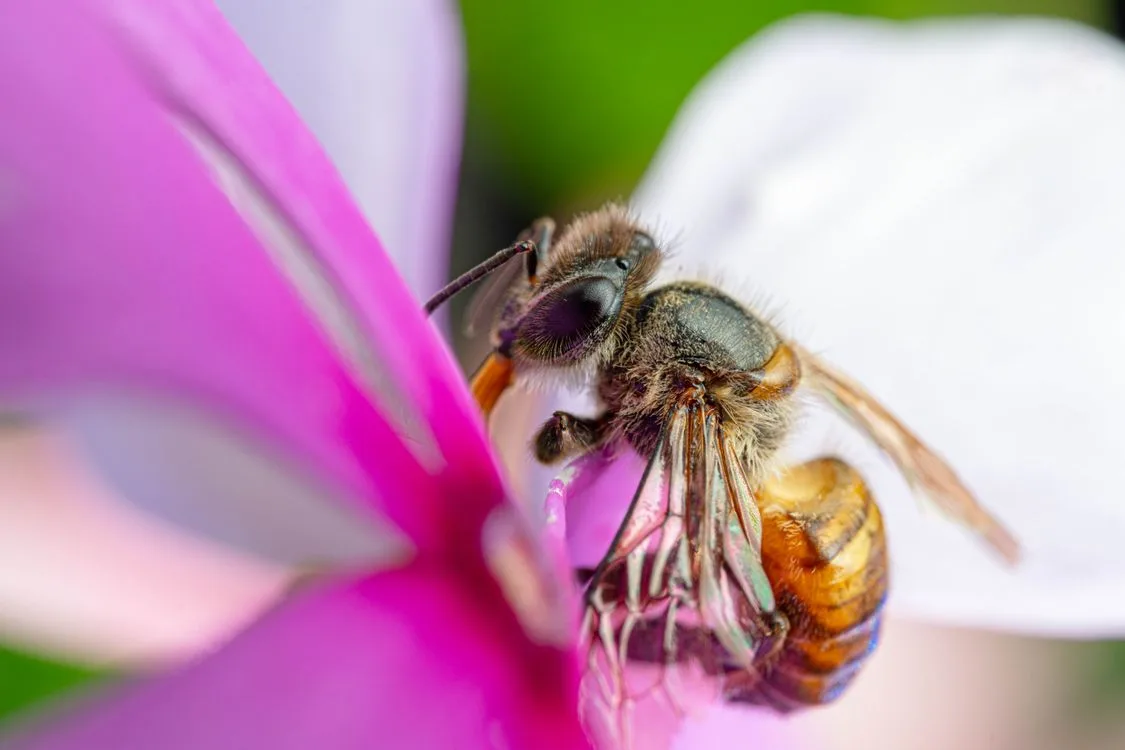
Image source: Web (Bing) / pexels.com (Web image (fair-use with source credit))
Flower shape is usually the biggest factor. Open, shallow blooms like daisies, asters, and black-eyed Susans let short-tongued bees feed easily. Tubular flowers such as penstemon, salvia, and honeysuckle are built for long-tongued bees like bumblebees, which reach deep inside.
You'll often see them hanging upside down just to get at the nectar.
Flower structure matters too. Double flowered roses, dahlias, and impatiens look gorgeous, but the extra petals often block access to the center. In our research, these cultivars regularly rank as near-useless for pollinators.
If you can't easily see the center of a flower, a bee can't either.
Color plays a role as well. Bees see blues, purples, yellows, and whites most clearly, and they perceive ultraviolet light that we can't access. Red reads as a dark hole to many bees, so they skip it.
For a reliable bee buffet, pick singles, not doubles.
Scent is the second clue. Herbs like thyme, oregano, and lavender produce strong aromas that guide bees even when the light is low. That's why a simple herb pot often buzzes more than an entire rose bed.
The Plants That Bring Bees In (and the Ones That Don't)
You've got a lot of good choices, but the best approach is to lean on plants with a proven track record. Native wildflowers are the gold standard because local bees already know them. Good choices include asters, goldenrod, bee balm, coneflower, and milkweed.
Herbs are tiny bee magnets. Lavender, borage, basil, chives, and thyme flower easily and offer tons of nectar. Don't forget flowering trees and shrubs like willows, plums, wild cherry, and serviceberry.
They provide an early spring meal when nothing else is blooming.
On the flip side, skip modern hybrids that sacrifice pollen for petals. Double blooming peonies, carnations, many tender annuals like geranium hybrids, and wind-pollinated grasses and conifers do little for bees. Also, some imported exotics just aren't suited to most pollinator communities.
A simple way to build a plant list is to check what your local university extension service recommends for native bees. As of 2026, most state extension programs publish free pollinator plant lists sorted by region. Use those as the backbone, then add a few herbs and annuals you love.
That keeps the garden personal but still pollinator-friendly. The Xerces Society also keeps a regional pollinator plant finder that's a great starting point.
Giving Bees a Home: Water, Nesting, and Shelter
Flowers are only half the story. Bees also need places to drink, nest, and ride out bad weather. A garden without these is like a diner with no seats.
A shallow water source is simple to make. Fill a dish with pebbles or marbles and add water, but leave the stones exposed so bees can crawl in and drink without drowning. Change the water every couple of days to keep it fresh.
Nesting is the part most people skip. About 70% of native bees are ground nesters. They dig small tunnels in bare, well-drained soil.
Leave a patch of soil undisturbed, free of mulch and grass, and they'll find it. The other 30% are cavity nesters that use hollow stems, wood holes, and insect hotels.
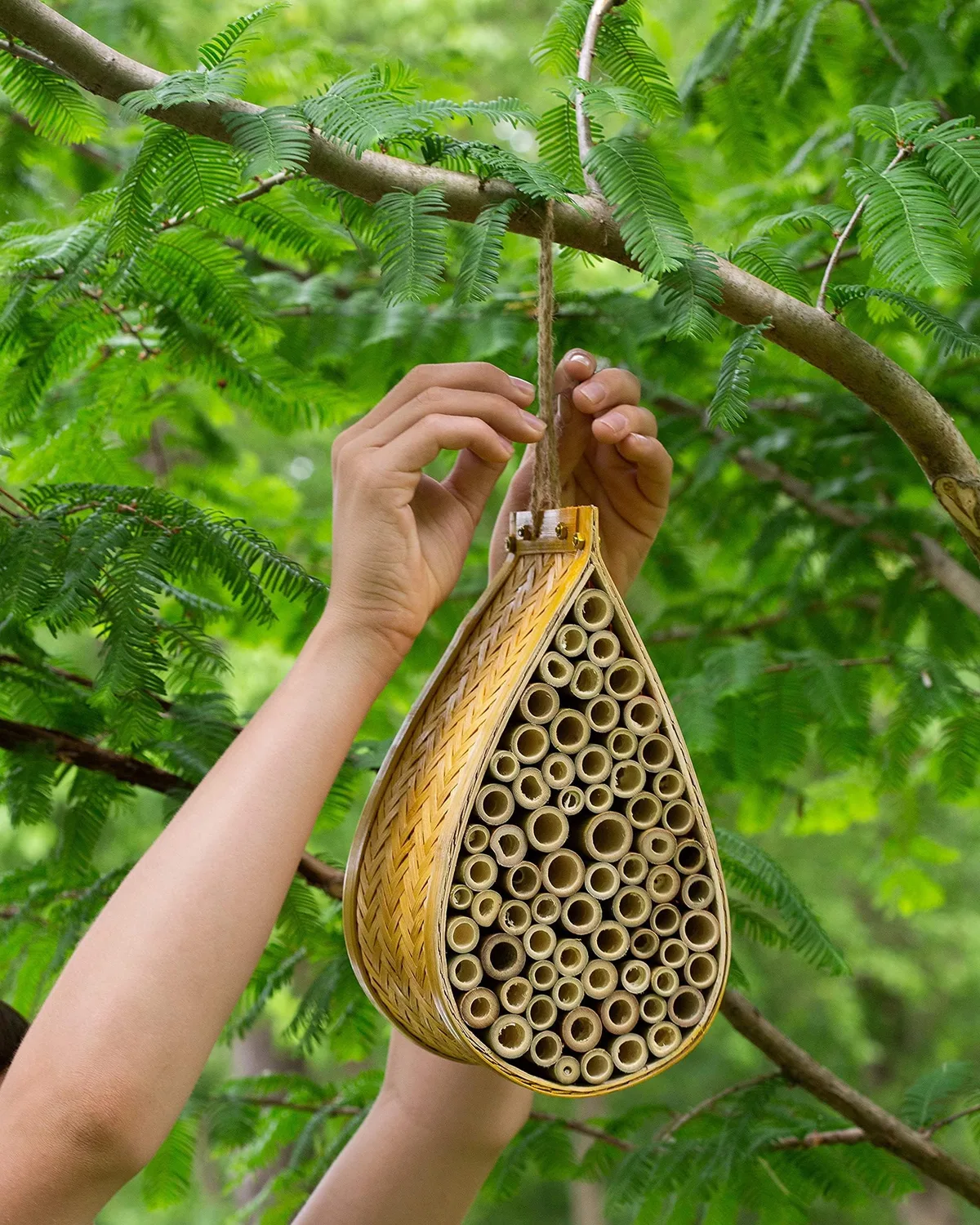
Image source: Web (Bing) / amazon.com (Web image (fair-use with source credit))
If you want to hang a bee hotel, mount it in a sunny spot with a clear flight path. Clean it annually to avoid mites and fungus. Leave hollow-stemmed plants like raspberry canes, elderberry, or sunflower stalks standing through winter, then cut them down in spring.
Many bees nest inside those old stems.
Shelter from wind helps too. A fence, hedge, or even a row of tall perennials breaks up strong gusts and makes foraging easier. And skip the leaf blower near your beds.
Leaf litter is a cozy winter hideaway for nesting queen bees, not just garden waste.
How to Keep Your Garden Blooming All Season Long
A bee friendly garden needs flowers in every season, not just spring. Bees need a continuous bloom sequence from early spring to late fall, otherwise they'll have a feast in May and a famine in August.
Here's a quick reference table for common bee-friendly plants:
| Season | Plants to include | What bees get |
|---|---|---|
| Early spring | Willow, crocus, wild cherry, bluebells | First pollen after winter |
| Late spring | Alliums, borage, lupine, poppies | Long-tongued bees love the open blooms |
| Summer | Lavender, coneflower, salvia, zinnia | High nectar volume during the busiest season |
| Late summer | Goldenrod, asters, sunflowers, sedum | Protein-packed pollen for new queens |
| Fall | Asters, viburnum, honeysuckle | Fuel for bees storing up for winter |
To keep flowers coming, plant in clusters of at least three per species and deadhead spent blooms. If you leave a few faded flowers to go to seed, you'll often get a second round later. Also, resist the urge to over-till your beds.
The less you dig up the soil, the more likely you'll see ground-nesting bees return year after year.
Common Mistakes That Look Pretty but Hurt Bees
It is easy to make your garden look beautiful and accidentally harm the very insects you are trying to help. A few well-intentioned choices can turn a bee friendly garden into a food desert.
The biggest mistake is buying plants treated with neonicotinoids. These systemic pesticides stay inside the plant for months. Pollen and nectar become toxic to bees.
Many big box nurseries still sell treated plants. Ask your local grower directly whether they use neonicotinoids. If they hesitate, shop elsewhere.
Another common error is planting double-flowered cultivars. Hybrid roses, peonies, and some zinnias look spectacular. But those extra petals block nectar access entirely.
Bees fly right past them. Stick with single-flowered varieties. If a flower looks like it has no visible center, it has no usable food.
Over-tidying your garden is another trap. Raking every fallen leaf, cutting back every dead stem, and removing all leaf litter destroys overwintering sites. Many native bees nest in hollow stems or under leaf piles.
Leave stems standing until late spring. Keep a small brush pile in a quiet corner.
Planting too few flowers or scattering them individually is another problem. A single lavender plant in a big yard offers almost nothing. A cluster of five or more of the same plant creates a real foraging patch.
Drifts of color matter more than a diverse mix of lonely singles.
Using weed fabric or heavy mulch in flower beds blocks ground-nesting bees entirely. Leave at least a few patches of bare, undisturbed soil where bees can dig their tunnels. Skip the landscape fabric in bee-friendly zones.
Frequently Asked Questions
What is the quickest way to make my garden more bee friendly?
Stop using pesticides immediately and add at least three native flowering plants that bloom at different times. Even one pot of lavender or borage on a patio will attract bees within days. Those two changes alone make a measurable difference.
Do I need a big yard to help bees?
No. A balcony container with four or five bee-friendly plants can feed dozens of bees over a season. The key is choosing the right plants and keeping them blooming.
One pot of flowering herbs does more than a lawn full of grass.
Should I buy a bee hotel from a garden store?
They can work, but many commercial models are poorly designed. Look for one with solid wood and removable nesting blocks you can clean. Avoid bamboo tube bundles that trap moisture.
A simple block of untreated wood with drilled holes often works better.
Can I still have a nice-looking lawn?
Yes. Let clover and dandelions bloom in your grass. They are excellent bee food.
Mow less frequently during spring and early summer. A "pollinator lawn" with mixed grasses and broadleaf flowers looks slightly wilder but supports far more life.
How long does it take for bees to find a new garden?
Bees can discover a new flower patch within hours if you plant the right blooms. Scent carries fast, and bees are excellent at spotting color from a distance. In our research, most new pollinator gardens have regular visitors within one to two weeks.
What should I do if I see a bee that looks tired on the ground?
Mix a tiny amount of sugar with warm water and offer a drop on a spoon or flower petal. Do not use honey. Honey can contain pathogens that harm bees.
Place the bee in a sunny, sheltered spot and let it recover on its own.