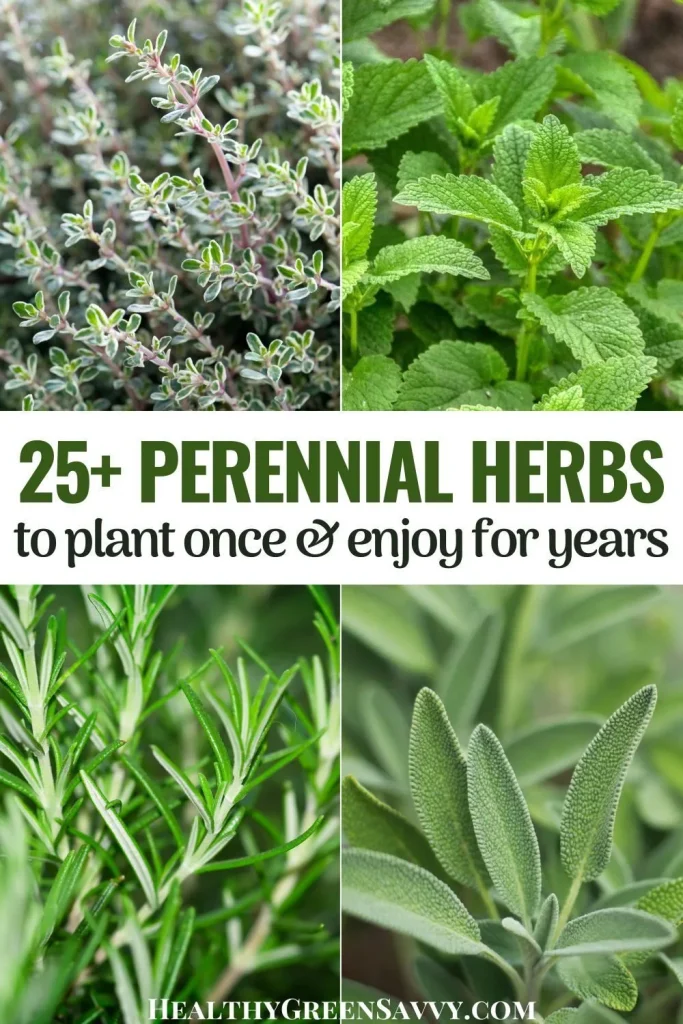
You've probably seen those lists of perennial herbs that promise a low-maintenance garden for years. The problem is most of them are useless unless they match your exact climate, soil, and sunlight. A proper list of perennial herbs has to be filtered through your specific conditions, not just what's popular at the nursery.
According to the USDA Plant Hardiness Zone Map, which divides North America into 11 distinct climate zones, a herb that thrives in Zone 9 will die before Thanksgiving in Zone 4. That's why a generic list fails almost everyone. Let's fix that by building yours from the ground up.
Image source: Web (Bing) / artopoi.de (Web image (fair-use with source credit))
Quick Answer
A truly useful list of perennial herbs depends on your climate zone. For cold climates (Zones 3-5), grow chives, mint, and oregano. For moderate climates (Zones 6-8), add thyme, sage, and rosemary.
For hot climates (Zones 9-10), include lavender, lemongrass, and marjoram. Always match herbs to your sun and soil conditions.
The Real Problem With Most "Perennial Herbs" Lists
Most lists treat every gardener like they live in the same place. That's not how gardening works. A Mediterranean herb like rosemary needs full sun and dry soil.
Put it in a shady, damp corner and it rots before the first frost hits.
The same problem shows up with invasiveness. Many lists recommend mint without warning you that it spreads aggressively. If you plant mint straight into garden soil, you'll be pulling runners out of your flower beds for years.
A decision-based list accounts for these realities.
Here's the rule of thumb: if a list doesn't ask you about your zone, your sun exposure, and your soil type before making recommendations, it's not a useful list. It's just a collection of names that may or may not survive in your yard.
What Actually Makes a Perennial Herb Worth Growing?
After filtering through hundreds of gardener experiences and cooperative extension guides, three requirements separate worthwhile perennials from frustrating ones.
Hardiness for your specific zone. A plant labeled "perennial" means it comes back year after year, but only in zones where it can survive winter. For example, rosemary is reliably hardy only to Zone 7. In Zone 5, you'll need to treat it as an annual or winter it indoors.
Matches your sun and soil conditions. Perennial herbs fall into two broad camps: the sun-loving Mediterranean group and the moisture-loving woodland group. Trying to grow oregano in deep shade is a losing battle.
Matches your intended use. Are you cooking with it daily? Making tea? Attracting pollinators?
Each use points toward different herbs.
The single most important question to ask yourself before buying a single plant is simple: "What do I actually want to do with this herb?" Because if you love cooking Italian food, a big patch of lavender won't help you in the kitchen.
| Requirement | What It Means | Example |
|---|---|---|
| Hardiness | Can survive winter in your zone | Rosemary dies below 20°F |
| Sun & soil | Right light and drainage for the plant | Thyme needs full sun |
| Intended use | Matches your cooking or gardening goals | Oregano for cooking, lavender for sachets |
Hardiness Zone Reality Check
Your hardiness zone is the single biggest filter for choosing perennial herbs. As of 2026, the USDA map remains the standard reference for North American gardeners. Here's what works where.
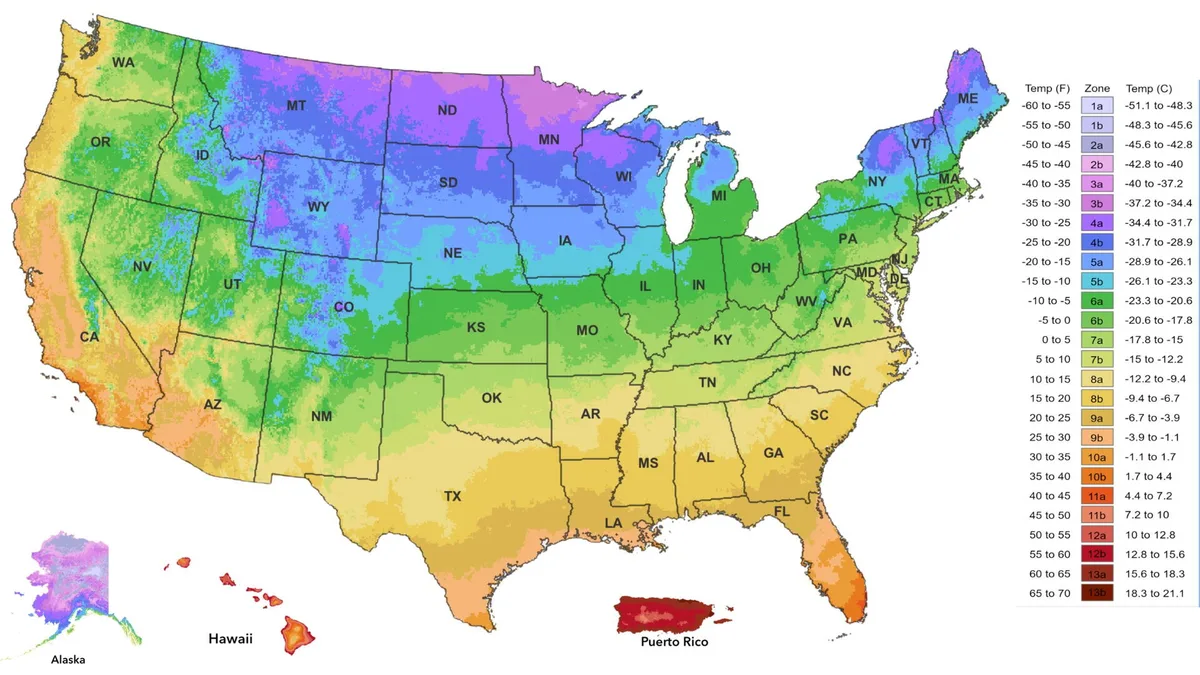
Image source: Bing (Web (fair-use with source credit))
For Cold Climates (Zones 3-5)
If you live in a zone where winter temperatures drop to -30°F or -20°F, you need tough herbs that die back to the ground and regrow in spring. Chives, mint, oregano, and sage handle this well. Tarragon and sorrel are also reliable.
Avoid rosemary, lavender, and thyme unless you're prepared to overwinter them indoors or in a cold frame.
For Moderate Climates (Zones 6-8)
This is the sweet spot for most perennial herbs. Thyme, sage, oregano, chives, mint, and lavender all thrive here. Rosemary survives in Zone 7 and 8 with good drainage and winter protection.
Lemon balm and catmint also do well. The main risk here isn't cold kill, it's wet soil during winter.
For Hot Climates (Zones 9-10)
Heat and humidity change the game. Rosemary, thyme, oregano, and sage love hot dry summers. Lavender struggles with high humidity unless you choose resistant varieties like 'Phenomenal'.
Lemongrass, Mexican tarragon, and marjoram are excellent choices. The bigger risk in these zones is root rot from summer rains.
| Zone Range | Herbs That Thrive | Herbs That Struggle |
|---|---|---|
| 3-5 | Chives, mint, oregano, sage | Rosemary, lavender, thyme |
| 6-8 | Thyme, sage, oregano, lavender | Rosemary in Zone 6 without protection |
| 9-10 | Rosemary, lemongrass, marjoram | Lavender in high humidity |
Sun Exposure & Soil Type: Your Two Biggest Filter Factors
After zone, the next two filters are sun and soil. Most perennial herbs want full sun, which means at least six hours of direct sunlight per day. But not all herbs have the same needs.
Full-Sun, Well-Drained Soil: The Mediterranean Herbs
Rosemary, thyme, oregano, sage, and lavender all come from Mediterranean climates. They need full sun and soil that drains quickly. If your garden has heavy clay soil, these herbs will rot.
You can amend the soil with sand or gravel, or grow them in raised beds or containers.
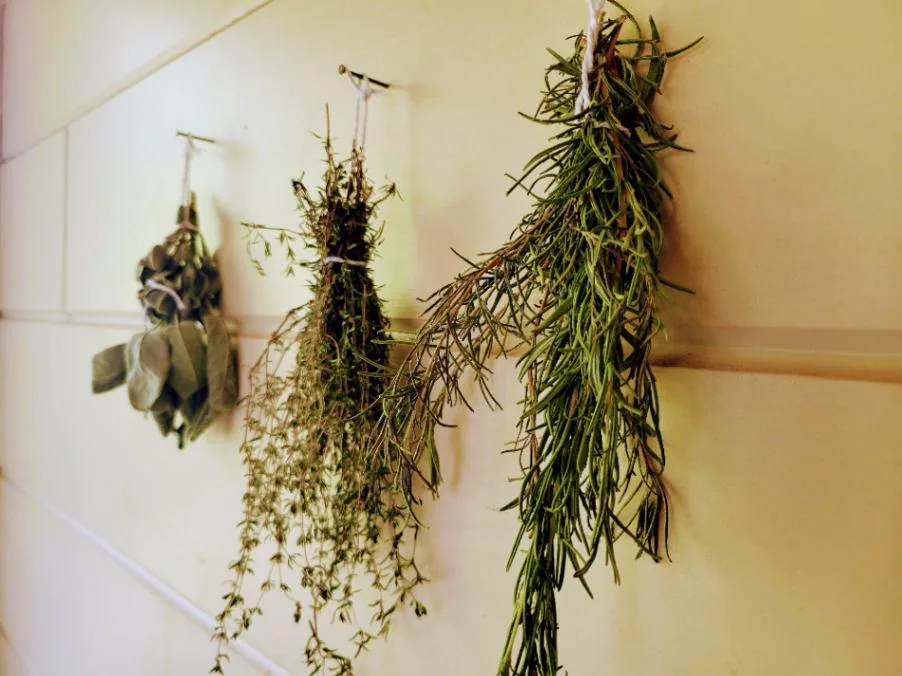
Image source: Web (Bing) / herbgardencooking.com (Web image (fair-use with source credit))
Partial Shade, Moist Soil: The Woodland Herbs
Mint, lemon balm, chervil, and sweet woodruff prefer partial shade and consistently moist soil. Mint is the only one of these that tolerates full sun, and even it prefers afternoon shade in hot climates. These herbs are forgiving of less-than-perfect soil but won't tolerate drying out completely.
Tolerance Cheat Sheet for Tricky Spots
What if your garden doesn't match either camp perfectly? Here's a quick reference for borderline conditions.
- Partial sun (3-5 hours): Chives, lemon balm, mint, sorrel
- Poor, dry soil: Lavender, thyme, oregano
- Wet, heavy soil: Mint, lovage, angelica
- Containers on a hot patio: Rosemary, thyme, oregano
If you only have partial sun, chives and mint will still give you a decent harvest. If you have blazing afternoon sun, rosemary and thyme will reward you. The trick is matching the herb to the microclimate you actually have, not the one you wish you had.
Culinary Workhorses: The Ones You'll Reach For Every Day
If you want perennial herbs that earn their space in the kitchen, these are the ones that cook with best and come back reliably.
Chives are hands down the easiest perennial herb for beginners. They survive Zones 3-9, tolerate partial shade, and regrow quickly after cutting. Snip them into eggs, salads, and soups for a mild onion flavor.
They're also one of the first herbs to appear in early spring.
Thyme is a workhorse in Mediterranean cooking. It's drought-tolerant, hardy to Zone 5 with mulch, and stays low to the ground as a ground cover. Use fresh or dried in roasted vegetables, meat dishes, and stews.
Oregano is vigorous to the point of being nearly invasive. Greek oregano is the most flavorful variety for cooking. It spreads by underground runners, so contain it in a pot if you're worried about it taking over.
Sage has a bold earthy flavor that pairs well with poultry and pork. It's hardy to Zone 5 and thrives in poor soil. The leaves are large enough to stuff or fry as a garnish.
Rosemary is the most aromatic of the group but also the most finicky about cold. In Zones 7-10, it grows as a shrub year-round. In colder zones, grow it in a pot and bring it indoors before the first frost.
One plant can last for years with proper care.
The common thread here is that these herbs get used weekly in most kitchens. They're not ornamental plants you admire from the window. They're the ones you walk out to the garden and snip straight into the pan.
Medicinal & Tea Herbs Worth the Space
Not every perennial herb needs to end up on your plate. Some earn their place for tea, tinctures, or simply attracting pollinators.
Mint is the undisputed king of tea herbs. Peppermint and spearmint both survive Zones 3-10 and spread aggressively. The trick is containing them.
Plant mint in a pot or a sunken bucket, never straight into garden soil. One plant gives you enough leaves for fresh tea all season plus dried leaves for winter.
Lemon balm is a gentler option. It has a mild citrus flavor without the invasiveness of mint. It prefers partial shade and tolerates poor soil.
The leaves make a calming tea that helps with sleep. In our research, lemon balm ranks as the second most popular medicinal perennial herb behind mint.
Lavender serves triple duty. It's ornamental, aromatic for sachets, and the flowers make a floral tea. The key is choosing the right variety.
English lavender (Lavandula angustifolia) is the hardiest and most flavorful for culinary use. It survives Zone 5 with good drainage and winter mulch.
Echinacea and chamomile are worth mentioning even though chamomile is technically an annual. Echinacea comes back reliably in Zones 3-8 and produces purple flowers that dry well for tea. Both support pollinator populations in your garden.
How To Plant & Get Them Established
Getting perennial herbs off to a good start matters more than any other care step. You have three main options.
From Nursery Starts (Easiest Route)
Nursery starts give you a plant that's already several months old. Dig a hole twice the width of the pot. Mix in compost if your soil is poor.
Place the plant at the same depth it was in the container. Water deeply once, then let the soil dry before watering again. Give it one full season to establish before heavy harvesting.
From Divisions (Best Value)
If you have a friend with established herbs, divisions are free. In early spring or fall, dig up a clump of chives, oregano, or mint. Split it into sections with roots attached.
Replant immediately. Divisions mature faster than seeds and preserve the exact flavor of the parent plant.
From Seed (Cheapest but Slower)
Starting herbs from seed takes patience. Oregano, sage, and thyme germinate in 7-14 days indoors. Lavender can take 30 days or more.
Use a seed-starting mix and keep the soil warm. Transplant outdoors after the last frost date. Expect a smaller harvest in the first year.
| Method | Cost | Time to Harvest | Best For |
|---|---|---|---|
| Nursery starts | Medium | Same season | Rosemary, lavender |
| Divisions | Free | Same season | Chives, oregano, mint |
| Seed | Low | Second season | Thyme, sage, basil |
Mistakes That Kill Perennial Herbs
Most perennial herb failures come down to three predictable problems. Avoid these and you're ahead of most gardeners.
Overwatering & Poor Drainage
This is the number one killer of Mediterranean herbs. Rosemary, thyme, sage, and lavender evolved in rocky, dry soil. Their roots rot if they sit in wet soil for more than a few days.
If your soil is heavy clay, grow these in raised beds or containers with drainage holes. Water only when the top two inches of soil feel dry.
Wrong Zone Warnings
Planting a Zone 7 herb in a Zone 4 garden is a guaranteed loss. Check your zone before buying. If you're on the edge of a zone boundary, choose the colder-rated herb.
You can always provide winter protection. You can't change the average low temperature.
The Invasive Herb Trap
Mint, oregano, and lemon balm spread aggressively through underground runners. If you plant them in open garden beds, they will take over. The fix is simple.
Plant them in containers or install a root barrier. A plastic pot sunk into the ground with the bottom cut out works as an effective barrier. Check it annually for escape runners.
Frequently Asked Questions
Do perennial herbs come back every year without replanting?
Yes, as long as they're hardy to your zone. The top growth dies back in winter, but the roots survive and send up new shoots in spring. Some short-lived perennials like marjoram may need replacing every 3-4 years.
What's the easiest perennial herb for a complete beginner?
Chives are the easiest by far. They survive Zones 3-9, tolerate partial shade, and grow in average soil. You can plant them from nursery starts or seeds.
Snip leaves as needed and they regrow quickly.
How long do perennial herbs actually live?
It depends on the species. Chives and mint can live 10 years or more. Oregano and sage last 4-6 years before becoming woody.
Thyme and lavender peak at 3-5 years and then benefit from replacement. Rosemary can live 10-15 years in warm climates.
Can I grow perennial herbs in containers?
Most perennial herbs do well in containers. Use a pot at least 12 inches wide with drainage holes. Water more frequently than in-ground plants.
In cold climates, move containers to a sheltered spot or indoors before the first hard frost.
Should I cut back perennial herbs for winter?
Yes, but wait until after the first hard frost kills the top growth. Cut stems back to 2-3 inches above the ground for most herbs. Leave rosemary and lavender unpruned until spring.
Mulch the crown with straw or leaves in cold zones.