If you've ever brought home a lavender plant only to watch it turn brown and woody within a year, you're not alone. The real issue is almost never a lack of sunlight or fertilizer. It is nearly always a breakdown in understanding the specific conditions your specific lavender needs.
That's what real lavender plant care boils down to.
Consider this: the Royal Horticultural Society notes that over 90% of lavender failures in temperate climates are directly tied to poor drainage rather than cold damage. That one number changes how you approach everything from soil prep to pot selection. Let's break down why your lavender is struggling and how to fix it permanently.
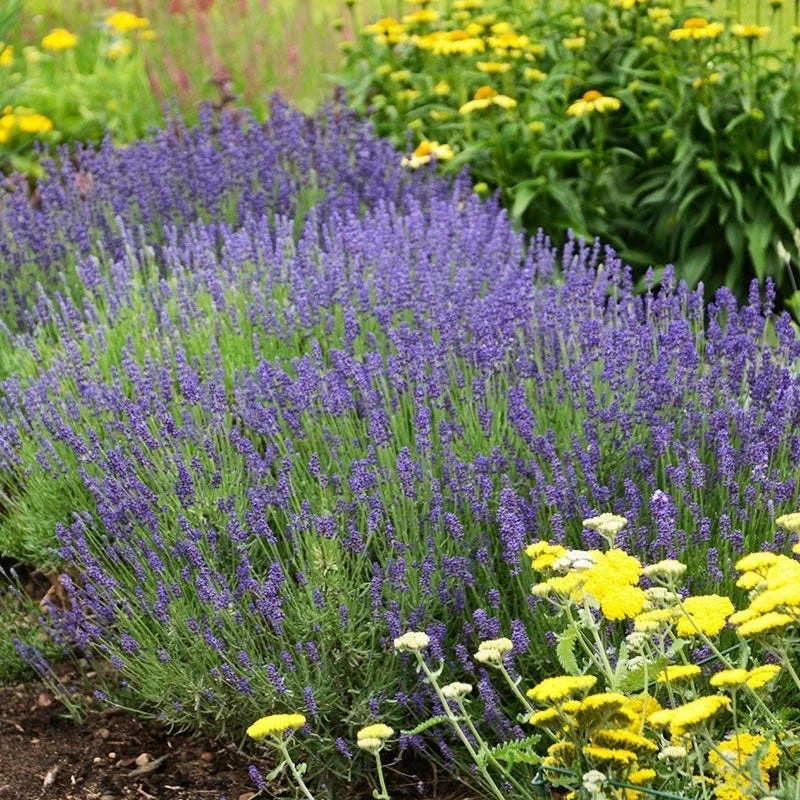
Image source: Web (Bing) / highcountrygardens.com (Web image (fair-use with source credit))
Quick Answer
Lavender plant care is about matching the plant to your climate, soil, and variety. The most critical factor is drainage. Overwatering or wet winter soil causes root rot.
Lavender needs full sun, alkaline soil, and infrequent deep watering. Prune annually into green growth, not old wood. Match the routine to your region for healthy, long-lived plants.
The Real Problem: Why Your Lavender Probably Isn't Dying from Cold
We see it all the time. A gardener loses a lavender plant after a rough winter and assumes the cold killed it. That assumption is usually wrong.
Check your local USDA hardiness zone. English lavender (Lavandula angustifolia) is rated for zones 5 through 9. It survives winter lows of -20°F.
The real killer is a combination of wet soil and freezing temperatures. Water expands when it freezes. It literally shears the delicate root hairs off the plant.
Come spring, the top looks okay for a minute. Then it collapses because the roots are gone.
If your lavender died over winter, ask this question first: did it have excellent drainage? If the answer is no, that is why. It wasn't the cold.
It was the ice forming in the mud around its roots.
The 4 Questions That Pick Your Care Path: Climate, Soil, Container, and Variety
You cannot use a generic schedule for lavender. The care plan depends on four specific factors. Answer these before you plant.
1. What is your climate? Are you dealing with humid summers, dry heat, cold wet winters, or mild Mediterranean conditions? Each requires a different approach.
2. What is your soil type? Is it heavy clay, sandy loam, or rocky gravel? Lavender hates clay unless you modify it heavily.
3. Where will it live? Does this plant need to survive in a pot on a balcony or in the ground? Potted plants need different winter protection.
4. Which variety is it? This is huge. English lavender is a tough perennial.
French lavender (Lavandula stoechas) is a tender shrub that hates frost. Lavandin is a vigorous hybrid bred for oil production.
Most store-bought lavender is either English or French. Check the tag before you buy. The care plan diverges dramatically based on these four answers.
We will walk through each branch below.
Decision Branch 1: In-Ground vs. Potted Lavender — Drainage Is Everything
This might be the biggest single decision you make. It dictates your watering schedule, soil mix, and winter survival rate.
In-Ground: You are at the mercy of your native soil. If you have clay, you cannot just dig a hole and drop the plant in. That creates a bowl where water collects.
You must either amend the entire bed with coarse sand and gravel, or build a raised bed. The root zone needs to be dry, not just the surface.
Potted: You have total control over the soil, but you must manage water carefully. A pot with no drainage hole is a guaranteed plant coffin. Use a terracotta pot.
It breathes and helps the soil dry out faster. Use a gritty mix: one part potting soil, one part coarse sand, one part perlite or chicken grit.
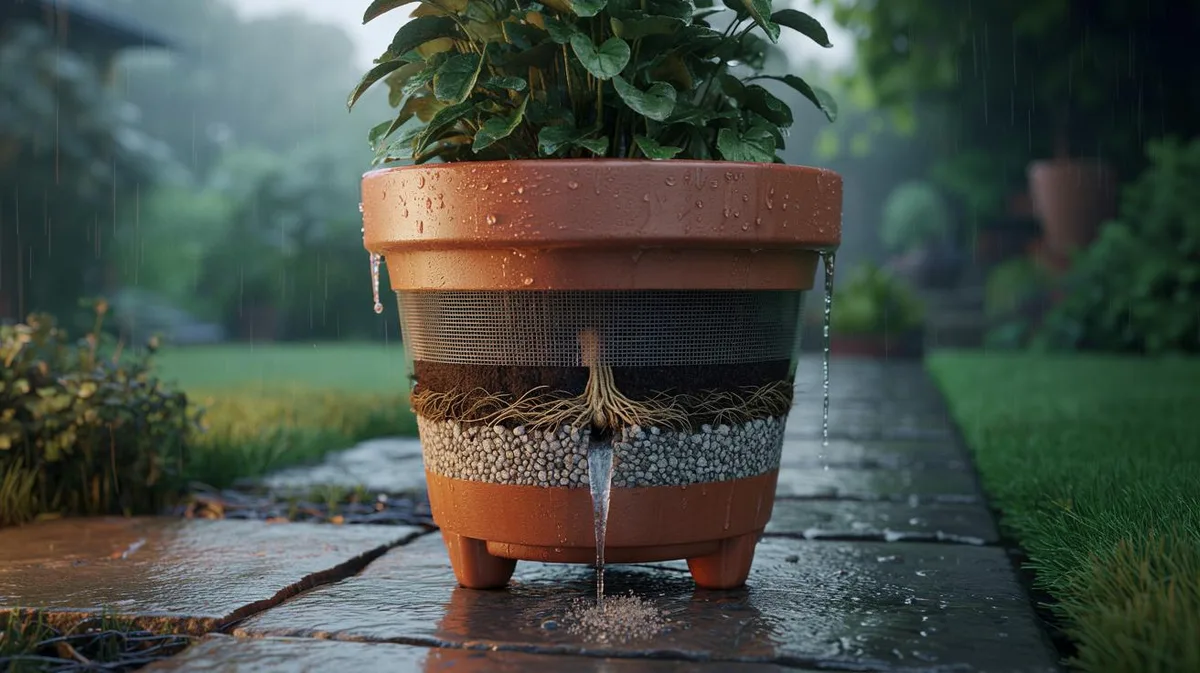
Image source: Web (Bing) / menuthai-fleet.co.uk (Web image (fair-use with source credit))
If you water on a schedule instead of checking the soil moisture, you are overwatering. Wait until the soil is dry two inches down. That is the rule.
Research from Oregon State University Extension confirms that overwatering is the primary cause of root rot in home gardens.
Decision Branch 2: Humid, Dry, Wet-Winter, or Hot — Adjusting Care by Region
Your local weather pattern changes the routine. Here is how to adjust.
Humid climates (Southeast US, parts of Asia): Airflow is everything. Space plants 3 feet apart. Do not mulch with wood chips.
They hold moisture. Use gravel or pebbles instead. Water at the base, never overhead.
The biggest risk here is fungal disease.
Dry climates (Southwest US, Australia): Lavender loves dry air. Your challenge is heat and wind. Water deeply once a week to encourage deep roots.
A thick layer of gravel helps keep the roots cool.
Cold wet winters (UK, Pacific Northwest, Northeast US): This is the hardest combination. Plant on a slope or a mound. Add extra grit to the planting hole.
Cover the crown with a clear plastic dome for the winter. Vent it on warm days to prevent rot.
Mediterranean climates (California, Spain): Lavender is basically a weed here. Plant it and leave it alone. Just prune it once a year after flowering.
The Care Playbook: Pruning, Watering, Winterizing, and Soil Fixes
Let's get into the specific actions you can take today.
Pruning: This is where people get scared. Lavender does not regrow from old wood. Never cut back into the brown, woody stems.
Only cut into the green, leafy growth. Prune right after the first bloom. Shape the plant into a mound.
A yearly prune keeps it compact and prevents the woody center from splitting open.
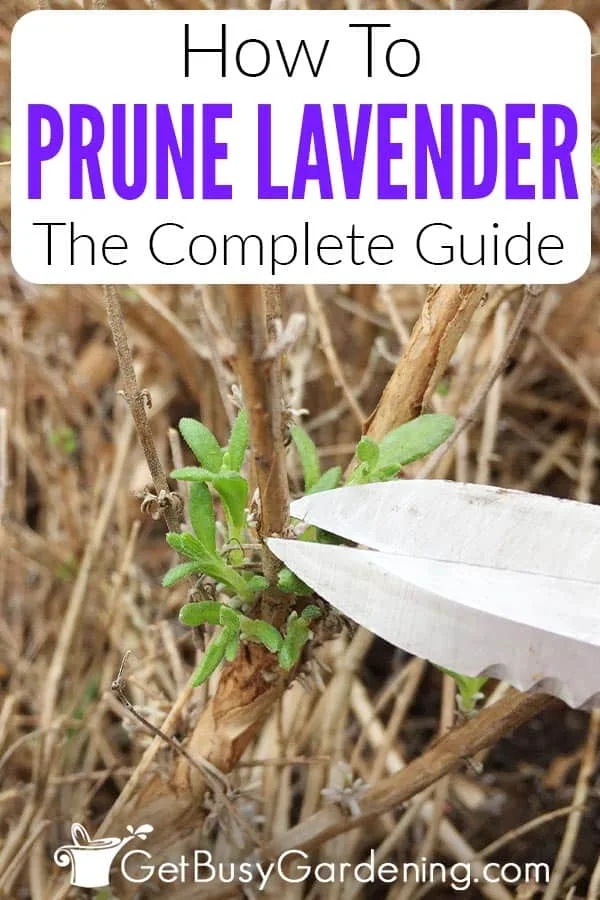
Image source: Web (Bing) / artofit.org (Web image (fair-use with source credit))
Watering: After the first year, lavender is drought tolerant. Water deeply every 2 to 3 weeks, depending on your heat. Let the soil dry out completely between waterings.
Winterizing: In zones 5 and 6, protect the roots. Apply a 2-inch layer of gravel or straw around the crown. Do not use leaves or bark mulch.
They hold too much moisture. Do not cut the plant back hard in the fall. The top growth protects the crown.
Soil Fixes: Lavender loves alkaline soil (pH 6.5 to 8.0). If your soil is acidic, add a handful of garden lime at planting time and once every spring.
The Biggest Lavender Killers: Mistakes That Override Good Intentions
Even with the right variety and region, small mistakes can undo everything. Here are the most common ones we see.
Overwatering is number one. This includes watering on a fixed schedule. Lavender wants the soil to dry out completely between waterings. Stick your finger two inches into the soil.
If it feels damp, walk away.
Planting at the wrong time matters too. Spring planting gives the plant a full season to establish roots before winter. Fall planting in colder zones is risky. The roots don't have enough time to grow deep enough to survive freeze-thaw cycles.
Using rich soil is another mistake. Lavender does not want compost or heavy fertilizer. It thrives in lean, gritty soil. Organic matter holds moisture right at the roots.
That is exactly what you don't want.
Skipping the annual prune creates a woody center. Over time, the plant splits open and collects moisture. That leads to rot. Prune every year right after the flowers fade.
Shape it into a compact mound and never cut into the brown stems.
Ignoring the variety label costs you a plant. You can't treat French lavender like English lavender in a cold zone. Check the tag. If it says Lavandula stoechas and you live in zone 6, treat it as an annual or bring it inside for winter.
Your Final Decision Guide: Match Your Zone, Pot, and Variety to the Right Routine
Here is the straightforward workflow. Use this checklist to make your decision.
| If you have this | Do this |
|---|---|
| Clay soil in ground | Build a raised bed or a mound. Add coarse sand and gravel. |
| Sandy soil in ground | Almost no prep needed. Add a little lime if pH is below 6.5. |
| A pot | Use terracotta. Mix 1:1:1 potting soil, sand, and perlite. Water only when dry two inches down. |
| English lavender in zone 5 or 6 | Mulch with gravel. Do not prune hard in fall. Protect the crown. |
| French lavender in zone 7 or below | Treat as an annual or overwinter indoors in a cool bright room. |
| Humid climate | Space plants 3 feet apart. Use gravel mulch. Water at the base only. |
| Dry hot climate | Water deeply once a week. Gravel mulch keeps roots cool. |
Follow this order when you plant. First, check your hardiness zone. Second, test your soil drainage. Third, choose your variety based on your winter lows.
Fourth, decide between pot and ground. Fifth, plant in spring. Sixth, water sparingly and prune annually.
That routine works for almost every situation. Adjust one variable based on your specific conditions.
FAQs: Lavender Care Questions People Actually Ask
Why is my lavender turning brown at the bottom?
That is almost always overwatering or poor drainage. The roots are sitting in moisture and rotting from the bottom up. Check your soil and let it dry out completely before watering again.
If the brown moves up the stems, the damage may be done.
Can I grow lavender in a pot indoors?
Yes, but it needs full sun. A south-facing window is mandatory. Use a gritty soil mix and a terracotta pot.
Water only when the soil is dry. Indoor air is often dry, which helps, but low light is a problem. A grow light can help during winter months.
How often should I water lavender after the first year?
Deeply every two to three weeks depending on your climate. Let the soil dry completely between waterings. In humid areas you might water once a month.
In dry heat you might need weekly water. Check the soil first. Never water on a fixed schedule.
When should I prune lavender?
Prune right after the first bloom ends in summer. That is usually July or August. Shape the plant into a mound.
Cut into the green growth. Do not cut into the old brown stems. A second light trim in early fall is okay if you want a tidy shape.
Should I deadhead lavender?
Yes. Deadheading spent flower stems encourages a second smaller flush of blooms. Cut the stem back to the first set of leaves below the flower.
You can also harvest the stems for drying at this point. Bundle them and hang them in a dry dark spot.
What is the best lavender for beginners?
English lavender varieties like Hidcote and Munstead are the most forgiving. They handle cold winters and need less fuss than French or Spanish types. They are also the best choice for culinary use.
Start with a well-drained spot in full sun and you will have success.