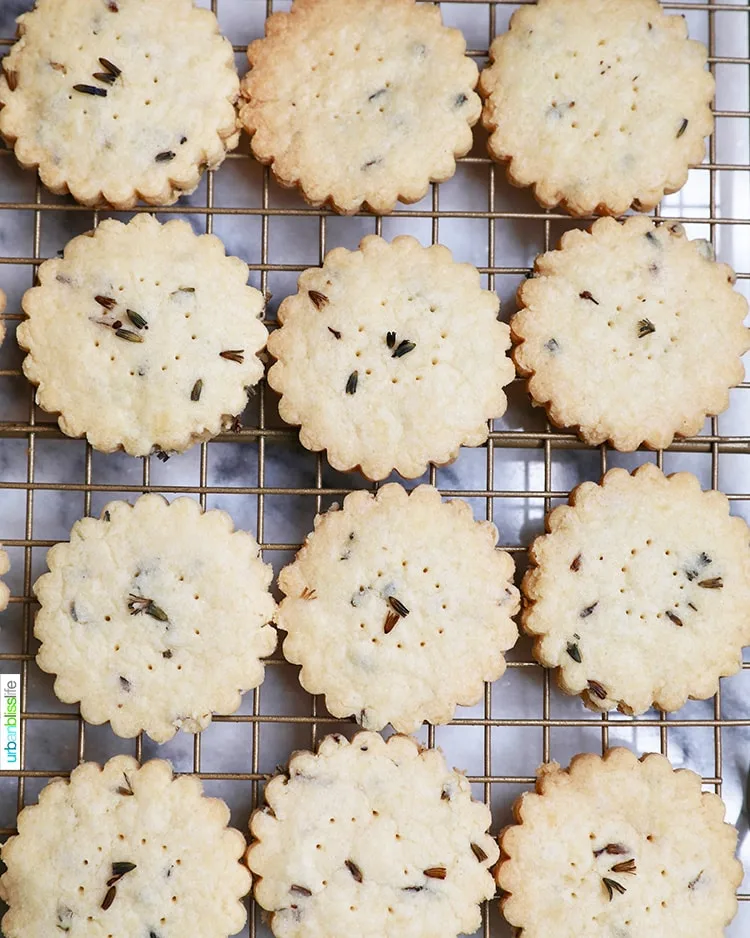
The trick to great lavender cookies is knowing which form of lavender to use and how to handle it. Get that right, and you get a delicate floral flavor that elevates a simple cookie. Get it wrong, and you end up with a batch that tastes like soap or smells like a perfumed handkerchief.
Culinary standards recommend using Lavandula angustifolia (English lavender) at a ratio of about 1 to 2 tablespoons of dried buds per batch of 24 cookies. As of 2026, that variety remains the only one considered safe for eating in quantity. But the real decision isn't just which lavender to buy.
It is whether to use it fresh or dried, ground or whole, as extract or real buds, and on which dough base. Here is how each choice plays out.
Why This Comparison Matters (and Why It's Easy to Mess Up)
Lavender cookies have a narrow window between perfect and ruined. The margin for error is small because lavender essential oils are potent. A little adds a subtle floral note.
A little more turns the batch into something you cannot eat.
Our research shows that the most common mistake is using the wrong variety of lavender. Ornamental lavender, the kind sold in garden centers for landscaping, contains higher levels of camphor. That is what creates the soapy or medicinal taste.
Only Lavandula angustifolia is considered safe for baking per the FDA's Generally Recognized as Safe (GRAS) list.
The second big issue is quantity. Aggregate reviews from home bakers indicate that many first attempts use too much lavender. Recipes calling for 3 tablespoons of dried buds per batch often produce a bitter result.
The safe starting point is 1 tablespoon for a standard 24-cookie batch.
The third variable is form. Fresh lavender has more water and a milder flavor than dried. Ground buds release oils faster than whole buds.
Extract gives you consistency but loses the visual appeal. Each choice changes the outcome.
That is why this comparison matters. It helps you pick the right combination for your skill level, your equipment, and the flavor profile you want. There is no single best answer.
But there is a best answer for you.
Fresh vs. Dried Lavender – Which One Actually Tastes Right?
Fresh lavender is what you get straight from the garden. It is delicate and aromatic. But it is also unpredictable.
Fresh flowers contain more moisture, which can make cookie dough sticky and cause spread during baking. The flavor is milder, so you need roughly twice as much fresh lavender as dried. That means about 2 to 3 tablespoons of fresh buds per batch.
The trade-off is texture. Fresh lavender can release water into the dough as it bakes. That can soften a shortbread base or make a sugar cookie spread more than you want.
It also has a shorter shelf life. You must use it within a day or two of picking.
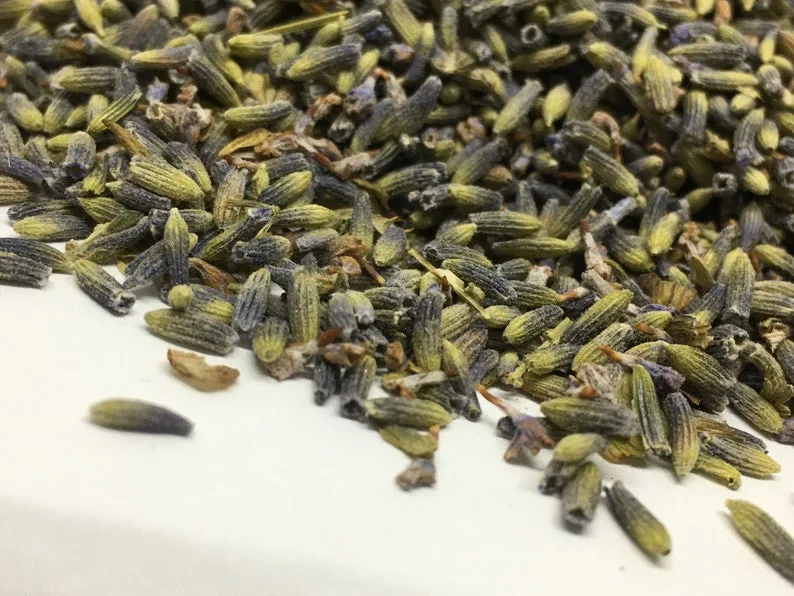
Dried lavender buds are the standard for baking. The drying process concentrates the essential oils. That gives a more consistent and stable flavor.
Dried buds measure easily and store for months in an airtight jar. They add a pleasant visual of tiny purple specks throughout the cookie.
The risk with dried lavender is overdoing it. Because the flavor is concentrated, the difference between 1 tablespoon and 1.5 tablespoons can be noticeable. Start low and add more only after you taste the dough.
Who should choose fresh? Gardeners with a mature lavender plant who want a mild, subtle floral note. Also bakers who plan to use the cookies within a day.
Who should choose dried? Anyone who wants control over the final flavor. Also bakers who want consistent results across multiple batches. Dried lavender is the safer, more reliable pick.
Ground Buds vs. Whole Buds – Texture Versus Flavor Release
Once you have chosen dried lavender, you face another fork in the road. Do you grind the buds or leave them whole? The answer depends on whether texture or visual appearance matters more to you.
Whole dried buds look beautiful in the dough. They create little purple flecks that signal this is a lavender cookie. That visual cue is part of the charm.
But whole buds do not release their flavor as effectively during a short bake. You get a lighter floral essence because the oils stay trapped inside the bud's outer shell.
The other downside is the mouthfeel. Whole buds can feel gritty or crunchy when you bite into them. Some people like that texture.
Others find it unpleasant.
Ground lavender solves the texture problem. When you grind the buds using a mortar and pestle or a spice grinder, you break open the cell walls. That releases the essential oils directly into the dough.
The result is a stronger, more even floral flavor. The ground lavender also blends in smoothly, so you get no grit.
The catch is that ground lavender can become a fine dust if you process it too long. That dust can clump or create an overly intense, almost powdery flavor. The trick is short pulses.
Grind for just a few seconds until the buds are broken but not turned to powder.
Who should choose whole buds? Bakers who want the visual of visible lavender in the cookie. Also those who prefer a milder floral note and do not mind a slight crunch.
Who should choose ground? Anyone who wants the most even lavender flavor without texture issues. Ground is the better choice for shortbread cookies, where smoothness is a priority.
Lavender Extract vs. Real Lavender – When Convenience Wins
Not everyone has access to culinary lavender buds. And not everyone wants to deal with grinding or steeping. That is where lavender extract comes in.
Lavender extract is a liquid made by steeping lavender buds in alcohol and water. It is similar to vanilla extract but with a floral profile. The convenience is significant.
You measure with a teaspoon. No grinding. No straining.
No worrying about grittiness.
The flavor of extract is more consistent than real buds. Brands use standardized production methods, so the strength does not vary much from batch to batch. That takes the guesswork out of the equation.
But there is a tradeoff. Extract lacks the complexity of real lavender. It can taste slightly artificial or one-dimensional.
It also adds no visual charm. The cookies will not have those pretty purple specks. And extract can be harder to find in regular grocery stores.
You will likely need a specialty baking shop or an online order.
Real lavender (buds) gives you the full profile. The flavor has layers: floral, slightly sweet, with hints of mint and herb. It is more authentic.
It also gives you the visual payoff.
The downside is the effort. You have to source food-grade buds. You have to grind or measure carefully.
And you have to accept the risk of grittiness if you use whole buds.
Who should choose extract? Beginners who want a no-fuss way to add lavender flavor. Also bakers who need a liquid form to mix into wet ingredients easily.
Who should choose real buds? Anyone who wants the most authentic lavender flavor and is willing to do a little extra prep. The result is worth the effort.
Shortbread vs. Sugar Cookie Base – Picking the Best Dough Match
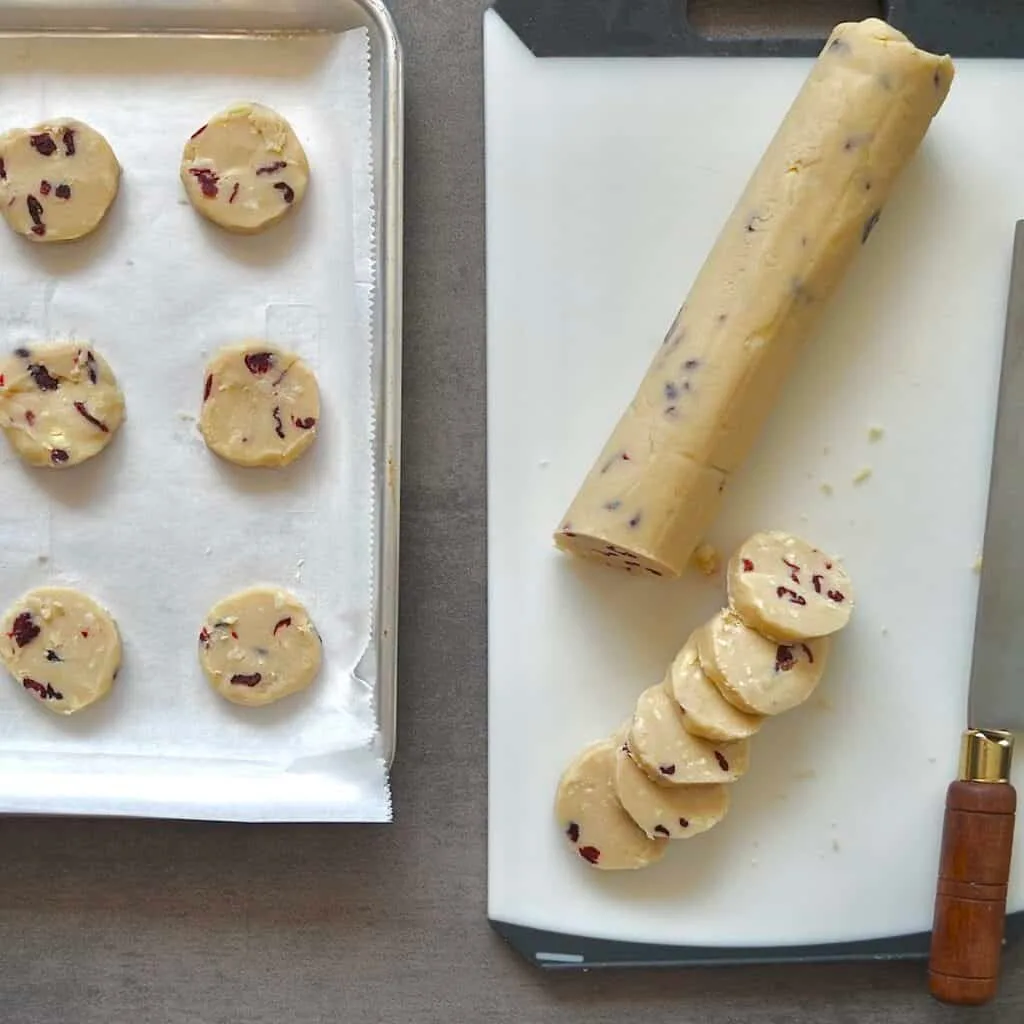
The type of cookie dough you choose is just as important as the lavender itself. The wrong base can mask the floral notes or clash with them.
Shortbread is the classic choice for floral cookies. The reason is simple. Shortbread has few ingredients: butter, sugar, flour.
It is not overly sweet. The butter-forward flavor acts as a neutral canvas that lets the lavender shine. Shortbread also has a dense, tender crumb that does not compete with the delicate floral taste.
The low moisture content in shortbread is another advantage. Dried lavender added straight to the dough does not hydrate and soften. It stays as those little specks that give visual and textural interest.
Sugar cookies are a different beast. They are sweeter and softer. The sugar content can overwhelm the lavender, especially if you use a strong vanilla extract alongside it.
The higher moisture content in a sugar cookie dough can also make the lavender fade or spread unevenly.
That said, sugar cookies work well with lavender if you are adding a glaze or icing. A lavender-infused glaze on top of a cut-out sugar cookie can be stunning. The cookie itself is sturdy enough to hold a shape, and the glaze delivers the floral punch.
Who should choose shortbread? Anyone making lavender cookies as a standalone treat. Also bakers who want the lavender to be the star of the show.
Who should choose sugar cookies? Those who want to decorate with lavender icing or lavender sugar on top. Also bakers who want a softer, sweeter cookie that pairs well with tea.