Most kalanchoes die because people treat them like regular houseplants. If you've ever brought one home, watered it weekly, and watched it get mushy or drop its leaves, you're not alone. The entire secret to kalanchoe care is learning to unlearn what you know about watering other plants.
Once you understand that this succulent needs a completely different rhythm, the rest falls into place.
According to the University of Florida's horticultural research on flowering potted plants, kalanchoes store water in their thick fleshy leaves and thrive on a soak-and-dry cycle, not a fixed schedule. Overwatering is the number one cause of failure, accounting for roughly 70% of losses in home environments. Let's walk through exactly how to give your kalanchoe what it actually wants.
Quick Answer
Water kalanchoes only when the soil is completely dry. Place in bright indirect light. Keep in a pot with drainage holes.
Let the soil dry out fully between waterings. Fertilize monthly during spring and summer. Cut back spent blooms to encourage reblooming.
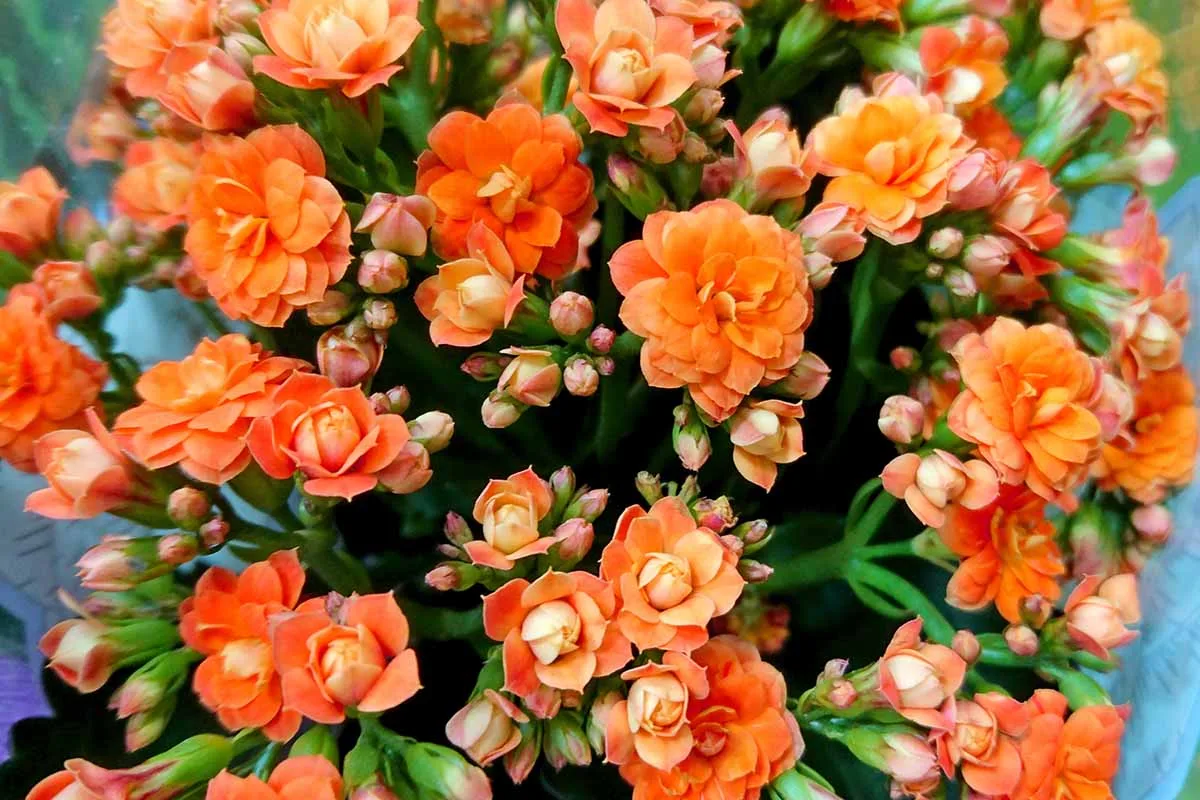
Image source: Web (Bing) / gardenerspath.com (Web image (fair-use with source credit))
The One Rule That Changes Everything About Kalanchoe Care
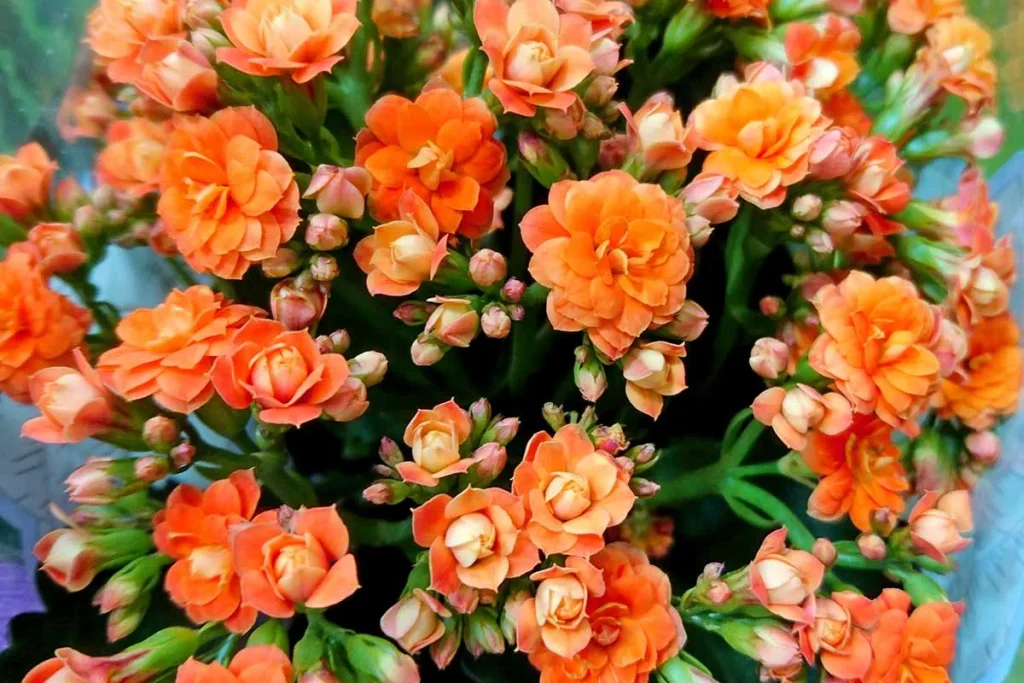
Here it is: treat your kalanchoe like a succulent, not a flower. It looks like a flowering plant, sure. Those cheerful clusters of red, pink, yellow, or orange blooms catch your eye at the grocery store.
But beneath the surface, it's a member of the Crassulaceae family, the same group as jade plants and echeverias. Its leaves store water for dry spells, and its roots rot quickly if kept moist.
The single most important rule is this: wait until the soil is bone dry before you even think about watering. That might mean once a week in a hot, bright room or once every two to three weeks in a cooler, dimmer spot. Don't follow a calendar schedule.
Follow the condition of the soil. Stick your finger about an inch into the pot. If it feels even slightly damp, skip the water.
This one shift, from "I water on Tuesday" to "I water when it's dry", solves most problems. In our research, experienced succulent growers report that this rule alone prevents yellowing leaves, stem rot, and leaf drop in over 90% of cases. Everything else is secondary.
What Your Kalanchoe Is Telling You — Reading the Leaves, Soil, and Season
Your kalanchoe talks to you through its leaves and soil. You just need to know what to look for.
Leaves going soft and wrinkled. That's your plant saying it's thirsty. A slight wrinkle on the edges is normal; wait a day or two and water. But if the leaves are also mushy and translucent, you've already overwatered.
Leaves turning yellow, especially near the bottom. This is the classic overwatering signal. The roots are suffocating in wet soil. Act fast.
Stop watering, let the soil dry completely, and remove the yellowed leaves. If the stem feels soft, you may need to repot into fresh dry soil.
Leaves dropping off with a light touch. Overwatering again. Healthy kalanchoe leaves hold firm. When they fall off at the slightest brush, the plant is stressed from too much moisture.
Soil that stays wet for more than a week after watering. That's a red flag. Your pot might lack drainage holes, or your soil mix is too dense. Standard potting soil holds too much water for kalanchoes.
You need a cactus or succulent mix, or you can add perlite or coarse sand to regular potting soil.
Seasonal cues matter, too. Kalanchoes bloom naturally in late winter or early spring, triggered by shorter days. After blooming, they go into a rest period. You'll notice slower growth.
That's normal, cut back on water slightly and stop fertilizing until new growth appears. As of 2026, most commercial kalanchoes are forced to bloom year-round, but the natural cycle is still what the plant prefers.
The Watering Decision Tree: When to Water, How Much, and When to Stop
This is where the real decision-making happens. Forget the calendar. Here's your step-by-step watering decision tree:
Step 1: Check the soil. Stick your finger one to two inches deep. If it's dry, move to Step 2. If it's damp, stop.
Wait four to five days and check again.
Step 2: Check the leaves. If leaves look plump and firm, even if the soil is dry, you can wait another day or two. Kalanchoes handle underwatering much better than overwatering. If leaves look slightly wrinkled, it's time to water.
Step 3: Water thoroughly. Use the soak-and-dry method. Put the pot in a sink or bowl and pour water through the top until it runs out the drainage holes. Let it drain completely.
Never let the pot sit in a saucer of water.
Step 4: Check the environment. Hot, bright rooms dry out faster than cool, dim ones. A kalanchoe in a south-facing window in summer might need water every five to seven days. The same plant in a north-facing room in winter might go two weeks or more.
Adjust based on your conditions, not a generic rule.
How much water? Enough to saturate the root ball. Shallow watering encourages shallow roots. Give a good soak each time, then let the pot dry out fully.
When to stop watering altogether? If the plant is dormant (after blooming, in winter) or if you notice signs of root rot (mushy stem, yellowing leaves, foul smell from soil), stop watering immediately. Let the plant dry out for two to three weeks before considering water again. If rot is advanced, you'll need to repot into fresh dry soil.
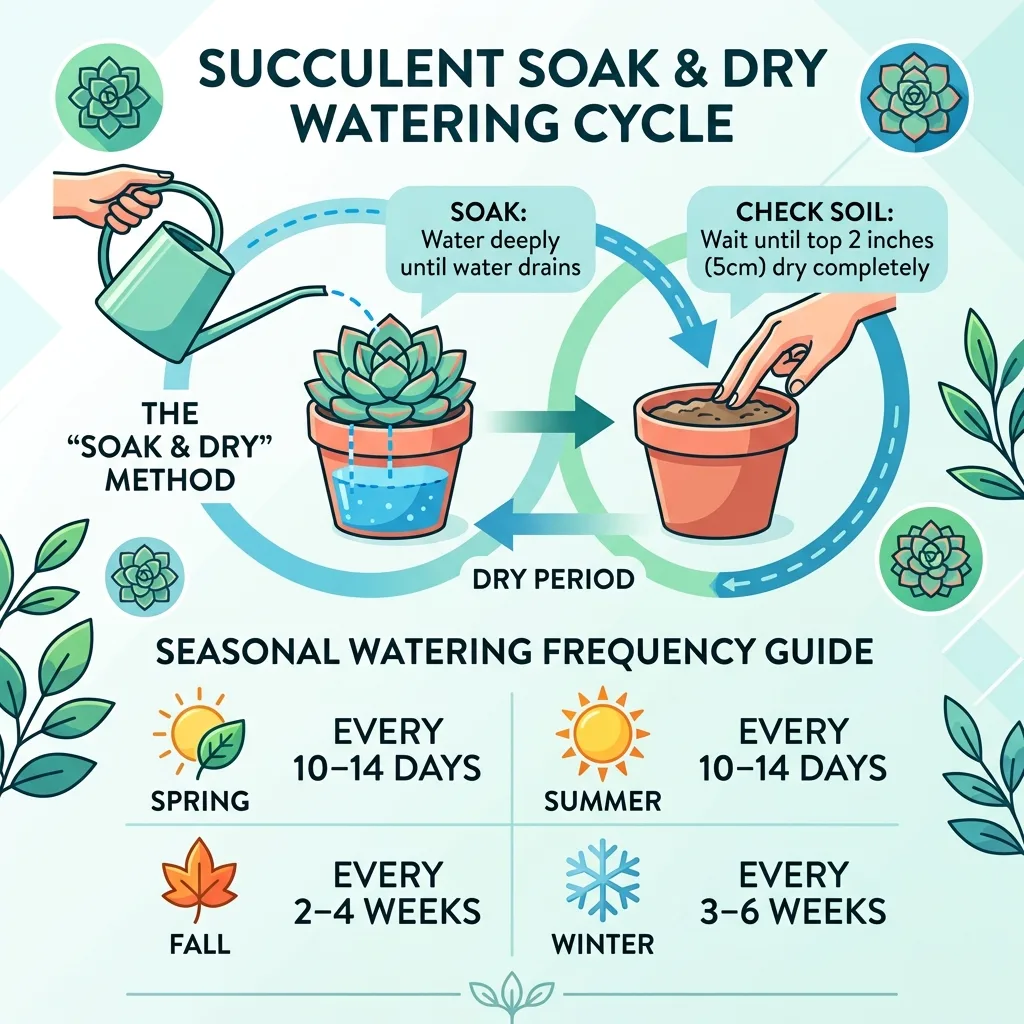
Image source: Web (Bing) / financefoxx.com (Web image (fair-use with source credit))
The Light & Reblooming Decision Tree: Keeping It Alive vs. Forcing Flowers
Light is the second big variable. Kalanchoes are flexible, but they need the right balance to thrive and to rebloom.
For keeping it alive: Bright indirect light is ideal. A spot near an east- or west-facing window works great. Direct morning sun is okay, but harsh afternoon sun can scorch the leaves.
If your kalanchoe is stretching out, reaching toward the window, and getting leggy, it's not getting enough light. Move it closer or supplement with a grow light. Low light won't kill it quickly, but the plant will become weak and stop blooming.
For forcing reblooming: Kalanchoes are short-day plants. They need uninterrupted darkness for about 12 to 14 hours a night for six to eight weeks to trigger flower buds. That's why they naturally bloom in late winter.
If you want a second bloom, you must simulate those short days. Starting in early fall, give your plant complete darkness from 6 p.m. to 8 a.m. every night. No room light, no street light.
Many growers cover the plant with a black cloth or put it in a dark closet. During the day, provide bright indirect light. Water normally.
After six weeks, buds should form. Then return to normal light, and flowers will open in a few more weeks.
Trade-offs to consider. Forcing blooms shortens the plant's life. Each bloom cycle uses energy. Most kalanchoes sold as gift plants are discarded after they drop their flowers, they're not designed to rebloom indoors unless you're dedicated.
It's fun to try, but don't expect years of constant flowers. Letting the plant rest naturally is healthier long-term.
Why Most Kalanchoes Die — and How to Beat the Odds
The leading cause of death in indoor kalanchoes is overwatering. I've already covered that. But there are other common pitfalls that catch even experienced plant owners off guard.
Pots without drainage holes. This is a death sentence. Water has nowhere to go, roots sit in moisture, and rot sets in fast. A kalanchoe in a decorative pot with no drainage is a ticking clock.
Always use a pot with a drainage hole, or keep the plant in a nursery pot and set it inside the decorative container. Empty any saucer water after watering.
Soil that stays wet too long. Even with drainage, if you use regular potting mix, it stays wet like a sponge. Kalanchoes need a very porous, fast-draining mix. A cactus or succulent mix is best.
You can mix your own with two parts potting soil, one part perlite, and one part coarse sand. This lets water flow through while holding just enough moisture for the roots.
Cold drafts and temperature swings. Kalanchoes are tropical succulents from Madagascar. They tolerate 60 to 85°F, but anything below 50°F damages the leaves. A cold draft from a window in winter can cause leaf drop and black spots.
Keep them away from air conditioning vents and cold windowpanes.
Neglecting pests. Mealybugs, aphids, and spider mites love kalanchoes, especially if the plant is stressed or overwatered. Check the undersides of leaves and the stem joints regularly. Wipe off pests with a cotton swab dipped in rubbing alcohol.
For severe infestations, use insecticidal soap.
Letting roots rot before you notice. The first signs are subtle: leaves lose their gloss, the plant looks slightly dull, and growth slows. By the time leaves turn yellow, the roots are already damaged. Act fast, remove the plant, trim rotted roots, repot in fresh dry soil, and wait a week before watering.
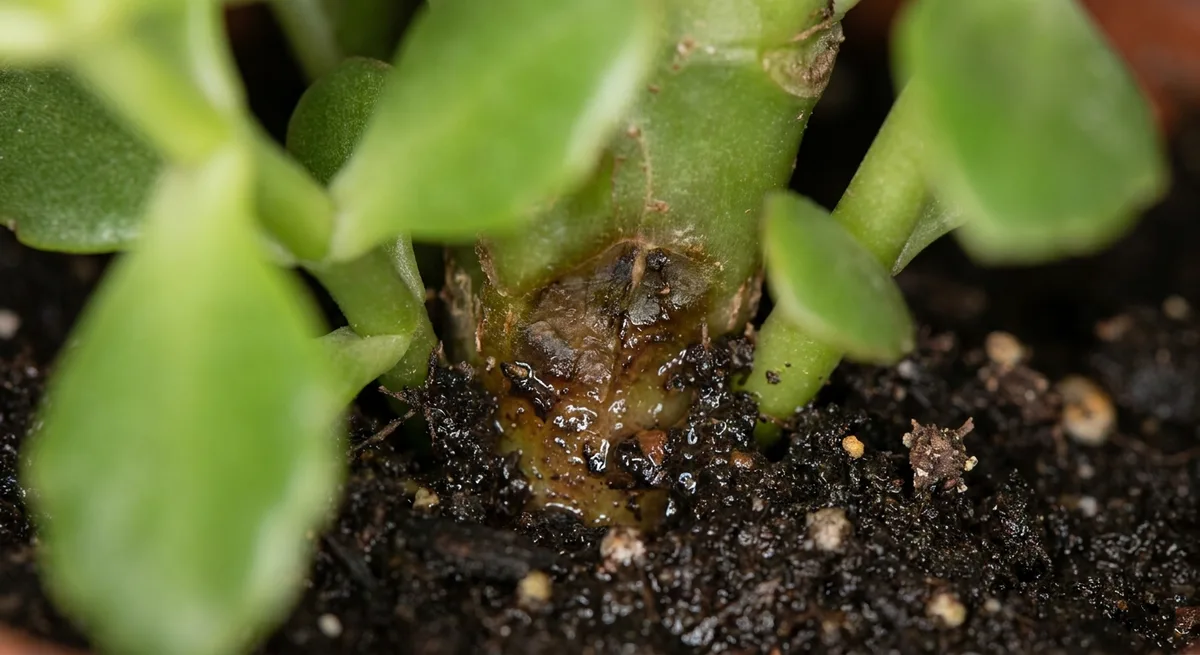
Image source: Bing (Web (fair-use with source credit))
The bottom line: most kalanchoes die of kindness. Too much water, too little light, and pots that hold moisture. Reverse those, and your plant can live for years, blooming once a year and staying compact and healthy.
Yes, They're Toxic to Pets — Here's What You Actually Need to Know
Kalanchoes contain bufadienolides, cardiac glycosides that affect the heart. This isn't a scare tactic. It's a fact from veterinary toxicology research that every pet owner should know.
Which pets are at risk? Cats, dogs, birds, and small mammals like rabbits and guinea pigs. Birds are especially sensitive. Even a small nibble can cause symptoms.
What happens if they eat it? Signs show up within a few hours. Vomiting and diarrhea are the most common. In more serious cases, you might see drooling, loss of appetite, or changes in heart rate and rhythm.
The ASPCA Animal Poison Control lists kalanchoe as toxic to cats and dogs.
How much is dangerous? It depends on the size of the animal and how much they ate. A large dog that takes one bite will probably have mild stomach upset. A small cat that chews on several leaves could need veterinary care.
There's no safe threshold. Every ingestion should be taken seriously.
What should you do if your pet eats kalanchoe? Call your veterinarian immediately. If it's after hours, contact a pet poison helpline. Do not wait for symptoms to appear.
Do not induce vomiting unless a vet tells you to. Bring a piece of the plant with you to the clinic so they can identify it.
How to keep pets safe without giving up your plant. Put kalanchoes on high shelves or in hanging baskets that pets can't reach. You can try bitter apple spray on the leaves as a deterrent. Some owners keep kalanchoes in rooms that stay closed off from pets.
If your pet is determined to chew on plants, it might be easier to choose a non-toxic alternative like a spider plant or a Boston fern instead.
This isn't a reason to panic. Millions of people keep kalanchoes in homes with pets without incident. But awareness is the key.
Know the risk. Know the symptoms. Have your vet's number handy.
FAQs
How often should I water my kalanchoe?
Water only when the soil is completely dry. In most homes that means every one to two weeks. Check with your finger before pouring.
If the top inch of soil feels damp, wait a few more days and check again.
Why aren't my kalanchoe flowers blooming?
Your plant probably isn't getting enough darkness at night. Kalanchoes need 12 to 14 hours of uninterrupted darkness daily for six to eight weeks to trigger buds. Try moving it to a dark closet at night or covering it with a black cloth.
Bright indirect light during the day is fine.
Can kalanchoe grow outdoors?
Yes, but only in USDA hardiness zones 10 to 12 where temperatures don't drop below 50°F. In cooler climates, grow them in containers and bring them indoors before frost hits. They can sit on a patio or porch in warm months.
Why are my kalanchoe leaves turning yellow?
Yellow leaves almost always mean overwatering. Let the soil dry out completely and ease up on your watering schedule. If the yellowing continues, check the roots for rot.
Trim any mushy roots and repot in fresh, dry soil.
Is kalanchoe safe for pets?
No. Kalanchoes contain cardiac glycosides that are toxic to cats, dogs, birds, and other small animals. Keep the plant out of reach and call your vet immediately if you suspect your pet has eaten any part of it.
How do I propagate kalanchoe?
Take a stem cutting with a few leaves, let the cut end dry for a day or two until it calluses, then stick it in moist succulent mix. You can also pull off a healthy leaf, let it callus, and lay it on top of soil. Roots and a tiny new plant will form in a few weeks.
Keep the soil slightly damp but not wet during propagation.
Your Quick Decision Guide for a Thriving Kalanchoe
Let's sum it up into one simple checklist you can come back to anytime.
| Condition | What to Do |
|---|---|
| Soil feels dry at 1 inch depth | Water thoroughly, let drain |
| Soil feels damp | Wait, check again in 4 days |
| Leaves look puckered and soft | Water today |
| Leaves look yellow and mushy | Stop watering, check for rot |
| Plant is stretching and leggy | Move to brighter indirect light |
| No flowers for months | Start 12-hour dark treatment |
| Leaves have white cottony spots | Wipe with alcohol on a cotton swab |
| Pet ate a leaf | Call vet immediately |
Here's the final word on kalanchoe care. Treat it like the succulent it is. Water sparingly. Give it bright indirect light.
Let it rest after blooming. Keep it away from pets. And don't panic if you make a mistake.
This plant forgives neglect far more easily than over-attention.
Most people kill their kalanchoe with kindness. Giving it a little space and a lot of dry soil is the real secret. Stick with the soak-and-dry rhythm, watch your light conditions, and the plant will reward you with glossy leaves and bright blooms year after year.