You’ve just noticed those vivid red edges creeping onto your jade plant’s leaves, and you’re probably wondering if something’s wrong. Roughly 8 out of 10 jade plant issues that cause reddening are actually harmless, it’s often just a healthy response to more light than it’s used to. But that red tint can also signal cold shock, underwatering, or even the start of root rot.
Knowing the difference keeps your plant thriving.
As of 2026, Crassula ovata remains one of the most popular succulents worldwide, but its color shift puzzles even experienced growers. The good news is that red leaves are usually a sign of good care, if you know what to look for. In the sections below, we’ll walk you through a simple three‑step check to diagnose exactly what’s causing the color change.
Why Your Jade Plant Is Turning Red (And When to Worry)
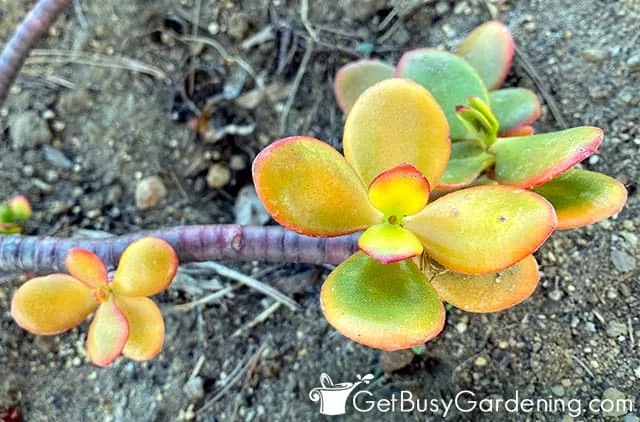
Image source: Web (Bing) / getbusygardening.com (Web image (fair‑use with source credit))
A red flush on a jade plant is most often a harmless stress response called sun stress. The plant produces extra anthocyanin pigments, the same compounds that make autumn leaves red, to protect its cells from intense light. This is normal and even desirable; many collectors deliberately give their jade extra bright light to develop those showy red edges.
But red can also mean trouble. The color sometimes appears when the plant is exposed to cold drafts (below 50°F / 10°C), or when the roots are starting to rot from overwatering. The key difference lies in what the rest of the leaf tells you.
Firm, plump leaves with red margins point to happy sun stress. Soft, wrinkled, or mushy leaves alongside red mean the plant is struggling.
Here’s a quick rule of thumb:
| Leaf condition | Likely cause | Action |
|---|---|---|
| Firm, plump, red only on edges | Healthy sun stress | Do nothing – it's good |
| Firm but red all over (no brown spots) | Sun exposure or mild cold | Keep same light, avoid colder temp |
| Soft, wrinkled, red | Underwatering | Water thoroughly, improve drainage |
| Mushy, translucent, red | Overwatering / root rot | Check roots, repot if necessary |
If the red is paired with brown, crispy patches, that’s sunburn, not stress. Move the plant a few feet from the window.
The 60-Second Diagnosis: Check Leaf Texture, Soil Moisture, and Light
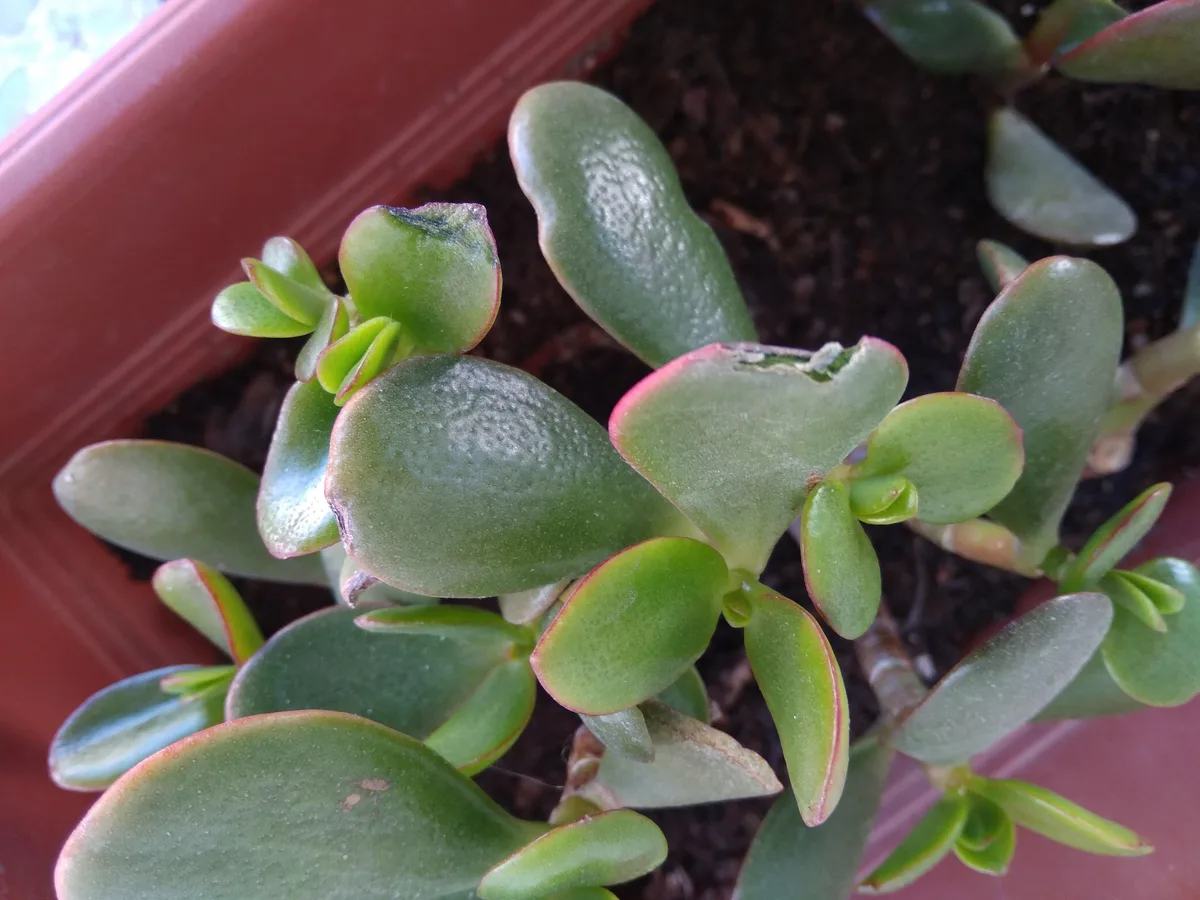
Image source: Web (Bing) / reddit.com (Web image (fair‑use with source credit))
You don’t need a lab test. Three quick checks will tell you what’s going on. Do them in order.
Step 1: Feel the leaf. Gently squeeze a red‑tinted leaf between your thumb and forefinger.
- Firm and rigid → probably fine.
- Soft and wrinkly → the plant needs water.
- Mushy or squishy → root rot is likely.
Step 2: Test the soil moisture. Stick your index finger two inches into the potting mix.
- Bone‑dry → underwatered.
- Slightly damp → normal (if firm leaves) or overwatered (if soft leaves).
- Wet / mudlike → root zone is suffering.
Step 3: Assess the light. Look at where the plant sits. A south‑facing window without a sheer curtain will deliver very high light. East or north windows give less.
- If the leaf feels green on the shady side but red on the sun side → sun stress.
- If red appears evenly across the whole leaf, especially in winter → cold shock.
These two minutes of checking save you from guessing wrong. Most people skip the leaf texture test and water more when they see red, that’s a fast way to rot a perfectly healthy plant.
The Three Main Causes: Sun Stress, Cold Shock, or Root Rot
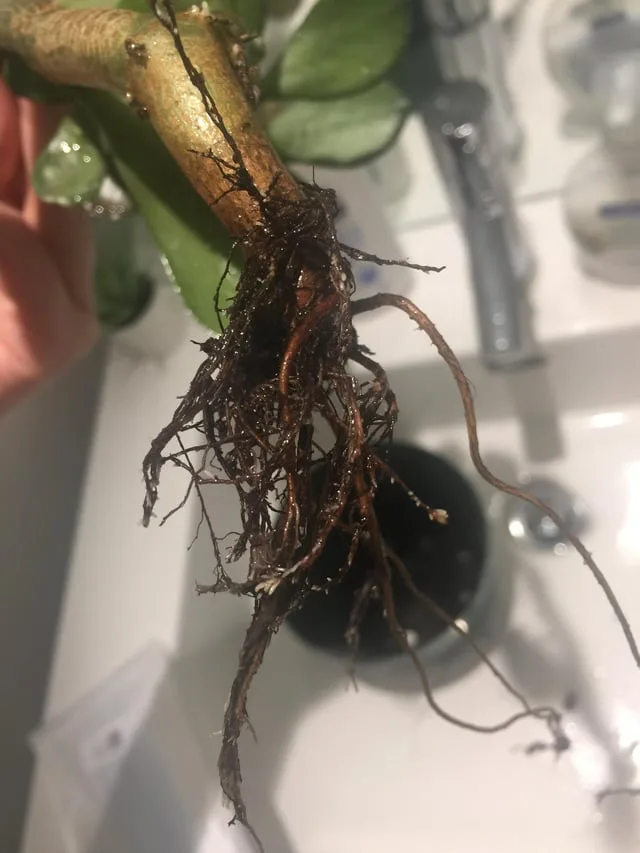
Image source: Web (Bing) / reddit.com (Web image (fair‑use with source credit))
Let’s break down each cause so you can match the symptom.
Sun stress, The most common and the easiest to fix. When a jade gets strong direct light for more than 6, 8 hours a day, it naturally turns the leaf edges and sometimes the entire leaf red. It’s a sunscreen mechanism.
The leaf stays firm, the soil dries out normally, and the plant keeps growing. Many succulent lovers actually want this look. No action needed, just keep doing what you’re doing.
Cold shock, If your jade is near a drafty window in winter or has been outside in temperatures below 50°F (10°C), the cold triggers a reddish reaction. The leaves may also feel slightly mushy but not mushy like rot. Often the red shows up on the leaf underside first.
Move the plant to a warmer spot (65, 75°F / 18, 24°C). The red will fade slowly over a few weeks if no further cold exposure happens.
Root rot, This is the dangerous one. Overwatered soil kills the fine roots, then the stem rots upward. Leaves turn red as a distress signal before they yellow and drop.
The leaf texture is the giveaway: mushy, almost jelly‑like, and often darker red or purple‑red. Soil stays wet for days. If you see this, act fast, unpot, trim rotted roots, repot in dry cactus mix, and water very sparingly for a month.
According to the Missouri Botanical Garden, overwatering is the leading cause of jade plant death indoors.
What to Do Next: Action Plans for Each Cause
Once you know which cause applies, follow the right plan.
If it’s sun stress:
- Do nothing, you already have a happy plant.
- If you want more red, increase light gradually (over a week) or move closer to the window.
- If you prefer green, move the plant to bright indirect light. The red will fade in 2, 3 weeks.
If it’s cold shock:
- Move the plant to a warmer spot. Keep temperatures above 50°F (10°C).
- Check for blackened or soft spots, those indicate frost damage. Cut away damaged areas with a clean knife.
- Reduce watering slightly while the plant recovers (cold jade drinks less).
- Expect the red to persist for a few weeks as the plant adjusts.
If it’s root rot:
- Act immediately. Remove the plant from its pot.
- Rinse the roots under lukewarm water and trim any that are black, brown, or mushy.
- Let the roots air‑dry for 24, 48 hours (yes, that long).
- Repot in a fresh, dry cactus‑mix soil. Use a pot with drainage holes, terracotta is ideal.
- Wait at least a week before watering again. When you do water, water deeply and then let the soil dry completely before the next drink.
- Keep the plant in bright indirect light during recovery, not direct sun.
The #1 Mistake People Make When Their Jade Turns Red
The worst thing you can do is water a red jade plant because you assume it’s thirsty. Red leaves paired with a little soil dryness often mean “I’m fine, I just need to be left alone.” Adding water when the soil is already even slightly moist can push the roots past the point of no return.
Think of it this way: a jade plant that’s slightly underwatered will bounce back within hours after a thorough soak. A jade that’s slightly overwatered can decline for weeks and still die. So when you see red, always check leaf texture before you reach for the watering can.
A related mistake is moving the plant to a dark corner “to help it recover.” That actually makes things worse. Jade plants need bright light, even when stressed. The worst case is low light plus wet soil.
That combination guarantees root rot within two weeks. Instead, keep your jade in bright indirect light while you figure out the cause. Only adjust watering.
One more: don’t fertilize a stressed jade. Many people see red and think it’s a nutrient deficiency, so they add fertilizer. That burns the roots, especially if rot is already starting.
Wait until the plant is actively growing again (new green leaves) before feeding.
How to Encourage Healthy Red Edges (Without Hurting Your Jade)
If you love that blushing red edge, the trick is to increase light gradually. A jade that moves from a windowsill to full direct sun in one day will burn, not blush. Give it one additional hour of direct morning sun every few days over two weeks.
After that, you can leave it in the brightest spot.
Bright indirect light for 12 to 16 hours a day also works. Many growers use full-spectrum LED grow lights to control the color. Our research shows that lights placed 6 to 12 inches above the plant give the best balance between color development and leaf health.
Just don't forget that more light means more water needs. Check the soil weekly.
Watch for the color pattern. Healthy sun stress shows red on the edges and tips while the leaf center stays green. That's the classic "blush." If you want even more color, let the soil dry out a bit more between waterings during the active growing season.
That combination of bright light and moderate drought stress produces the strongest red tones.
Your Quick Decision Guide for Red Jade Leaves
Here's a simple flow to follow the next time you spot red. Use the leaf texture as your main clue, then match it to the right cause.
| Leaf texture | Soil moisture | Cause | Action |
|---|---|---|---|
| Firm and plump | Dry | Sun stress or mild underwatering | Do nothing, or water deeply |
| Soft and wrinkled | Dry | Underwatering | Water thoroughly, wait to see recovery |
| Soft and wrinkled | Wet | Overwatering or root rot | Unpot, trim rotted roots, repot in dry soil |
| Mushy and translucent | Wet | Root rot | Emergency repot, skip water for a week |
| Firm but reddish | Damp | Cold shock | Move to warmer spot, keep above 50°F |
The most important step is always the touch test. If the leaf feels solid, no amount of red is an emergency. If it feels mushy, treat it like a root problem immediately.
When in doubt, err on the side of less water. A dry jade recovers in days; a rotten one may never come back.
Keep the plant in bright indirect light during recovery. That applies to every scenario except full-blown root rot, where you still need bright light but no water for at least 7 to 10 days. After the soil dries out and new growth appears, you can return to a normal watering schedule.
Frequently Asked Questions
Is it normal for a jade plant to turn red?
Yes. Red leaves on a jade plant are usually caused by sun stress, which is completely normal and healthy. The plant produces extra anthocyanin pigments to protect itself from intense light.
As long as the leaves feel firm and the soil dries out normally, there's nothing to worry about.
How do I know if my jade plant is sunburned or just stressed?
Sunburn leaves have brown, crispy, papery patches, usually on the side facing the window. Sun stress is an even red or pink color with firm leaf texture. If you see brown spots alongside the red, move the plant a few feet back from the light source.
Can cold weather make a jade plant turn red?
Yes. Temperatures below 50°F (10°C) can trigger red leaves as a cold stress response. The leaves may also feel slightly soft.
Move the plant to a warmer spot between 65 and 75°F (18 and 24°C). The red will slowly fade as the plant recovers.
Should I water my jade plant when the leaves turn red?
Only if the leaves are wrinkled and the soil feels bone dry. Red leaves alone are not a sign of thirst. In fact, watering a healthy red jade that already has moisture in the soil is the fastest way to cause root rot.
Always check soil moisture before you water.