Are you looking to boost the health and productivity of your vegetable garden? You might have heard about peat moss as a potential game-changer for your soil.
But is it really the magic ingredient your garden needs? As a gardener, you know that the secret to thriving plants often lies beneath the surface, in the very soil that nurtures them. The right amendments can mean the difference between a bountiful harvest and a lackluster yield.
We’ll dive into the world of peat moss and uncover its true impact on your vegetable garden. Could this natural material be the key to growing the lush, vibrant vegetables you’ve always dreamed of? Read on to discover how peat moss might just revolutionize your gardening efforts.
What Is Peat Moss
Ever wondered about the secret ingredient that could transform your vegetable garden into a lush paradise? Peat moss might be the answer you’ve been looking for. Understanding what peat moss is and how it can benefit your garden is crucial for anyone keen on cultivating thriving vegetables. Let’s dive into the world of peat moss and uncover its unique properties.
What Is Peat Moss?
Peat moss is a type of organic material formed from the partial decomposition of plant material, primarily sphagnum moss, in waterlogged conditions. This process takes place over thousands of years, resulting in a dense, spongy substance.
You’ll often find peat moss in bogs and wetlands, where its water-retention capabilities make it a valuable resource for gardeners. It’s lightweight, easy to handle, and can significantly improve soil texture and moisture levels.
But what makes peat moss a sought-after addition to vegetable gardens? Its ability to retain moisture while also providing aeration is key. Unlike some soil amendments, peat moss doesn’t compact over time, ensuring your plants have the breathing room they need to grow.
Peat Moss Composition
Peat moss primarily consists of dead and decayed sphagnum moss, but it can also include other organic materials. Its composition is rich in organic matter, which can enhance the nutritional quality of your soil.
Despite being acidic, peat moss can be neutralized with lime, making it versatile for various gardening needs. Its fibrous texture helps improve soil structure, especially in sandy or clay-heavy environments.
Benefits Of Using Peat Moss In Your Garden
- Water Retention:Peat moss can absorb up to 20 times its weight in water, helping maintain consistent soil moisture.
- Soil Aeration:By preventing soil compaction, peat moss ensures roots have access to air, promoting healthy growth.
- Nutrient Enhancement:Although peat moss is low in nutrients, its organic matter can boost the soil’s ability to hold and exchange nutrients.
While peat moss offers many benefits, it’s essential to consider its environmental impact. The harvesting process can disrupt delicate ecosystems, contributing to carbon emissions. You might ask yourself, is there a sustainable alternative?
Consider coir, a byproduct of coconut processing, as a more eco-friendly option. It shares many of peat moss’s beneficial properties without the environmental drawbacks.
Personal Experience: A Gardener’s Perspective
When I first started using peat moss in my vegetable garden, I noticed an immediate improvement in water retention. My tomato plants thrived, producing juicier and more abundant fruits. However, I balanced its acidity with lime to ensure optimal growth conditions.
Peat moss transformed my gardening experience, but being mindful of its environmental impact led me to explore alternatives like coir. It’s a journey worth taking if you care about both your garden and the planet.
So, what will you choose for your vegetable garden? Understanding peat moss’s properties and considering sustainable alternatives could be the key to healthier, more bountiful plants.
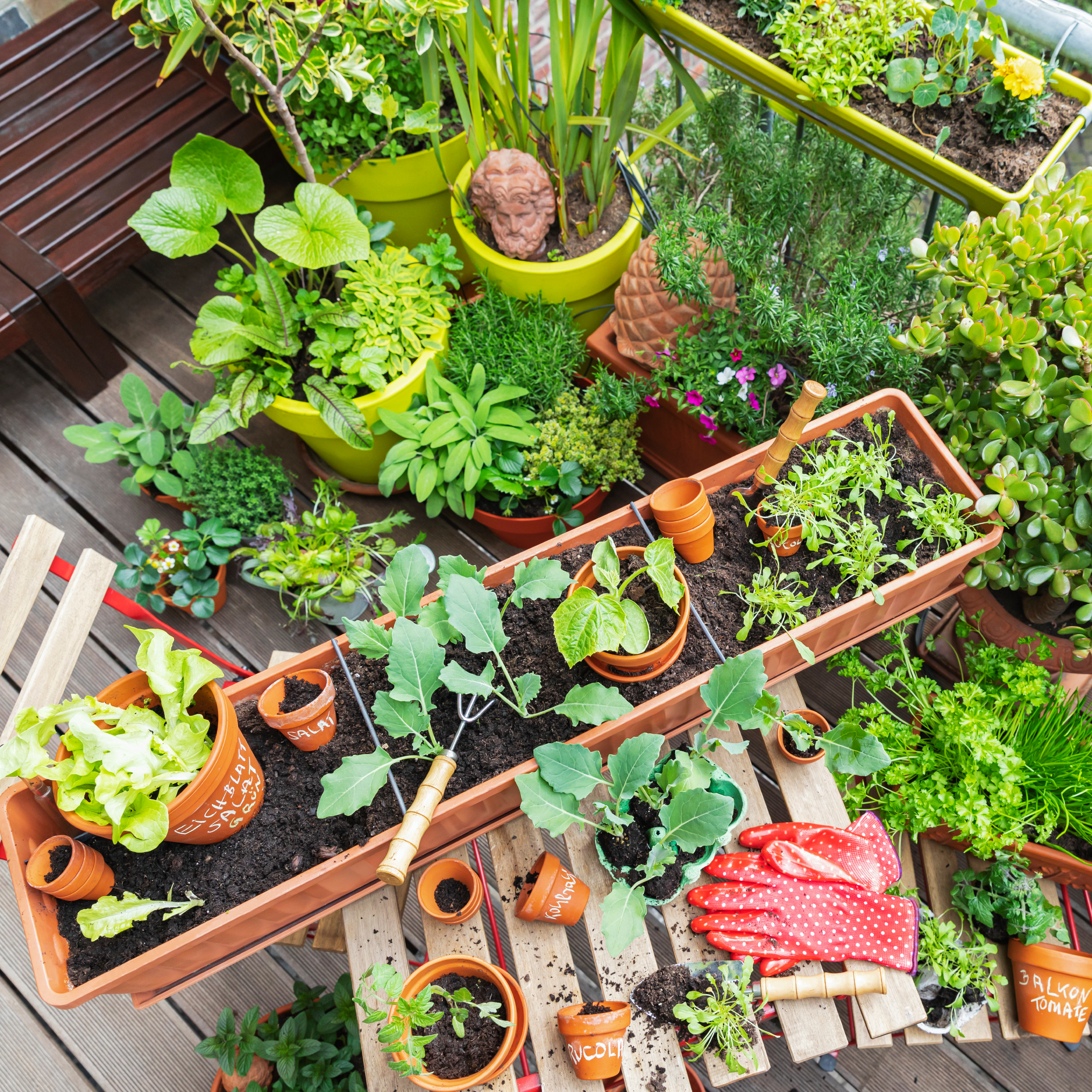
Credit: www.gardeningknowhow.com
Nutrient Composition
Peat moss boosts soil structure in vegetable gardens. It improves drainage and retains moisture. This helps vegetables grow.
Understanding the nutrient composition of peat moss is crucial for gardeners looking to enhance their vegetable garden soil. Peat moss is widely used for its ability to improve soil texture and retain moisture. However, it is essential to explore what nutrients it brings to your garden and how it affects your plants’ growth.What Nutrients Does Peat Moss Contain?
Peat moss is known for its organic matter content but lacks significant nutrients. It does not provide essential nutrients like nitrogen, phosphorus, or potassium, which are vital for plant growth. This means you will need to supplement with fertilizers to ensure your vegetables thrive.The Role Of Organic Matter In Peat Moss
One of the key benefits of peat moss is its organic matter, which improves soil structure. This can enhance root development by allowing better air circulation and water retention. While the organic matter in peat moss does not directly supply nutrients, it creates an environment where plants can access nutrients more efficiently.How Peat Moss Affects Soil Ph
Peat moss is naturally acidic, which can influence the pH of your soil. If you are growing vegetables that prefer slightly acidic to neutral pH levels, this can be beneficial. However, for plants needing alkaline conditions, you might need to adjust the pH by adding lime or other amendments.Combining Peat Moss With Other Soil Amendments
To maximize the benefits of peat moss, consider combining it with other soil amendments. Adding compost or well-rotted manure can introduce the essential nutrients that peat moss lacks. This combination can create a more balanced and nutrient-rich environment for your vegetable garden.Is Peat Moss Sustainable For Long-term Use?
Sustainability is a concern when using peat moss due to its slow regeneration rate. Consider using it in moderation or look for sustainably harvested options. Exploring alternative soil amendments like coconut coir can also be a more environmentally friendly choice. By understanding the nutrient composition of peat moss, you can make informed decisions on how to use it effectively in your vegetable garden. How will you ensure your garden receives the nutrients it needs while using peat moss?Soil Structure Improvement
Peat moss can enhance soil structure in vegetable gardens. It boosts moisture retention and improves drainage, creating a balanced environment for plant growth. Adding peat moss enriches the soil, supporting healthier vegetables.
Improving soil structure is crucial for a thriving vegetable garden. Peat moss is a popular choice for gardeners to enhance the soil’s physical properties. It helps create a balanced environment for plants to grow strong and healthy.Enhancing Drainage
Peat moss improves water drainage in your garden soil. It prevents water from pooling around plant roots. This reduces the risk of root rot. The fibrous texture of peat moss allows water to move freely through the soil. This supports root growth and plant health.Increasing Aeration
Peat moss increases soil aeration, promoting healthy root development. It creates air pockets within the soil structure. These pockets allow roots to breathe. Better aeration leads to stronger plants. It enhances nutrient absorption and improves growth.Boosting Moisture Retention
Peat moss retains moisture effectively. It helps soil maintain a consistent moisture level. During dry spells, peat moss prevents soil from drying out completely. This ensures plants have access to water when they need it most.Balancing Soil Ph
Peat moss can help balance soil pH levels. It has a slightly acidic nature. This can be beneficial for acid-loving vegetables. It creates an ideal environment for crops like tomatoes and carrots.Improving Soil Texture
Peat moss improves soil texture. It breaks up heavy clay soil and binds sandy soil. This results in a more uniform texture. It makes soil easier to work with and more supportive for plant roots.Reducing Compaction
Peat moss helps reduce soil compaction. Compacted soil restricts root growth and water movement. Peat moss loosens the soil, making it more friable. This benefits both the plants and the gardener.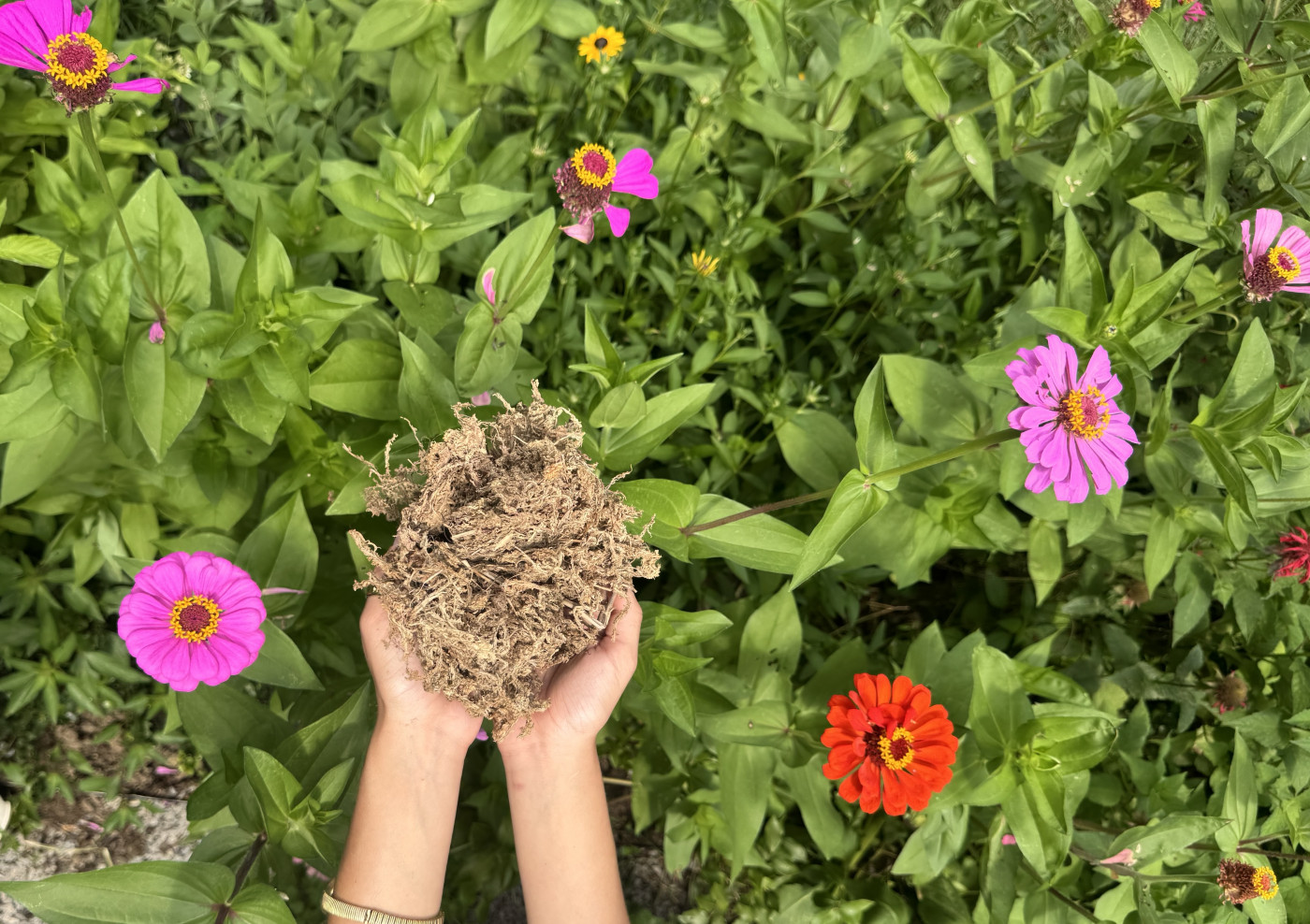
Credit: www.gardenary.com
Water Retention Properties
Peat moss is beneficial for vegetable gardens due to its excellent water retention properties. It helps maintain soil moisture, ensuring vegetables receive consistent hydration for healthy growth. Additionally, peat moss improves soil structure, promoting better root development and nutrient absorption.
Water retention is essential for a thriving vegetable garden. Peat moss is a popular choice for gardeners seeking improved moisture control. Its unique structure helps retain water, making it a valuable addition.Why Peat Moss Retains Water
Peat moss has a fibrous texture. This texture increases its ability to hold water. It can absorb up to 20 times its weight in moisture. This makes it ideal for dry climates or sandy soil.Benefits Of Water Retention
Consistent moisture levels reduce plant stress. This promotes healthier growth and prevents wilting. Vegetables receive nutrients more effectively when the soil retains water. It also reduces the need for frequent watering.How To Use Peat Moss For Water Retention
Mix peat moss with your garden soil. Aim for a ratio of one part peat moss to two parts soil. This combination enhances water retention. Spread it evenly to ensure all plants benefit.Considerations For Using Peat Moss
Peat moss is acidic. Balance it with lime if your vegetables prefer neutral soil. Check soil pH regularly to maintain optimal growth conditions.Ph Level Adjustment
Adjusting the pH level in your vegetable garden is crucial for optimal plant growth. Peat moss can be a valuable tool in this process. It naturally acidifies the soil, making it an excellent choice for gardens with alkaline soils. But how does this affect your vegetables, and is it always beneficial?
Understanding Soil Ph And Vegetable Needs
Different vegetables thrive at different pH levels. For example, blueberries love acidic conditions, while asparagus prefers neutral to slightly alkaline soil. Understanding the specific pH requirements of your vegetables helps you make informed decisions. Peat moss can lower the soil’s pH, making it more acidic. This can be a game-changer for acid-loving plants.
How Peat Moss Affects Soil Ph
Peat moss has a natural pH of about 3.5 to 4.5. When you add it to the soil, it gradually lowers the pH. This makes it a strategic addition for correcting overly alkaline soils. However, it’s important to monitor the pH levels regularly to avoid over-acidification.
Testing Soil Ph Before Adding Peat Moss
Before you add peat moss, test your soil’s pH. You can use a home testing kit, which is affordable and easy to use. Knowing your soil’s baseline pH helps you determine how much peat moss to add. This ensures you don’t upset the delicate balance your vegetables need to thrive.
Practical Tips For Using Peat Moss
- Mix peat moss into the top 6 inches of soil to ensure even distribution.
- Use a garden fork or tiller for a thorough blend.
- Monitor soil pH every few weeks to maintain the desired level.
Personal Experience With Peat Moss
In my own garden, I faced the challenge of growing strawberries in alkaline soil. Adding peat moss created the acidic environment they needed to flourish. The vibrant red berries were proof of how a simple pH adjustment can enhance your harvest.
Is Peat Moss Right For Your Garden?
Consider your vegetable preferences and soil type. Is your soil naturally alkaline, and do you have plants that prefer acidic conditions? Peat moss might be the ideal solution for you. However, if your soil is already acidic, you might want to look for alternative methods to balance pH. What adjustments will you make to cultivate a thriving vegetable garden?
Weed And Pest Control
Peat moss is often used in vegetable gardens for several reasons. One of its benefits is weed and pest control. It creates a protective layer in the soil. This layer can deter unwanted growth and pests.
Peat moss helps maintain soil moisture. This discourages weed seeds from germinating. Weeds need light to grow. The moss blocks light from reaching them. This keeps your garden cleaner and healthier.
How Peat Moss Inhibits Weed Growth
Weeds compete with vegetables for nutrients and water. Peat moss covers the soil surface. It limits the space for weeds to grow. Its dense structure prevents weed seeds from sprouting.
By covering the soil, peat moss also reduces sunlight exposure. Less light means fewer weeds. This natural barrier helps maintain a tidy garden.
Peat Moss As A Pest Deterrent
Pests can harm your vegetable garden. Peat moss creates a less inviting environment for them. It retains moisture, which can deter certain pests that prefer dry conditions.
Its slightly acidic nature can also affect pest habitats. This creates a barrier that many pests avoid. This helps protect your vegetables from damage.
Benefits Of Using Peat Moss
Using peat moss in your garden has multiple advantages. It helps control weeds and pests naturally. It improves soil structure, boosting plant health.
Peat moss is easy to use. You simply spread it over your garden bed. This simple step can lead to a more productive and lush garden.
Environmental Considerations
Peat moss offers benefits like improved soil moisture and aeration for vegetable gardens. Yet, its environmental impact raises concerns. Consider sustainable alternatives to protect natural peatlands.
When considering whether peat moss is good for your vegetable garden, it’s crucial to weigh the environmental impacts. Peat moss has been a popular choice for enhancing soil quality due to its ability to retain moisture and improve soil structure. However, its environmental footprint can’t be ignored. Let’s explore the key environmental aspects of using peat moss in your garden.Peat Moss And Carbon Emissions
Peatlands, where peat moss is harvested, store a significant amount of carbon. When peat is extracted, carbon dioxide is released into the atmosphere, contributing to climate change. You might ask yourself if the benefits to your garden outweigh the environmental costs.Impact On Biodiversity
Peatlands are unique ecosystems that support a wide range of plant and animal species. Harvesting peat disrupts these habitats, putting wildlife at risk. By choosing alternatives, you can help preserve these vital ecosystems.Sustainable Alternatives
Are there eco-friendly options you can use instead of peat moss? Consider using compost, coconut coir, or well-rotted manure. These alternatives not only enrich your soil but also reduce environmental harm.Making An Informed Decision
How can you make the best choice for your garden and the planet? Balance the benefits of improved soil with the environmental costs. Your decision can make a difference in promoting sustainable gardening practices.Alternatives To Peat Moss
Peat moss has long been a favored choice for gardeners. But concerns about its environmental impact are rising. Many are now exploring sustainable alternatives. These options not only nurture plants but also protect the planet. Discover some popular peat moss substitutes below.
Coconut Coir
Coconut coir is a byproduct of coconut processing. It offers excellent water retention and aeration. This renewable resource decomposes slowly, making it durable. It’s a great choice for those seeking sustainable gardening solutions.
Composted Bark
Composted bark comes from trees. It’s a natural and rich alternative. It enhances soil structure and retains moisture. Use it to improve drainage and provide nutrients.
Leaf Mold
Leaf mold is simply decomposed leaves. It enriches soil with organic matter. This alternative improves water retention and soil structure. It’s an eco-friendly option readily available in many gardens.
Rice Hulls
Rice hulls are a byproduct of rice milling. They offer excellent aeration and drainage. This lightweight alternative is renewable and decomposes slowly. It’s perfect for improving soil texture.
Perlite
Perlite is a volcanic glass that expands when heated. It’s used to improve drainage and aeration. This lightweight material reduces soil compaction. An excellent choice for container gardens.
Vermiculite
Vermiculite is a mineral that expands when heated. It retains moisture and nutrients effectively. This alternative is ideal for seed starting. It helps roots grow strong and healthy.
Compost
Compost is a mixture of decomposed organic matter. It’s rich in nutrients and enhances soil fertility. This sustainable option is perfect for vegetable gardens. It encourages healthy plant growth.
Best Practices For Use
Enhance vegetable garden soil by mixing peat moss with compost. This boosts moisture retention and soil structure. Adjust the soil’s pH if necessary, as peat moss is acidic.
Peat moss can improve your vegetable garden. It enhances soil moisture retention, promotes healthy root growth, and helps maintain soil aeration. Following best practices ensures optimal results.Preparation Of Soil
Before adding peat moss, prepare the soil. Remove weeds and debris. Till the soil to loosen it. This allows peat moss to mix well.Quantity Of Peat Moss
Apply peat moss in moderation. Use a layer about 1-2 inches thick. Excessive peat moss can alter soil pH.Mixing Peat Moss
Mix peat moss evenly with soil. Use a garden fork or tiller. This ensures balanced soil texture.Watering After Application
Water the garden after applying peat moss. It helps settle the peat moss into the soil. Ensure the soil is moist but not soggy.Monitoring Soil Ph
Peat moss can lower soil pH. Monitor pH levels regularly. Consider adding lime if needed to balance acidity.Regular Maintenance
Regularly check moisture levels. Adjust watering to prevent dryness. Proper moisture supports vegetable growth.Seasonal Application
Apply peat moss in spring or fall. These seasons are ideal for soil amendment. Avoid application during extreme weather conditions.
Credit: www.marthastewart.com
Common Misconceptions
Peat moss is often believed to be perfect for vegetable gardens. It can enhance soil moisture retention but lacks nutrients. Combining peat moss with compost might be better for healthy vegetable growth.
Peat moss has long been a topic of discussion among gardeners. Its use in vegetable gardens is surrounded by various misconceptions. Understanding these can help you make informed decisions for your garden.Misconception 1: Peat Moss Is Just Soil
Peat moss is not regular soil. It’s a unique organic material from decomposed sphagnum moss. It offers excellent moisture retention. This can benefit plants needing consistent hydration. Its texture is different from regular garden soil.Misconception 2: Peat Moss Is Full Of Nutrients
Many believe peat moss is nutrient-rich. This is false. Peat moss is low in nutrients. It serves more as a soil conditioner. It improves soil structure but doesn’t feed plants. You must add fertilizers for nutrients.Misconception 3: Peat Moss Is Environmentally Friendly
Peat moss extraction impacts the environment. It releases stored carbon. It disrupts ecosystems. While beneficial for gardening, consider alternatives. Coconut coir is a sustainable option. It offers similar benefits without environmental harm.Misconception 4: Peat Moss Changes Soil Ph
Peat moss is slightly acidic. It can lower soil pH. This is useful for acid-loving plants. But for neutral pH plants, it may require pH balancing. Lime can counteract this acidity. Always test soil pH before heavy use. Understanding these misconceptions allows for better gardening practices. Use peat moss wisely for a thriving vegetable garden.Frequently Asked Questions
What Vegetables Do Not Like Peat Moss?
Vegetables like carrots, radishes, and turnips dislike peat moss. They prefer well-drained, sandy soils. Peat moss can retain too much moisture, hindering root growth and causing rot. Opt for soil mixes with better drainage for these root vegetables to thrive.
What Vegetables Grow Well In Peat Moss?
Carrots, potatoes, tomatoes, lettuce, and radishes grow well in peat moss. Peat moss retains moisture and nutrients, enhancing growth. Its acidic nature benefits acid-loving plants like blueberries. Ensure proper drainage and mix with soil for optimal results.
Is Peat Moss Good For Tomatoes?
Peat moss is beneficial for tomatoes. It improves soil structure, moisture retention, and provides essential nutrients. It helps prevent compaction and promotes healthy root growth, enhancing tomato yield. Use peat moss in moderation to avoid excessive acidity, which can affect tomato plant health.
What Are The Disadvantages Of Peat Moss In The Garden?
Peat moss is not sustainable and depletes natural habitats. It can increase soil acidity, unsuitable for some plants. Slow decomposition leads to poor soil aeration. It often lacks nutrients, requiring additional fertilization. Peat moss can be expensive compared to other organic materials.
Conclusion
Peat moss can enhance your vegetable garden. It boosts soil aeration. It retains moisture well. This helps plants stay hydrated. Nutrient absorption improves with peat moss. Healthier plants result. Be mindful of environmental impact. Peat harvesting affects ecosystems. Consider alternatives like coconut coir.
Coconut coir offers similar benefits. It’s sustainable and eco-friendly. Make informed choices for your garden. Balance between plant health and environment matters. Peat moss is a helpful tool. Use it wisely for best results. Your garden can thrive with proper care.
Happy gardening!