When planning your vegetable garden, you might wonder about the best ways to enrich your soil. Is peat moss good for a vegetable garden?
This question might have crossed your mind as you aim to grow the healthiest, most abundant crops possible. Imagine your garden flourishing with vibrant vegetables and lush greens, all thanks to the right soil amendments. You want to make the best choices for your garden, and understanding the role of peat moss could be the key to success.
Keep reading to discover how peat moss can impact your vegetable garden and whether it’s the secret ingredient you’ve been looking for to boost your gardening game.
What Is Peat Moss?
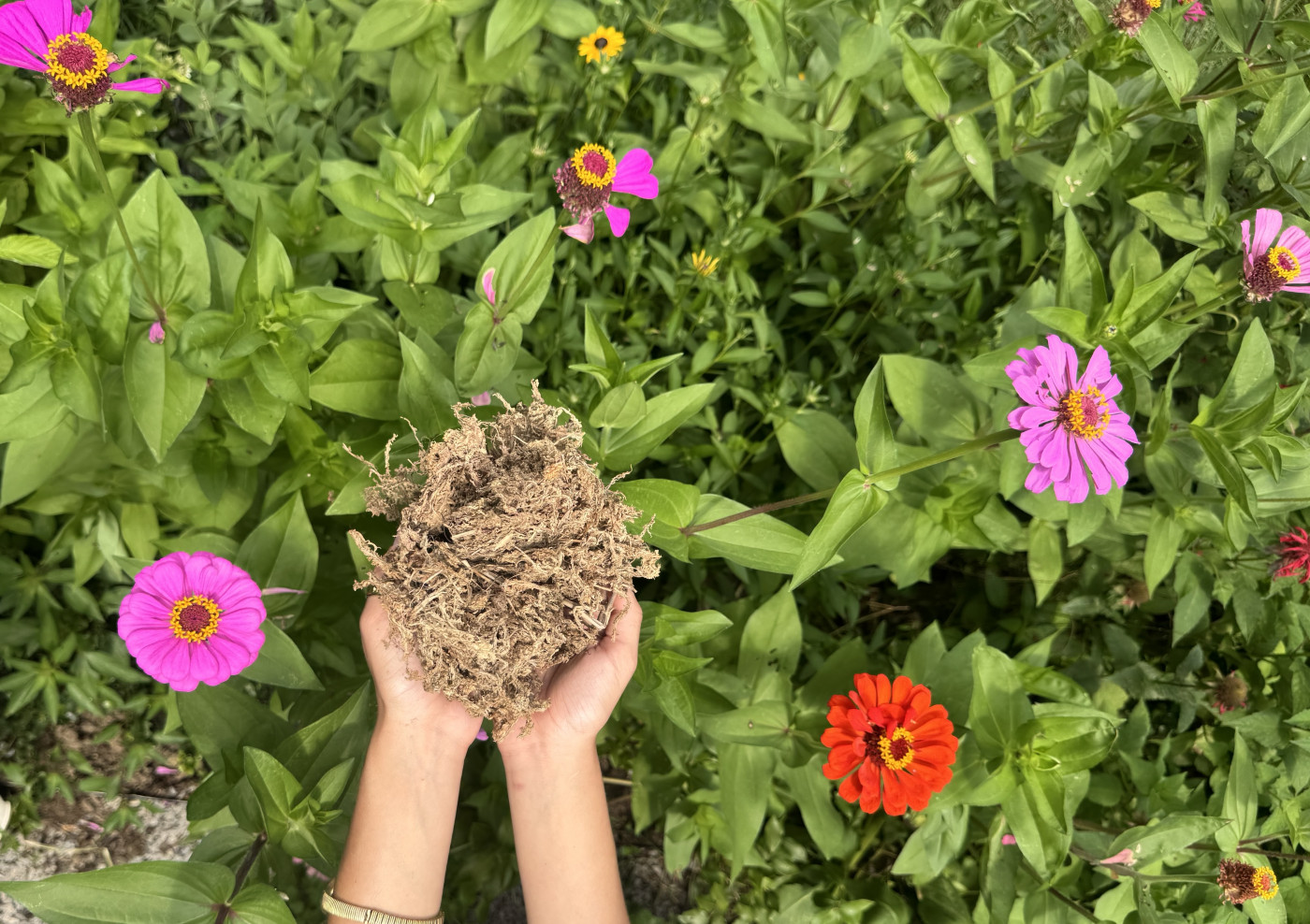
Peat moss is a natural material, formed from decomposed organic matter, often used in gardening. Its ability to retain moisture and improve soil structure makes it beneficial for vegetable gardens, promoting healthy plant growth.
Peat moss is a common component in many gardens. It enhances soil quality and boosts plant growth. But what exactly is peat moss? Understanding this soil amendment can help you decide if it’s right for your vegetable garden. Peat moss is organic matter. It forms in wetland bogs over centuries. It consists of partially decomposed plant material. Sphagnum moss is the primary source. This moss absorbs water and stores it. Peat moss is harvested from these bogs. It’s then dried and packaged for sale.Characteristics Of Peat Moss
Peat moss is lightweight and spongy. It holds moisture well. This helps keep soil damp for longer. It has a slightly acidic pH. This can affect the soil’s balance. It’s free of weeds and pests. This makes it a clean choice for gardens.Benefits Of Using Peat Moss
Peat moss improves soil aeration. It allows roots to breathe. It retains moisture efficiently. This reduces the need for frequent watering. It can enhance soil texture. This makes planting easier. It is sterile and free of pathogens. This promotes healthy plant growth.Environmental Concerns
Peat moss extraction affects ecosystems. Bogs take years to recover. Harvesting alters habitats. It contributes to carbon emissions. Consider sustainable alternatives. Coconut coir is one option. It offers similar benefits.Nutrient Content Of Peat Moss
Peat moss contains minimal nutrients, which makes it not ideal as a primary fertilizer. Its primary benefit is improving soil structure, aiding moisture retention, and enhancing drainage. This makes it a useful amendment in vegetable gardens for supporting plant growth indirectly.
Peat moss is often touted as a beneficial addition to vegetable gardens, but what nutrients does it actually bring to the table? Understanding its nutrient content can help you decide if it’s the right choice for your garden. Let’s dive into the specifics of what peat moss offers.What Nutrients Does Peat Moss Contain?
Peat moss is primarily known for its ability to retain moisture rather than its nutrient content. It doesn’t offer a rich supply of nutrients like nitrogen, phosphorus, or potassium. Instead, its main contribution is improving soil structure and water retention.Is Peat Moss A Good Source Of Minerals?
Peat moss does contain some minor trace elements, but they are not substantial enough to nourish plants on their own. You’ll still need to provide additional fertilizers to meet your vegetable garden’s nutrient requirements. Think of peat moss as a soil conditioner rather than a nutrient powerhouse.How Can Peat Moss Affect Soil Acidity?
Using peat moss can slightly lower the pH of your soil because it is naturally acidic. This can be beneficial for acid-loving plants like blueberries. However, if you’re growing vegetables that prefer neutral or alkaline soil, consider balancing the acidity with lime or other amendments.Does Peat Moss Enhance Nutrient Uptake?
While peat moss itself isn’t nutrient-rich, it can improve nutrient uptake by maintaining consistent moisture levels. This makes nutrients more accessible to plant roots. If you’ve ever noticed your plants struggling in dry spells, peat moss can help alleviate that stress by keeping the soil moist.Personal Experience: Peat Moss In My Garden
In my own garden, I’ve found that peat moss significantly boosts soil quality, even if it doesn’t add many nutrients. The improved moisture retention has led to healthier, more robust plants. Have you tried using peat moss in your garden? What changes did you notice? Including peat moss in your gardening routine can enhance the overall environment for your plants, even if it doesn’t directly feed them. Would you consider giving it a try?Water Retention Properties
Peat moss improves water retention in vegetable gardens by absorbing and holding moisture. It keeps the soil moist, ensuring plants stay hydrated. This helps create an ideal environment for growing healthy vegetables.
Water retention is crucial for a thriving vegetable garden. Peat moss is renowned for its ability to hold moisture. This makes it a favorite choice among gardeners aiming for healthy plants. Its unique structure absorbs water efficiently, ensuring roots remain hydrated.How Peat Moss Absorbs Water
Peat moss acts like a sponge. It captures and retains moisture well. This is due to its fibrous texture. Even in dry conditions, it keeps the soil damp.Impact On Soil Structure
Peat moss improves soil structure. It creates a balance between moisture and air. This prevents soil from becoming too compact. Roots can breathe and grow without restriction.Benefits In Dry Seasons
During dry spells, peat moss becomes invaluable. It reduces the need for frequent watering. This saves time and resources. Gardens stay lush even in challenging weather.Improving Plant Health
Consistent moisture leads to healthier plants. Peat moss supports nutrient absorption. Plants grow stronger and yield more produce. It’s a simple way to enhance garden vitality.Improving Soil Structure
Peat moss improves soil structure in vegetable gardens by enhancing moisture retention and aeration. It provides essential nutrients, ensuring healthy plant growth. This natural additive also helps prevent soil compaction, promoting robust root development.
Improving soil structure is key to cultivating a thriving vegetable garden, and peat moss plays an essential role in achieving this. By enhancing the texture and composition of your soil, peat moss can create an ideal environment for plant roots to grow and access nutrients. Whether you’re dealing with heavy clay or sandy soil, peat moss can transform your gardening experience.Why Peat Moss Enhances Soil Texture
Peat moss is renowned for its ability to lighten heavy soils. If you’ve ever tried planting in clay soil, you know it can be challenging. Peat moss breaks up that compact structure, making it easier for roots to penetrate.Boosting Water Retention
One of the standout features of peat moss is its water retention capacity. It acts like a sponge, absorbing and holding moisture. This is particularly beneficial in sandy soils, which tend to drain water quickly.Improving Soil Aeration
Roots need oxygen just as much as they need water. Peat moss helps improve aeration by creating space between soil particles. This allows your plants to breathe better and grow stronger.Organic Matter And Nutrient Supply
Peat moss adds organic matter to your soil, which is crucial for healthy plant growth. While it doesn’t provide nutrients directly, it enhances the soil’s ability to hold onto nutrients, making them more available to your plants.Balancing Soil Ph
Are you concerned about soil acidity? Peat moss tends to lower soil pH, which can be beneficial if you’re dealing with alkaline soil. This adjustment can help certain vegetables thrive, such as tomatoes and potatoes. Incorporating peat moss into your vegetable garden can greatly improve the soil structure. How will you use it to transform your gardening experience?Acidity And Ph Balance
Understanding the acidity and pH balance of your soil is vital for a thriving vegetable garden. Peat moss can influence these factors significantly. It helps create an ideal growing environment by adjusting the soil’s acidity. Knowing how peat moss affects pH can guide your gardening efforts.
How Peat Moss Affects Soil Acidity
Peat moss naturally has a low pH, making it acidic. It can lower the pH of alkaline soil. This adjustment benefits vegetables that prefer slightly acidic conditions. Using peat moss in moderation helps prevent overly acidic soil.
Choosing The Right Plants For Acidic Soil
Some vegetables thrive in slightly acidic soil. Blueberries and potatoes are examples. Before planting, research each vegetable’s pH preference. This ensures your garden’s success.
Testing Soil Ph Levels
Regular soil testing is essential. It helps monitor pH changes after adding peat moss. Simple home kits can provide quick results. Aim to test your soil before each planting season.
Balancing Soil Ph With Lime
If the soil becomes too acidic, lime can help. Lime raises the pH, balancing the soil. Apply it carefully, following package instructions. This ensures you achieve the desired pH level.
Benefits Of Balanced Soil Ph
A balanced pH enhances nutrient availability. It supports healthy root development and plant growth. Vegetables receive essential nutrients more efficiently. This leads to higher yields and better quality produce.
Peat Moss And Vegetable Growth
Peat moss is a popular soil amendment. It is known for its ability to retain moisture. This can be beneficial for vegetable gardens, especially in dry areas. Peat moss is lightweight, making it easy to mix into the soil. It can help improve soil structure. This supports healthy vegetable growth by enhancing the soil’s ability to hold nutrients. Using peat moss can lead to healthier plants and potentially better yields.
Root Development
Peat moss aids in root development. It helps maintain moisture around the plant roots. This is crucial for young plants. Healthy roots mean stronger, more resilient vegetables. Peat moss creates a soft environment for roots to spread. This enhances the plant’s ability to access nutrients. Better root systems lead to robust growth.
Yield Improvement
Using peat moss can improve vegetable yield. It enhances soil drainage while retaining essential moisture. Vegetables thrive when they have consistent access to water. Peat moss provides this balance. It also breaks down slowly, offering a steady supply of nutrients. This can result in more abundant harvests. The improvement in soil conditions supports larger, healthier vegetables.
Environmental Impact Considerations
Peat moss has been a favorite for many gardeners. It’s known for improving soil structure and moisture retention. Yet, its use raises important environmental concerns. Peat moss is harvested from peat bogs. These are unique ecosystems that take centuries to form. The extraction process can harm these habitats and release stored carbon. This contributes to climate change. Understanding the sustainability issues linked with peat moss is crucial for eco-conscious gardeners.
Sustainability Concerns
Peat bogs are vital carbon sinks. When peat is harvested, carbon dioxide is released into the atmosphere. This increases greenhouse gas levels. Peat bogs also support diverse wildlife. They provide habitats for many species. Disturbing these ecosystems can lead to biodiversity loss. Harvesting peat moss is slow and unsustainable. It can take thousands of years for peat to regenerate. This makes it a non-renewable resource. Choosing peat moss affects both local ecosystems and global climate health.
Alternatives To Peat Moss
Many eco-friendly options exist for improving soil. Coconut coir is a popular substitute. It’s made from coconut husks and is renewable. It helps retain moisture and improve soil aeration. Compost is another alternative. It enriches soil with nutrients and improves structure. Leaf mold is also a great choice. It’s made from decomposed leaves and enhances soil health. Each alternative offers unique benefits. They support sustainable gardening practices. By choosing sustainable options, gardeners can protect the environment.
Credit: www.gardenary.com
Application Tips For Gardeners
Peat moss enhances soil texture and retains moisture, making it beneficial for vegetable gardens. Its acidic nature suits crops like tomatoes and carrots. Consider mixing it with other organic matter for balanced soil health.
Applying peat moss effectively in your vegetable garden can transform your soil and boost your plant growth. However, understanding the right way to use it is crucial. With these practical tips, you can ensure that your garden reaps the full benefits of peat moss.Proper Usage Techniques
When using peat moss, start by determining the amount you need. Generally, a layer of 2-3 inches over your garden bed works well. Spread the peat moss evenly across the soil surface. This ensures a uniform improvement in soil texture and moisture retention. Gently mix the peat moss into the top 6-12 inches of the soil. This helps integrate it well, allowing the roots of your vegetables to access its benefits. Water the soil thoroughly after application. Peat moss is hydrophobic when dry, so it needs to be moist for best results.Mixing With Other Materials
Peat moss works great when combined with other organic materials. Consider mixing it with compost to enhance soil fertility. If your soil is clay-heavy, blend peat moss with sand for improved drainage. This combination can prevent waterlogging, which is detrimental to plant roots. Consider using a soil testing kit to understand your soil’s pH and nutrient profile. This can guide you on how much peat moss and additional materials to add. Have you ever tried experimenting with different mixes? Share your experiences in the comments and let’s learn together! By carefully applying these techniques, you can maximize peat moss’s benefits in your vegetable garden. Happy gardening!Common Misconceptions
Is Peat Moss Good for a Vegetable Garden Many believe peat moss is ideal for vegetable gardens. It improves soil texture and retains moisture. Yet, it offers little nutrition, requiring additional fertilizers for plant growth.
When it comes to using peat moss in a vegetable garden, several misconceptions can cloud your judgment. Many gardeners, especially beginners, may hesitate to use peat moss due to these myths. Understanding these misconceptions can help you make informed decisions for your garden.Is Peat Moss Environmentally Harmful?
A common belief is that using peat moss is detrimental to the environment. While peat bogs are indeed vital ecosystems, responsible harvesting practices and sustainable management have been put in place. If you’re concerned, look for peat moss suppliers who adhere to these sustainable practices.Does Peat Moss Kill Beneficial Organisms?
Another misconception is that peat moss can harm beneficial organisms in your soil. The truth is, peat moss is largely inert and doesn’t harm these organisms. It actually helps create a better environment for them by improving soil structure and moisture retention.Does Peat Moss Alter Soil Ph Dramatically?
Some gardeners worry that peat moss will drastically change the pH of their soil. While peat moss is slightly acidic, it generally doesn’t have a significant impact on soil pH. You can easily manage soil pH with lime if needed, making it compatible with most vegetable gardens.Is Peat Moss A Fertilizer?
It’s a misconception that peat moss acts as a fertilizer. Peat moss doesn’t provide nutrients but rather improves soil texture and water retention. Pair it with a good compost or organic fertilizer for the best results in your vegetable garden.Is Peat Moss Only For Acid-loving Plants?
Many think peat moss should only be used for acid-loving plants. While it’s true that peat moss is slightly acidic, it can benefit a wide variety of plants, including vegetables. Its ability to retain moisture and improve soil aeration is universally beneficial. Incorporating peat moss into your vegetable garden can be a game-changer. By dispelling these myths, you can confidently decide if it’s right for you. Have you encountered any of these misconceptions before?
Credit: www.gardeningknowhow.com

Credit: www.marthastewart.com
Frequently Asked Questions
What Vegetables Do Not Like Peat Moss?
Vegetables like carrots, onions, and potatoes dislike peat moss due to its acidity. Opt for soil with balanced pH for these crops. Peat moss can hinder nutrient absorption in alkaline-loving vegetables, impacting growth and yield. Choose alternatives like compost or well-drained soil for better results.
Is Peat Moss Good For Tomatoes?
Peat moss is beneficial for tomatoes. It improves soil aeration, retains moisture, and provides acidic conditions. This helps tomatoes thrive and enhances nutrient absorption. Mix peat moss with soil for better results. It’s an excellent choice for boosting tomato plant growth.
Use it moderately to avoid overly acidic soil.
What Vegetables Grow Well In Peat Moss?
Carrots, radishes, and potatoes thrive in peat moss. It provides excellent drainage and aeration. Leafy greens like lettuce and spinach also grow well. Peat moss retains moisture while preventing waterlogging. It creates an ideal environment for root development, enhancing vegetable growth.
What Are The Disadvantages Of Peat Moss In The Garden?
Peat moss can lead to soil acidity, harming plants that prefer neutral pH levels. It depletes natural bogs, impacting ecosystems. Peat moss has low nutrient content, requiring additional fertilization. It can be costly compared to alternatives. Overuse may cause soil compaction, reducing water drainage and air circulation.
Conclusion
Peat moss can benefit your vegetable garden. It improves soil structure. Water retention is enhanced, helping plants grow better. Nutrients are also retained in the soil longer. But peat moss is not the perfect solution for every garden. Consider your garden’s needs and local climate.
Other options might suit your garden better. Think about sustainability too. Peat moss is not renewable. Other organic materials can be more eco-friendly. Make informed choices for your garden. Balance is key for a thriving vegetable garden. Experiment and find what works best for you.