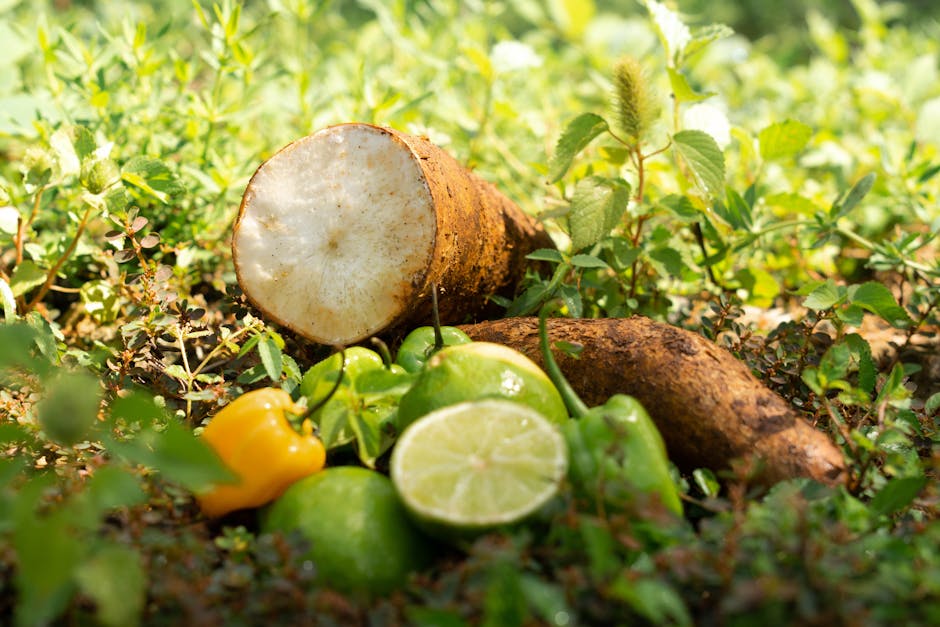
Imagine having a thriving vegetable garden right in your backyard, bursting with vibrant colors and fresh produce ready to be picked. The secret to achieving this lush paradise might just be a simple, natural ingredient: lime.
You might be wondering, “Is lime good for my vegetable garden? ” This question is crucial for anyone looking to elevate their gardening game and yield the best results. By understanding how lime can transform your soil and enhance your plants’ growth, you could unlock the potential for a bountiful harvest.
Dive into this article to discover how lime might be the key to overcoming common gardening challenges and ensuring your garden flourishes. Your perfect garden might be just a few lime applications away. Don’t miss out on this essential insight that could change the way you garden forever.
Credit: www.gardeningknowhow.com
Benefits Of Lime For Soil
Lime is an important addition to vegetable gardens. It offers several benefits for soil health. From nutrient enhancement to pH level adjustment, lime plays a vital role.
Nutrient Enhancement
Lime enriches soil with essential nutrients. It provides calcium and magnesium. These nutrients help plants grow better. Calcium strengthens cell walls. Magnesium aids in photosynthesis. Plants absorb nutrients more efficiently.
Ph Level Adjustment
Lime adjusts soil pH levels. Many vegetables prefer neutral soil. Lime can balance acidic soils. It makes soil less acidic. This helps plants absorb nutrients. Balanced pH supports healthy plant growth.
Improvement In Soil Structure
Lime improves soil structure. It binds soil particles together. This enhances soil aeration and drainage. Better aeration allows roots to breathe. Good drainage prevents waterlogging. Healthy roots lead to strong plants.
How Lime Affects Vegetable Growth
Lime can significantly impact vegetable growth in your garden. It adjusts the soil’s pH level, which can enhance the overall health of your plants. Understanding how lime affects growth is crucial for a thriving vegetable garden.
Increased Nutrient Absorption
Lime helps balance soil pH, making nutrients more available. Vegetables absorb nutrients like nitrogen, phosphorus, and potassium better in neutral soil. This process boosts plant health and increases yield. Healthy plants grow stronger and faster.
Disease Prevention
Lime creates a less acidic environment for your plants. This change reduces the risk of certain soil-borne diseases. Fewer diseases mean healthier plants. A healthier garden leads to better vegetable production.
Root Development
Lime supports strong root growth by improving soil structure. Well-structured soil allows roots to spread and access nutrients easily. Strong roots anchor plants and support growth. Robust root systems make for resilient plants.
Types Of Lime For Gardens
Lime is a valuable addition to many vegetable gardens, enhancing soil quality and boosting plant health. Different types of lime offer unique benefits, tailored to various gardening needs. Understanding these types can help you make the best choice for your garden.
Agricultural Lime
Agricultural lime, commonly known as ‘aglime,’ is derived from crushed limestone. It’s primarily used to neutralize soil acidity, making it an excellent choice for gardens with acidic soils. Aglime improves soil structure, promoting better water and nutrient retention. If your vegetables seem to struggle despite adequate watering and fertilization, consider testing your soil’s pH. You might find that a sprinkle of agricultural lime is just what your garden needs.
Dolomitic Lime
Dolomitic lime is a type of lime that contains magnesium carbonate in addition to calcium carbonate. This makes it particularly beneficial for gardens where magnesium deficiency is a concern. If you’ve noticed yellowing leaves or slow growth in your vegetables, dolomitic lime could be the answer. Not only does it adjust pH levels, but it also replenishes magnesium, ensuring your plants have the nutrients they need to thrive.
Hydrated Lime
Hydrated lime, or slaked lime, is more potent and fast-acting than other lime types. It’s processed with water, making it highly effective for quick pH adjustment. However, use it with caution, as its strength can burn plants if applied excessively. If you’re facing a soil emergency where rapid pH correction is essential, hydrated lime can be a lifesaver. Just remember to follow recommended application rates to avoid harming your garden.
So, which type of lime does your garden need? Consider your soil’s current condition and the specific challenges your vegetables face. Choosing the right lime could be the key to transforming your garden’s health and productivity.
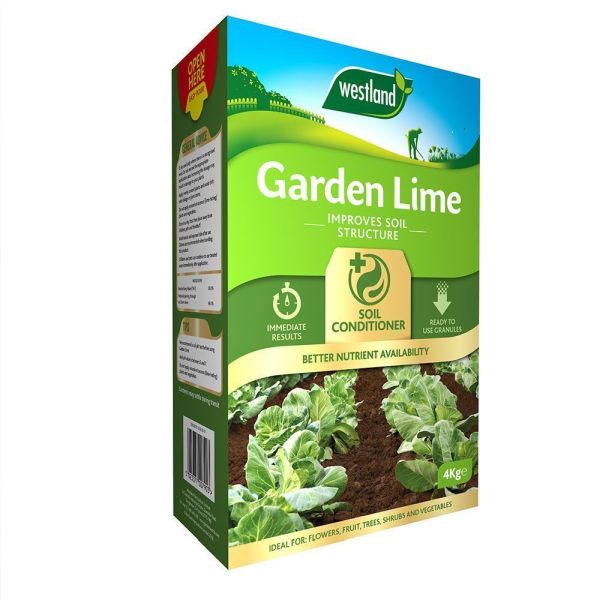
Credit: www.squiresgardencentres.co.uk
When To Apply Lime
Applying lime in fall or early spring benefits vegetable gardens. It helps balance soil pH, improving nutrient absorption. Proper timing ensures healthier growth and bountiful yields.
Applying lime to your vegetable garden can improve soil health. It’s crucial to time the application right for the best results. Lime can change the soil pH, making nutrients more available. Knowing when to apply lime ensures your plants thrive.Seasonal Considerations
Spring and fall are ideal for lime application. In spring, lime can prepare the soil before planting. It helps to balance soil acidity as plants start to grow. Fall application allows lime to break down over winter. This prepares the soil for the next planting season. Avoid applying lime during the growing season. It can stress plants or affect nutrient uptake.Soil Testing Guidelines
Test your soil before adding lime. This determines the current pH and lime needs. Use a soil testing kit from a garden store. Follow the instructions carefully for accurate results. Soil pH between 6.0 and 7.0 is optimal for most vegetables. If pH is below this range, lime can help. Apply the recommended amount based on your test results. Over-liming can harm plants, so precision is key. Regular testing ensures long-term soil health and productivity.Steps For Applying Lime
Applying lime to a vegetable garden involves testing soil pH, spreading lime evenly, and watering for absorption. Lime neutralizes acidity, improving nutrient availability and promoting healthy plant growth. Regular soil checks help maintain optimal conditions for vegetables.
Adding lime to your vegetable garden can be a game-changer, especially if your soil’s pH level needs a boost. Lime helps neutralize acidic soil, making it more hospitable for your veggies. However, applying lime isn’t as straightforward as sprinkling it around. Follow these steps to ensure you’re doing it right.Calculating The Right Amount
Determining the correct amount of lime is crucial for achieving optimal soil conditions. Start by testing your soil’s pH level with a reliable soil test kit. If the pH is lower than 6.0, lime is likely needed. The amount you need can vary based on soil type—clay soils often require more lime than sandy soils. For example, you might need about 50 pounds of lime for a 1,000 square feet area in clay soil.Application Methods
Once you have the right amount, it’s time to apply the lime effectively. There are several methods you can use:- Broadcasting:Spread the lime evenly over your garden using a spreader for large areas.
- Raking:For smaller areas, you can sprinkle lime by hand and then use a rake to mix it into the soil.
- Watering:After application, water the area lightly to help the lime penetrate the soil.
Post-application Care
After applying lime, give your garden some time to adjust. Lime takes a few months to fully integrate into the soil and alter the pH. Keep an eye on your plants and watch for signs of improvement, like healthier leaves and better growth. You might wonder if you need to reapply lime—usually, a single application lasts a few years, but it depends on your specific soil conditions. Consider revisiting your soil test every few years to monitor changes. This way, you can make informed decisions about your garden’s needs. How has lime improved your gardening experience? Share your story in the comments!
Credit: www.yates.com.au
Potential Drawbacks
While lime can be beneficial for vegetable gardens by balancing soil acidity, it’s essential to be aware of its potential drawbacks. Adding too much lime can lead to several issues that might affect the health of your plants and the soil ecosystem. Understanding these risks can help you make informed decisions about using lime in your garden.
Over-liming Risks
Adding excessive lime to your garden can cause the soil pH to rise too high, which can lock out vital nutrients. Plants may struggle to absorb essential minerals like iron and manganese, leading to deficiencies that hinder growth. You might notice yellowing leaves or stunted growth as a result.
Monitor your soil pH regularly to avoid this pitfall. Consider using a soil test kit to get accurate readings before adding lime. You’ll want to maintain a balance that supports plant health without causing nutrient imbalance.
Impact On Soil Microorganisms
Lime can alter the soil environment, affecting the delicate balance of microorganisms that play a crucial role in nutrient cycling. These tiny creatures help break down organic matter and enrich the soil. Changes in pH can disrupt their activity, potentially reducing soil fertility.
Think about the long-term implications of lime use in your garden. Are you inadvertently harming the very organisms that sustain your soil’s health? Consider alternative methods to manage soil acidity, like incorporating organic matter, that might be gentler on these vital helpers.
Complementary Practices
Complementary practices in vegetable gardening can make a noticeable difference in your garden’s health and productivity. Lime is known to balance soil acidity, but its benefits can be amplified when combined with other smart gardening techniques. Let’s dive into how crop rotation and companion planting can complement the use of lime in your vegetable garden.
Crop Rotation
Crop rotation is a simple yet effective practice that involves changing the location of your crops each season. By rotating your crops, you prevent the buildup of pests and diseases in the soil, ensuring healthier plants. This method also helps in maintaining soil nutrient balance.
Imagine planting tomatoes in the same spot year after year. Over time, the soil gets depleted of specific nutrients that tomatoes need. By rotating with another crop, such as beans, the soil can recover and regain those nutrients. Lime enhances this process by adjusting the soil pH, making nutrients more accessible to the plants.
Companion Planting
Companion planting is another practice that works in harmony with lime usage. It involves strategically planting crops together to enhance growth and deter pests. Certain plants can benefit from each other’s presence, creating a balanced ecosystem in your garden.
Consider planting basil alongside tomatoes. Basil can repel insects that might otherwise feast on your tomatoes. Lime, with its ability to improve soil structure, supports the growth of both plants by ensuring they have the ideal environment to thrive. Have you ever noticed how some plant combinations seem to flourish? That’s the magic of companion planting.
Frequently Asked Questions
Which Vegetables Do Not Like Lime?
Vegetables like carrots, peas, beans, and tomatoes prefer neutral or slightly acidic soil, avoiding lime. Lime increases soil pH, which is not suitable for these vegetables. Maintaining balanced soil conditions ensures optimal growth and harvest quality for these crops. Keep lime away to promote healthy vegetable growth.
What Vegetables Benefit From Lime?
Lime enhances the growth of vegetables like beans, peas, spinach, lettuce, and cabbage. It raises soil pH, improving nutrient uptake. Lime also aids in reducing soil acidity, benefiting root vegetables like carrots and parsnips. Applying lime ensures healthier plants and better yields for alkaline-loving vegetables.
Can You Put Too Much Lime On A Vegetable Garden?
Yes, applying too much lime can harm your vegetable garden. Excess lime raises soil pH, causing nutrient imbalances. This can stunt plant growth and reduce yields. Always test soil pH before adding lime to ensure proper application.
What Are The Disadvantages Of Lime In Soil?
Excess lime can cause nutrient imbalance, reducing soil fertility and plant growth. It may lead to poor drainage and compact soil. High pH levels from lime can hinder nutrient absorption, affecting crops negatively. Adjust lime application based on soil tests for optimal results and avoid these drawbacks.
Conclusion
Lime can benefit your vegetable garden in many ways. It improves soil health and boosts plant growth. Lime helps balance soil pH, making nutrients accessible. Consider soil testing before applying lime. Use lime moderately to avoid harming plants. Regular monitoring helps maintain healthy soil conditions.
Lime promotes strong roots and vibrant vegetables. Remember, each garden is unique. Tailor lime use to your garden’s specific needs. Proper application leads to fruitful harvests. Enjoy the process and watch your garden thrive. Happy gardening and may your vegetables flourish with lime!