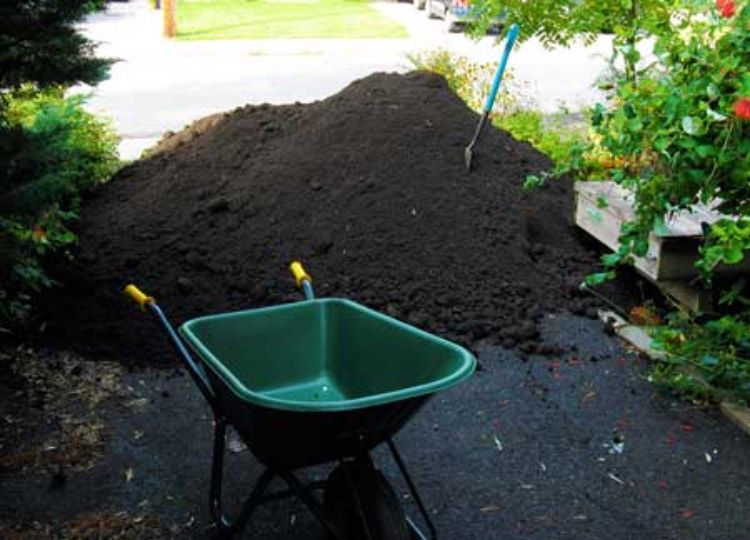
Are you planning to spruce up your garden and wondering if garden soil and topsoil are the same? You’re not alone.
Many gardeners like you are curious about the differences and how choosing the right soil can impact their plants’ growth. Picture this: you plant your favorite flowers or veggies, but they don’t bloom as expected. Frustrating, right? The secret might be lying beneath the surface—in the soil you use.
We’ll unravel the mystery behind garden soil and topsoil. By the end of this read, you’ll know exactly which soil fits your gardening needs, potentially saving you time, effort, and disappointment. Imagine the satisfaction of seeing your plants flourish, all because you chose wisely. Ready to dig deeper and discover the right soil for your garden? Let’s get started.

Credit: www.instagram.com
What Is Garden Soil?
Understanding the difference between garden soil and topsoil can be crucial for your gardening success. Let’s dive into the specifics of what garden soil is, and why it could be the game-changer for your gardening endeavors.
Garden soil is specifically formulated to support the growth of plants. Unlike topsoil, which is the uppermost layer of the earth’s surface, garden soil is enriched with nutrients essential for plants. It usually contains a blend of compost, organic matter, and other amendments that enhance its fertility.
Think of garden soil as a customized mix tailored for your plants’ needs. It often includes components such as peat moss or vermiculite to improve aeration and water retention. This helps create an environment where roots can thrive.
Have you ever wondered why your plants aren’t growing as expected? The answer might be hidden in the soil. Garden soil provides the necessary nutrients that topsoil might lack, giving your plants a better chance to flourish.
Why Choose Garden Soil?
Garden soil can be more expensive than topsoil, but it offers a richer growing environment. If you’re passionate about gardening, investing in quality garden soil can make a noticeable difference. You’ll likely see healthier plants and more abundant blooms.
When planning your garden, consider the specific needs of the plants you intend to grow. Some plants may require more acidic soil, while others thrive in neutral pH levels. Garden soil can be adjusted to meet these requirements, unlike standard topsoil.
Remember, your garden is a reflection of the care you put into it. Using garden soil can be a practical step towards achieving the vibrant garden you envision.
How To Use Garden Soil Effectively
Effective use of garden soil involves understanding its properties and applying it appropriately. Mix it well with existing soil to ensure a balanced nutrient distribution. This helps prevent nutrient overload in one area while leaving another nutrient-deficient.
If you’re trying to improve an existing garden, gently remove the top layer of soil and replace it with garden soil. This can provide an immediate boost to your plants.
What challenges have you faced with your garden soil? Share your experiences and tips in the comments below, and let’s create a community of thriving gardeners!
What Is Topsoil?
Topsoil is the uppermost layer of soil in a garden or landscape. It plays a vital role in supporting plant growth and maintaining soil health. Understanding topsoil is essential for anyone interested in gardening or landscaping.
Topsoil is the outermost layer of soil, typically ranging from two to eight inches deep. It contains the highest concentration of organic matter and microorganisms. This layer is crucial for plants as it supplies nutrients and retains moisture.
Topsoil is rich in minerals, providing essential elements for plant growth. It includes nitrogen, phosphorus, potassium, and other nutrients. These components make it ideal for planting and growing vegetation.
Topsoil is different from subsoil, which lies beneath it and has less organic material. Subsoil is denser and less fertile, lacking the nutrients found in topsoil.
Good quality topsoil is dark and crumbly, indicating high organic content. It supports healthy root systems and enhances plant productivity.
Components Of Topsoil
Topsoil consists of several key elements that support plant life:
- Organic Matter: Decomposed plant and animal material enrich the soil.
- Minerals: Essential for plant growth and development.
- Water: Retains moisture for roots and helps nutrient absorption.
- Air: Provides oxygen for roots and soil organisms.
Importance Of Topsoil
Topsoil is vital for sustainable gardening and landscaping. It supports plant growth by offering necessary nutrients and a stable structure. Healthy topsoil promotes robust root development and increases plant resilience.
Topsoil also helps prevent erosion by binding soil particles together. This reduces nutrient loss and maintains soil fertility.
Investing in quality topsoil can improve your garden’s overall health and productivity. Whether you’re planting flowers, vegetables, or trees, topsoil is a key ingredient for success.
Key Differences
Garden soil and topsoil differ in composition and use. Garden soil is enriched for plant growth, while topsoil is the uppermost earth layer, often used for leveling or as a base layer in landscaping.
Key Differences Deciding between garden soil and topsoil can be confusing, especially if you’re new to gardening or landscaping. Understanding the key differences between them can help you make informed decisions for your outdoor projects. Each has its unique characteristics that can affect plant growth and soil health.Composition Variations
Garden soil is typically enriched with organic matter and nutrients, designed specifically to support plant growth. It often includes compost, peat moss, and other amendments to enhance its quality. Topsoil, on the other hand, is the uppermost layer of soil stripped from the earth. It may contain a mix of sand, clay, and silt but lacks the specialized organic additives found in garden soil. Consider the purpose of your soil—are you looking to cultivate a thriving vegetable patch or merely fill in some landscape gaps?Nutrient Levels
Garden soil tends to have higher nutrient levels due to its added organic components. These nutrients are essential for healthy plant development and productivity. Topsoil, while it provides basic support for plants, might not have the same nutrient richness. It’s more suitable for less demanding landscaping tasks, like laying sod or filling flower beds. Are your plants showing signs of nutrient deficiency? It might be time to evaluate your soil choice.Texture And Structure
Garden soil usually has a finer texture and better structure, which aids in root penetration and water retention. This is ideal for plants that require a stable environment to thrive. Topsoil can vary in texture from coarse to fine, depending on its origin. It might not retain water or nutrients as effectively as garden soil. Do you find your garden soil too compact? Mixing in topsoil can help improve aeration and drainage. Choosing the right soil is more than just selecting a bag at the store—it’s about understanding what will work best for your specific gardening needs.Uses Of Garden Soil
Garden soil plays a vital role in gardening. It provides a rich base for plants to thrive. This type of soil contains a blend of organic matter and nutrients. Its composition supports plant growth and improves soil health. Understanding its uses can enhance your gardening efforts.
Ideal Applications
Garden soil is perfect for flower beds. It also works well in vegetable gardens. Use it in raised garden beds for better drainage. Mix it with compost for improved fertility. It’s suitable for areas needing soil enrichment.
Plants Suitable For Garden Soil
Many plants thrive in garden soil. Vegetables like tomatoes and carrots grow well. Flowers such as roses and tulips flourish in it. Herbs like basil and mint find it ideal. Shrubs and small trees benefit from its nutrients. Use it for plants that need rich, organic soil.
Uses Of Topsoil
Topsoil is a valuable resource in gardening and landscaping. It forms the top layer of soil and contains essential nutrients. These nutrients are crucial for plant growth and health. Topsoil is versatile and serves many purposes in outdoor spaces.
Common Applications
Topsoil is often used for lawn and garden improvement. It helps create a rich bed for grass and flowers. Spread topsoil over existing soil to enhance its quality. It improves drainage and adds nutrients. Topsoil is also used in raised garden beds. It provides a fertile base for vegetables and herbs. It can fill low spots in yards, making them level. Topsoil helps in establishing new lawns by seeding or sodding. It encourages healthy root development.
Plants Suitable For Topsoil
Many plants thrive in topsoil-rich environments. Flowers like marigolds and daisies grow well in topsoil. Vegetables such as tomatoes and carrots find a nourishing home. Herbs like basil and parsley flourish in topsoil gardens. Shrubs and small trees also benefit from topsoil’s nutrients. It supports a wide range of plant life, making gardens lush.

Credit: mulchpros.com
Choosing The Right Soil
Understanding the difference between garden soil and topsoil is crucial for healthy plant growth. Garden soil is enriched with nutrients tailored for specific plants, while topsoil is the uppermost layer of soil, often used for general landscaping and filling.
Choosing the Right Soil Choosing the right soil for your garden can be as crucial as selecting the right plants. Soil is the foundation of your garden’s health, influencing growth, water retention, and nutrient availability. You might wonder, is garden soil the same as topsoil? The answer can significantly affect your gardening results.Factors To Consider
When selecting soil, think about the specific needs of your plants. Some thrive in nutrient-rich environments, while others prefer well-drained soil. Soil composition matters; garden soil often contains organic matter, minerals, and microorganisms beneficial for plant growth. Consider the texture of the soil. Sandy soil drains quickly but might lack nutrients. Clay holds water well but can become compacted. The ideal soil often combines sand, silt, and clay for balanced drainage and nutrition. Check the pH levels. Most plants prefer a neutral to slightly acidic soil. Use a simple test kit to determine the pH and adjust with lime or sulfur as needed.Common Mistakes To Avoid
Avoid assuming that all soils are the same. Mixing topsoil with garden soil without understanding their differences can lead to poor plant performance. Topsoil is generally more compact and less nutrient-rich than garden soil. Don’t overlook soil amendments. Adding compost or manure can enrich your garden soil, but overdoing it may lead to excessive nutrient levels, harming your plants. Balance is key. Resist the temptation to skip soil testing. Knowing your soil’s nutrient profile helps in making informed decisions. Skipping this step might lead to trial and error, wasting time and resources. By asking the right questions and avoiding these pitfalls, you can create a thriving garden environment tailored to your plants’ needs. So, what soil will you choose for your next gardening adventure?Benefits Of Proper Soil Selection
Choosing the right soil is crucial for a thriving garden. Proper soil selection can lead to healthier plants and more productive yields. Understanding the differences between garden soil and topsoil helps gardeners make informed choices. This knowledge ensures optimal growth and vibrant gardens.
Impact On Plant Health
Proper soil selection directly affects plant health. Garden soil often contains added nutrients and organic matter. These elements support robust root development. Topsoil, on the other hand, may lack these enhancements. It is usually a mix of sand, clay, and silt. Using the right soil promotes stronger plants and reduces disease risks.
Influence On Garden Productivity
Soil choice influences garden productivity significantly. Garden soil tends to be nutrient-rich, promoting plant growth. This results in higher yields. Topsoil might not provide the same level of nutrients. It is best used for landscaping or filling areas. Matching soil to plant needs increases garden output.

Credit: www.msn.com
Frequently Asked Questions
Can I Use Garden Soil As Fill Dirt?
Garden soil is not ideal for fill dirt. Fill dirt requires stable, compact material, while garden soil is nutrient-rich and prone to erosion. Use fill dirt for construction projects needing solid foundation or leveling, and save garden soil for planting.
Is Top Soil Just Garden Soil?
Topsoil and garden soil are different. Topsoil is the uppermost earth layer, rich in organic material. Garden soil is a mix, often enhanced with compost and nutrients, designed for planting. Using topsoil alone might not provide the necessary nutrients plants need for optimal growth.
What Is Garden Soil Called?
Garden soil is commonly referred to as topsoil. It provides essential nutrients and support for plant growth. Ideal garden soil contains a mix of sand, silt, clay, and organic matter. It retains moisture while draining excess water, promoting healthy root systems.
Quality garden soil enhances plant health and productivity.
Can I Use Garden Soil In Raised Beds?
Using garden soil in raised beds is not recommended. It compacts easily, reducing aeration and drainage. Opt for a quality mix of topsoil, compost, and peat moss for optimal growth. This ensures better nutrient retention and moisture control, promoting healthier plants and a thriving garden environment.
Conclusion
Garden soil and topsoil offer distinct benefits for plant growth. Garden soil is rich in organic matter. It’s ideal for nourishing flowers and vegetables. Topsoil provides a foundation, perfect for lawns and shrubs. Choosing the right soil boosts plant health and productivity.
Consider your garden’s needs before purchasing soil. Know the differences to make informed choices. Healthy soil leads to vibrant gardens. Enjoy watching your plants thrive with the right soil mix. Your garden’s success begins with understanding soil types. Happy gardening!