Have you ever stood in the gardening aisle, staring at bags of soil, and wondered, “Is garden soil the same as top soil?” You’re not alone.
Many gardeners, both new and experienced, find themselves puzzled by these two terms. The answer isn’t as straightforward as it might seem. Understanding the difference can be the secret to a flourishing garden or a struggling one. Imagine having the power to choose the perfect soil for your plants, ensuring they thrive and bloom beyond your expectations.
This knowledge can transform your gardening experience from frustrating to fulfilling. We’ll unravel the mysteries of garden soil and top soil, helping you make informed decisions. Keep reading to discover the key differences and why they matter to your garden’s success.
Garden Soil Basics
Understanding garden soil basics is essential for any gardener aiming to cultivate a thriving garden. Garden soil is more than just dirt; it’s a complex blend that supports plant growth. But how does it differ from topsoil? Let’s delve into what makes garden soil unique and effective for your gardening needs.
Composition And Components
Garden soil is a carefully curated mixture of organic matter, minerals, and microorganisms. It often includes compost, peat moss, and sand to create a balanced environment for plants. The addition of these elements improves drainage, aeration, and nutrient availability.
While topsoil typically consists of the uppermost layer of earth, garden soil is enriched with nutrients and organic materials. This tailored composition makes it ideal for growing a variety of plants, from vegetables to flowers.
Purpose And Uses
Garden soil is specifically designed to nurture plant life. Its enhanced composition supports root development and provides essential nutrients for healthy growth. Unlike topsoil, which might lack nutrients, garden soil can be customized for specific plant needs.
Think about your garden’s goals. Do you want a vegetable patch bursting with produce, or a flower bed full of vibrant blooms? Garden soil can be adjusted to meet these ambitions, ensuring your plants have what they need to thrive.
Have you ever wondered why some gardens flourish while others struggle? The secret often lies in the soil. By understanding the differences and uses of garden soil, you can optimize your gardening efforts and enjoy a more productive garden.
Credit: mulchpros.com
Top Soil Essentials
Understanding the essentials of top soil is crucial for any gardening or landscaping project. Top soil is the uppermost layer of soil, rich in nutrients and organic matter. It’s where most of the earth’s biological activity occurs, making it a prime choice for growing healthy plants. But what makes top soil so vital, and how can you use it effectively?
Characteristics And Texture
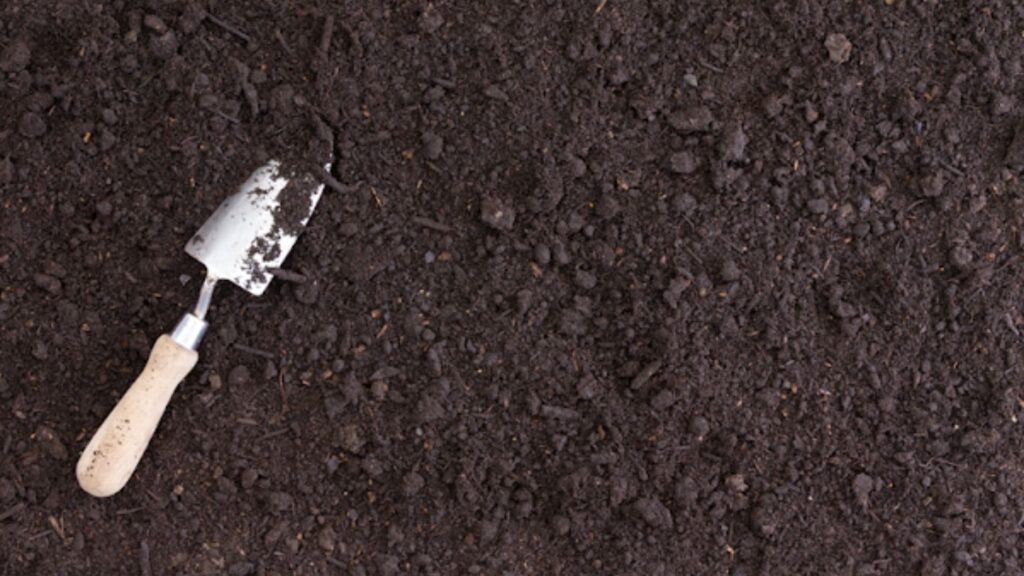
Top soil is typically dark and crumbly, reflecting its high organic content. This texture ensures good drainage, allowing roots to breathe and absorb nutrients effectively. The presence of microorganisms in top soil aids in breaking down organic matter, enriching the soil further.
Unlike garden soil, which might contain additives, top soil is more natural. Its texture varies from sandy to clay-like, depending on the source. You might find that top soil feels different under your fingers compared to the garden soil you usually work with. Have you ever felt the difference?
Common Applications
Top soil is versatile and can be used for various applications. It’s perfect for laying a foundation for new lawns or filling in low spots in your garden. Its nutrient-rich nature makes it ideal for starting new flower beds or vegetable gardens.
When you buy top soil, consider what you need it for. Are you looking to improve your lawn, or are you starting a new garden bed? It’s also popular for landscaping projects, providing a supportive layer for plants and trees. How will you use top soil to transform your garden?
Differences Between Garden Soil And Top Soil
Garden soil and top soil are not the same. Garden soil is enriched with nutrients for planting. Top soil is a basic layer, often used to fill spaces or level ground.
Differences Between Garden Soil and Top Soil Garden soil and top soil are often confused, yet they serve different purposes. Understanding their differences helps in choosing the right soil for your gardening needs. Each type of soil has unique properties that affect plant growth.Nutrient Content Variations
Garden soil is enriched with nutrients. It often contains organic matter and fertilizers. This promotes plant health and growth. Top soil is less enriched. It primarily consists of sand, clay, and silt. Its nutrient content is lower, making it less suitable for direct planting.Water Retention And Drainage
Garden soil offers good water retention. It holds moisture, providing a steady supply to plants. This helps in preventing drought stress. Top soil has better drainage. It allows excess water to escape quickly. This prevents waterlogging, which can harm plant roots.When To Use Garden Soil
Garden soil is ideal for planting in flower beds and vegetable gardens. It contains organic matter suitable for growing plants. Top soil is different; it mainly serves as a filler for leveling or landscaping.
When to Use Garden Soil Choosing the right soil can make or break your gardening success. Garden soil is specially formulated with organic materials and nutrients, making it ideal for specific situations. Understanding when to use garden soil can significantly improve plant health and growth.Best Practices For Plant Growth
To maximize plant growth, ensure that your garden soil is well-aerated and drains properly. Compact soil can suffocate roots, hindering their ability to absorb water and nutrients. Regularly turning the soil or adding organic matter can improve its structure and fertility. Avoid using garden soil for potting plants as it may not provide the necessary drainage and aeration. Instead, use it directly in garden beds or raised beds where its nutrient-rich properties can be fully utilized. Consider testing your soil’s pH level to tailor amendments for optimum growth conditions. This small step can lead to healthier plants and more bountiful yields.Suitable Plant Types
Garden soil is perfect for hardy plants that thrive in nutrient-rich environments. Vegetables like tomatoes, peppers, and zucchini are excellent choices, as they demand a lot of nutrients to produce abundant harvests. Perennials such as roses and hydrangeas also benefit from garden soil due to its ability to retain moisture and supply essential nutrients. They establish strong root systems and flourish with vibrant blooms. If you love herbs, consider planting basil, parsley, and chives in garden soil. These herbs will thrive, offering robust flavors and lush growth, enhancing your culinary endeavors. Have you experienced a significant difference in plant growth by choosing the right soil? Share your insights or any questions in the comments below!When To Use Top Soil
Top soil and garden soil differ in composition and purpose. Top soil is the uppermost layer of soil, rich in organic material. It is ideal for certain tasks in gardening and landscaping. Knowing when to use top soil can enhance your outdoor space.
Landscaping And Lawns
Top soil is perfect for leveling uneven ground. It helps create a smooth surface for lawns. Use it to fill low spots and depressions. Spread top soil over your lawn to improve its texture. This supports grass growth and provides better drainage.
Soil Preparation And Improvement
Enhance soil quality with top soil. Mix it into existing soil to boost nutrient levels. It improves soil structure, making it less compact. This promotes healthy root development for plants. Top soil can also help retain moisture. It is essential in preparing garden beds for planting.
Choosing The Right Soil For Your Needs
Choosing the right soil can transform your gardening experience. Whether you’re planting flowers or vegetables, soil choice impacts growth. Garden soil and topsoil are different and serve distinct purposes. Understanding these differences helps you select the best soil for your needs.
Factors To Consider
- Composition:Garden soil is rich in organic matter. It contains compost and nutrients. Topsoil, on the other hand, is less nutrient-dense.
- Purpose:Use garden soil for flower beds and vegetable gardens. It supports plant health. Topsoil works well for lawns and landscaping projects.
- Drainage:Garden soil offers excellent drainage. It’s ideal for plants needing well-drained conditions. Topsoil might retain more water.
- Cost:Topsoil is generally cheaper. Garden soil costs more due to added nutrients.
Tips For Making The Best Choice
- Identify your project’s needs. Choose based on the plants you grow.
- Check local soil options. Visit nurseries and ask for advice.
- Mix garden soil with existing soil for better results.
- For large areas, consider topsoil to manage costs.
- Test soil pH for specific plant requirements.
Common Misconceptions
Common misconceptions about garden soil and topsoil often lead to gardening mistakes. Many assume these terms are interchangeable, but they serve different purposes. Understanding these differences can save you time and effort in your gardening endeavors.
Myths About Soil Interchangeability
One common myth is that garden soil and topsoil are essentially the same. You might think picking either for your garden won’t make a difference. In reality, garden soil is specially formulated with nutrients tailored for plant growth, while topsoil is the uppermost layer of soil, often used for landscaping and leveling. Using topsoil in place of garden soil could hinder your plants’ growth.
Another misconception is that all topsoil is rich in nutrients. However, this isn’t always the case. Topsoil can vary greatly in quality and composition. It may lack essential nutrients needed for plant development, whereas garden soil is enriched to support healthy plant growth.
Clarifying Misunderstandings
Recognizing the specific needs of your garden can prevent unnecessary frustrations. For instance, if you use topsoil in your flower beds expecting lush blooms, you might be disappointed. Garden soil is mixed with organic matter, offering better drainage and nutrient content, crucial for vibrant flowers.
Have you ever wondered why your vegetable patch isn’t thriving? It’s possible the soil is to blame. Using garden soil ensures your vegetables get the right balance of nutrients and moisture. Garden soil is designed to promote robust plant health, unlike topsoil which may not support intensive gardening.
Consider what you’re planting and where. This helps you choose the correct soil. Tailoring your soil choice to your garden’s specific requirements enhances your chances of success, leading to a flourishing garden.

Credit: mulchpros.com

Credit: www.instagram.com
Frequently Asked Questions
Can I Use Garden Soil Instead Of Topsoil?
Garden soil can be used instead of topsoil, but it’s less ideal. Topsoil is richer and better for plant growth. Garden soil may lack nutrients or have inconsistent texture. For optimal results, mix garden soil with compost or fertilizer. Choose the right soil type for your specific gardening needs.
Is Top Soil Just Garden Soil?
Topsoil and garden soil are not the same. Topsoil is the uppermost soil layer, rich in organic material. Garden soil is topsoil enhanced with compost and fertilizers for planting. Both serve different purposes in gardening and landscaping.
Can I Use Garden Soil To Level My Lawn?
Using garden soil for lawn leveling can lead to drainage issues. Opt for topsoil or sand instead. These materials ensure better grass growth and even leveling. Proper leveling techniques help maintain lawn health and appearance. Consult with a landscaping professional for the best results.
What Is The Difference Between Potting Soil, Garden Soil, And Top Soil?
Potting soil is lightweight and designed for containers. Garden soil enriches outdoor beds. Top soil covers lawns and gardens, improving soil quality. Each serves a unique purpose in gardening.
Conclusion
Garden soil and top soil differ in composition and purpose. Garden soil is enriched for plant growth. Top soil covers large areas, offering basic support. Understanding these differences helps in choosing the right soil. Healthy plants need nutrients from garden soil.
Top soil serves broader landscaping needs. Both types play vital roles in gardening. Choosing wisely makes a difference in plant health and landscape. Remember, each soil type has unique benefits. Explore options for your garden’s success. Prioritize soil needs for thriving plants.
Make informed choices for a flourishing garden environment.