
Are you planning to transform your outdoor space with a raised bed garden? You might be wondering if garden soil is suitable for your raised beds.
This question is crucial for anyone looking to grow a thriving garden. Choosing the right soil can make all the difference between a lush, productive garden and one that struggles to grow. Imagine stepping into your garden and seeing vibrant vegetables and blooming flowers, all thriving due to the perfect soil choice.
The secret lies in understanding whether regular garden soil is the best fit for your raised beds. This knowledge empowers you to make informed decisions and avoid common pitfalls that many gardeners face. We’ll delve into the pros and cons of using garden soil in raised beds. You’ll discover simple tips that can lead to a flourishing garden and learn how to avoid potential setbacks. Keep reading to unlock the secrets to a more fruitful gardening experience and ensure your raised beds become the envy of your neighborhood.

Credit: www.thunderbirddisco.com
Characteristics Of Garden Soil
Garden soil can be suitable for raised beds if it’s nutrient-rich and well-draining. It should also be free from contaminants to ensure healthy plant growth. Mixing it with compost enhances its quality, making it more beneficial for vegetables and flowers.
When you’re planning to set up raised beds, understanding the characteristics of garden soil is crucial. Garden soil can vary significantly based on its composition and location. Knowing these characteristics helps you decide if it’s suitable for your raised beds or if adjustments are necessary.Texture
The texture of garden soil determines how it holds water and nutrients. Sandy soils drain quickly but may not retain essential nutrients. Clay soils, on the other hand, hold water but can become compacted. A balanced loamy soil, which is a mix of sand, silt, and clay, is ideal for most plants as it retains moisture without becoming waterlogged.Drainage
Good drainage is vital for healthy plant roots. Poorly drained soil can lead to root rot and other plant diseases. You can test drainage by digging a small hole and filling it with water. If it drains within a few hours, it’s typically good. If it takes longer, consider amending the soil with organic matter or sand to improve drainage.Nutrient Content
The nutrient content of garden soil varies widely. Essential nutrients like nitrogen, phosphorus, and potassium support plant growth. A simple soil test can reveal nutrient levels and pH balance. If your soil lacks these nutrients, adding compost or natural fertilizers can enrich it, ensuring your plants thrive.Ph Level
The pH level of garden soil affects nutrient availability. Most plants prefer a pH between 6.0 and 7.0. You can test the soil with a pH meter or test kit. If the pH is too low or too high, lime or sulfur can be added to adjust it accordingly. A balanced pH ensures your plants absorb nutrients effectively.Organic Matter
Organic matter in garden soil boosts its fertility and improves structure. It enhances water retention and provides nutrients as it decomposes. You can increase organic matter by adding compost, grass clippings, or aged manure. A rich layer of organic matter makes soil more suitable for raised beds, supporting healthy plant growth. Understanding these characteristics allows you to tailor garden soil to suit your raised beds. By making the right adjustments, you can cultivate a thriving garden that rewards your efforts with bountiful harvests. Have you tested your garden soil recently? If not, you might be surprised by what you discover!Benefits Of Raised Beds
Garden soil can be used in raised beds, but it needs amending. Raised beds offer better drainage and soil aeration. They also help control weeds and pests more effectively, making gardening easier and more productive.
Raised beds offer a practical solution for gardening enthusiasts seeking efficient soil management. They provide several advantages that enhance plant growth and simplify garden maintenance. Whether you’re an experienced gardener or a beginner, understanding the benefits of raised beds can transform your gardening experience.Improved Drainage
Raised beds help with soil drainage. Water moves quickly through the soil, preventing root rot. This is essential for plants that dislike soggy conditions. With better drainage, plants grow healthier and stronger.Enhanced Soil Quality
Gardeners can customize soil in raised beds. Add compost and organic matter to improve soil fertility. This ensures that plants receive nutrients needed for growth. Better soil means more productive plants.Weed Control
Raised beds reduce weed growth. Less space is available for weeds to take root. With fewer weeds, plants face less competition. Gardeners spend less time pulling weeds.Space Efficiency
Raised beds maximize space in small gardens. Vertical planting options allow more plants to grow. This is ideal for urban gardeners with limited space. More plants can be grown in a compact area.Accessibility
Raised beds are easier to reach. They reduce bending and kneeling, benefiting those with mobility challenges. This makes gardening more comfortable and enjoyable for everyone. Gardening is accessible to all age groups.Pest Control
Elevated soil deters pests. Raised beds make it harder for ground pests to reach plants. This protects plants from unwanted damage. Fewer pests mean healthier plants. Raised beds offer distinct benefits that can improve your gardening efforts. They provide a controlled environment for your plants, ensuring optimal growth conditions. With these advantages, raised beds are a valuable addition to any garden space.Garden Soil Vs. Raised Bed Soil
Raised bed soil differs from garden soil in texture and nutrient content. Garden soil may compact in raised beds, affecting plant growth. Opt for a mix of compost, peat, and vermiculite for better drainage and aeration in raised beds.
Garden soil and raised bed soil serve distinct purposes. Understanding their differences ensures optimal plant growth. Garden soil originates from the ground, containing organic matter and nutrients. Raised bed soil is specifically formulated for elevated planting, offering improved drainage and aeration. Choosing the right soil impacts plant health and productivity.Nutrient Content
Garden soil may lack balanced nutrients. It often depends on natural decomposition processes. Raised bed soil is enriched with essential nutrients. This ensures plants receive a balanced diet. It promotes robust growth and vibrant blooms.Drainage And Aeration
Garden soil can become compacted. This limits water flow and air circulation. Raised bed soil is designed for better drainage. It allows excess water to escape easily. Improved aeration prevents root rot and promotes healthy roots.Soil Structure
Garden soil varies in texture. It may contain clay, sand, or loam. Raised bed soil maintains a consistent structure. It is lightweight and easy to manage. This helps roots penetrate easily and strengthens plant stability.Potential Problems Using Garden Soil
Raised beds offer a great solution for gardening enthusiasts with limited space. They provide excellent drainage and better soil control. But using garden soil in raised beds can pose challenges. These challenges can affect plant growth and overall garden success. Understanding these potential problems can help you make informed decisions.
Compaction Issues
Garden soil often suffers from compaction. This makes it hard for plant roots to grow. In raised beds, compacted soil can limit drainage. Poor drainage can lead to waterlogged roots. It also reduces the availability of air, affecting plant health. Loose soil is crucial for root development and nutrient absorption.
Weed And Pest Concerns
Garden soil can contain weed seeds. These seeds can quickly germinate in raised beds. Managing weeds can become a tedious task. Garden soil may also harbor pests and diseases. These can easily spread in a contained environment. Regular monitoring and maintenance are needed to keep pests at bay.
Soil Quality Variability
Soil quality varies greatly from place to place. Some garden soils lack essential nutrients. Others may have an imbalance in pH levels. Inconsistent soil quality can affect plant growth. Raised beds require a balanced mix of soil components. This ensures optimal conditions for your plants to thrive.
Improving Garden Soil For Raised Beds
Garden soil is often dense and may not drain well in raised beds. Mixing it with compost improves aeration and nutrient content. This blend creates a thriving environment for plants, enhancing growth and health.
Improving the quality of garden soil for raised beds is crucial. It ensures healthy plant growth and increases yield. Garden soil alone may not provide the needed nutrients and structure. Enhancing it with various amendments can make a big difference.Mixing With Compost
Compost enriches garden soil with essential nutrients. It improves soil structure and boosts moisture retention. Mix garden soil with compost to enhance fertility. A ratio of one part compost to two parts soil works well. This blend supports healthy root development.Adding Organic Matter
Organic matter improves soil texture and drainage. It includes materials like leaves, grass clippings, and straw. These elements break down over time, releasing nutrients. Spread organic matter over the soil surface. Then, mix it well into the existing soil. This practice enhances soil aeration and water retention.Balancing Ph Levels
Soil pH affects nutrient availability for plants. Test the soil to determine its pH level. Most plants prefer a pH between 6.0 and 7.0. Adjust pH by adding lime to raise it or sulfur to lower it. Follow the manufacturer’s instructions for application rates. Regular testing helps maintain the ideal pH balance.Alternative Soil Options
When it comes to filling your raised beds with soil, garden soil might not always be the best choice. It’s dense, often lacking in nutrients, and can lead to drainage issues. But fear not, there are exciting alternative soil options that can boost your garden’s productivity and make your raised beds flourish. Let’s explore some of these options!
Commercial Raised Bed Mixes
Commercial raised bed mixes are a popular choice among avid gardeners. These mixes are specifically formulated to provide optimal drainage and nutrient levels for raised beds. They often include a combination of compost, peat moss, and vermiculite, creating a balanced environment for your plants.
I once tried a commercial mix in my raised beds, and the results were impressive. My tomatoes grew larger and tastier than ever before. These mixes save you the hassle of mixing soil components yourself, offering a ready-to-use solution that takes the guesswork out of gardening.
Creating A Custom Soil Blend
If you enjoy a hands-on approach, creating a custom soil blend is a satisfying option. You can tailor the mix to suit the specific needs of your plants. Start with a base of compost for nutrients, then add coconut coir or peat moss for moisture retention.
Consider including perlite or vermiculite for improved aeration and drainage. I once experimented with adding coffee grounds to my custom blend, which enhanced the soil structure and acidity, benefiting my blueberry plants. What’s your secret ingredient?
Creating your own blend allows you to adjust the soil composition as your garden evolves. It’s a dynamic process that keeps your gardening experience fresh and rewarding. So, what will you mix into your custom soil blend to nurture your plants?
Cost Considerations
Garden soil can be cost-effective for raised beds, reducing expenses compared to specialized mixes. Consider soil quality and amendments for optimal plant growth.
Cost is an essential factor when deciding whether to use garden soil in raised beds. While it may seem like a straightforward choice, the financial implications can vary significantly depending on multiple factors. You might be tempted to use garden soil to save money, but there are hidden costs you should consider.Initial Investment
Garden soil may seem inexpensive at first glance. If you already have a garden, you might think it’s free. However, transferring large quantities can require tools, transportation, and labor. These costs can add up quickly. Additionally, the quality of garden soil often needs amending, which means purchasing compost or other nutrients.Long-term Maintenance
Using garden soil in raised beds might lead to ongoing expenses. Garden soil can compact easily, leading to poor drainage and unhealthy plants. You might need to buy aerating tools or materials. Furthermore, garden soil can introduce weeds and pests, requiring regular maintenance and potentially costly treatments.Opportunity Costs
Consider what you might be sacrificing by using garden soil. Investing in a specialized mix could lead to healthier plants, yielding better crops. If your raised beds produce more, you might save money on groceries. There’s also the time factor; garden soil might require more attention and care, which could eat into your free time. Would you prefer to spend time gardening or enjoying other activities? Ultimately, the decision hinges on balancing upfront savings with potential long-term costs. Have you weighed these considerations for your garden?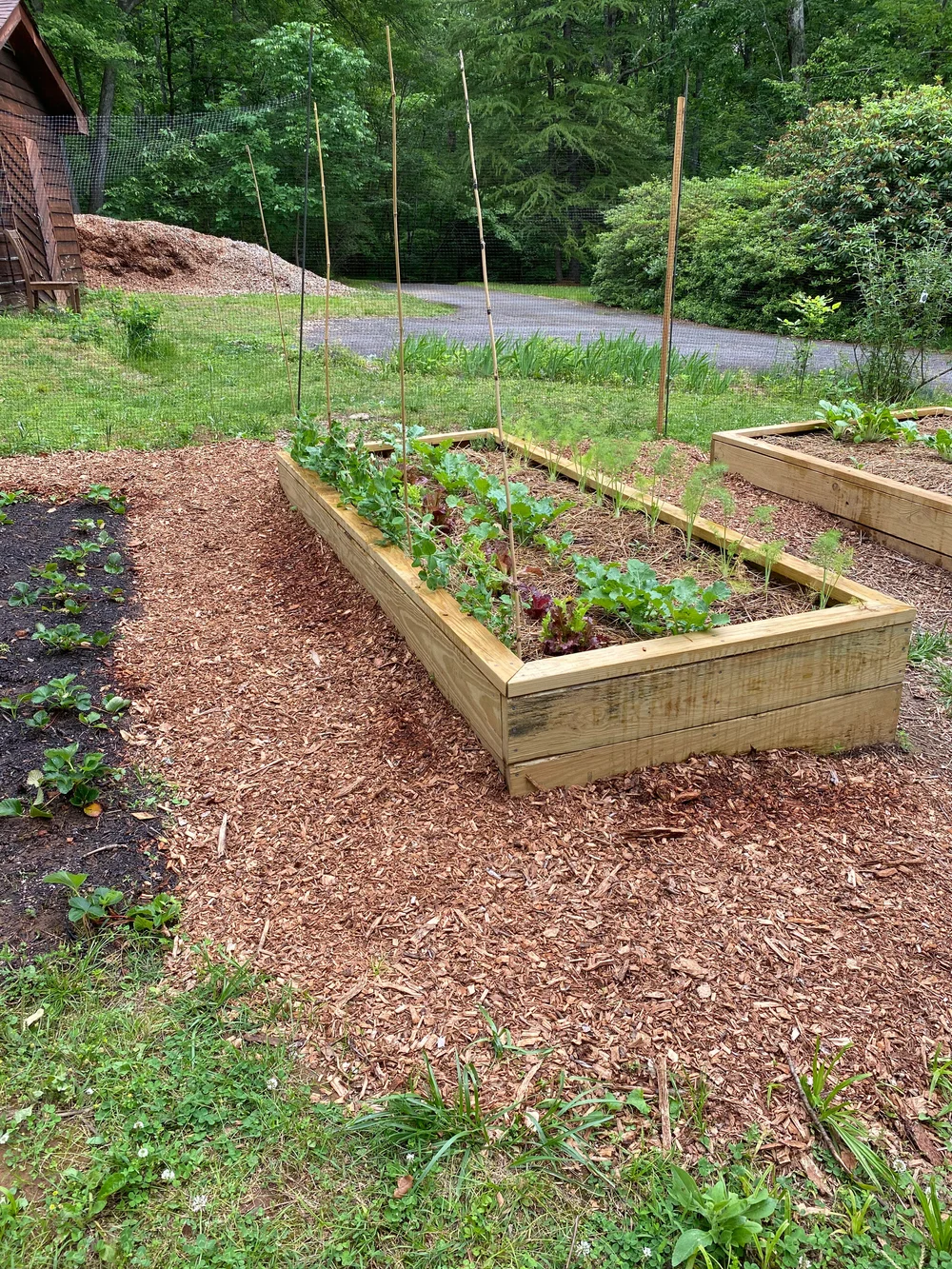
Credit: www.thunderbirddisco.com
Environmental Impact
Choosing the right soil for your raised beds is more than just about plant health and growth. The type of soil you use can have a significant environmental impact. Understanding this impact helps you make informed decisions that benefit your garden and the planet.
Sustainability Of Soil Choices
When selecting soil for raised beds, consider its sustainability. Garden soil often comes from natural environments, and using it extensively can deplete local soil resources. Opting for a mix that includes compost and other organic materials can reduce the strain on these natural resources.
Think about the long-term effects of your soil choice. Are you creating a sustainable cycle where nutrients are replenished naturally? Choosing sustainable soil mixes can contribute to healthier ecosystems and less environmental degradation.
Impact On Local Ecosystems
Your choice of soil can significantly affect local ecosystems. Removing garden soil from its natural habitat can disrupt local flora and fauna. This can lead to reduced biodiversity and negatively impact the surrounding environment.
Consider how your soil choice can support or harm local wildlife. Are there ways to use soil that enhances, rather than detracts from, local ecosystems? Using soil responsibly and considering its broader impact can lead to a more harmonious garden and environment.
Have you ever thought about how your garden choices affect the environment around you? Making small changes in your soil selection can make a big difference. You have the power to create a thriving garden that also supports the world beyond your backyard.

Credit: www.youtube.com
Frequently Asked Questions
What Happens If You Use Garden Soil In A Raised Bed?
Using garden soil in a raised bed leads to poor drainage and compaction. It might contain weeds or pests. Garden soil lacks necessary nutrients and may not support healthy plant growth. Opt for a soil mix designed for raised beds to ensure optimal plant health and productivity.
Is There A Difference Between Raised Bed Soil And Garden Soil?
Yes, raised bed soil is specifically formulated for drainage and nutrients in confined spaces. Garden soil is denser, designed for in-ground planting, and may lack the structure needed for raised beds. Both serve different purposes, impacting plant growth based on their composition and intended use.
What Type Of Soil Is Best For Raised Beds?
Choose a soil mix with compost, peat moss, and vermiculite for raised beds. Ensure good drainage and nutrient retention. Aim for a pH of 6-7 for optimal plant growth. Avoid using clay or sandy soils as they may hinder plant health.
Regularly amend soil to maintain fertility.
What Not To Fill Raised Beds With?
Avoid filling raised beds with clay, construction debris, or contaminated soil. These materials hinder drainage and plant growth. Opt for quality topsoil, compost, and organic matter for optimal results.
Conclusion
Garden soil can work well in raised beds. But, it often needs a boost. Mixing in compost or peat improves nutrients. Ensures plants grow strong. Also, consider drainage. Raised beds might need extra aeration. This prevents waterlogging. Testing soil pH helps too.
Guarantees a balanced environment. Raised beds offer flexibility. Choose the best soil mix. Tailor it to plant needs. Experiment and observe. Find what works best. Your garden can thrive with careful planning. Enjoy the process. Gardening is rewarding. Happy planting!


