
Have you ever wondered if the ash from your fireplace or barbecue could be more than just waste? Imagine turning what you thought was trash into treasure for your garden.
Yes, you read that right! Ash might be the secret ingredient your garden has been missing. Before you toss it away, consider the possibilities. What if this simple substance could revitalize your plants and enrich your soil? Curious to know how ash can transform your gardening routine?
Stick around, because we’re about to uncover the fascinating benefits and potential drawbacks of using ash in your garden. Don’t miss out on these insights that could change the way you garden forever!
Credit: www.gardeningknowhow.com
Benefits Of Ash In Soil
Is Ash Good for the Garden Ash from wood can enrich soil with essential nutrients. It improves soil pH and boosts plant growth. Plus, ash helps deter pests, making gardens healthier and more vibrant.
Gardening enthusiasts often explore various ways to enhance soil quality. One intriguing option is the use of ash, a byproduct of burning wood. Utilizing ash in your garden can offer significant benefits that might surprise you.Nutrient Enrichment
Ash is rich in vital nutrients like calcium, potassium, and magnesium. These elements are crucial for plant growth. By adding ash to your soil, you provide a natural source of these nutrients, promoting healthier plants. You might notice your garden thriving with vibrant blooms and lush foliage. Have you ever thought about what nutrients your plants might be lacking?Ph Level Adjustment
If your soil is too acidic, ash can help balance it. Ash is alkaline, which can neutralize overly acidic soil, making it more suitable for a variety of plants. Consider testing your soil’s pH levels; you might find that adding ash is the perfect solution for achieving the ideal balance. Could this simple addition transform your garden’s productivity?Improving Soil Structure
Ash can improve soil structure by enhancing its drainage capabilities. Well-drained soil prevents waterlogging and root rot, which are common issues in many gardens. Adding ash can create a more friable soil texture, encouraging robust root systems. Imagine a garden where plants grow effortlessly, supported by a well-structured foundation. What would that mean for your gardening success?Types Of Ash Suitable For Gardens
Wood ash enriches garden soil with potassium and lime, promoting plant growth. Avoid coal ash due to harmful residues. Ash from untreated wood is ideal, providing nutrients and improving soil structure.
When considering ash as an addition to your garden, it’s essential to know the types that are suitable for enhancing soil health. Not all ashes are created equal, and their impact on your garden can vary significantly. Understanding the properties and benefits of each type can help you make informed decisions to boost your garden’s productivity.Wood Ash
Wood ash is a popular choice for gardeners due to its rich mineral content. It contains potassium, calcium, and trace elements that can enhance soil fertility. If you’ve ever enjoyed a cozy bonfire, you’ll know how much ash can accumulate. This ash can be a boon for your plants, especially if your soil is acidic, as it can help raise the pH level. However, moderation is key; too much wood ash can lead to nutrient imbalances.Coal Ash
Coal ash, on the other hand, is not recommended for garden use. It can contain harmful heavy metals and toxins that might damage your plants or even seep into the groundwater. If you’re tempted to recycle your coal ash, think twice about the potential risks. It’s best to dispose of it responsibly and seek alternatives that won’t compromise your garden’s health.Paper Ash
Paper ash comes from burning paper products and can be used in the garden, but with caution. It lacks the nutrient density of wood ash but can still aid in soil aeration when used sparingly. If you have a pile of old newspapers, consider composting them instead. This way, you enrich your soil without the potential downsides of excessive ash use. Choosing the right type of ash for your garden can make a noticeable difference in plant health and growth. As you experiment, observe the changes in your plants and soil. Are you noticing a boost in plant vigor, or are there signs of stress? Your garden will tell you what it needs, and a thoughtful approach to ash can be part of its success story.Application Methods
Ash, a byproduct of burning wood, can enrich your garden soil. It’s packed with nutrients like potassium and calcium. Applying ash correctly enhances its benefits. Learn how to use ash effectively with these application methods.
Direct Application
Sprinkle ash directly onto the soil. Spread it evenly using a rake. Avoid clumping for balanced nutrient distribution. Limit application to two pounds per square yard. Too much ash can increase soil pH. Test soil pH regularly to ensure balance.
Composting With Ash
Add ash to your compost pile. Mix it with organic waste and garden scraps. Ash speeds up compost decomposition. It provides essential minerals and reduces compost acidity. Use small amounts to avoid over-alkalinity. Composting with ash enriches soil naturally.
Ash In Mulching
Use ash as a mulch component. Combine it with leaves or straw. It helps retain moisture and prevents weeds. Spread a thin layer around plants. Avoid mulching near young seedlings. Ash can harm delicate roots if applied heavily. Mulching with ash supports plant growth sustainably.

Credit: www.instagram.com
Potential Risks And Precautions
Using ash in your garden can be a double-edged sword. While it has benefits, there are potential risks and precautions to consider. Understanding these can help you make informed decisions for your garden’s health.
Overuse Concerns
Adding too much ash can lead to an imbalance in soil pH. A highly alkaline soil may prevent plants from absorbing essential nutrients. This can stunt growth and reduce crop yield.
It’s crucial to monitor the amount of ash you apply. Testing your soil’s pH regularly can help maintain a healthy balance. Have you ever noticed your plants struggling despite your efforts? The culprit could be an overlooked pH issue.
Toxicity Issues
Not all ash is created equal. Ash from treated wood or coal contains harmful chemicals. These can be toxic to your plants and contaminate your soil.
Always use ash from untreated wood. If you’re unsure about the source, it’s better to avoid using it. Your garden deserves the best, so ensure you’re not inadvertently harming it.
Impact On Soil Microorganisms
The life of your soil depends heavily on microorganisms. Overusing ash can disturb this delicate ecosystem. Beneficial microbes might struggle to survive in an overly alkaline environment.
Without these microorganisms, your soil loses its vitality. Have you considered how your actions might affect these unseen allies? A balanced approach keeps your garden thriving and your soil teeming with life.
Plants Benefiting From Ash
Wood ash can be a valuable resource for your garden. It is rich in essential nutrients and minerals. It boosts plant growth and improves soil health. Many plants thrive with ash’s benefits. Let’s explore how different plants benefit from ash.
Vegetables
Vegetables like carrots and potatoes enjoy ash’s benefits. Ash raises soil pH levels, benefiting root crops. Sprinkle a small amount around your vegetable plants. This can help in enhancing their nutrient uptake. Ash also deters pests, protecting your vegetables naturally.
Fruit Trees
Fruit trees such as apple and pear benefit greatly from ash. It provides potassium, essential for fruit development. Spread ash around the base of your fruit trees. This encourages healthy growth and increases fruit yield. Ensure the ash is mixed well with the soil.
Flowering Plants
Flowering plants flourish with ash’s nutrients. Roses and marigolds respond well to ash applications. It encourages vibrant blooms and strengthens stems. Apply ash lightly around flowering plants. This promotes robust growth and vivid colors in your garden.
Alternatives To Ash For Soil Improvement
While ash can enhance soil, there are other options for gardeners. These alternatives can improve soil quality, ensuring plants thrive. Let’s explore some of these alternatives.
Organic Matter
Organic matter enriches soil and boosts its structure. Compost, for example, is a great option. It provides essential nutrients and increases water retention. Manure also improves soil fertility and adds beneficial microbes.
Commercial Fertilizers
Commercial fertilizers are easy to use and available in many forms. They supply specific nutrients tailored to plant needs. Look for balanced fertilizers with nitrogen, phosphorus, and potassium. These nutrients support healthy plant growth.
Natural Amendments
Natural amendments like lime and gypsum can be beneficial. Lime raises soil pH, making nutrients more available. Gypsum improves soil structure and drainage. Rock phosphate is another option, adding phosphorus to the soil.
Real-life Case Studies
Real-life experiences show ash can enhance soil health by enriching it with nutrients. Gardeners often use wood ash for its potassium and lime content, helping balance soil pH. Ash’s benefits are seen in healthier plants and improved garden yields.
Real-life Case Studies Exploring the real-life experiences of gardeners who have used ash in their gardens can provide valuable insights into its benefits and drawbacks. These case studies reveal practical lessons learned, unexpected outcomes, and the evolving understanding of ash’s role in gardening. Let’s dive into these stories to see how ash has shaped gardening practices.Gardener Experiences
Many gardeners have shared their experiences with using ash in their gardens. Maria, a hobbyist gardener, applied ash to her vegetable patch to enhance soil nutrients. She noticed improved growth in her tomatoes and peppers, attributing it to the potassium content in the ash. John, on the other hand, mixed ash with compost to boost its effectiveness. His flowers bloomed more vibrantly, yet he advised caution with the quantity of ash used, as excessive application might alter soil pH unfavorably.Comparative Analysis
Comparing gardens that use ash versus those that don’t can reveal intriguing differences. A study involving two community gardens showed that the one using ash had a 20% increase in plant height and yield. Another gardener, Lucy, found that ash-treated soil had fewer pests, possibly due to its alkaline properties. This suggests ash could be a natural alternative to some pesticides.Long-term Effects
Long-term effects of ash use in gardens are still being discovered. Michael, a gardener with a decade of experience, noticed sustained soil fertility and improved plant resilience. However, he warns about potential heavy metal accumulation over time, suggesting periodic soil testing. The real question is, how sustainable is ash use for your garden? Balancing its benefits with potential risks is crucial for long-term success. Are you ready to experiment with ash in your garden and see what results you achieve?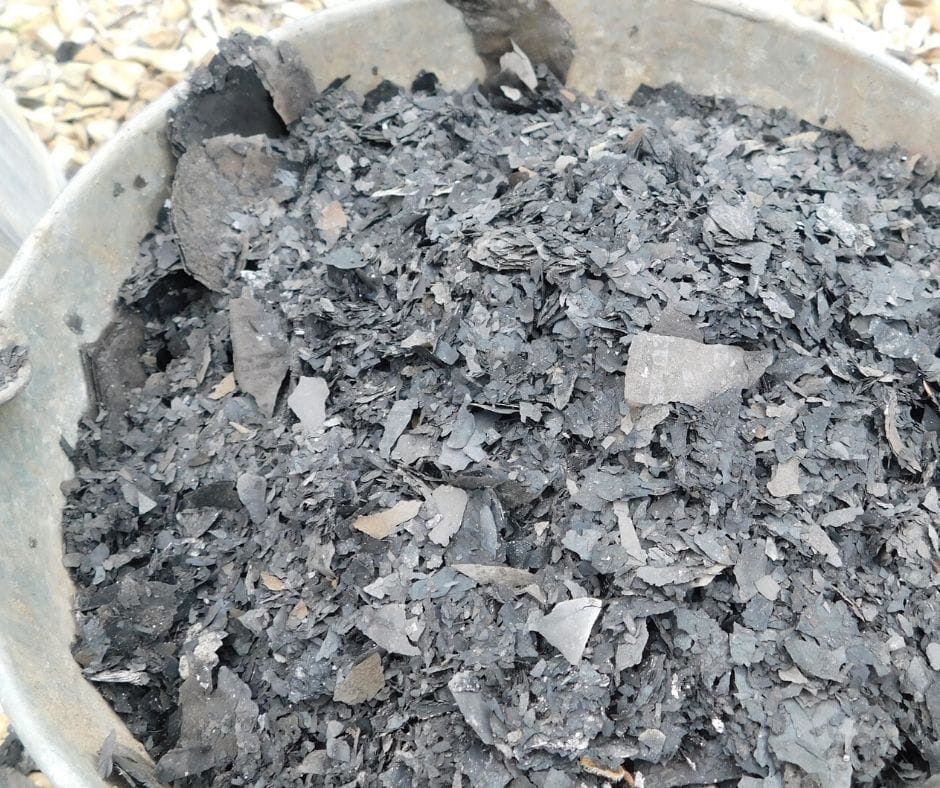
Credit: littlesproutslearning.co
Frequently Asked Questions
Which Plants Do Not Like Wood Ash?
Plants like blueberries, azaleas, rhododendrons, and hydrangeas dislike wood ash. These plants prefer acidic soil conditions. Wood ash raises soil pH, making it less acidic. Avoid using wood ash near these acid-loving plants to ensure their healthy growth. Always test soil pH before applying any amendments.
Should I Put Ashes In My Garden?
Yes, you can use ashes in your garden. They enrich soil with potassium and reduce soil acidity. Avoid using ashes from charcoal or treated wood. Apply them sparingly to prevent nutrient imbalance. Ensure ashes are cool before spreading to avoid harming plants.
How Do I Use Ash In My Garden?
Use ash sparingly by sprinkling it around plants to enrich soil with potassium. Mix it into compost to balance acidity. Avoid using on acid-loving plants like blueberries. Always ensure the ash is cool and dry. Wear gloves to protect your skin while handling ash.
What Are The Disadvantages Of Using Ash As Fertilizer?
Ash can increase soil pH, harming acid-loving plants. Heavy metals in ash may contaminate soil, affecting crop safety. Nutrient imbalances can arise, leading to poor plant growth. Excessive ash use may reduce beneficial soil microorganisms. Ash application requires careful management to avoid adverse environmental impacts.
Conclusion
Ash can be useful in your garden. It enriches the soil with nutrients. Potassium, calcium, and magnesium are key benefits. It also helps balance soil pH. Avoid using ash from treated wood. Chemicals can harm plants. Spread ash thinly to prevent buildup.
Excess ash might lead to issues. Consider testing your soil first. Understand its needs before adding ash. This ensures optimal growth. Ash is not a magic fix, but it’s helpful. Use it wisely, and your garden can thrive. Always pay attention to your plants’ needs.
Happy gardening!


