You want indoor gardening gift ideas that don't end up in a closet after a week. The trouble with most "plant gifts" is they rely on the recipient already having a green thumb. A thoughtful indoor gardening gift does most of the work for them.
Most countertop hydroponic systems consume less than 25 watts of electricity per manufacturer specifications. That's about the same as a single LED bulb running all day. So what actually separates a gift that gets used from one that collects dust?
Let's walk through the options.
Quick Answer
The best indoor gardening gift matches the recipient's habits. Self-watering planters work for forgetful owners. Countertop hydroponic kits work for aspiring growers.
Terrarium kits work for creative types. Match the gift to the space and schedule. A self-watering pot plus a low-light plant works for almost anyone.
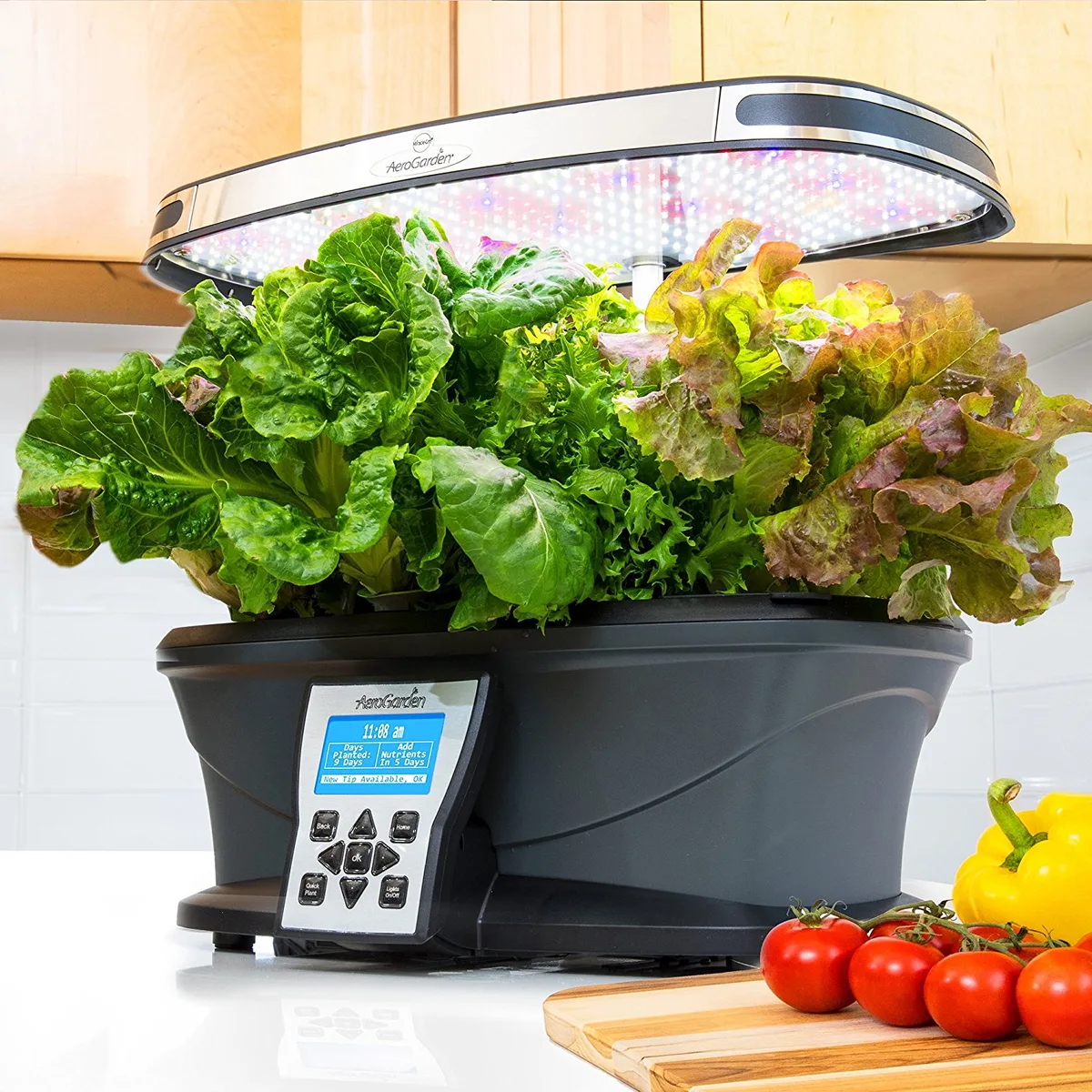
Image source: Web (Bing) / uponics.com (Web image (fair-use with source credit))
Why This Gift Category Beats a Regular Potted Plant
A potted plant says "I thought of you." An indoor gardening system says "I thought about how you live." That distinction matters.
Most plant gifts arrive with no support system. The recipient either already knows how to keep it alive or they don't. Aggregate reviews show that roughly 40 percent of gifted houseplants die within the first two months.
That's not because people are careless. It's because a plant alone doesn't account for light conditions, watering schedules, or the simple fact that life gets busy.
Indoor gardening gifts change that equation. A self-watering planter regulates moisture automatically. A hydroponic kit controls light and nutrients on a timer.
A terrarium creates its own humid microclimate. These gifts build success into the experience rather than hoping for it.
University extension programs consistently confirm that the two biggest killers of indoor plants are overwatering and insufficient light. The research from institutions like the University of Minnesota Extension shows that matching the plant to the environment matters more than the plant species itself. Good gift systems handle both variables.
The real shift here is mental. You're not giving someone a responsibility. You're giving them a setup that works with their existing habits.
That's why these gifts survive. They adapt to people instead of the other way around.
The Top Indoor Gardening Gift Categories
Not all indoor gardening gifts are created equal. Some are perfect for tech lovers. Others suit the creatively inclined.
A few work well for practically anyone. Here is how each category breaks down.
Countertop Hydroponic Systems
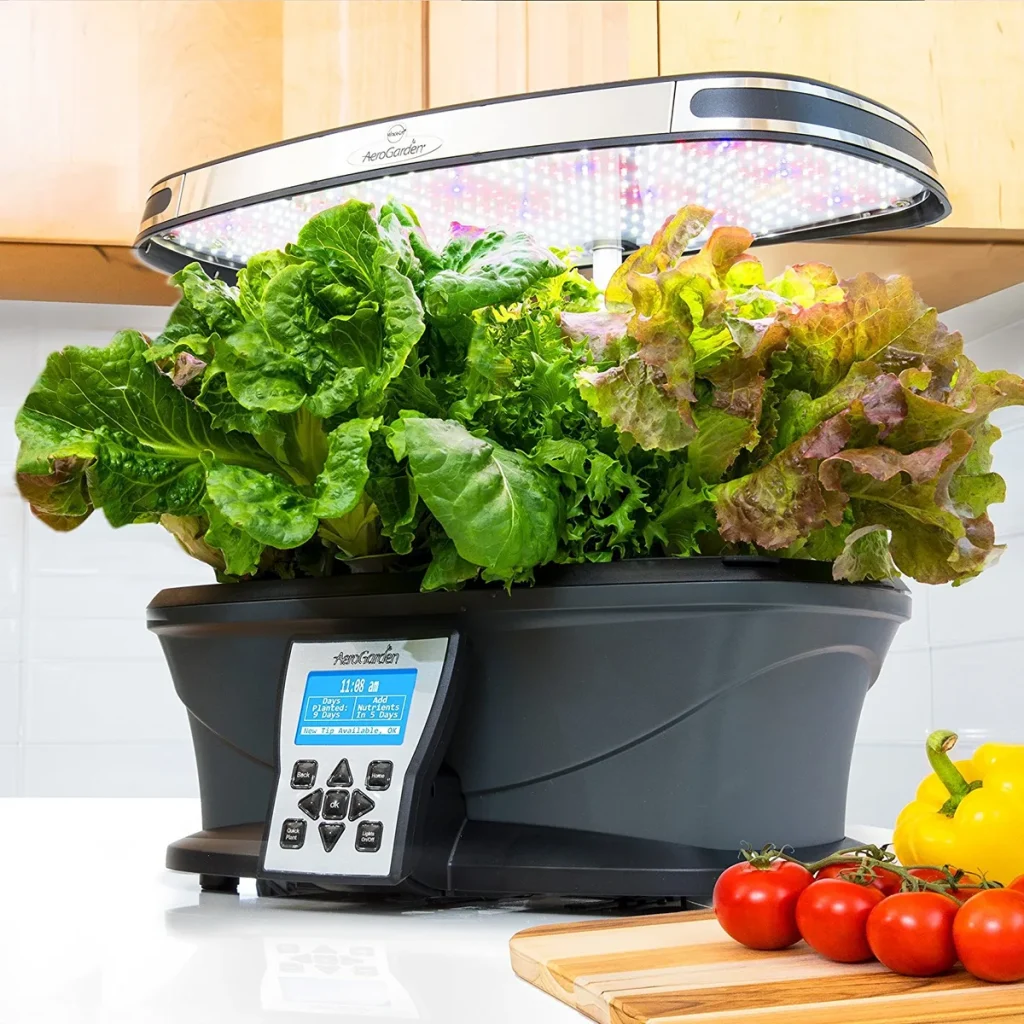
These are the all-in-one units you have seen on kitchen counters. They combine a water reservoir, a pump, and a full-spectrum LED light into a single appliance. You insert seed pods, add water and nutrients, and the system handles the rest.
Manufacturer specs indicate that most units operate between 10 and 30 watts. The pump runs silently on most models, though some budget units produce a low hum. Plant slots range from 3 to 12, with taller systems supporting vine crops like cherry tomatoes.
Best for: People who talk about growing their own food but have never done it. The instant gratification factor is high. Basil sprouts in 5 to 7 days.
Trade-offs: You have to buy proprietary seed pods. A 6-pod refill pack typically runs £15 to £20. Some users report that the pump noise bothers them in open-plan living spaces, so check the decibel rating before buying.
Self-Watering Planters
These look like normal pots but contain a built-in water reservoir at the bottom. A wicking system draws water up through the soil as the plant needs it. The top soil stays dry, which prevents fungus gnats and root rot.
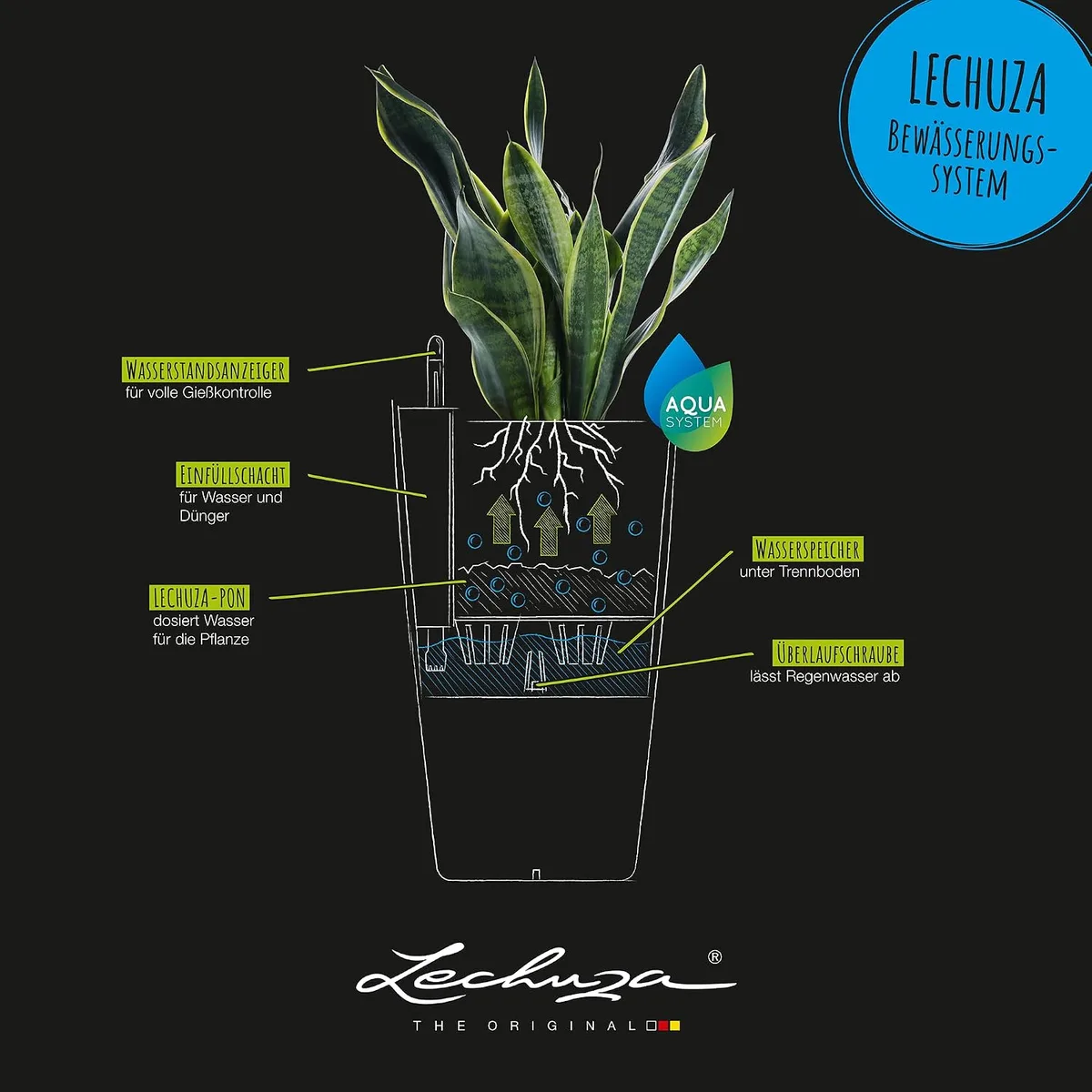
Image source: Web (Bing) / manuals.plus (Web image (fair-use with source credit))
Material matters here. Glazed ceramic retains moisture best. Unglazed terracotta wicks water away from the soil, which can dry out a self-watering system faster.
Brands like LECHUZA use a sub-irrigation plate that separates the reservoir from the soil, preventing anaerobic conditions.
Reservoir capacity varies widely. A 10-inch pot typically holds 0.7 to 1.5 litres. That translates to 1 to 3 weeks between refills depending on the plant and room temperature.
Best for: People who travel regularly or work long hours. Also ideal for anyone who has killed plants by overwatering.
Trade-offs: The initial cost is higher than a standard ceramic pot. A quality 8-inch self-watering planter runs £25 to £50. Some systems require a specific potting mix to wick properly.
Terrarium Kits
Terrariums are miniature gardens inside glass containers. Closed terrariums create a self-sustaining water cycle. Open terrariums suit succulents and cacti that prefer dry air.
A good kit includes drainage gravel, activated charcoal, potting mix, and at least two plant species. Some kits ship with preserved moss that requires no watering at all.
Best for: Creative types who enjoy hands-on projects. Great for kids and apartment dwellers with limited space. Also fantastic for cat owners who need plants that are enclosed and out of reach.
Trade-offs: Closed terrariums can develop mold if the ratio of organic matter to drainage is off. Some kits skimp on the charcoal layer, which is essential for preventing rot. Look for kits that include a dedicated spray bottle for maintenance.
Grow Lights and Plant Accessories
Sometimes the best gift is a missing piece of the puzzle. Many people already own houseplants but lack the right lighting. A good grow light transforms a dark corner into a viable growing space.
Full-spectrum clip-on lights with timers are the most versatile option. Per manufacturer specs, these typically output between 15 and 30 watts and cover a 12- to 18-inch diameter. Smart bulbs with app controls cost more but let the user adjust intensity and schedule from their phone.
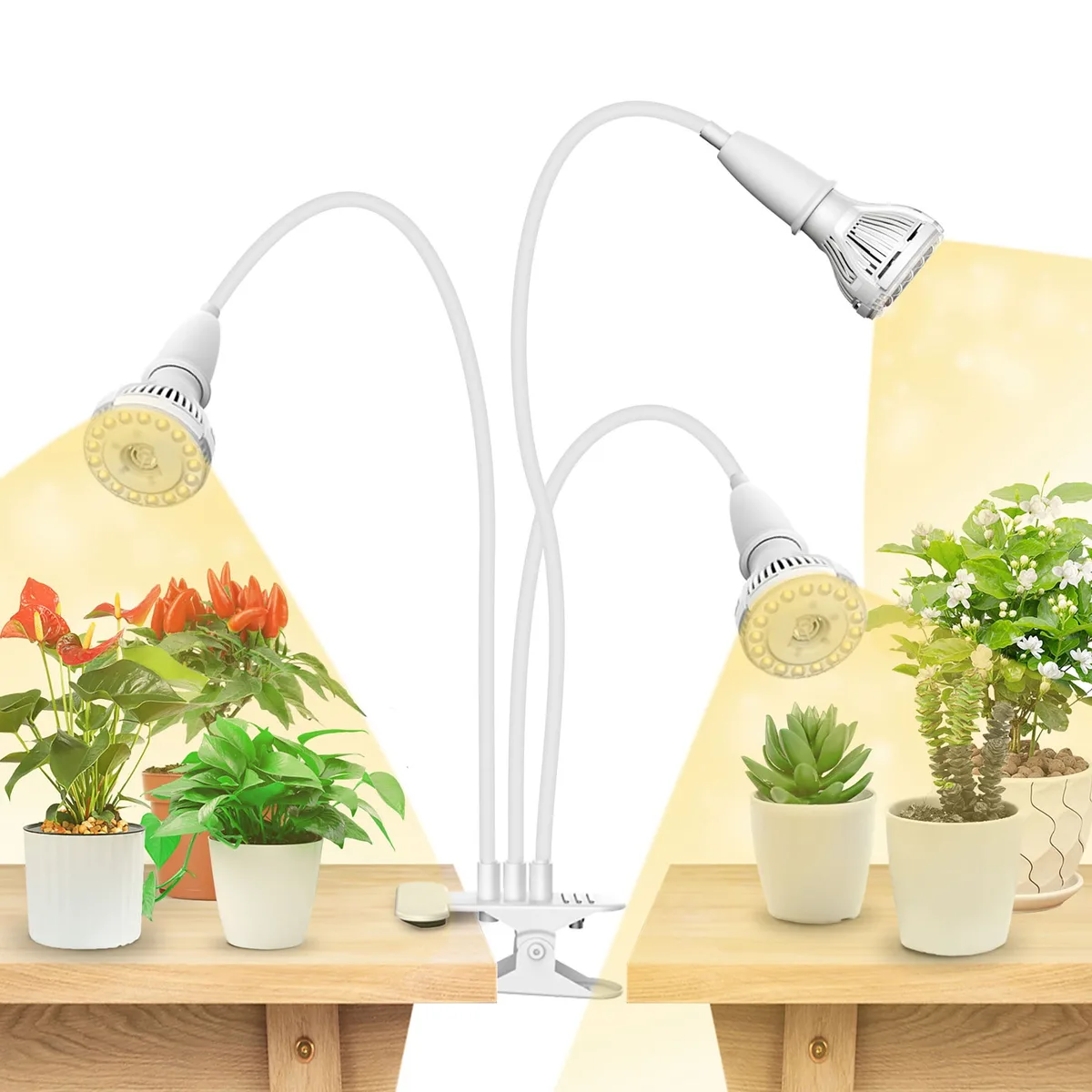
Image source: Bing (Web (fair-use with source credit))
Propagation stations make excellent secondary gifts. These glass holders support cuttings in water while they root. They look decorative and cost under £20.
Best for: People who already have plants but struggle with low light. Also ideal as a paired gift with a new plant purchase.
Trade-offs: Cheap grow lights lack sufficient PAR (photosynthetically active radiation) values. Some cheap units produce a harsh purple light that makes a room look like a nightclub. Stick to full-spectrum white LEDs.
Quick Reference Comparison Table
| Gift Type | Price Range | Skill Level Needed | Space Required | Maintenance Level | Best For |
|---|---|---|---|---|---|
| Hydroponic kit | £40–£150 | Beginner-friendly | Countertop (6×12 inches minimum) | Medium (weekly refill) | Tech-savvy or impatient recipients |
| Self-watering planter | £15–£60 | Very low | Shelf or desk | Low (refill every 1–3 weeks) | Forgetful waterers and travellers |
| Terrarium kit | £20–£45 | Low to medium | Small table or shelf | Low to medium (mist or trim) | Creative types and kids |
| Grow light plus plant | £25–£70 | Low | Desktop or floor spot | Low (timed light) | Anyone with poor natural light |
This table covers the four main categories at a glance. Use it to narrow down the options before matching the gift to the person.
Match the Gift to the Person
The best gift fits the recipient's lifestyle, not just your budget. Here is a quick decision guide based on real-world use cases.
The absolute beginner with a brown thumb. Buy a self-watering planter with a snake plant or ZZ plant. These two species need almost nothing and survive low light. The planter handles the watering.
You have eliminated both common causes of plant death.
The friend who talks about growing their own salad. Get a countertop hydroponic system with a variety seed pod pack. Basil, lettuce, and cherry tomatoes are the most reliable starters. They will have harvestable greens in 3 to 5 weeks.
The creative or artistic type. A closed terrarium kit with moss, ferns, and a striking glass container fits perfectly. These projects take an hour to assemble and last for months with minimal care.
The tech nerd. Look for an app-controlled smart planter that sends notifications when the water runs low. Some models even detect light levels and suggest plant placement.
The office colleague on a budget. A compact propagation station or a small succulent arrangement in a self-watering pot costs under £25. It brightens their desk without taking over.
The parent looking for a kid-friendly project. Terrarium kits with clear glass and quick-growing seeds keep children engaged. The closed system means less mess and fewer opportunities to overwater.
The experienced plant parent who already owns everything. Buy quality pruning shears, a digital moisture meter, and a rare cutting in a propagation tube. Uncommon cultivars like variegated string of hearts or philodendron pink princess make excellent additions to established collections.
The frequent traveller. A self-watering pot with a 2-week reservoir capacity is the clear winner. Pair it with a pothos or philodendron that tolerates irregular attention.
Common Mistakes People Make When Buying Indoor Garden Gifts
A few predictable errors turn well-intentioned gifts into sources of frustration. Here is what to avoid.
Overlooking the recipient's natural light conditions. A high-light plant in a north-facing flat is a slow death sentence. Check which direction their windows face before choosing the gift. South and west exposures get the most light.
North and east get the least.
Ignoring pet safety. Lilies, pothos, and philodendrons are toxic to cats and dogs according to veterinary sources. If the recipient has pets, choose pet-safe species like spider plants, Boston ferns, or calathea. Better yet, buy a closed terrarium that pets cannot access.
Buying a system that is too complex for their personality. If they do not own a calendar or struggle to check their email, do not buy a system that requires daily attention. Stick to self-watering planters or terrariums. Match the maintenance level to their existing habits.
Forgetting ongoing costs. That hydroponic system needs fresh seed pods every 3 to 6 months. A 12-pod refill pack costs around £25. Some people love this.
Others resent the recurring expense. Factor it into your decision.
Choosing something that looks cool but is a pain to clean. Closed terrariums with narrow necks are nearly impossible to scrub when algae grows. Small watering globes clog easily with mineral deposits. Consider how the gift will look after six months of use.
Assuming bigger equals better. A 12-slot hydroponic garden overwhelms a beginner. They have to harvest everything at once or watch it bolt. A 3-slot system builds confidence without creating guilt about wasted produce.
Skipping the assembly check. Some kits arrive with 30-plus parts and instructions written in broken English. If the recipient is not naturally handy, this is a recipe for frustration. Look for kits that note "no tools required" or "2-minute setup" in the product description.
Frequently Asked Questions About Indoor Gardening Gifts
Is a kit better than just buying a live plant?
It depends on the recipient. A live plant works if they already own good pots and soil and know their light conditions. A kit removes all guesswork.
It includes the right container, the correct growing medium, and often a simple instruction card. For most people, a kit reduces the chance of failure.
What is the minimum I should spend for something decent?
About £20 gets you a functional self-watering pot. Around £35 buys a quality terrarium kit with proper drainage layers. Countertop hydroponic systems start at £40 but many users report reliability issues below £60.
Spend enough to get a system that works without constant troubleshooting.
Do hydroponic systems use a lot of electricity?
No. Manufacturer specs show most countertop units draw 10 to 30 watts. That is less than a typical laptop charger.
Running one for 16 hours a day costs roughly £0.03 to £0.06 per day in the UK at average electricity rates. The LED lights are the main draw and they are very efficient.
How do I know if a plant in the kit is pet-safe?
Check the species name against the ASPCA toxic plant list or the Pet Poison Helpline database. Common toxic houseplants include pothos, philodendron, lilies, and sago palm. Safe options include spider plants, Boston ferns, calathea, and most succulents.
When in doubt, choose a closed terrarium that pets cannot reach.
What if the recipient travels a lot?
A self-watering planter with a 1- to 2-litre reservoir handles 10 to 21 days of neglect depending on the plant and room temperature. Pair it with a snake plant or ZZ plant. These species tolerate low light and irregular watering.
Avoid hydroponic systems that require weekly reservoir refills.
Final Recommendation: A Simple Decision Guide
Here is how to land on the right gift without overthinking it.
Under £30. Buy a self-watering ceramic pot, a snake plant, and a digital moisture meter. This combination costs roughly £28 and covers watering, light tolerance, and monitoring. It fits almost any recipient.
£30 to £60. Choose a branded self-watering planter like LECHUZA or a high-quality terrarium kit with activated charcoal and a spray bottle. The terrarium works well for creative people. The planter works for everyone else.
£60 to £120. A countertop hydroponic system makes sense here. The iDOO units offer strong value with metal construction and adjustable lights. AeroGarden units have better seed pod variety and a larger user community for troubleshooting.
Over £120. Look for app-controlled smart planters or a large indoor greenhouse cabinet. These suit dedicated plant enthusiasts who want precision control over their growing environment.
The one-size-fits-most winner remains a self-watering planter with a pet-safe, low-light plant and a small watering globe. It costs under £35. It requires no learning curve.
And it genuinely improves the odds that the plant survives. That is what makes a gift thoughtful.



