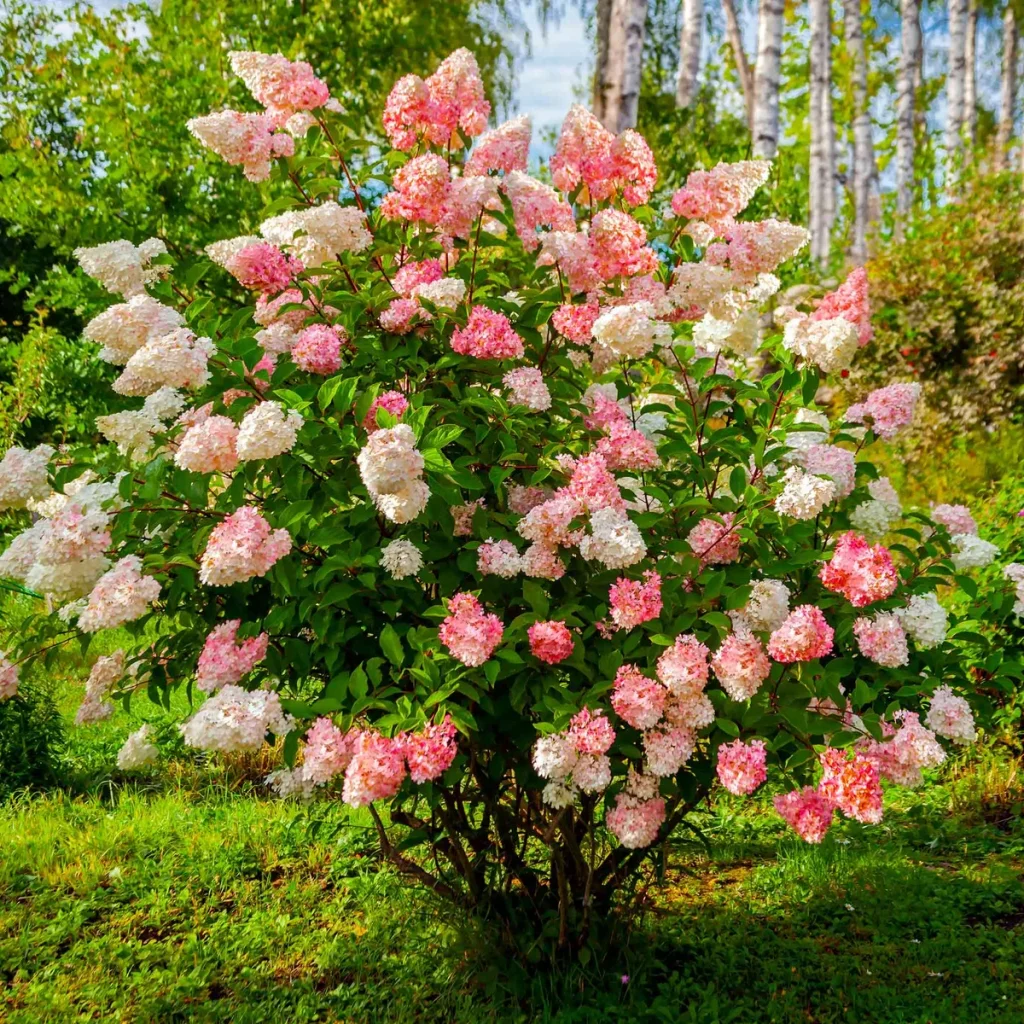
You bought a hydrangea. It was gorgeous at the nursery, covered in those big blue or pink blooms. You planted it, watered it, and gave it prime real estate in your garden.
Then next summer rolled around. Lots of leaves. No flowers.
What gives?
That frustration is the single most common hydrangea plant care problem we hear about. And honestly, it's almost never your fault. The real issue is that "hydrangea" isn't one plant.
It's a whole genus with different species that flower on different growth schedules. As of 2026, most home garden centers still sell them with a generic "Hydrangea" tag and zero pruning instructions. That sets you up for failure.
So let's walk through the decision tree together and figure out exactly what went wrong and how to fix it.
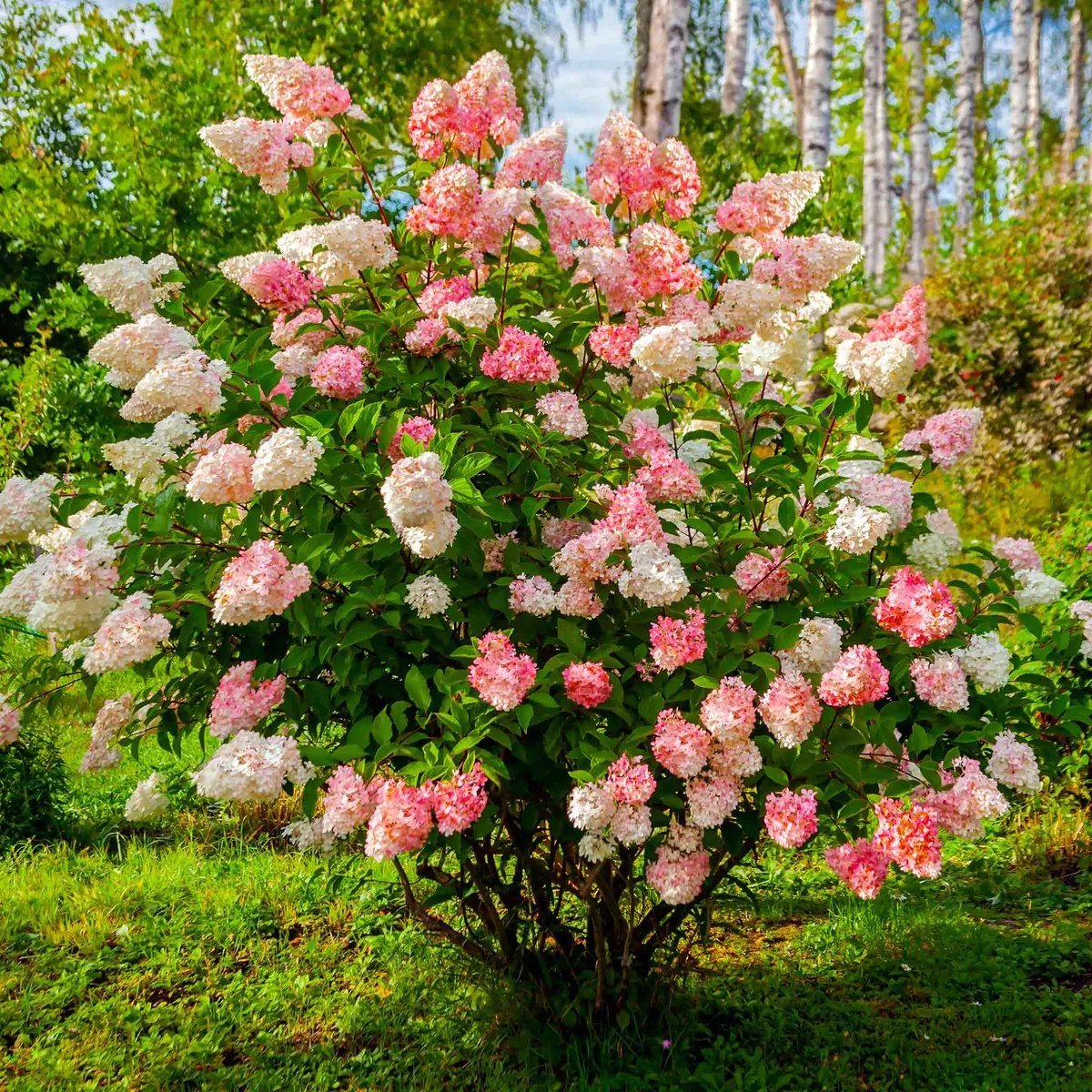
Image source: Bing (Web (fair-use with source credit))
Quick Answer
Hydrangea plant care depends entirely on which type you grow. Identify your species first. Bigleaf hydrangeas bloom on old wood.
Panicle and smooth hydrangeas bloom on new wood. Prune accordingly. Give most hydrangeas morning sun and afternoon shade.
Water deeply two to three times per week. Test your soil pH to control flower color in bigleaf types.
Why Your Hydrangea Isn't Blooming (The Most Common Problem)
Let's start here because this is probably why you're reading this article. You're not alone. Aggregate reviews from cooperative extension services across the US rank "no blooms" as the number one hydrangea complaint every single season.
The root cause usually falls into three categories. The first is pruning at the wrong time. The second is a late spring frost killing the flower buds.
The third is too much shade or too much nitrogen fertilizer. All three are fixable once you know what's happening.
Here's the if/then logic for troubleshooting:
- If you have lots of healthy leaves but no flowers, suspect a pruning or frost issue.
- If the leaves are lush and dark green but the plant is huge and flowerless, suspect too much nitrogen.
- If the plant is spindly and pale, suspect too much shade.
- If you got a few blooms but not many, check your watering consistency.
The most maddening version of this problem happens with bigleaf hydrangeas (the classic mopheads). You prune them in fall or early spring like a normal shrub. Come summer, nothing.
That's because those flower buds formed the previous year on old wood. You cut them off before they had a chance to open.
First, Identify Your Hydrangea: The One Decision That Changes Everything
Before you do anything else, figure out exactly which hydrangea you own. This single step determines your entire care routine. Pruning, sun tolerance, and even cold hardiness all depend on the species.
Here's how you tell them apart. Look at the flower shape, the leaf shape, and the bloom time.
| Type | Flower Shape | Bloom Time | Leaf Traits | Pruning Group |
|---|---|---|---|---|
| Bigleaf / Mophead / Lacecap | Round clusters or flat lacecaps | Early to midsummer | Large, glossy, serrated | Old wood |
| Panicle (e.g. 'Limelight') | Cone-shaped | Midsummer to fall | Medium, matte, pointed | New wood |
| Smooth (e.g. 'Annabelle') | Round, white, huge balls | Early to midsummer | Large, matte, heart-shaped | New wood |
| Oakleaf | Cone-shaped, white | Early summer | Distinctive lobed, oak-like | Old wood |
| Climbing | Flat white lacecaps | Late spring to early summer | Small, dark, glossy | Old wood |
If you don't know which one you have, here's the quickest trick. Check when it bloomed. If it bloomed in early summer (May to June), it's almost certainly an old-wood bloomer.
If it bloomed in midsummer to fall (July through September), it's likely a new-wood bloomer.
Another clue is the tag from the nursery. Many newer reblooming varieties like 'Endless Summer' are marketed as "repeat bloomers." They bloom on both old and new wood, which gives you a little forgiveness on pruning mistakes. But most traditional bigleaf hydrangeas do not have that ability.
The Pruning Decision: Old Wood vs. New Wood
This is the core decision in hydrangea plant care. Get this wrong and you lose a whole season of flowers. Get it right and you can be more aggressive or more gentle depending on your goal.
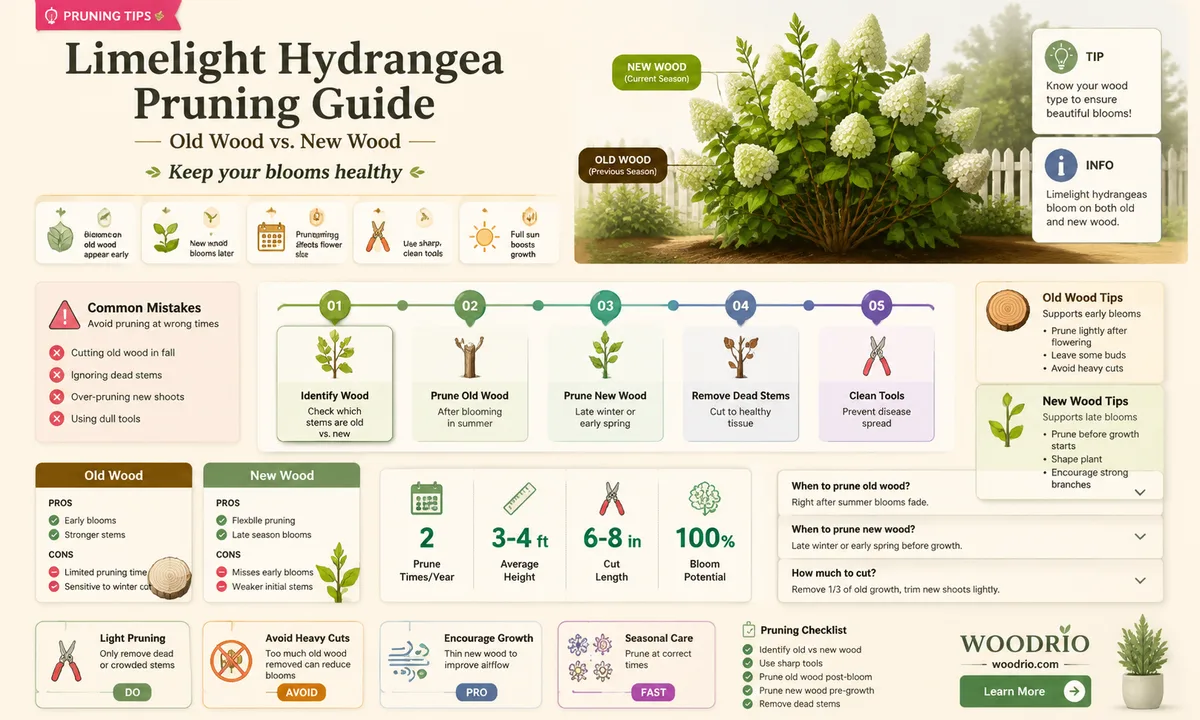
Image source: Web (Bing) / woodrio.com (Web image (fair-use with source credit))
If you have an old-wood bloomer (bigleaf, oakleaf, climbing):
These hydrangeas set their flower buds in late summer for the following year. The buds sit on the stems all winter and open in early summer. Your job is to protect those stems and those buds.
- Prune only right after flowering ends (June to July).
- Remove dead stems only. Live stems stay.
- Do not cut back the whole plant in fall or early spring.
- If a late frost is forecast, cover the plant with a sheet or frost cloth overnight.
The risk here is that one bad spring frost wipes out your blooms even if you prune perfectly. That's why northern gardeners in zones 4 and 5 often struggle with bigleaf hydrangeas. The buds are vulnerable to late freezes.
If you have a new-wood bloomer (panicle, smooth):
These hydrangeas grow fresh stems each spring and produce flowers on that same season's growth. They are much more forgiving.
- Prune in late winter or early spring before new growth starts.
- You can cut them back hard, even to 6 to 12 inches above ground.
- Panicle hydrangeas respond well to a structured shape. Smooth hydrangeas can be cut to the ground.
- No worry about frost killing the flower buds. They haven't formed yet.
This is why panicle hydrangeas like 'Limelight' and 'Fire Light' are the most reliable bloomers across cold climates. They simply don't care about spring frosts.
Getting the Basics Right: Sunlight, Water, and Soil pH
Even with perfect pruning, your hydrangea won't thrive without the fundamentals. These three factors cause more subtle problems that sneak up over a season or two.
Sunlight.
Most hydrangeas do best with morning sun and afternoon shade. That's 4 to 6 hours of direct morning light, then protection from the harsh afternoon heat.
- Too much sun, especially in southern climates, causes leaf scorch. The leaf edges turn brown and crispy.
- Too much shade reduces flowering. The plant gets leggy and produces smaller blooms or none at all.
- Northern gardeners (zones 3 through 5) can often get away with full sun because the intensity is lower and the days are shorter.
Water.
Hydrangeas are thirsty plants. Their name comes from the Greek word "hydor," meaning water. They wilt dramatically when dry, which makes them look half dead by afternoon.
- Water deeply two to three times per week during the growing season.
- Aim for 1 to 2 inches of water per week, including rainfall.
- Drip irrigation or soaker hoses work best. Overhead watering can lead to powdery mildew.
- Mulch around the base with 2 to 3 inches of organic material. Pine bark or shredded leaves work well. Keep mulch off the stems to prevent rot.
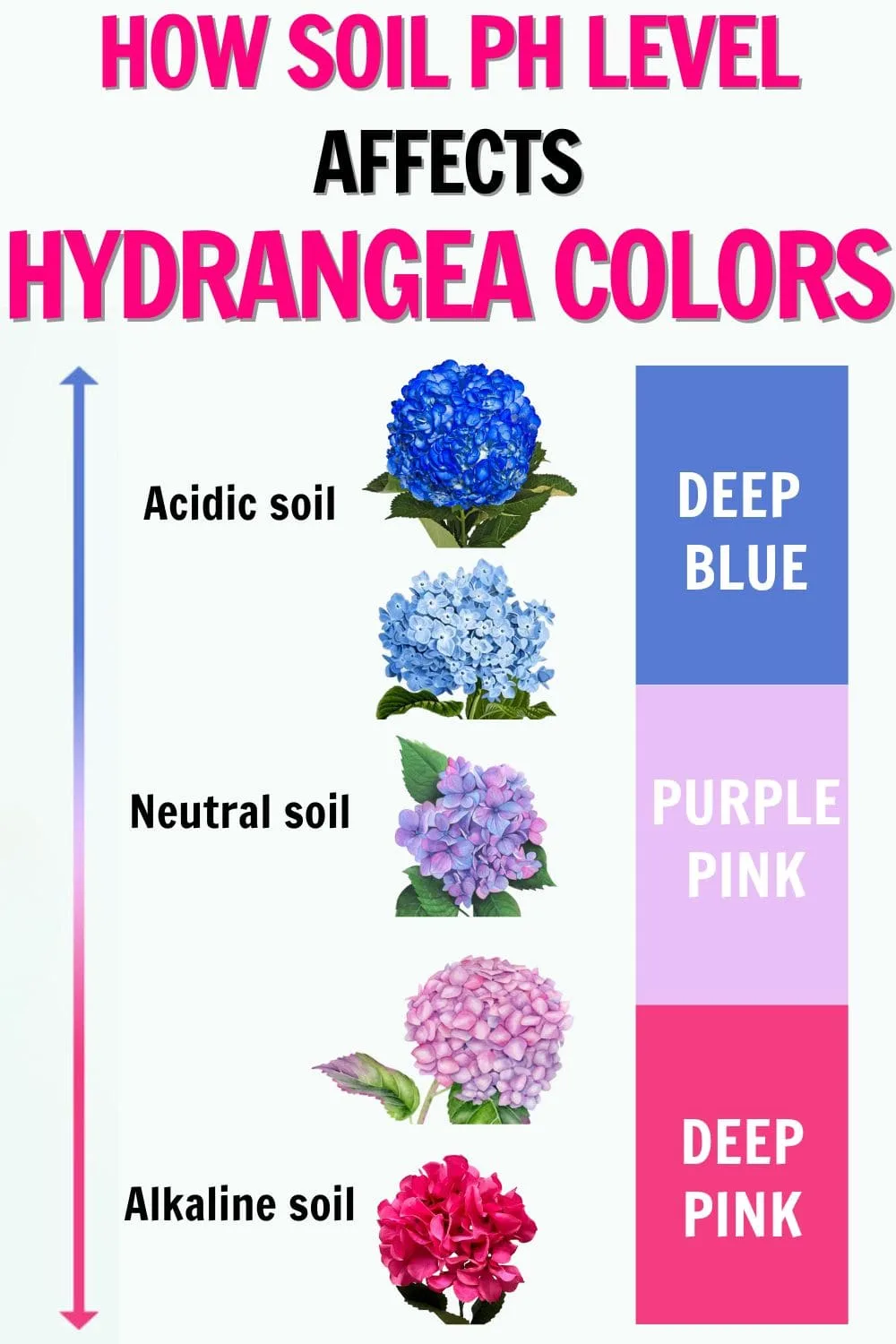
Image source: Web (Bing) / gardenandcrafty.com (Web image (fair-use with source credit))
Soil pH and flower color.
This only applies to bigleaf hydrangeas. Panicle, smooth, and oakleaf hydrangeas stay white or green regardless of soil pH. People are frequently surprised by that.
- For blue flowers, keep soil pH between 5.2 and 5.5. Add aluminum sulfate in early spring following label directions.
- For pink flowers, keep soil pH above 6.0. Add garden lime to raise the pH.
- A soil test kit from your local extension service gives you the most accurate reading.
The color change doesn't happen overnight. It takes several weeks after amendment for the plant to take up the aluminum or block it. Apply amendments in early spring and again after bloom if needed.
5 Common Mistakes That Kill Flowers or Entire Plants
Here are the mistakes we see in our research across forums, extension articles, and university trials. Avoid these and you're already ahead of most gardeners.
1. Pruning in fall or early spring without knowing your type.
We covered this. But it's worth repeating because it's the number one cause of lost blooms. If you have a bigleaf hydrangea and you cut it back in March, you are cutting off your summer flower show.
2. Overwatering that causes root rot.
Hydrangeas need consistent moisture but they hate sitting in wet soil. If your soil is heavy clay, water less frequently. If leaves turn yellow between the veins, that's a sign of overwatering.
Let the top inch of soil dry before watering again.
3. Planting in full afternoon sun in hot climates.
Leaf scorch is the symptom. The plant looks like it's burning from the edges inward. Move it to a spot with protection from 1 PM onward, or plant a panicle hydrangea which handles more sun than bigleaf types.
4. Using a high-nitrogen fertilizer.
A lawn fertilizer with a high first number (like 30-0-0) pushes lush green leaves at the expense of flowers. Use a balanced fertilizer with a lower first number, like 10-10-10 or a bloom booster with a higher middle number.
5. Ignoring late spring frost warnings.
This one stings because you can't control the weather. But you can cover the plant overnight when frost is predicted. A simple sheet or frost cloth draped over the shrub saves the buds.
Remove it in the morning.
Quick Decision Guide: Best Care by Hydrangea Type
Now that we've covered the fundamentals, here's your at-a-glance cheat sheet. Bookmark this table if you need to. It condenses everything into the choices that actually matter.
| Hydrangea Type | Best Sun | When to Prune | Frost Risk | Best For |
|---|---|---|---|---|
| Bigleaf (Mophead/Lacecap) | Morning sun, afternoon shade | After blooming | High | Mild coastal climates |
| Panicle | Full sun to part shade | Late winter | Very low | Cold climates, beginners |
| Smooth | Part shade | Late winter or early spring | Low | Shady spots, tough soil |
| Oakleaf | Part shade | After blooming | Moderate | Fall color, native gardens |
| Climbing | Shade to part shade | After blooming | Moderate | Covering walls, fences |
If you want a single reliable recommendation, here it is. Panicle hydrangeas are the most foolproof for most gardeners. They bloom on new wood, shrug off cold winters, and handle more sun than any other type.
Choose a compact variety like 'Little Lime' for small spaces or 'Limelight' for a statement shrub.
If you live in a mild climate and your heart is set on those classic blue mopheads, go with bigleaf. Just accept that you'll do a bit more work. You'll prune carefully, cover for frost, and manage soil pH every spring.
Frequently Asked Questions
Should I deadhead my hydrangea?
Yes, but do it right after blooms fade. Cut the stem just below the flower head, above a set of healthy leaves. Deadheading redirects energy into root and foliage growth.
However, some gardeners leave spent blooms up through winter for visual interest. That works fine too. The spent heads also offer a little frost protection to the buds below.
Why are my hydrangea leaves turning brown and crispy?
That's leaf scorch. It usually means the plant is getting too much afternoon sun or not enough water. Check the soil moisture first.
If it's dry, water deeply and add mulch. If the soil is wet, the issue is likely reflected heat or intense sun. Move the plant to a shadier spot in fall if needed.
How do I make my hydrangea bloom more?
Three things: sun, water, and pruning. Ensure it gets morning sun and afternoon shade. Water deeply two to three times per week.
Then prune based on your plant type. Bigleaf gets a light post-bloom cleanup. Panicle and smooth get a hard cut in late winter.
Can I plant hydrangeas in pots?
Absolutely. Compact varieties like 'Little Lime' or 'Pixio' do great in containers. Use a pot at least 16 to 18 inches wide with drainage holes.
Container plants dry out faster, so check soil moisture more often. Pot up in spring so the roots establish before winter.
When should I fertilize hydrangeas?
Fertilize once in early spring as new growth begins. Use a slow-release granular fertilizer with a balanced ratio like 10-10-10. Apply about one tablespoon per foot of shrub height.
Skip a second feeding. Too much fertilizer, especially nitrogen, produces leaves instead of flowers.



