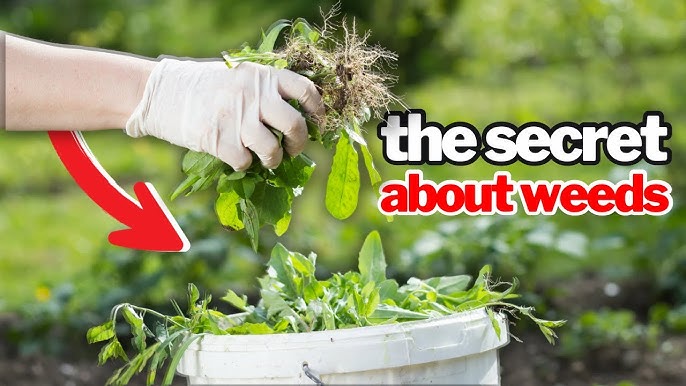
Imagine stepping into your garden and seeing a lush, vibrant paradise. Every plant thrives, thanks to the absence of pesky weeds competing for nutrients and space.
Weeding your garden might seem like a daunting task, but with the right approach, it can be a satisfying and rewarding experience. This guide will show you simple and effective techniques to clear your garden of unwanted intruders. You’ll learn how to spot the early signs of weeds and tackle them before they become a problem.
Ready to transform your garden into a flourishing oasis? Let’s dive in and discover how you can make your garden the envy of the neighborhood.
Preparing Your Garden Tools
Clean garden tools ensure efficient weeding. Remove dirt and rust for better performance. Sharp blades cut weeds effortlessly.
Preparing your garden tools is the first step to a weed-free garden. Well-maintained tools make the task easier and more efficient. They help prevent damage to your plants and soil. Before starting, ensure you have everything ready. This saves time and reduces frustration during the weeding process.Essential Tools For Weeding
For effective weeding, you need the right tools. Here are some essentials:- Hand Trowel:Use it for digging up weeds at the roots.
- Weeding Knife:Perfect for tackling stubborn weeds.
- Garden Hoe:Best for removing young weeds in larger areas.
- Gloves:Protect your hands from dirt and thorns.
- Wheelbarrow:Useful for carrying removed weeds away.
Maintaining And Storing Tools
Proper care extends the life of your garden tools. Clean them after each use. Remove dirt and dry them thoroughly. This prevents rust and wear. Sharpen blades regularly for better performance. Store tools in a dry place. Use hooks or a storage rack for easy access. Well-maintained tools are safer and work better. They make your gardening tasks more enjoyable.Identifying Common Weeds
Spotting common weeds is crucial for effective garden maintenance. Dandelions and crabgrass often invade garden spaces. Recognizing these weeds helps in timely removal, ensuring healthy plant growth.
Identifying weeds in your garden can be tricky. Many weeds hide among your plants. Knowing which weeds are present helps manage them effectively. Let’s explore some common weeds found in gardens.Annual Weeds
Annual weeds complete their life cycle in one season. They sprout, grow, and spread seeds quickly. Examples include chickweed and crabgrass. These weeds often appear in spring or summer. Pull them early to prevent seed spread. Regular weeding helps control annual weeds.Perennial Weeds
Perennial weeds return year after year. They have deep roots and are hard to remove. Examples are dandelions and thistles. These weeds can regrow from tiny root pieces. Dig deep to remove the entire root. Consistent effort is needed to control perennial weeds.Invasive Species
Invasive species spread aggressively. They outcompete native plants and disrupt ecosystems. Examples include kudzu and Japanese knotweed. These weeds require strong management strategies. Removing them helps protect your garden and local environment. Regular monitoring is crucial to prevent their spread.Effective Weeding Techniques
Effective weeding keeps gardens healthy and vibrant. Hand pulling targets unwanted plants at the root. Mulching prevents sunlight, stopping weed growth before it starts.
Effective weeding techniques can transform your garden from a weed-infested patch to a thriving oasis. You might wonder why some gardens are flourishing while others are struggling with stubborn weeds. The key lies in understanding and applying the right techniques. Let’s delve into some practical methods that can help you manage weeds effectively and keep your garden healthy.Hand Pulling
Hand pulling is a straightforward and effective technique for removing weeds. It allows you to get up close with your plants, ensuring you’re targeting the weeds without harming your precious blooms. Be sure to pull them out by the roots. This prevents regrowth and keeps your garden neat. Early morning or after rain is the best time for hand pulling, as the soil is moist and makes it easier to extract weeds. Remember to wear gloves to protect your hands. You might find it therapeutic and enjoy the time spent outdoors.Hoeing And Cultivating
Hoeing is an excellent method for tackling weeds in larger garden areas. It allows you to cover more ground without much effort. Use a sharp hoe to slice through weeds at the soil level. This technique works best on dry soil and sunny days as it helps the weeds dry out and die faster. Cultivating the soil not only removes weeds but also aerates it. This promotes healthy plant growth and prevents future weed infestations.Using Mulch For Weed Control
Mulch serves as a protective barrier against weeds. It blocks sunlight, preventing weed seeds from germinating. Organic mulch, like wood chips or straw, not only controls weeds but enriches the soil as it breaks down. Spread a thick layer around your plants, leaving a gap around stems to prevent rot. Consider using landscape fabric beneath the mulch for added protection. This method is particularly effective in maintaining a weed-free garden. Are you ready to experiment with these techniques and see your garden flourish?
Credit: www.youtube.com
Timing Your Weeding Efforts
Timing your weeding efforts can make a big difference in garden care. Pulling weeds at the right time keeps them from spreading. It also makes the job easier. Let’s explore how timing can help in weeding.
Seasonal Weeding Tips
Each season brings different challenges for gardeners. In spring, weeds grow fast due to warm weather and rain. Start weeding as soon as you see the first signs of growth. Summer heat makes weeds wilt. Weeding is easier then, as roots are weak. In autumn, focus on removing perennial weeds. They prepare for the winter and can become stronger. Winter weeding is rare, but removing any visible weeds can help. It prepares the garden for spring.
Weather Considerations
Weather affects weed growth and removal. After rain, the soil is soft. This makes pulling weeds easier. Dry days make the soil hard, making weeding tough. Weeds are more likely to break, leaving roots behind. Windy days can spread weed seeds. It’s best to avoid weeding then. Cloudy days are ideal for weeding. You can work longer without sunburn or overheating.
Organic Weed Control Methods
Organic weed control in gardens involves using natural methods like mulching and hand-pulling. These techniques maintain soil health and support plant growth. By avoiding chemicals, gardeners protect beneficial insects and promote a balanced ecosystem.
Weeds can be a persistent nuisance in any garden, but opting for organic weed control methods can transform this chore into an eco-friendly task. By choosing natural solutions, you’re not only safeguarding your plants but also contributing to a healthier environment. Many gardeners find these methods not only effective but also rewarding.Homemade Weed Killers
You don’t need harsh chemicals to rid your garden of weeds. Simple household items can be surprisingly effective. – Vinegar: A splash of vinegar directly onto the weeds can dry them out. It’s particularly potent on sunny days. – Salt: Mixing salt with water and spraying it on weeds can dehydrate them. Be cautious, as it can affect the soil. – Boiling Water: Pouring boiling water over weeds is an easy and immediate way to kill them. This method works best for cracks in sidewalks or driveways. These solutions are not only cost-effective but also safer for children and pets. Have you tried any of these methods before? If not, which one will you experiment with first?Companion Planting Benefits
Did you know certain plants can help each other thrive while keeping weeds at bay? This is the magic of companion planting. – Marigolds: Planting marigolds around your vegetables can deter weeds and pests. They also add a splash of color to your garden. – Basil and Tomatoes: These two are not just great in recipes. Basil enhances the growth of tomatoes and reduces the likelihood of weeds. – Clover: Acting as a living mulch, clover suppresses weeds and enriches the soil with nitrogen. This method naturally reduces the space available for weeds to grow. Which companions will you introduce to your garden this season? By integrating these organic methods, you’ll foster a more balanced ecosystem in your garden. Plus, there’s a unique satisfaction in knowing your efforts are both effective and environmentally conscious.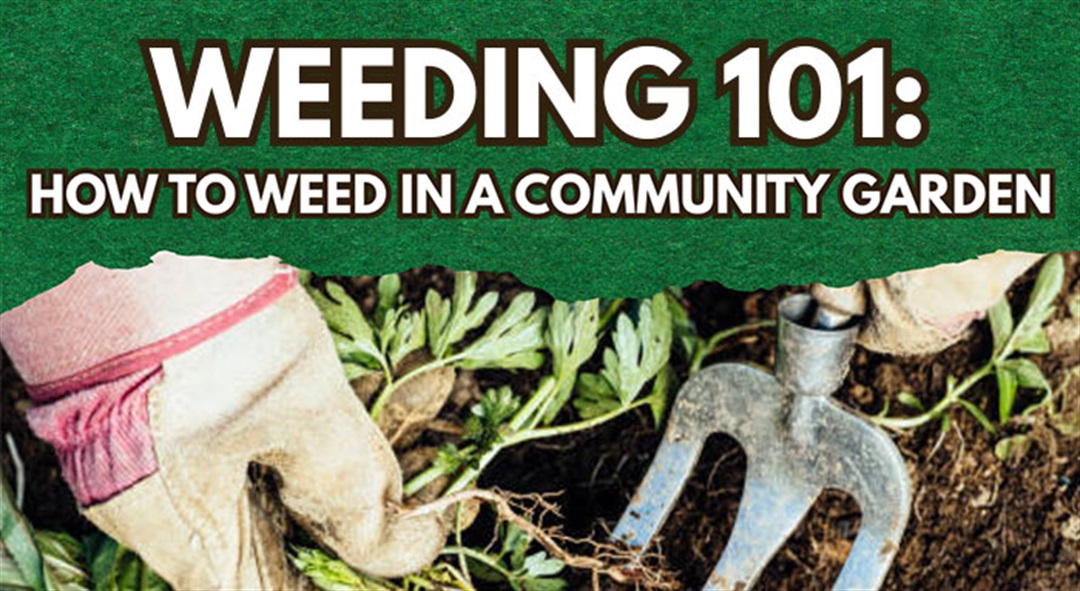
Credit: www.cityofdoral.com
Preventing Weed Growth
Regularly pulling weeds can keep your garden tidy. Use mulch to block sunlight and slow weed growth. Water plants carefully to avoid feeding weeds.
Preventing weed growth in your garden is more than just removing those pesky intruders. It involves creating an environment that discourages weeds from taking root in the first place. By focusing on soil health, using effective ground covers, and setting up barriers, you can achieve a garden that thrives with minimal weed interference.Soil Health And Fertility
Healthy soil is the foundation of a weed-free garden. When you improve soil fertility, your plants become more vigorous and better equipped to outcompete weeds. Consider testing your soil to understand its nutrient needs. Add organic matter like compost or well-rotted manure to enrich the soil. This not only boosts fertility but also improves soil structure, making it difficult for weeds to penetrate. Healthy plants, supported by nutrient-rich soil, create a natural barrier against weeds.Ground Covers And Barriers
Ground covers are your garden’s best friend when it comes to preventing weeds. Plants such as clover or creeping thyme spread quickly, shading the soil and leaving little room for weeds to grow. Choose ground covers that suit your climate and soil type for best results. In addition to living ground covers, consider using physical barriers. Mulch is highly effective, whether it’s organic like wood chips or inorganic like gravel. A thick layer of mulch not only suppresses weed growth but also retains soil moisture and regulates temperature. Have you considered using landscape fabric? It’s another excellent barrier that can prevent weeds from getting the sunlight they need to survive. Lay it down before adding mulch for an extra layer of protection. By focusing on these strategies, you’re not just weeding your garden—you’re transforming it into a sustainable, low-maintenance paradise. What will you do next to enhance your garden’s defenses against weeds?Dealing With Persistent Weeds
Tackle persistent weeds by regularly inspecting your garden and removing unwanted plants. Use a hand trowel for effective root removal. Apply mulch to prevent weeds from sprouting and maintain garden health.
Dealing with persistent weeds can be a gardener’s toughest challenge. These weeds often return, despite your best efforts. Understanding effective strategies can help you manage them. Consistent weeding ensures your plants remain healthy and thrive.Chemical Solutions
Chemical solutions offer a direct approach to weed control. Herbicides can target specific weed types. Ensure you read labels and follow instructions. This minimizes harm to desired plants. Always wear protective gear when applying chemicals. Consider environmentally friendly options. They reduce harm to the soil and beneficial insects. Spot-treat persistent weeds to prevent overuse of chemicals.Integrated Pest Management
Integrated Pest Management (IPM) combines different strategies. It focuses on long-term prevention of weeds. Start by understanding the weed’s lifecycle. This helps in choosing the right control methods. Use barriers like mulch to suppress weed growth. Encourage beneficial insects that disrupt weed development. Regular monitoring is key. It helps in catching weed problems early. Educate yourself on natural weed predators. This strengthens your garden’s ecosystem.
Credit: www.youtube.com
Maintaining A Weed-free Garden
Pull weeds regularly to keep your garden clean. Use a hoe or hand tools for deep roots. Mulch with organic material to block sunlight and prevent weed growth.
Maintaining a weed-free garden is essential for healthy plant growth. Weeds compete for nutrients and water, harming your plants. Understanding the techniques to keep your garden clear of weeds is crucial. Let’s explore some effective strategies.Regular Monitoring
Regularly check your garden for new weed growth. Early detection makes removal easier. Walk through your garden weekly to spot unwanted plants. Pull weeds before they mature and spread seeds. Look under leaves and around stems for hidden weeds.Long-term Garden Planning
Plan your garden layout to minimize weed growth. Use mulch to cover soil and prevent weeds. Consider planting ground cover plants that crowd out weeds. Choose plants that naturally resist weeds. Design paths to reduce areas for weed growth.Frequently Asked Questions
What Is The Easiest Way To Weed A Garden?
Use a hoe to remove weeds easily from your garden. Clear weeds early before they spread. Mulch helps prevent weed growth. Regular maintenance keeps your garden weed-free. Consider natural or organic weed killers for stubborn weeds.
What Is The Correct Way To Weed?
To weed correctly, pull weeds by the roots to prevent regrowth. Use a trowel for deep roots. Weed when the soil is moist for easier removal. Dispose of weeds to prevent seed spread. Regularly maintain your garden to keep it weed-free.
Is It Better To Pull Weeds Or Hoe Them?
Pulling weeds is more effective for removing roots, preventing regrowth. Hoeing is faster, ideal for larger areas. Combine both methods for best results. Regular maintenance keeps gardens weed-free.
Is Pulling Weeds A Waste Of Time?
Pulling weeds is essential for garden health. It prevents them from stealing nutrients and water from plants. Regular weeding reduces competition and improves growth. Weeds can harbor pests and diseases, so removal keeps plants safe. Dedicated weeding time ensures a thriving garden.
Conclusion
Weeding your garden can be simple with the right approach. Regular maintenance keeps plants healthy. Pull weeds when soil is damp. Use tools for tough roots. Mulch helps prevent new growth. Compost weeds to recycle nutrients. Stay vigilant to keep your garden tidy.
A clean garden enhances beauty and growth. Enjoy spending time in your neat space. Watch your plants thrive without competition. Gardening can be rewarding and peaceful. Embrace this routine for better results. Your garden deserves care and attention. Happy gardening!


