Are you tired of seeing pesky weeds taking over your garden paradise? You’re not alone.
Weeds can be incredibly frustrating, but with the right approach, you can reclaim your garden and enjoy a thriving, vibrant space. Imagine a garden where your plants flourish without competition from those unwanted intruders. This dream can become your reality, and it all starts with effective weeding techniques.
By learning how to weed your garden properly, you not only enhance its beauty but also boost the health of your plants. So, are you ready to discover the secrets that will transform your garden into the lush oasis you’ve always wanted? Read on, because what you’ll find could be the game-changer your garden needs.
Preparing The Garden
Removing weeds is essential for a healthy garden. Begin by loosening the soil around each weed. Pull the weed gently to remove its roots completely. Regularly check the garden to prevent weeds from spreading.
Preparing the Garden Weeding a garden is more than just pulling out unwanted plants. It begins with the essential step of preparing your garden. This preparation sets the stage for successful and efficient weeding, ensuring your plants thrive without the competition of pesky weeds. The following steps will guide you through assessing what types of weeds you are dealing with, gathering the necessary tools, and considering the best time and weather conditions for this task.Assessing Weed Types
Before diving in, take a moment to identify the different types of weeds invading your garden. Are they annuals, perennials, or aggressive invaders? Knowing the enemy is half the battle. For example, annual weeds like chickweed can be controlled by removing them before they seed. Perennials, such as dandelions, require more persistent efforts since they can regrow from roots left behind. Recognizing these differences can save you time and help tailor your approach for maximum effectiveness.Gathering Essential Tools
The right tools make all the difference in streamlining your weeding efforts. A sturdy pair of gloves is crucial to protect your hands from prickly plants. Invest in a sharp hoe or a hand fork to uproot stubborn weeds. A garden kneeler can save your knees during extended sessions. Consider keeping a bucket or tarp handy to collect weeds as you go, preventing them from spreading seeds back into the soil. What tools do you swear by to make gardening easier?Timing And Weather Considerations
Timing is everything when it comes to weeding. Aim to weed after a good rain when the soil is moist, making it easier to pull weeds out by the roots. Alternatively, watering your garden the night before can achieve similar results. Avoid weeding in extreme heat to prevent exhaustion and dehydration. Early morning or late afternoon are ideal times when the sun isn’t as harsh. Have you ever noticed how much easier it is to work in the garden during cooler parts of the day? By preparing your garden thoughtfully, you pave the way for a more manageable weeding process. With the right knowledge and tools, you can tackle weeds effectively, allowing your plants to flourish in a healthier environment.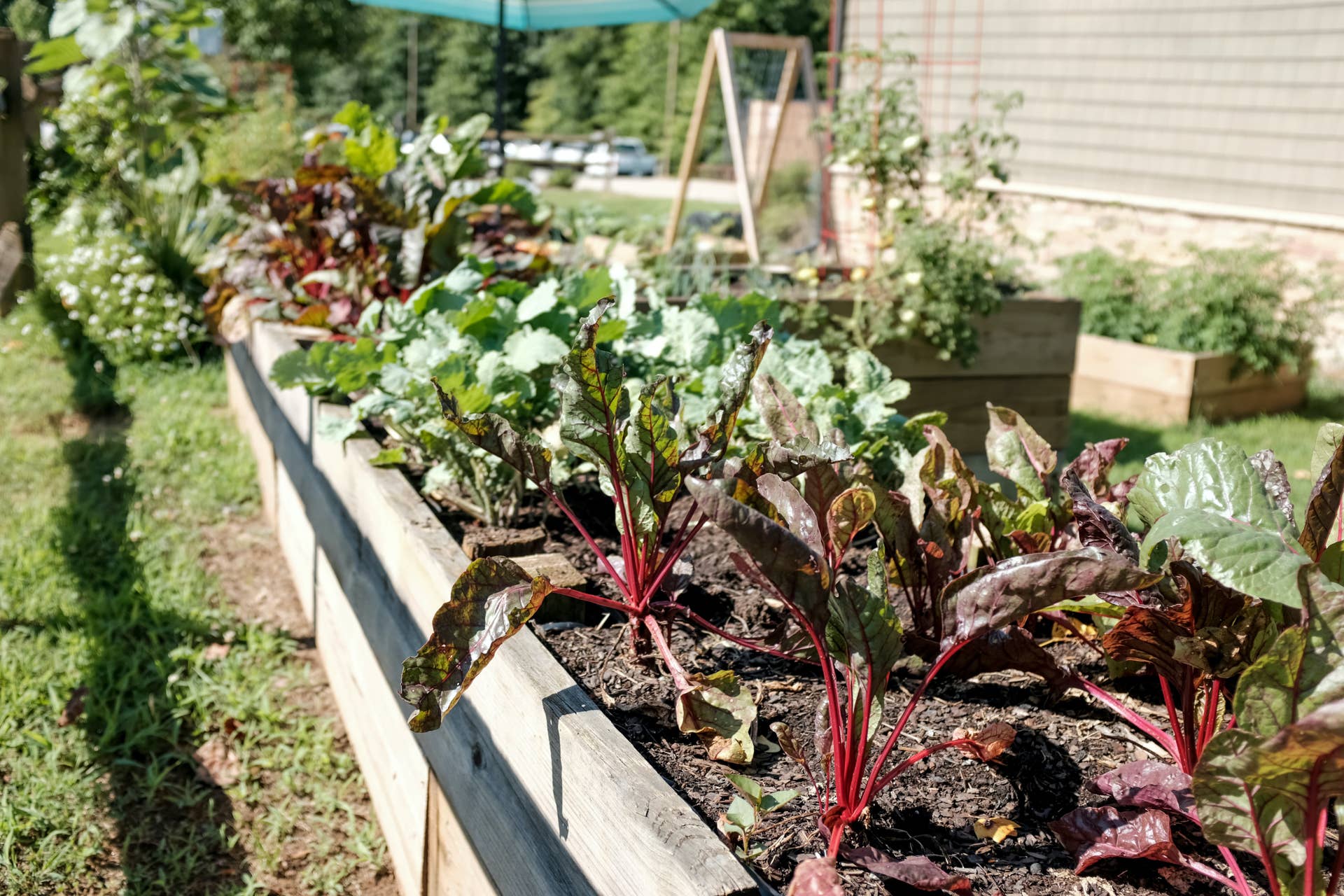
Credit: dengarden.com
Effective Weeding Techniques
Remove weeds by hand for precise control and minimal soil disturbance. Regularly check and remove young weeds to prevent spread. Use mulch to suppress weed growth and retain moisture.
Weeding a garden isn’t just about removing unwanted plants; it’s about nurturing a healthy environment for your desired plants to thrive. Effective weeding techniques can significantly reduce the time and effort you spend battling weeds. Understanding and implementing these techniques can transform your garden into a flourishing haven.Hand Pulling Methods
Hand pulling is a simple yet powerful technique for managing weeds. It allows for precision, enabling you to target weeds without disturbing your desired plants. For the best results, pull weeds when the soil is moist, as they come out easier with their roots intact. Ensure you’re pulling from the base of the plant to get the entire root system. Missing the roots could mean the weed will return stronger than before. If you’re like me, you’ll find the process surprisingly therapeutic, almost like a meditative ritual.Using A Hoe Properly
A hoe can be your best friend when it comes to dealing with large areas of weeds. The key is to use it effectively without damaging your plants or overexerting yourself. Opt for a sharp hoe and slice through the weeds just below the soil surface. Work in a back-and-forth motion to cut the weeds at their base. This technique not only saves time but also minimizes soil disturbance. Remember, a dull hoe can turn weeding into a laborious task, so keep it sharp for efficient weeding sessions.Applying Mulch For Weed Control
Mulch acts as a natural barrier against weeds, reducing the need for constant weeding. It prevents sunlight from reaching weed seeds, thereby suppressing their growth. Organic mulches like straw, wood chips, or shredded leaves also enrich the soil as they decompose. Spread a layer of mulch about 2-3 inches thick around your plants. This not only helps in controlling weeds but also retains soil moisture and regulates temperature. Have you tried different types of mulch to see which works best for your garden?Chemical Solutions
Chemical solutions offer an efficient way to weed a garden. These solutions target unwanted plants, making garden maintenance easier. Always follow instructions for safe and effective use.
Chemical solutions offer effective ways to control weeds in your garden. These solutions can target specific types of weeds, saving time and effort. Choosing the right chemicals ensures your garden thrives while unwanted plants disappear.Selecting The Right Herbicides
Herbicides come in different forms. Some target broadleaf weeds, while others focus on grassy invaders. Read labels carefully. Know the weeds in your garden before buying. Consider the impact on nearby plants and soil. Select herbicides that match your garden’s needs.Safe Application Practices
Safety is crucial when using chemicals. Wear protective gear like gloves and masks. Follow instructions on the herbicide label. Avoid applying on windy days. This prevents chemicals from spreading to unintended areas. Keep pets and children away during application. Ensure the area is dry before allowing access.Understanding Organic Options
Organic herbicides are available for eco-friendly gardeners. These options use natural ingredients to combat weeds. Vinegar and salt mixtures can be effective. They reduce the chemical impact on the environment. Organic solutions are often safer for your garden’s ecosystem. They offer a sustainable alternative to traditional herbicides.
Credit: www.amazon.com
Preventive Measures
Preventing weeds in your garden saves time and effort. Proper measures keep your garden healthy and vibrant. These strategies help reduce weed growth effectively.
Creating A Dense Plant Cover
A thick plant cover blocks sunlight from reaching the soil. Weeds struggle to grow without sunlight. Choose ground-cover plants that spread quickly. These plants create a natural barrier against weeds. Low-growing plants work best for this purpose.
Using Landscape Fabric
Landscape fabric is a useful tool against weeds. It blocks weed growth by limiting sunlight and air. Place the fabric over the soil before planting. Cut holes for your plants to grow through. This method keeps the soil moist and weed-free.
Regular Maintenance Practices
Consistent garden care prevents weeds from taking over. Remove weeds while they are small. Pull them out by the roots for best results. Mulch helps keep soil moist and discourages weeds. Inspect your garden weekly for any new growth. Regular upkeep maintains a beautiful garden.
Dealing With Persistent Weeds
Tackle stubborn garden weeds by pulling them out from the roots. Ensure soil is moist for easier removal. Regularly inspect your garden to keep weeds under control.
Dealing with persistent weeds can feel like an endless battle. These stubborn invaders often resist your best efforts, and before you know it, they’ve taken over your garden. But don’t let them defeat you. With the right approach, even the most persistent weeds can be managed effectively. Let’s dive into some strategies to tackle these pesky plants and reclaim your garden.Identifying Stubborn Varieties
First, you need to know your enemy. Some weeds, like dandelions and crabgrass, are notorious for their resilience. They can regrow from the smallest root fragment, making them tough to eradicate. Take a stroll through your garden and look for these persistent varieties. Notice their unique features, like broad leaves or deep roots. Understanding what you’re up against is half the battle.Advanced Removal Techniques
Basic weeding might not cut it for these tough invaders. Consider using a hand trowel or a specialized weeding tool to dig deep and remove the entire root. For larger areas, solarization can be effective. Cover the area with clear plastic, trapping heat and suffocating the weeds below. This method works wonders, especially under the summer sun. Another option is to use organic herbicides, which can help manage weeds without harming your plants. Always follow the instructions carefully to protect your garden ecosystem.Seeking Professional Help
Sometimes, persistent weeds require expertise beyond home remedies. If your garden is overrun and your efforts aren’t yielding results, it might be time to call in a professional. Professionals can offer targeted treatments that are both effective and safe for your garden. They can also provide valuable advice tailored to your specific situation. Have you ever considered the cost of not addressing a weed problem? The longer you wait, the more entrenched these invaders become, making professional help a smart investment in your garden’s future. Taking these steps can help you regain control and create the flourishing garden you envision.
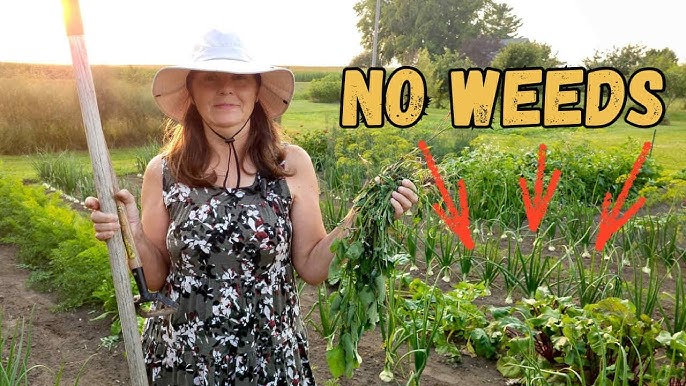
Credit: www.youtube.com
Sustainable Weeding Practices
Sustainable weeding practices help maintain a healthy garden without harming the environment. Hand-pulling weeds is effective and eco-friendly. Mulching with organic materials suppresses weed growth and enriches the soil.
Sustainable weeding practices are essential for maintaining a vibrant and eco-friendly garden. Rather than relying on chemical solutions, these methods focus on creating a balanced ecosystem, where all elements work in harmony. By considering the long-term health of your garden, you’ll not only enjoy immediate benefits but also ensure its beauty for years to come. Let’s explore some sustainable approaches to weeding your garden.Encouraging Biodiversity
Promoting biodiversity in your garden is a powerful weapon against weeds. When you cultivate a variety of plants, you create a competitive environment where weeds struggle to take hold. Consider planting cover crops, such as clover or vetch, which suppress weeds while improving soil health. These plants not only crowd out unwanted growth but also attract beneficial insects that contribute to a healthier garden. Have you noticed how certain flowers attract bees and butterflies? These pollinators can help your garden thrive, creating a natural defense against weeds.Balancing Soil Health
Healthy soil is the foundation of a weed-free garden. By maintaining nutrient-rich soil, you’ll empower your plants to grow strong and resist weed invasion. Add organic matter, like compost or mulch, to enhance soil fertility. This practice not only suppresses weeds but also retains moisture, reducing the need for frequent watering. Testing your soil can reveal nutrient deficiencies. Addressing these gaps ensures your plants have what they need to outcompete weeds naturally.Long-term Garden Planning
Think ahead and plan your garden layout with weed prevention in mind. Strategic plant spacing and thoughtful crop rotation can significantly reduce weed growth over time. Design pathways and borders using materials that deter weeds, such as gravel or bark. These elements add aesthetic appeal while serving a functional purpose. Have you ever considered how companion planting can benefit your garden? Pairing plants that complement each other can create a robust defense against weeds, enhancing both yield and beauty. By implementing these sustainable weeding practices, you’ll create a garden that flourishes naturally, with less effort and more enjoyment.Frequently Asked Questions
Is There An Easy Way To Weed A Garden?
Use mulch to suppress weeds and retain moisture. Regularly pull out weeds by hand or use a hoe. Consider planting ground cover to reduce weed growth. Ensure tools are sharp for efficient removal. Consistent maintenance prevents weed overgrowth, making it easier to manage the garden.
When Should You Weed A Garden?
Weed your garden early in the morning or late afternoon. Target weeds when the soil is moist. Regularly remove weeds before they seed, ideally once a week. Focus on young weeds for easier removal and less competition for nutrients. Consistent weeding keeps your garden healthy and thriving.
Is It Better To Pull Weeds Or Hoe Them?
Pulling weeds removes roots, preventing regrowth. Hoeing is faster and ideal for large areas but may leave roots. Choose based on garden size and weed type. Regular maintenance and proper tools enhance effectiveness. Both methods can control weeds effectively when used correctly.
What Is The Easiest Way To Weed An Overgrown Garden?
Begin by removing large weeds manually using a hand trowel or garden fork. Apply mulch to suppress new weed growth. Use a hoe for smaller weeds. Regular maintenance prevents future overgrowth. Consider using organic weed killers for persistent weeds.
Conclusion
Weeding a garden takes patience and practice. Start small and grow confident. Regular attention keeps weeds at bay. Use tools wisely to save time and effort. Know your plants to avoid mistakes. Learning about soil helps prevent weed growth. Your garden flourishes with consistent care.
Remember, weeds compete with plants for nutrients. Removing them helps your garden thrive. Enjoy the beauty of a clean, healthy garden. Share your garden tips with friends. Gardening connects us to nature. Happy gardening!