Imagine stepping outside your door into a lush, green oasis filled with fresh, vibrant vegetables ready to be picked. How satisfying would it be to harvest your own food, knowing exactly where it came from?
Whether you have a sprawling backyard or just a small balcony, creating your own vegetable garden is within reach. You might think it’s a daunting task, but with a few simple steps, anyone can transform a patch of earth into a bountiful garden.
Intrigued? You should be! In this guide, we’ll uncover the secrets of successful vegetable gardening, tailored just for you. You’ll discover how easy it can be to nurture your plants from seeds to harvest, turning your space into a source of pride and delicious produce. Ready to dig in? Let’s get started and unlock the gardener within you.
Credit: www.gardeningknowhow.com
Choosing The Right Location
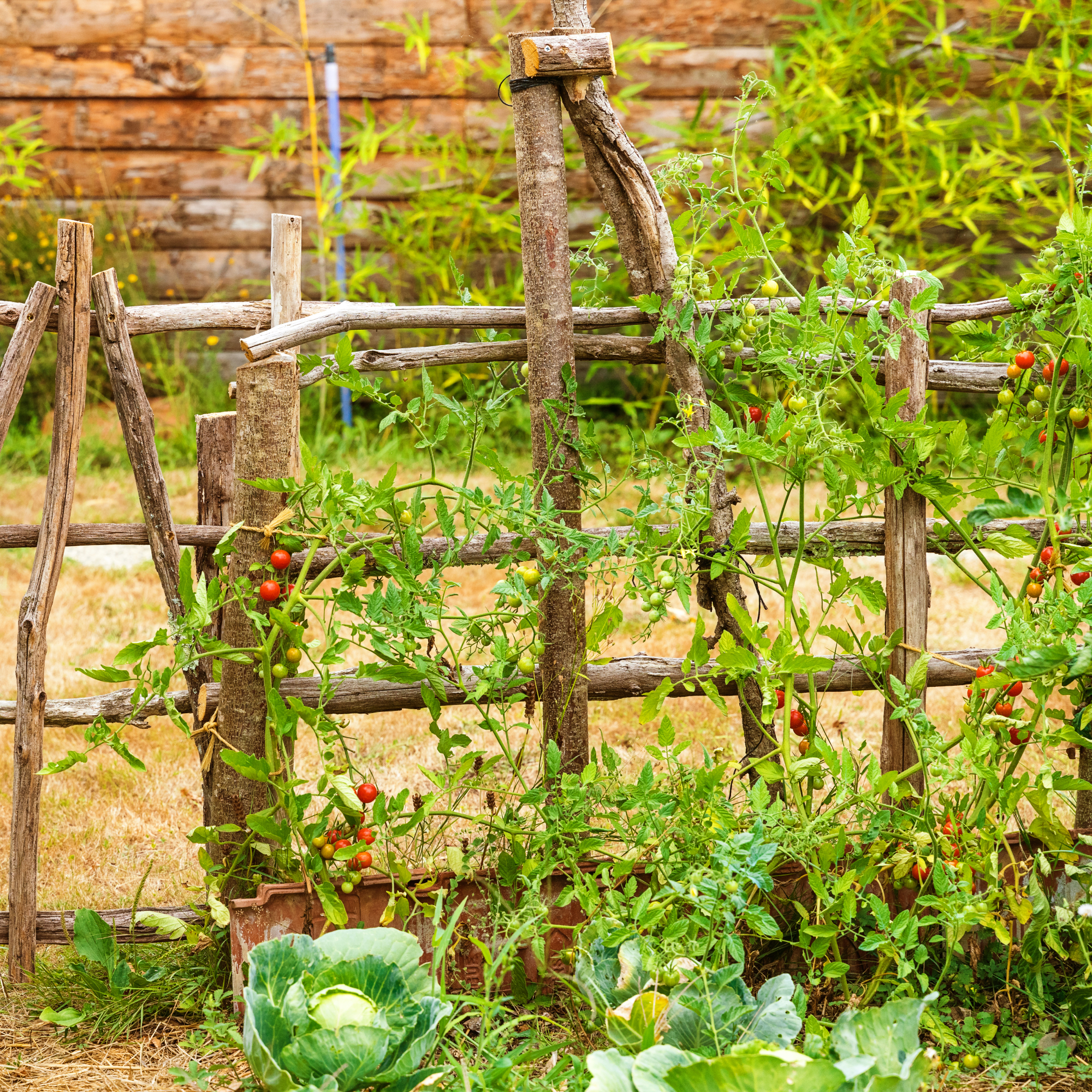
Selecting a sunny spot is crucial for a vegetable garden. Ensure the location has good soil drainage and is close to a water source. Avoid areas prone to strong winds to protect delicate plants.
Choosing the right location for your vegetable garden can make all the difference. The perfect spot supports healthy growth, leading to a bountiful harvest. Start by understanding key factors like sunlight and soil. These elements are crucial for thriving plants.Sunlight Requirements
Vegetables need sunlight to grow strong. Most vegetables require at least 6 hours of sunlight daily. Check your garden area at different times. Ensure it receives enough sunlight throughout the day. Avoid shaded spots, as they limit growth.Soil Quality
Good soil is essential for a successful vegetable garden. It should be rich in nutrients and drain well. Test the soil for its pH level. Most vegetables prefer slightly acidic soil, around 6.0 to 7.0. Improve soil quality by adding compost. It enriches the soil and boosts plant health.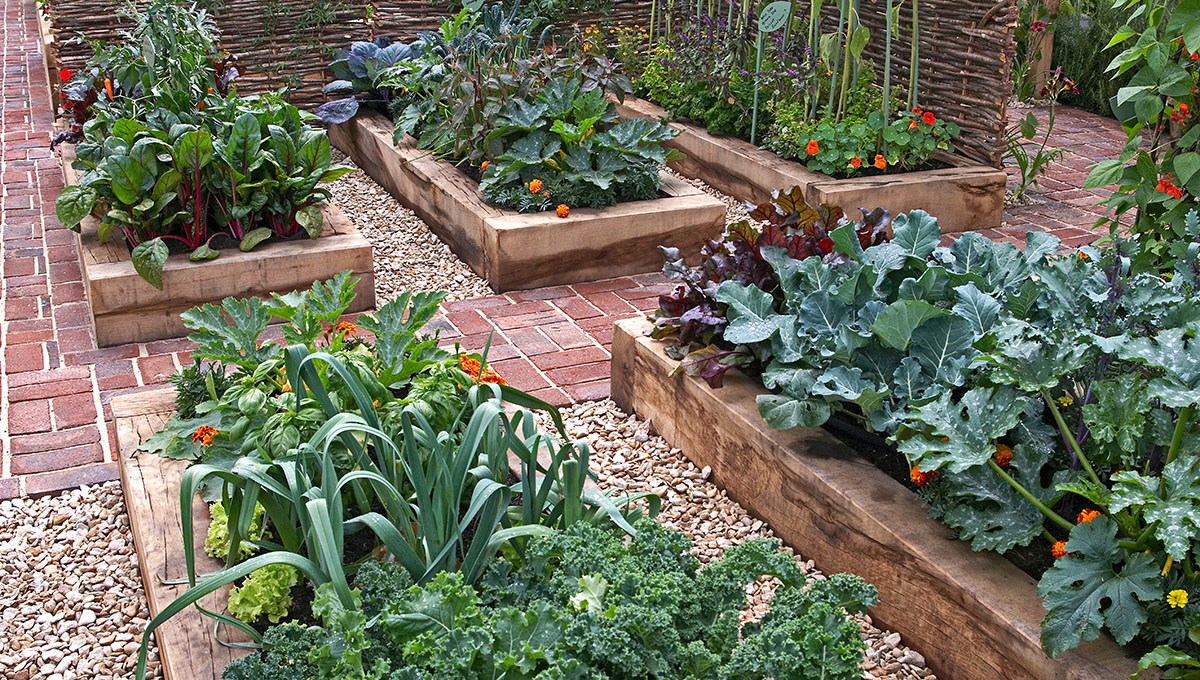
Credit: www.gardentech.com
Selecting Vegetables
Choosing the right vegetables is key for a thriving garden. Consider climate, soil conditions, and sunlight availability. Opt for varieties that suit your local environment for optimal growth.
Selecting the right vegetables for your garden is crucial. It ensures a bountiful harvest. Consider your climate, space, and desired yield. These factors help in choosing the best vegetables.Climate Considerations
Your local climate greatly influences vegetable selection. Some vegetables thrive in warm weather. Others prefer cooler conditions. Check your local frost dates. This helps determine the growing season. Tomatoes, peppers, and cucumbers love warmth. Lettuce, spinach, and peas enjoy cooler temperatures. Choose vegetables that match your climate for best results.Space And Yield
Evaluate your garden space before planting. Some vegetables need more room to grow. Others can thrive in smaller spaces. For limited space, consider vertical gardening. Vines like beans and peas grow upwards. This saves ground space. Also, consider the yield of each plant. High-yield plants like zucchini provide more produce. Plan your garden to maximize space and yield.Preparing The Soil
Preparing the soil is essential for a successful vegetable garden. Remove weeds and debris to create a clean area. Mix in compost to enrich the soil with nutrients.
Preparing the soil is the cornerstone of successful vegetable gardening. Your plants will thrive if you invest time in cultivating the right foundation. Healthy soil can make the difference between a bountiful harvest and a garden that struggles. Let’s dig deep into the essentials of soil preparation.Testing Soil Ph
Understanding your soil’s pH level is crucial. A simple test can reveal whether your soil is acidic, neutral, or alkaline. Most vegetables prefer a pH level between 6.0 and 7.0. You can purchase a soil testing kit from a gardening store or send a sample to a local extension service. Once you know your soil’s pH, you can adjust it by adding lime to raise the pH or sulfur to lower it. Why is pH so important? It affects nutrient availability, meaning your plants might not get the nourishment they need if the pH is off.Improving Soil Fertility
Fertile soil is the lifeblood of your vegetable garden. It provides essential nutrients that fuel plant growth. To enhance fertility, consider adding organic matter like compost or well-rotted manure. Incorporate these materials into the soil by tilling or turning them over with a garden fork. This process enriches the soil structure and boosts nutrient content. Have you ever noticed how some gardens flourish while others falter? Often, the secret lies in soil fertility. Regularly feeding your soil can transform your garden into a vibrant, productive space.- Use green manure crops to add nitrogen.
- Rotate crops to prevent nutrient depletion.
- Apply mulch to conserve moisture and reduce erosion.

Credit: food52.com
Planting Techniques
Discover the best methods for planting vegetables in your garden. Prepare soil with compost for nutrients. Space plants correctly to ensure healthy growth and strong yields.
Planting techniques are the heart of a successful vegetable garden. Understanding how to start seeds and transplant seedlings can make a significant difference in the health and productivity of your garden. These methods are not just about putting seeds or plants into soil, but about giving them the best start possible.Seed Starting
Starting seeds indoors can extend your growing season and give your plants a head start. Choose a sunny windowsill or invest in grow lights to ensure your seedlings receive enough light. Use seed starting trays or small pots filled with a light, well-draining soil mix. Keep the soil moist but not soggy, as too much water can lead to mold or seed rot. Cover the trays with a clear lid or plastic wrap to maintain humidity until the seeds germinate. Once seedlings appear, remove the cover to prevent damping-off disease, which can kill young plants quickly.Transplanting Seedlings
Transplanting seedlings requires careful handling to avoid damaging the young plants. Before transplanting, harden off your seedlings by gradually exposing them to outdoor conditions over a week. This step helps them adjust to the change in environment. Choose a cloudy day or transplant in the late afternoon to reduce transplant shock. Dig a hole slightly larger than the root ball of your seedling. Place the seedling in the hole and cover with soil, ensuring the plant is at the same depth it was growing in its pot. Water the transplanted seedlings immediately to settle the soil around the roots. Keep an eye on them for a few days and provide shade if necessary to help them establish in their new home. Have you ever noticed how well a plant thrives when given just a little extra care during these steps? It’s a small effort that yields big rewards.Watering Strategies
Efficient watering strategies are crucial for a thriving vegetable garden. Ensure deep watering to reach plant roots and use mulch to retain soil moisture. Adjust frequency based on weather and soil type for optimal growth.
Watering your vegetable garden can be both an art and a science. Too much water and your plants may drown; too little and they could wither. Striking the right balance is crucial for a thriving garden. Understanding effective watering strategies can make all the difference in producing a lush, abundant harvest. Here are some essential techniques to consider:Irrigation Systems
Choosing the right irrigation system can significantly ease your gardening routine. Drip irrigation is an excellent option for those who want to conserve water and target the root zones directly. It minimizes evaporation and ensures your plants get the moisture they need. Sprinkler systems, on the other hand, are great for larger gardens. They cover a wide area and can be automated, giving you the freedom to focus on other gardening tasks. But remember, they might not be as water-efficient as drip systems. Have you ever tried a soaker hose? It’s a fantastic middle-ground solution. By slowly releasing water along its length, it keeps the soil consistently moist without over-saturating it.Watering Frequency
How often should you water your vegetable garden? The answer depends on several factors, including climate, soil type, and plant species. Generally, aim to water deeply but less frequently to encourage root growth. In hot weather, your plants may need daily watering, especially if they’re in containers. However, during cooler months, once or twice a week might suffice. Always check the soil moisture before watering. Stick your finger into the soil about an inch deep. If it feels dry, it’s time to water. But if it’s damp, hold off. Being attentive to your garden’s needs helps you avoid over or under-watering, ensuring your vegetables grow robustly. What watering strategies have you found effective in your garden? Share your experiences in the comments!Managing Pests And Diseases
Effective pest and disease management is crucial for thriving vegetable gardens. Regularly inspect plants for signs of trouble. Use natural remedies and maintain garden hygiene to protect your crops.
Managing pests and diseases is crucial for a thriving vegetable garden. Pests can damage plants, while diseases can weaken or kill them. Understanding how to control these issues naturally and prevent diseases will help your garden stay healthy. Let’s explore some effective strategies.Natural Pest Control
Natural pest control methods are eco-friendly and safe for your garden. Encourage beneficial insects like ladybugs and spiders. They help control harmful pests. Plant flowers like marigolds to attract these helpful insects. Use companion planting to deter pests. Garlic and onions repel many insects. Consider homemade sprays with ingredients like neem oil or soap. These can help manage pests without chemicals. Regularly inspect your plants for signs of pests. Early detection can make a big difference.Disease Prevention
Preventing diseases is easier than curing them. Start with healthy soil to boost plant immunity. Rotate crops each year to prevent soil-borne diseases. Water your plants at the base, not on the leaves. Wet leaves can encourage fungal growth. Ensure proper spacing between plants for good air circulation. This reduces humidity and disease risk. Remove and destroy infected plants quickly. This stops diseases from spreading. Use disease-resistant plant varieties when possible. They are less likely to get sick. Keep your garden clean and free of debris. This minimizes places for diseases to thrive.Pruning And Maintenance
Pruning and regular maintenance keep your vegetable garden healthy and productive. Remove dead leaves and branches to boost growth. Check for pests and diseases, ensuring plants stay strong and vibrant.
Pruning and maintenance are the lifeblood of a thriving vegetable garden. It’s not just about snipping away excess growth; it’s about nurturing your plants to produce their best harvest. Regular attention to these tasks can transform your garden from a simple patch of earth into a bountiful oasis. But how do you ensure your vegetables get the care they need?Pruning Methods
Understanding the right pruning methods can make a world of difference. Start by identifying which plants need attention. For instance, tomatoes thrive when you remove the suckers—those small shoots between the branches. This helps channel energy into producing fruit. When dealing with leafy greens like lettuce or spinach, you should trim the outer leaves to encourage new growth in the center. Doing this will keep your plants vibrant and productive. Make sure your tools are sharp and clean to avoid damaging the plant. Remember, it’s not about hacking away; it’s about strategic cuts that promote healthier growth.Regular Maintenance Tasks
Regular maintenance is your secret weapon in keeping your garden healthy. Watering is key, but be mindful of not overdoing it. Too much water can drown roots, while too little can leave them parched. Check the soil moisture regularly and adjust accordingly. Weeding is another task that demands attention. Those pesky intruders can steal nutrients meant for your plants. A quick pass every few days can prevent weeds from taking over. Fertilizing is essential for nourishing your garden. Choose an organic option to enrich your soil without harmful chemicals. A balanced approach will keep your plants strong and productive. How often do you check for pests? These tiny invaders can wreak havoc if left unchecked. Regular inspections help catch problems early, saving you headaches down the road. By investing time in pruning and maintenance, you’re not just caring for plants—you’re cultivating a space that rewards you with fresh produce and a sense of accomplishment. What could be more satisfying than that?Harvesting Tips
Harvest vegetables in the cool morning to preserve freshness. Use clean, sharp tools to avoid damaging the plants. Check for ripe produce daily to ensure the best flavor and nutrition.
Harvesting Tips Growing your own vegetables is a rewarding journey, but knowing when and how to harvest is key to enjoying the fruits of your labor. Harvesting at the right time ensures maximum flavor and nutritional value. Let’s dive into some essential harvesting tips that will help you make the most of your vegetable garden.Identifying Ripeness
Understanding when your vegetables are ripe is crucial. Each vegetable has its own signs of ripeness. For tomatoes, look for a rich color and a slight softness to the touch. Peppers are ready when they reach their full color, be it red, yellow, or green. Remember, a ripe cucumber should be firm and have a consistent dark green color. Consider the season as well. Some vegetables, like peas and beans, are best picked early in the morning when they are crisp and full of sugar. Keep track of the days to maturity listed on your seed packets to give you a timeline.Proper Harvest Techniques
Use the right tools to make harvesting easier and more efficient. A pair of sharp garden shears or scissors works well for most vegetables. For root vegetables like carrots or beets, gently loosen the soil with a garden fork before pulling them out. Be gentle with your plants to avoid damage. Support the stem of the plant while cutting the vegetable to prevent breaking or bending. This not only helps in getting the vegetable without harming the plant but also encourages further growth. Think about how frequent harvesting can boost your yield. Regular picking encourages plants like beans and zucchini to produce more. Have you ever noticed how a forgotten zucchini can turn into a giant overnight? Frequent checks and timely harvesting can prevent this. With these tips, you can enjoy a bountiful harvest, ensuring your hard work in the garden pays off with delicious and fresh produce. What will you harvest today?Seasonal Gardening
Discover the joys of seasonal gardening by learning how to vegetable garden. Choose plants that thrive in your local climate. Prepare soil and plant seeds at the right time for a bountiful harvest.
Seasonal gardening is an art that involves adapting your planting strategies to the changing seasons. Understanding what to plant and when is crucial for a thriving vegetable garden. By syncing your garden with nature’s calendar, you can enjoy a year-round supply of fresh produce. This approach not only maximizes yield but also ensures that you’re always growing the right crops at the right time.Spring And Summer Crops
Spring and summer are the busiest times for gardeners. These seasons are perfect for planting warm-weather crops that flourish under longer days and increased sunlight. Consider starting with tomatoes, cucumbers, and peppers. They thrive in warm soil and reward you with bountiful harvests. Don’t forget about fast-growing veggies like radishes and lettuce. They can be planted early in spring and harvested in just a few weeks. Imagine the satisfaction of picking a crisp, home-grown salad from your garden! Keep an eye on the weather. Sudden cold snaps can harm tender plants. Be ready to cover them with frost blankets if needed. How exciting it is to protect your little green friends from the elements!Fall And Winter Planting
As the heat of summer fades, it’s time to transition to fall and winter crops. These cooler months offer a chance to grow hardy vegetables that can withstand lower temperatures. Think about planting kale, broccoli, and carrots. Fall is also a great time to plant garlic and onions. They can be sown in autumn and left to mature over the winter. By spring, you’ll have a robust crop ready for harvest. Winter doesn’t mean the end of gardening. With a little planning, you can keep your garden productive. Consider using cold frames or row covers to extend the growing season. These simple tools can provide the extra warmth needed to keep plants thriving. What will you try next in your seasonal gardening adventure?Sustainable Practices
Growing a vegetable garden sustainably involves using compost, conserving water, and choosing organic seeds. Rotate crops to maintain soil health and encourage beneficial insects. Embrace natural pest control methods like companion planting for a thriving, eco-friendly garden.
Sustainable practices in vegetable gardening help preserve resources and promote healthy growth. These methods not only support the environment but also enhance the garden’s productivity. By adopting sustainable practices, gardeners can enjoy a thriving vegetable garden and contribute to a healthier planet.Composting Benefits
Composting transforms kitchen scraps into nutrient-rich soil. This practice reduces waste and enriches garden beds. With compost, plants receive essential nutrients naturally. Composting also improves soil structure, enhancing moisture retention. It supports beneficial microorganisms, fostering a healthy ecosystem. Start composting by collecting organic waste in a bin. Turn the pile regularly for aeration. Over time, this practice yields dark, crumbly soil ready for use.Water Conservation
Water conservation is vital in sustainable gardening. Efficient watering methods save resources and support plant health. Drip irrigation delivers water directly to roots. This minimizes evaporation and ensures proper hydration. Mulching also helps conserve moisture in soil. Spread organic mulch around plants to retain water. Collect rainwater in barrels for garden use. This reduces dependency on municipal water. These simple practices contribute to a sustainable and thriving garden.Frequently Asked Questions
What Is The Best Month To Start A Vegetable Garden?
The best month to start a vegetable garden is typically March or April. These months offer optimal conditions for planting. Spring provides mild temperatures and sufficient sunlight, promoting strong growth. Always consider your local climate and frost dates to ensure successful planting.
What Vegetables Should Not Be Planted Next To Each Other In A Garden?
Certain vegetables should not be planted together. Avoid planting onions near beans and peas. Keep tomatoes away from potatoes. Separate carrots and dill, and cabbage from strawberries. These pairings can hinder growth or attract pests. Consider companion planting for better garden health.
What Is The Most Common Mistake Of First Time Gardeners?
First-time gardeners often overwater plants, leading to root rot. Proper watering requires understanding plant needs and soil drainage.
How Should I Layout My Vegetable Garden?
Plan your vegetable garden by grouping plants with similar sunlight and water needs. Arrange taller plants to the north to avoid shading shorter ones. Maintain pathways for easy access and ensure proper spacing for growth. Rotate crops yearly to prevent soil depletion and pests.
Conclusion
Starting a vegetable garden is rewarding and fun. Fresh veggies in your backyard. Healthier meals and savings at the store. Remember to water and weed regularly. Choose easy plants like tomatoes and lettuce. Soil quality is crucial. Compost enriches your garden.
Sunlight matters, pick a sunny spot. Enjoy the process, patience pays off. Gardening teaches patience and responsibility. Share veggies with friends and family. Create a green space and connect with nature. Gardening reduces stress and boosts mood. Each harvest brings joy and satisfaction.
Your garden is a small step toward sustainability. Keep nurturing it and reap the rewards.