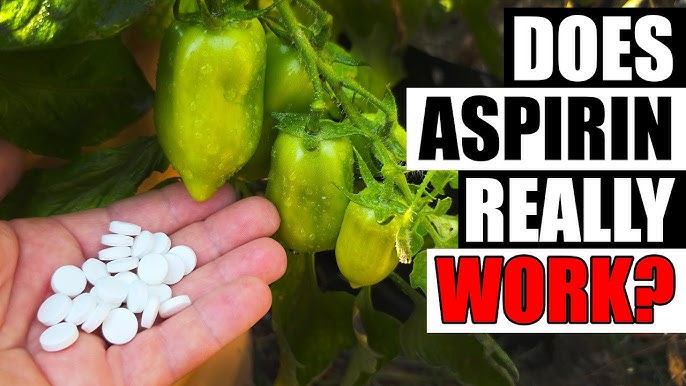
Imagine boosting your vegetable garden’s health with a simple, inexpensive ingredient you probably already have in your medicine cabinet: aspirin. Yes, that little pill isn’t just for headaches; it can be a game-changer for your garden.
If you’ve ever felt frustrated by wilting plants or a disappointing harvest, you’re not alone. But what if the solution was as easy as dissolving aspirin in water? Intrigued? Keep reading to discover how aspirin can enhance your plants’ growth, ward off diseases, and improve your yields.
You’ll learn practical tips and tricks that you can start using today. Don’t let another growing season go by without trying this surprisingly effective gardening hack!
Benefits Of Aspirin In Gardening
Aspirin can help strengthen plant immunity against diseases. Dissolve a tablet in water and spray on leaves. This simple method may enhance growth and resilience in your vegetable garden.
Aspirin is not just a medicine for headaches; it can be a secret weapon in your vegetable garden. Its active ingredient, salicylic acid, offers surprising benefits that can enhance the health and productivity of your plants. You might be wondering how a simple tablet can make such a difference. Let’s explore the fascinating ways aspirin can boost your gardening efforts.Enhancing Plant Immunity
Aspirin strengthens plant immunity by mimicking the effects of salicylic acid, a natural compound that plants produce. This boosts their resilience against environmental stressors. When you dissolve an aspirin tablet in water and spray it on your plants, it helps them build a robust defense system. Consider it a plant’s version of a flu shot, making them less susceptible to diseases.Stimulating Growth
Do you want your plants to thrive and grow faster? Aspirin can help by stimulating growth. It encourages the production of vital hormones that promote cell division and elongation. This means your tomatoes might ripen quicker, and your carrots could grow plumper. A gardener shared that after using aspirin, their lettuce doubled in size in record time. Isn’t that worth trying?Deterring Pests And Diseases
Aspirin acts as a deterrent against common pests and diseases. Its properties can repel unwanted visitors like aphids and caterpillars. Additionally, it can reduce the risk of fungal infections. Imagine a garden where pests are kept at bay naturally, reducing the need for chemical pesticides. This approach not only saves time but also ensures your vegetables are safe and healthy. Why not give aspirin a go in your garden? You might be surprised at how well your plants respond to this simple addition.Preparing Aspirin Solution
Using aspirin in your vegetable garden can enhance plant growth and boost immunity. Preparing an aspirin solution is simple and effective for gardeners. With careful preparation, plants may benefit from aspirin’s unique properties. Follow these steps to create the perfect solution for your garden.
Choosing The Right Aspirin
Select the proper type of aspirin for your garden needs. Regular aspirin, not coated or flavored, is best. Coated aspirin may have additives that hinder plant absorption. Check for pure aspirin without added ingredients. This ensures maximum efficacy and safety for your plants.
Proper Dosage And Dilution
Determine the correct dosage for your solution. Typically, one aspirin tablet per gallon of water works well. Crush the tablet thoroughly for easy mixing. Dilute aspirin in water to create a uniform solution. Stir until the aspirin is completely dissolved.
Use this solution to water your plants. Apply it directly to the soil or spray on leaves. Ensure even distribution for optimal results. Repeat every few weeks for continued benefits.
Application Methods
Crush aspirin tablets and mix with water to create a solution. Spray this mixture on your vegetable plants. This helps in boosting their immune system and growth.
Aspirin, a common household item, can be surprisingly beneficial in your vegetable garden. Its application can boost plant growth, enhance immunity, and even deter certain pests. But how do you get this miracle worker into your garden effectively? Let’s explore two primary methods: foliar spraying and soil drenching. Each offers unique benefits and can be tailored to your garden’s needs.Foliar Spraying
Foliar spraying involves applying a diluted aspirin solution directly onto the leaves of your plants. This method allows for quick absorption, giving your plants an immediate boost. To prepare, dissolve one aspirin tablet in a gallon of water, ensuring it’s well mixed. Use a spray bottle to apply the solution evenly over the leaves. Target the undersides where pests often hide. Avoid spraying during the hottest part of the day to prevent leaf burn. Instead, try early morning or late afternoon. Foliar spraying can be especially beneficial during periods of plant stress, like drought or pest attacks. Have you noticed how some plants droop under stress? A quick foliar spray can act like a refreshing drink, reviving them almost instantly.Soil Drench Technique
The soil drench technique is another effective way to introduce aspirin to your plants. This method involves watering the plants’ roots with the aspirin solution, allowing them to absorb the benefits through the soil. Dissolve a single aspirin tablet in a gallon of water, similar to the foliar spray preparation. Pour the solution at the base of each plant, ensuring the soil is thoroughly soaked. This technique is ideal for strengthening root systems and boosting overall plant health. It’s particularly useful at the start of the growing season, helping young seedlings develop robust roots. Ever wondered if your plants could be more resilient against diseases? Soil drenching with aspirin might be the answer, fortifying them from the ground up.
Credit: m.youtube.com
Best Practices For Usage
Best Practices for Usage Aspirin can boost plant growth and protect against diseases. Dissolve aspirin in water and spray on leaves. This method strengthens plants, making them healthier and more resilient.
Using aspirin in your vegetable garden might sound unconventional, but it can be a beneficial practice. Aspirin, or acetylsalicylic acid, can boost plant health and improve growth. Like any garden technique, using aspirin effectively requires understanding the best practices. Let’s explore these practices to ensure your garden flourishes.Timing And Frequency
Timing is everything when using aspirin in your garden. The best time to apply aspirin is during the early morning or late afternoon. This minimizes evaporation and ensures the plants absorb the solution effectively. Frequency is equally crucial. Apply an aspirin solution every three weeks to maintain optimal plant health. Overuse can lead to plant stress, so sticking to this schedule is essential.Safety Precautions
Safety should always be a priority. When preparing your aspirin solution, dissolve one aspirin tablet in a gallon of water. This dilution is safe for most plants and reduces the risk of chemical burns. Always test a small area before applying the solution to the entire garden. This helps you spot any adverse reactions early. Also, keep the solution away from children and pets, as it is not meant for consumption. Engaging with your garden through new techniques can be exciting. Have you tried using aspirin in your garden yet? The results might surprise you.Potential Risks And Considerations
Using aspirin in your vegetable garden may offer benefits, but it also presents risks. Understanding these potential risks is essential for safe gardening. Careful consideration and moderation are key to avoiding negative effects.
Overuse Implications
Too much aspirin can harm your plants. Excessive use may lead to leaf burn or plant stunting. Aspirin contains salicylic acid, which, in high doses, can be toxic. Always follow recommended guidelines to ensure plant safety.
Environmental Impact
Aspirin use can affect the soil and nearby water sources. It may alter soil pH levels, affecting plant growth. Runoff from treated soil can enter waterways, impacting aquatic life. Be mindful of the broader environmental implications when using aspirin.

Credit: www.instagram.com
Success Stories And Research
Aspirin can enhance plant health and growth in vegetable gardens. It helps boost immunity and fight diseases, offering gardeners a natural aid. Discover how aspirin contributes to a thriving garden ecosystem, benefiting both novice and experienced gardeners.
Aspirin, a staple in our medicine cabinets, has found its way into the heart of vegetable gardening. Many gardeners have shared their success stories, claiming aspirin not only boosts plant growth but also enhances their resilience. These anecdotes, coupled with scientific research, make for a compelling narrative. Are you curious about how aspirin might transform your garden?Case Studies
Several gardeners have reported remarkable results using aspirin in their vegetable gardens. One gardener shared her story of a tomato plant that was on the brink of dying. After dissolving an aspirin in water and applying it to the soil, she noticed a significant improvement in the plant’s health within days. Another enthusiastic gardener noted that aspirin seemed to increase the yield of his pepper plants. He observed that the plants grew more robust and produced larger fruits. Could aspirin be the secret weapon for thriving vegetables? These stories spark interest and curiosity, but what does science say?Scientific Findings
Research has begun to explore how aspirin affects plant growth. Scientists have discovered that salicylic acid, the active ingredient in aspirin, plays a crucial role in plant defense mechanisms. It helps plants combat stress from pathogens and environmental factors. In controlled experiments, plants treated with aspirin showed increased resistance to diseases. The findings suggest that aspirin might boost the immune system of plants, similar to how it helps humans. Moreover, some studies indicate aspirin can stimulate growth hormones in plants, leading to healthier and more productive crops. These insights from research provide a promising outlook for using aspirin in gardening. Have you tried incorporating aspirin into your gardening routine? What were your results?
Credit: www.gardeningknowhow.com
Frequently Asked Questions
How To Use Aspirin For Gardening?
Dissolve one aspirin in a gallon of water. Spray plants every three weeks to boost immunity and growth. Use caution, as excessive use may harm plants.
How Often Should I Spray Aspirin On Tomatoes?
Spray aspirin solution on tomatoes every two to three weeks. This helps boost their immune system and growth. Mix one aspirin tablet with a gallon of water for effective results. Avoid over-spraying to prevent damage. Regular application can enhance plant health and increase yield.
How Much Aspirin Do I Put In A Gallon Of Water For Tomato Plants?
Dissolve one regular 325 mg aspirin tablet in a gallon of water. Use it to water tomato plants. This solution can help boost plant immunity and growth. Apply every two to four weeks for best results. Always test on a small area first to ensure plant tolerance.
How To Use Aspirin Table For Plants Growth?
Crush aspirin and dissolve it in water. Spray the solution on plants to boost growth and immunity. Use once a month for best results. Ensure the solution covers leaves and stems. Avoid overuse to prevent negative effects on plant health.
Conclusion
Using aspirin in your vegetable garden can boost plant health. It helps fight diseases and strengthens growth. Aspirin is easy to use and affordable. Just dissolve in water and spray on plants. Many gardeners find it effective for stronger plants.
Experiment with aspirin to see results in your garden. Always follow recommended amounts for safety. Garden maintenance becomes simpler with aspirin’s benefits. Try it in your garden to see improvements. Enjoy healthier plants and a fruitful harvest. Happy gardening!