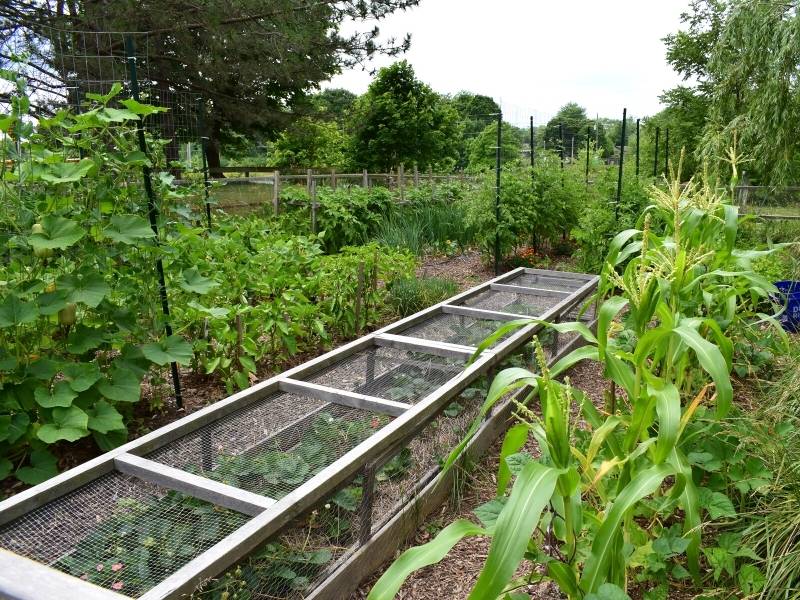
Imagine stepping outside your door into a vibrant, blooming oasis rather than just a patch of grass. Turning your lawn into a garden is not only possible, but it’s also incredibly rewarding.
You might be wondering where to start or what to plant first. By transforming your lawn into a garden, you create a space that reflects your personality and nurtures your well-being. You’ll find yourself surrounded by nature’s beauty, feeling a sense of achievement as you watch plants grow and flourish.
This guide will walk you through the steps to take your lawn from plain to picturesque, and you’ll discover how simple changes can make a big impact on your outdoor space. Are you ready to unlock the potential of your yard and enjoy the benefits of a garden tailored just for you? Let’s dive in and explore how to make it happen.

Credit: www.instagram.com
Choosing The Right Garden Type
Turning your lawn into a garden is an exciting endeavor. The first step in your garden transformation is selecting the right type of garden that suits your space, lifestyle, and interests. Consider what you want to achieve with your garden. Do you want fresh vegetables, colorful flowers, or aromatic herbs? Each option offers unique benefits and challenges. Let’s explore some popular garden types to help you make the best choice.
Vegetable Gardens
If you’re someone who loves fresh produce, a vegetable garden might be perfect for you. Imagine picking tomatoes, peppers, or lettuce right from your backyard. It’s rewarding and can save you money on groceries. Start small with easy-to-grow veggies like carrots or radishes. These require minimal space and are forgiving for beginners.
Think about sunlight when choosing a spot. Most vegetables need around 6-8 hours of sunlight daily. You might be surprised at how a sunny corner of your lawn can turn into a bountiful harvest. Are you ready to taste the difference between store-bought and homegrown?
Flower Gardens
Flower gardens offer a visual feast for the eyes. They can transform your lawn into a colorful paradise. Choose flowers that bloom at different times to enjoy a variety of colors throughout the seasons. Consider perennials, which return year after year, like lilies or daisies.
Before planting, think about the colors and types of flowers you love. Do you prefer a wild, natural look or a more structured design? Planning your flower garden is like painting a masterpiece with nature’s palette. How do you envision your garden’s aesthetic?
Herb Gardens
Herb gardens are perfect for those who love cooking with fresh ingredients. They’re easy to maintain and can be grown in small spaces. Imagine having basil, mint, or rosemary at your fingertips whenever you need them. Herbs can even be grown in pots or containers, making them ideal for smaller areas.
Consider the types of herbs you use most often in your cooking. This will guide your choices and ensure you have the freshest flavors right at home. How will having an herb garden change your culinary experience?
Choosing the right garden type is all about aligning your preferences with your space and lifestyle. Which garden type resonates with you the most?

Credit: www.youtube.com
Planning The Layout
Transforming a lawn into a thriving garden begins with meticulous planning of the layout. This stage is crucial as it sets the foundation for a successful garden that meets your aesthetic desires and functional needs. By carefully considering elements such as sunlight exposure, pathways, and borders, you can create a harmonious and productive garden space.
Assessing Sunlight And Shade
Understanding the sunlight and shade patterns in your yard is essential to plant placement. Spend a few days observing where the sun hits during different times of the day. You might notice that some areas receive direct sunlight while others are shaded by trees or structures.
Use this information to decide which plants will thrive in each spot. Sun-loving plants like tomatoes and peppers need at least six hours of direct sunlight. On the other hand, leafy greens and herbs can flourish in shaded areas.
Consider investing in a sun tracker or using apps that map sunlight patterns to ensure accuracy. This step not only increases plant health but also minimizes the need for constant watering and maintenance.
Designing Pathways And Borders
Pathways and borders define your garden’s structure and improve accessibility. Start by sketching potential paths that allow easy movement between planting beds and garden features. Think about how you can create a seamless flow that enhances your gardening experience.
Consider materials like gravel, bricks, or stepping stones for pathways. Each material offers unique benefits—gravel is cost-effective, while bricks provide a classic look. Ensure pathways are wide enough for easy navigation.
Borders, whether made from wood, metal, or stone, help contain your garden beds and add visual interest. They can also prevent grass from encroaching into your garden areas. Choose border materials that complement your garden style and are durable against weather changes.
Have you thought about integrating small seating areas along the pathways? They offer a delightful spot to relax and admire your handiwork.
Preparing The Soil
Transforming a lawn into a flourishing garden begins with preparing the soil. Healthy soil is the foundation of any successful garden. It provides essential nutrients and supports plant growth. This guide will walk you through the steps to ensure your garden thrives.
Testing Soil Quality
Start by assessing your soil’s quality. Conduct a simple soil test. This reveals your soil’s pH levels and nutrient content. You can purchase soil test kits at gardening centers. Follow the instructions to get accurate results. Knowing your soil’s condition helps you make informed decisions. It ensures you amend the soil effectively.
Amending Soil With Compost
Compost enriches soil with organic matter. It improves drainage and aeration. Spread a layer of compost over the soil. Use a shovel or rake to mix it in. Aim for a depth of about six inches. Compost adds vital nutrients and encourages beneficial organisms. It boosts your soil’s fertility and structure.
Selecting Plants And Seeds
Choosing the right plants and seeds is crucial for transforming a lawn into a vibrant garden. Consider the climate, soil type, and sunlight when selecting varieties. This ensures healthy growth and a flourishing garden space.
Turning a lawn into a vibrant garden begins with selecting plants and seeds. This step is crucial for creating a thriving ecosystem. The right choices will lead to a beautiful, sustainable garden. Consider factors like climate, soil type, and garden size. This ensures plants flourish and contribute to the garden’s health.
Choosing Climate-appropriate Plants
Selecting plants suitable for your climate is essential. Each plant has specific needs for temperature and sunlight. Research plants that thrive in your region’s conditions. Use local gardening guides or online resources for information. This ensures plants can grow and survive through seasonal changes.
Prioritizing Native Species
Native species adapt well to local conditions. They require less water and maintenance. These plants often resist local pests and diseases. Incorporating native species supports local wildlife. Birds, bees, and butterflies benefit from native plants. This choice enhances biodiversity in your garden.
Implementing Irrigation Systems
Transforming a lawn into a garden becomes easier with efficient irrigation systems. They provide consistent water supply to plants, ensuring healthy growth. Proper installation and maintenance can maximize water usage while minimizing waste.
Turning your lawn into a thriving garden requires a solid irrigation plan to ensure your plants receive the right amount of water. Implementing irrigation systems can make this task easier and more efficient. Whether you opt for drip irrigation or sprinklers, each has its unique benefits and setup considerations. Let’s explore these options and see which might be the best fit for your garden transformation.
Drip Irrigation Setup
Drip irrigation delivers water directly to the base of plants, minimizing water waste and focusing hydration where it’s needed most. This system is ideal for gardens with varied plant types or uneven terrains. Setting up a drip irrigation system can be simple, especially with starter kits available at most garden centers. Kits typically include all you need: tubing, emitters, and connectors. You can customize it by adding more emitters for larger or more water-thirsty plants. Once installed, adjust the emitters to control the flow of water. This ensures that each plant gets the precise amount of water it needs, avoiding the risk of over or under-watering.
Sprinkler Systems
Sprinkler systems are excellent for covering large areas uniformly, making them perfect for expansive lawns turned gardens. They offer convenience, as you can set them to run on timers, ensuring your garden stays hydrated even when you’re away. Choose between stationary, oscillating, or rotary sprinklers based on your garden’s size and shape. Stationary sprinklers are best for small, fixed areas, while oscillating sprinklers suit rectangular patches. Rotary sprinklers, however, can cover circular areas more effectively.
Consider the water pressure in your area before installation. Low pressure may require a booster pump to ensure adequate coverage. Adjust the sprinkler heads to avoid watering pathways and focus on your plants, reducing water wastage and keeping your garden lush. Integrating these irrigation systems into your garden can transform your space into a vibrant oasis. Have you considered the environmental benefits of efficient watering? By choosing the right system, you’re not just nurturing your garden; you’re also conserving a precious resource.

Credit: m.facebook.com
Maintaining Your Garden
Transform a plain lawn into a thriving garden by choosing native plants that suit your climate. Create flower beds or vegetable plots by removing grass and enriching the soil. Regularly water and mulch to retain moisture and prevent weeds.
Transforming a lawn into a vibrant garden is a rewarding journey. Once your garden is established, maintaining it becomes crucial. Careful attention ensures healthy plants and blooms. Regular tasks keep your garden thriving and inviting.
Regular Weeding And Pruning
Weeding is essential to maintain plant health. Weeds compete for nutrients and water. Inspect your garden weekly. Pull weeds by hand or use tools. Ensure you remove the roots. Pruning encourages plant growth and shapes your garden. Trim dead or overgrown branches. Use sharp shears for clean cuts. Prune after flowering for most plants. This keeps your garden neat and promotes healthy growth.
Seasonal Fertilizing
Fertilizing feeds your plants the nutrients they need. Choose fertilizers based on plant types and soil condition. Apply fertilizers in spring and fall for best results. Check the package for instructions. Use organic options to enrich soil naturally. Compost is a great alternative. It improves soil structure and provides nutrients. Regular fertilizing ensures vibrant and healthy plants. Keep track of your fertilizing schedule for consistent growth.
Adding Decorative Elements
Transforming a lawn into a garden involves incorporating decorative elements. Add garden statues, colorful pots, or whimsical ornaments for visual appeal. These features enhance the garden’s charm and create inviting focal points.
Turning a lawn into a garden is an exciting venture that allows you to express creativity while enhancing your outdoor space. Adding decorative elements can truly transform the area, giving it personality and charm. These features not only enhance the visual appeal but can also create focal points and bring your garden to life.
Garden Art And Sculptures
Garden art and sculptures can add a touch of elegance and intrigue to your garden. From whimsical fairy statues to abstract metal sculptures, these pieces can reflect your style and complement your garden’s theme. Consider using recycled materials or DIY projects to create unique art installations that showcase your personality. If you’ve ever stumbled upon an unexpected sculpture in a garden, you know the delightful surprise it can bring. Choosing the right art pieces involves considering their placement for maximum impact. Place sculptures at the end of paths or nestled among plants to create a sense of discovery. Do you have a favorite piece of art you’d love to display? Integrating it into your garden could be just the perfect touch.
Lighting Options For Nighttime Appeal
Lighting can dramatically change the ambiance of your garden when the sun goes down. Solar-powered lights are a sustainable option, offering flexibility in placement without wiring constraints. String lights draped over trees or along fences can create a magical atmosphere, perfect for evening gatherings. Think about using spotlights to highlight specific features, like a water fountain or sculpture, bringing them into focus under the night sky. Have you ever considered how lighting can extend your garden’s usability into the evening hours? It’s a simple addition that can transform your garden into a cozy nighttime retreat. Mixing different lighting styles can add layers of interest and ensure your garden shines beautifully after dark. Wouldn’t you love to enjoy a peaceful evening surrounded by the glow of your garden?
Encouraging Wildlife
Transforming a lawn into a garden can boost local wildlife. Add native plants to attract birds, bees, and butterflies. Create diverse habitats with shrubs, flowers, and water features to support various species.
Turning your lawn into a garden can be more than just a transformation of space; it’s an opportunity to invite wildlife into your backyard. Encouraging wildlife not only enhances the beauty and vibrancy of your garden but also supports local ecosystems. Imagine your mornings filled with the buzz of bees and the flutter of butterflies as they dance around your flowers.
Creating Habitats For Pollinators
Pollinators like bees, butterflies, and hummingbirds play a crucial role in plant reproduction. To attract them, plant a variety of native flowers that bloom at different times. This ensures a continuous food supply throughout the seasons. In my own garden, I noticed that adding a mix of sunflowers, lavender, and coneflowers attracted a delightful array of pollinators. Consider leaving a small patch of bare soil for ground-nesting bees. Avoid using pesticides, as they can harm these beneficial creatures. Are there specific plants in your region that are known to attract pollinators? Researching and planting these can significantly boost your garden’s appeal.
Setting Up Bird Feeders And Baths
Birds add life and sound to your garden and help control pests. Setting up bird feeders is a simple way to attract them. Choose feeders that cater to different bird species by offering a variety of seeds. I once installed a bird bath, and it quickly became the center of activity in my garden. Birds flocked to it not only for a drink but also to splash around and clean their feathers. Ensure the bird bath is shallow and clean it regularly to prevent the spread of disease. Place feeders and baths in open areas but near shrubs or trees, providing birds with safe cover from predators. What type of birds would you love to see in your garden? Tailoring your feeder and bath setup to attract these birds can be a rewarding endeavor.
Frequently Asked Questions
Can I Turn My Lawn Into A Garden?
Yes, you can transform your lawn into a garden. Start by removing grass and improving soil quality. Choose suitable plants for your climate. Implement a proper watering and maintenance plan. Enjoy fresh produce and a beautiful garden space. This change supports biodiversity and enhances your outdoor living area.
Do I Need To Remove Grass Before Making A Garden?
Removing grass before starting a garden is recommended. It prevents weeds and allows plants to thrive. Use methods like digging, solarization, or herbicides. Proper preparation ensures healthy soil and better plant growth. Consider the garden type and grass removal method for optimal results.
What Is The 70/30 Rule In Gardening?
The 70/30 rule suggests 70% of garden plants should be perennials, while 30% can be annuals. This balance ensures easier maintenance, year-round interest, and long-term growth. Perennials provide structure and stability, while annuals add seasonal color and variety. This strategy is ideal for sustainable and visually appealing gardens.
Can You Start A Garden On Top Of Grass?
Yes, you can start a garden on top of grass. Use layers of cardboard or newspaper to smother the grass. Add soil and compost on top to create a new planting bed. This method, known as lasagna gardening, is effective and eco-friendly.
Conclusion
Transforming a lawn into a garden brings beauty and life. It’s a rewarding journey. Start small, plan wisely, and enjoy each step. Gardens offer peace and a connection to nature. They require care but give back so much. Flowers bloom, vegetables grow, and spaces become vibrant.
Everyone can create a garden with patience and passion. Remember, gardens are not just plants. They are experiences. Dive in and watch your space transform. Celebrate each success and learn from challenges. Your garden awaits, ready to thrive. Embrace the process and nurture your little paradise.


