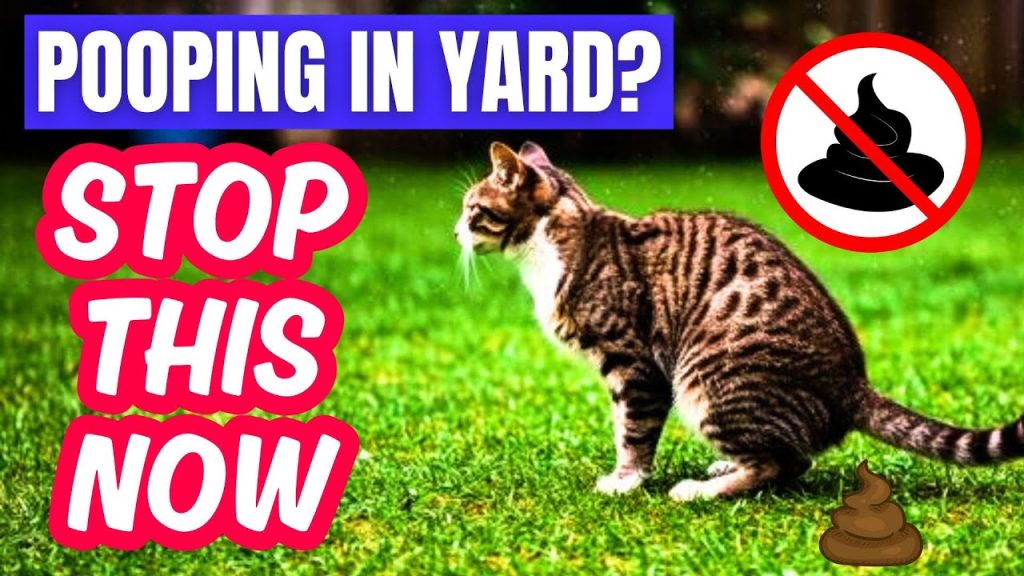
Are you tired of finding unwelcome surprises in your garden? Cats are adorable, but when they turn your lovely garden into their personal litter box, it’s a different story.
You might feel frustrated or even at a loss about how to stop this behavior. But don’t worry—you’re not alone, and there are effective solutions to reclaim your garden. This guide will show you simple, proven methods to deter cats from pooping in your garden, transforming it back into the serene, cat-free space you intended.
Keep reading to discover how you can enjoy your garden without the unwanted mess, while understanding the feline behavior that led them there in the first place.

Credit: www.facebook.com
Identify The Culprit
Identify the Culprit Determine which cat is causing the problem. Use a camera or observe the garden closely. Identifying the cat helps in applying the right solution to deter it effectively.
Identifying the feline culprit responsible for turning your garden into a litter box can be a challenging yet essential task. Pinpointing the cat will help you tailor solutions effectively. Is it your neighbor’s cat, a stray, or even your own? Understanding its behavior and monitoring visits can reveal a lot.Observe Cat Behavior
Begin by observing any cats that frequent your garden. Are there specific times they appear? Do they seem territorial, or are they just passing by? Watch how they interact with your garden. Are they digging, sniffing, or marking certain areas? Recognizing patterns can help you identify not just any cat, but the one leaving unwanted surprises.Use Cameras For Monitoring
Setting up cameras can be an effective way to monitor feline visitors. Place cameras strategically to cover different angles of your garden. This will capture any cat activity with ease. Footage can provide crucial insights into the culprit’s habits. You’ll see their entry points, preferred spots, and times of visit, helping you devise a plan to keep them away. Have you considered using a simple smartphone setup or even motion-activated cameras? This can be a game-changer in your quest to reclaim your garden.Natural Deterrents
If you’ve been frustrated by cats turning your garden into their personal restroom, you’re not alone. Many gardeners face this challenge and seek natural solutions to keep their green spaces pristine. Using natural deterrents can be both effective and environmentally friendly, ensuring your garden remains a haven for plants, not pests.
Plants Cats Dislike
Certain plants are known to repel cats due to their strong scents or textures. Consider planting these around the perimeter of your garden or in areas where cats frequently visit. Lavender, for instance, not only adds a lovely fragrance to your garden but is also a natural cat deterrent.
Another great option is the “Scaredy Cat Plant” (Coleus canina). Its distinct smell is off-putting to cats, making it an excellent choice for keeping them at bay. Rosemary, with its woody scent, also does the trick and doubles as a delightful addition to your kitchen herbs.
Essential Oils And Sprays
Essential oils can be a powerful tool in your anti-cat arsenal. Dilute oils like citrus, eucalyptus, or peppermint in water and spray the mixture around your garden. These scents are often too strong for cats, persuading them to find other places to roam.
Be cautious with the concentration of oils, as too much can harm plants or soil. A few drops mixed with water should suffice. If you’re looking for a ready-made solution, consider commercial cat repellents that use natural ingredients.
Have you tried any of these methods in your garden? Share your experiences and let us know what worked best for you. Every garden is different, and finding the right balance of natural deterrents could make all the difference.
Physical Barriers
Physical Barriers Set up fences or netting around your garden to keep cats out. Use prickly plants or stones to deter them. These barriers can create a cat-free zone effectively.
Physical barriers can keep your garden free from unwanted feline visitors. These barriers create a physical obstacle that deters cats from entering and using your garden as a litter box. They are effective and can be aesthetically pleasing, blending seamlessly into your garden design.Fences And Netting
Fences can be a solid deterrent for cats. Choose a height that cats cannot easily jump over. Consider adding netting to the top for extra security. Netting can be draped over plants and flower beds. It prevents cats from digging and settling in. Netting is also discreet and does not spoil the garden’s look.Garden Mulches And Textures
Cats dislike certain textures under their paws. Use mulches like pinecones or rough gravel. These textures make it uncomfortable for cats to walk or dig. Spread them across the garden beds. You will create an unwelcoming environment for cats. Choose natural mulches for an eco-friendly option. They deter cats and enhance soil health.
Credit: uk.style.yahoo.com
Ultrasonic Devices
Ultrasonic devices can deter cats from pooping in gardens. They emit high-frequency sounds cats dislike. Safe and effective, these devices are a popular choice for keeping gardens clean.
Sometimes, no matter how charming cats are, they can become a nuisance when they decide your garden is their personal litter box. If you’re tired of cleaning up after neighborhood felines, ultrasonic devices might be the solution you’ve been seeking. These handy gadgets offer a humane way to deter cats from your garden without causing them any harm.How They Work
Ultrasonic devices emit high-frequency sounds that are unpleasant to cats, but usually inaudible to humans. This sound creates an uncomfortable environment for cats, discouraging them from entering your garden. The beauty of these devices is that they require minimal effort once installed, providing a set-it-and-forget-it solution to your feline problem.Placement And Effectiveness
Proper placement is crucial for ultrasonic devices to be effective. Consider positioning them near entry points where cats frequently visit your garden. It’s wise to test a few different spots to determine which area yields the best results. Effectiveness can vary, but many users report a significant decrease in unwanted feline visitors. Some cats might be more stubborn, requiring additional deterrents. How would you feel about finally seeing your garden flourish without the constant worry of cat visits? Incorporating ultrasonic devices into your garden care routine can help maintain the peace, allowing you to enjoy your outdoor space without interruptions.Behavioral Training
Behavioral training can transform your garden into a cat-free zone. Cats are creatures of habit and can learn new behaviors. With patience and consistency, you can guide your cat to use designated areas for its needs.
Encouraging Litter Box Use
Ensure the litter box is clean and appealing. Cats avoid soiled boxes. Place it in a quiet, accessible location. If your cat prefers the garden, try using a similar substrate in the litter box. Gradually introduce changes to the litter material if needed. This makes the transition smoother. Observe the cat’s behavior closely. Adjust the environment based on its preferences.
Rewarding Positive Behavior
Positive reinforcement is key in training cats. Offer treats when the cat uses the litter box. Praise and pet your cat during successful attempts. Consistent rewards make the behavior stick. Use toys or play sessions as incentives. Cats associate these rewards with desired actions. Over time, this forms a habit. Avoid punishing the cat for mistakes. It can cause stress and confusion.
Cat Repellent Products
Cats are adorable but their garden habits can be frustrating. Cat repellent products can help keep your garden clean and cat-free. These products are designed to deter cats safely, offering peace of mind. Below, explore commercial and homemade solutions to stop cats from pooping in your garden.
Commercial Repellents
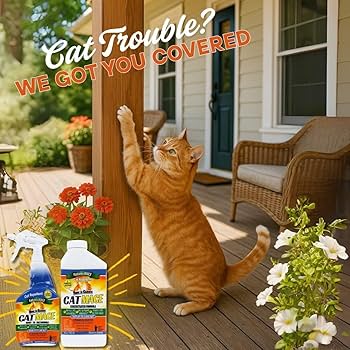
Commercial repellents offer a quick solution. They come in sprays, granules, and ultrasonic devices. Sprays create an unpleasant scent for cats. Granules are sprinkled on the soil, keeping cats away. Ultrasonic devices emit sounds only cats hear, scaring them off.
Look for products labeled safe for pets. Check reviews to find effective options. Most commercial repellents need regular application. Follow instructions for best results.
Homemade Solutions
Homemade solutions are cost-effective and easy to prepare. Citrus peels work well; cats dislike the smell. Spread them around your garden to keep cats away. Vinegar and water can be used as a spray. Mix equal parts and spray the perimeter.
Coffee grounds and pipe tobacco deter cats. Sprinkle them in your garden beds. Essential oils like lavender or peppermint can be mixed with water as a spray. Ensure oils are safe for plants before use.
Community Solutions
Keeping your garden free from cat poop involves community collaboration. Engaging with those around you can lead to effective solutions. Community efforts not only address the problem but also strengthen neighborhood bonds.
Engaging With Neighbors
Talk to your neighbors about the issue. They might not know their cat visits your garden. A friendly chat can lead to simple changes. Suggest keeping their cats indoors more often. Share tips for keeping cats out of gardens. This can include using natural repellents or barriers.
Organize a neighborhood watch for stray cats. Work together to find ways to keep them away. This could involve setting up deterrents around the area. Many solutions work better when more people are involved.
Tnr Programs
Trap-Neuter-Return (TNR) programs help control stray cat populations. These programs catch, neuter, and return cats to their habitat. This reduces the number of kittens born in the community. Fewer stray cats mean less poop in gardens.
Check if local organizations run TNR programs. Support or participate in their efforts. Educating others about TNR can also make a big difference. Encourage the community to be involved. Together, you can create a cleaner, safer environment.
Credit: www.amazon.com
Maintaining A Clean Garden
Preventing cats from using your garden as a litter box can be simple. Use citrus peels to deter them. Planting lavender or rosemary can also keep them away.
Maintaining a clean garden not only enhances its beauty but also discourages cats from turning it into their personal litter box. A well-kept garden sends a signal that it’s a human-managed space, not a free-for-all area for neighborhood cats. Let’s explore practical steps to keep your garden pristine and cat-free.Regular Cleaning Routine
A regular cleaning routine is key to keeping your garden uninviting for feline visitors. Begin by regularly raking leaves and removing debris. This not only beautifies your space but also eliminates potential hiding spots for cats. Make it a habit to check for any signs of cat activity, like droppings or digging. Promptly remove waste and cover any exposed soil with mulch or stones. These actions deter cats who prefer loose, soft soil for their business. Consider your personal experience: have you ever noticed how a cluttered area is more attractive to unwanted guests? The same goes for your garden. Keep it tidy, and you’ll reduce the risk of a feline invasion.Removing Attractants
Identify and remove any attractants that might be luring cats to your garden. Are you leaving out food scraps or pet food? Ensure these are securely covered or disposed of properly. Cats are curious creatures, often drawn to gardens with strong scents or certain plants. Consider replacing plants like catnip or valerian with cat-repelling varieties such as lavender or rosemary. Finally, think about water sources. Standing water can attract not just cats, but other pests too. Ensure birdbaths or water features are maintained and clean, minimizing their appeal to thirsty felines. These small changes can make a significant difference. What attractants might you be unknowingly providing? Taking these steps can help reclaim your garden from becoming the local cat hotspot.Frequently Asked Questions
How Do I Stop Neighbours Cat Pooing In My Garden?
Place citrus peels or coffee grounds around your garden to deter cats. Install motion-activated sprinklers to scare them away. Use non-toxic cat repellents available at pet stores. Plant lavender or rue, as cats dislike their smell. Create a designated litter area with sand to attract them there instead.
What Smell Will Deter Cats From Pooping?
Cats dislike the smell of citrus, eucalyptus, and vinegar. Use lemon or orange peels, eucalyptus oil, or diluted vinegar to deter them. These scents are safe and effective for keeping cats away from unwanted areas. Regularly refreshing these scents ensures continued deterrence.
How Can I Deter Cats From My Garden Naturally?
Use natural deterrents like citrus peels, coffee grounds, or vinegar. These scents are unpleasant to cats. Additionally, plant lavender or rosemary, which cats dislike. Installing motion-activated sprinklers can also help. These methods are eco-friendly and keep your garden safe from feline intruders.
What Smells Do Cats Hate In Gardens?
Cats dislike strong scents like citrus, lavender, and vinegar. Sprinkling these around your garden can deter them. Coffee grounds and eucalyptus oil are also effective. These natural repellents can help keep your garden cat-free without causing harm to the animals.
Conclusion
Creating a cat-free garden is achievable with patience and strategy. Use natural repellents. Try placing citrus peels around the garden. Install motion-activated sprinklers for a surprise element. Consider wire mesh to protect soil. Train your cat with positive reinforcement. Offer a litter box nearby.
Work on creating a safe space for them. Keep plants healthy and soil clean. Protect your garden with simple methods. Experiment to find what works best for your situation. Remember, every cat is unique. Consistency is key. Enjoy your garden without worry.
Your efforts will pay off.


