Imagine stepping into your backyard and being greeted by a lush, thriving garden where vegetables and flowers flourish. Raised garden beds can turn this dream into reality.
They are perfect for you if you want to garden without the hassle of poor soil or if you simply want to add a neat, organized look to your outdoor space. You’re about to discover how easy it is to start your own raised garden beds.
This guide will help you transform a simple patch of land into a productive oasis, whether you’re a seasoned gardener or a curious newbie. By the end of this article, you’ll not only know how to build these garden beds but also understand why they could be the best thing you do for your garden. So, are you ready to dig in and see your garden dreams come to life? Keep reading to uncover the secrets of successful raised garden beds.
Choosing The Right Location
Choosing the right location for your raised garden bed is crucial. It ensures your plants thrive and your gardening experience is enjoyable. Consider sunlight, accessibility, and soil drainage. These factors make a big difference.
Sunlight Requirements
Plants need sunlight to grow. Most vegetables require at least six hours of sunlight daily. Observe your yard and identify sunny spots. Avoid shaded areas from trees or buildings. This guarantees your plants receive enough light.
Accessibility And Convenience
Place your garden bed near your home. This saves time and effort. You can easily water, maintain, and harvest your plants. Avoid locations far from your house. Make sure there’s enough space to move around the bed. This simplifies gardening tasks.
Soil Drainage Considerations
Good drainage prevents waterlogging. Choose a location with well-draining soil. Test your soil by digging a small hole and filling it with water. If it drains quickly, it’s suitable for gardening. Avoid areas with heavy clay or poor drainage.
Selecting The Ideal Materials
Picking the right materials is crucial for durable raised garden beds. Choose rot-resistant wood, stone, or metal. Ensure materials offer good drainage and soil retention for healthy plant growth.
Selecting the right materials is vital for building raised garden beds. The materials you choose affect durability, aesthetics, and environmental impact. Various options are available, each with unique benefits. Consider your budget, climate, and style preference when choosing materials.Wood Options
Wood is a popular choice for raised garden beds. Cedar and redwood are durable and resistant to rot. They contain natural oils that protect against decay. Pine and fir are more affordable but may require treatment. Use untreated wood to avoid chemicals in your soil.Metal And Stone Alternatives
Metal options like galvanized steel offer a modern look. They are long-lasting and withstand harsh weather. Stone provides a rustic appeal and excellent durability. Options include bricks, concrete blocks, or natural stones. Both metal and stone can be more expensive but offer great longevity.Recycled And Eco-friendly Choices
Recycled materials are budget-friendly and sustainable. Reclaimed wood, old bricks, or recycled metal are great choices. Consider composite lumber made from recycled plastics and wood fibers. It’s durable, resistant to rot, and eco-friendly. Choose materials that align with your values and garden style.Determining The Size And Shape
Determining the size and shape of your raised garden bed depends on available space and plant needs. Choose a location with good sunlight and drainage. Ensure paths are accessible for easy maintenance.
Determining the size and shape of your raised garden beds is a crucial step in setting up a successful gardening space. Your choices here will influence not only the aesthetic appeal of your garden but also its functionality and productivity. Whether you’re working with a sprawling backyard or a compact urban space, finding the right balance between size and shape can enhance your gardening experience and yield.Standard Dimensions
Most gardeners opt for standard dimensions when constructing raised beds. A typical size is 4 feet wide, allowing you to reach the center without stepping into the bed. Length can vary, but 6 to 8 feet is common. This size is manageable for most people and allows for efficient use of materials. If you’ve ever tried maneuvering through narrow rows, you’ll appreciate the comfort of these dimensions. It’s about making gardening less of a chore and more of a pleasure. Could this be the perfect fit for your space?Custom Designs
Custom designs are the way to go if your space demands creativity. Think curves, L-shapes, or even hexagons. These shapes can transform an ordinary garden into a unique landscape. Imagine a garden that reflects your personality. Custom designs allow you to tailor the space to your needs, whether you want to create a whimsical fairy garden or a sleek modern look. Why settle for traditional when you can have a garden that’s as unique as you?Space Optimization
Optimizing space is essential, especially if you’re working with limited real estate. Vertical gardening is a clever trick for small spaces, utilizing every inch effectively. Use tiered beds or incorporate trellises to grow upwards. This technique maximizes your harvest without expanding your footprint. Are you making the most of your available space, or is there room for improvement in your garden design?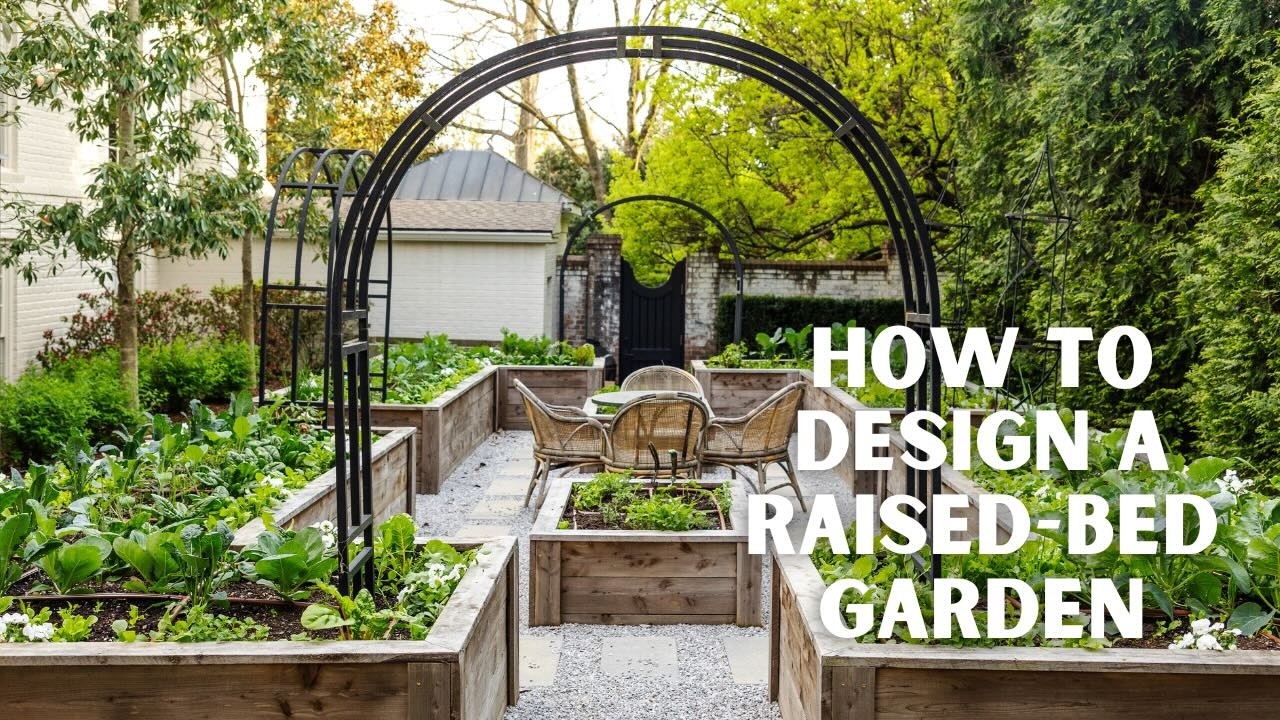
Credit: www.youtube.com
Preparing The Ground
Choose a sunny spot with good drainage for your raised garden beds. Clear weeds and debris, ensuring the area is level. Add nutrient-rich soil to promote healthy plant growth.
Preparing the ground for your raised garden beds is a crucial step that can make or break your gardening success. It’s like laying a solid foundation for a house; everything else relies on it. If you dream of lush vegetables and vibrant flowers, the effort you put into this stage will pay off in spades. Imagine stepping into your backyard and seeing a neat row of thriving plants, all because you took the time to prepare the ground properly. Let’s dive into the essential tasks to set the stage for your garden masterpiece.Clearing The Area
Clearing the area is where the real transformation begins. Start by removing any debris, rocks, or old plant matter from the site. You’ll want a clean slate so your raised beds can shine. Remember, each stone you remove is one less obstacle for your plants. Could you imagine your garden’s potential if you cleared every inch with care?Weed Prevention Techniques
Weeds are like uninvited guests that refuse to leave. Implementing effective weed prevention techniques can save you countless hours of frustration later. Consider laying down a weed barrier fabric before you build. This simple step can be the difference between enjoying your garden and waging war against unwanted growth. Have you thought about how much easier gardening could be without the constant battle against weeds?Leveling The Surface
Leveling the surface ensures your raised beds sit evenly, promoting better water drainage and root growth. Use a rake or shovel to even out the soil. A level bed means your plants will have an equal opportunity to thrive. Picture your garden where water doesn’t pool and roots spread freely. What kind of harvest could you expect if every plant had optimal growing conditions? By preparing the ground meticulously, you’re setting the stage for a thriving raised garden bed. Each task you complete brings you closer to the garden you’ve always wanted.Building The Structure
Choose a sunny spot for your raised garden bed. Use materials like wood or stone to build the frame. Ensure the bed has good drainage and is filled with quality soil to support plant growth.
Building the structure of your raised garden bed is a pivotal step in bringing your gardening dreams to life. A well-built structure ensures that your plants have a solid foundation to thrive. Whether you’re a seasoned gardener or a beginner, constructing a raised garden bed can be a rewarding project that adds beauty and productivity to your outdoor space.Tools And Equipment Needed
To get started, gather essential tools and materials. You’ll need:- Measuring tape
- Hammer or drill
- Saw (hand saw or power saw)
- Wooden planks (cedar or redwood recommended)
- Wood screws or nails
- Level
- Work gloves
- Protective eyewear
Step-by-step Construction Guide
Start by selecting a location with plenty of sunlight and good drainage. Once you’ve chosen your spot, measure and mark the dimensions of your garden bed with stakes and string. This ensures accuracy and helps visualize the final outcome. Next, cut your wooden planks to the desired lengths. A standard size for a raised bed is 4 feet by 8 feet, but feel free to adjust based on your available space. Assemble the frame by joining the planks at the corners using screws or nails, ensuring they are flush and secure. After constructing the frame, place it in your desired location and use a level to check that it sits evenly on the ground. If necessary, adjust the soil underneath to achieve a level surface. This step is crucial to prevent water runoff and promote even plant growth.Safety Tips
Safety should be a priority throughout the construction process. Always wear protective eyewear and gloves to shield against splinters and debris. Ensure your workspace is clear of obstructions to prevent accidents. Double-check that your tools are in good working condition before you begin. Consider enlisting a helping hand. Having someone assist can make the job easier and safer, especially when handling heavy or awkward materials. Building your raised garden bed is more than just a task—it’s an opportunity to create a nurturing environment for your plants. How will you transform your outdoor space into a flourishing garden oasis?Filling With Soil
Begin by selecting quality soil to fill your raised garden beds. Ensure the soil is rich in nutrients and drains well. Mixing compost with topsoil can enhance its fertility, promoting healthy plant growth.
Filling your raised garden beds with soil is an essential step. The right soil mix ensures healthy plant growth. Good soil promotes root development and nutrient absorption. Let’s explore the key aspects of filling your raised beds with soil.Soil Composition Basics
Understanding soil composition is crucial. Your soil should have a balance of sand, silt, and clay. Sand provides drainage, while clay holds nutrients. Silt gives your soil structure. A loamy mix, with equal parts sand, silt, and clay, is ideal. This composition supports water retention and root growth.Mixing Organic Matter
Organic matter enriches the soil. It improves soil structure and adds nutrients. Compost is a great choice. It helps retain moisture and boosts fertility. Incorporate aged manure for additional nutrients. These organic materials enhance soil health and encourage plant growth.Layering Techniques
Layering soil is effective. Start with a base layer of coarse materials. Use gravel or broken pottery for drainage. Add a layer of topsoil next. This provides nutrients for plants. Finish with a layer of mulch. Mulch retains moisture and regulates temperature. These layers create a thriving environment for your plants.Choosing Plants For Your Garden
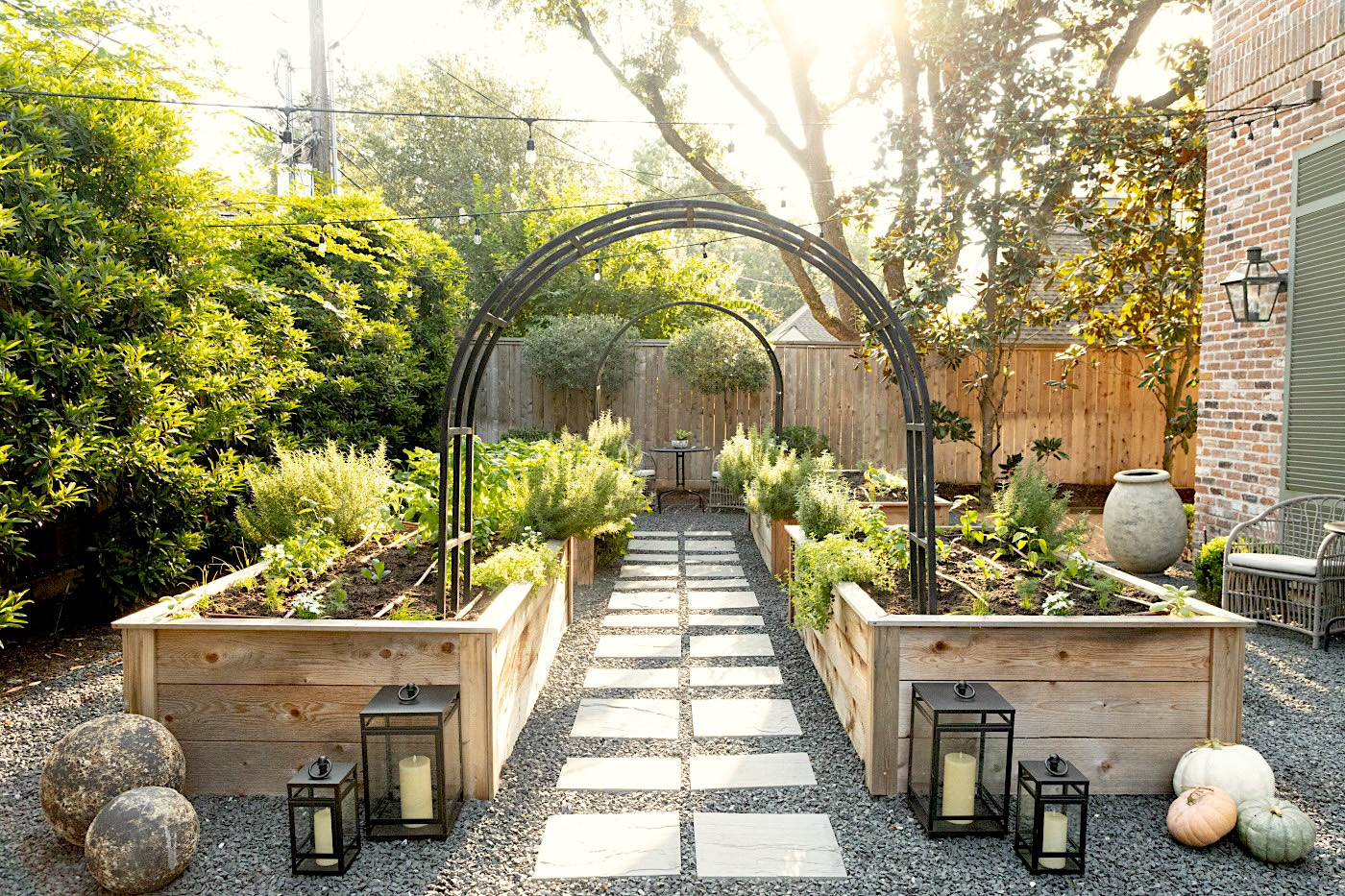
Selecting the right plants for raised garden beds can be exciting. Consider climate, soil type, and sunlight availability. Choose plants that thrive together for a flourishing garden.
Choosing the right plants for your raised garden bed is key. It’s important to consider your climate, space, and goals. Whether you’re growing vegetables, herbs, or flowers, thoughtful planning ensures a thriving garden.Vegetables And Herbs
Vegetables are a popular choice for raised beds. Opt for easy-to-grow varieties. Tomatoes, lettuce, and carrots are great options. Herbs like basil and cilantro add flavor to meals. Choose plants that match your culinary needs.Flowers And Ornamentals
Flowers bring color and life to your garden. Marigolds are vibrant and deter pests. Sunflowers provide a sunny touch and attract pollinators. Ornamentals can enhance the garden’s beauty. Pick plants that thrive in your local climate.Companion Planting Suggestions
Companion planting boosts plant health. Pairing certain plants can reduce pests. Basil grows well with tomatoes, improving growth and flavor. Marigolds protect other plants from harmful bugs. Explore combinations that benefit your garden.Maintaining Your Raised Beds
Maintaining raised garden beds involves regular checks and care. Remove weeds to keep your plants healthy. Ensure proper watering and drainage for optimal growth. Mulch helps retain moisture and prevents weed growth, making maintenance easier. Regularly check soil health and add compost for nutrient-rich beds.
Maintaining your raised garden beds is the key to ensuring they flourish throughout the growing season. With a few simple practices, you can keep your plants healthy and productive. From watering to pest management, let’s dive into some essential tips to make your garden thrive.Watering Best Practices
Proper watering is crucial for your raised beds. Aim to water deeply but infrequently to encourage roots to grow strong and deep. A good rule of thumb is to water when the top inch of soil feels dry. Consider using drip irrigation for consistent moisture without over-saturating. This method saves time and ensures your plants get the right amount of water. Have you ever thought about collecting rainwater for your garden? It’s an eco-friendly way to keep your beds hydrated.Fertilization And Mulching
Adding nutrients to your soil is vital for plant growth. Use a balanced organic fertilizer to provide essential nutrients. Applying compost is another excellent way to boost soil health. Mulching is your best friend in maintaining moisture and reducing weeds. Organic mulches like straw or wood chips work wonders. They not only conserve water but also enrich the soil as they break down.Pest And Disease Management
Keeping pests at bay can be a challenge. Start by inspecting your plants regularly for signs of trouble. Handpick visible pests like caterpillars or snails. For persistent problems, consider natural solutions. Neem oil or insecticidal soap can effectively manage pests without harming your plants. What strategies do you use to protect your garden from diseases? Rotating crops and ensuring good air circulation can prevent common issues like mildew and blight. Maintaining your raised beds doesn’t have to be daunting. With these practical tips, your garden will be well on its way to a bountiful harvest.Seasonal Care And Adjustments
Raised garden beds require specific care throughout the seasons. Each season presents unique challenges and opportunities for your garden. Proper adjustments ensure a thriving garden all year round. Let’s explore how to care for your garden beds as the seasons change.
Spring Preparations
Spring breathes new life into your garden. Begin by removing winter debris from your raised beds. Clear away fallen leaves and branches. This allows sunlight to reach the soil. Inspect the soil for compaction. Loosen it with a garden fork to enhance drainage. Add compost or organic matter to enrich the soil. This boosts nutrients for upcoming plant growth.
Plan your planting layout. Consider companion planting to deter pests naturally. Check your tools and repair any damages. Ensure you have seeds ready for planting. Spring is also the time to install new garden structures or supports. These help as plants grow tall and heavy.
Summer Maintenance
Summer heat can stress your plants. Water your garden beds deeply but infrequently. This encourages roots to grow deeper. Mulch your beds to conserve moisture and suppress weeds. Regularly check for pests and diseases. Remove affected plants to prevent spread.
Support tall plants with stakes or cages. This prevents damage from strong winds. Harvest crops regularly to encourage more production. Keep an eye on soil nutrient levels. Add a balanced fertilizer if necessary. Summer is a great time to enjoy the fruits of your labor.
Fall Cleanup And Winterization
As temperatures drop, prepare your garden for winter. Remove dead plants and debris to prevent disease. Harvest the last of your summer crops. Add fallen leaves to your compost pile. They break down and enrich your soil.
Cover your beds with mulch or straw. This protects the soil from erosion and temperature extremes. Consider planting cover crops. They improve soil health and prevent weeds. Check and clean your tools before storing them. Proper care in fall ensures a strong start next spring.
Credit: www.gardenary.com

Credit: www.yahoo.com
Frequently Asked Questions
What Do You Put In The Bottom Of A Raised Garden Bed?
Place cardboard or newspaper to suppress weeds at the bottom. Add a layer of gravel for drainage. Fill with compost, topsoil, and organic matter to enrich the soil. Ensure materials are biodegradable and healthy for plants. This foundation promotes better growth and prevents soil erosion.
How Do You Prepare The Ground For Raised Beds?
Start by clearing grass and weeds from the area. Loosen the soil using a shovel or tiller. Add compost or organic matter to enrich the soil. Level the surface and outline your raised bed with wood or stone. Ensure proper drainage by slightly elevating the bed.
What Vegetables Should Not Be Grown In A Raised Bed?
Avoid growing large-rooted vegetables like potatoes, carrots, and parsnips in raised beds. They require deep soil. Corn isn’t ideal due to space needs. Vining crops like pumpkins and squash can overtake space, making them unsuitable for raised beds. Ensure sufficient room for sprawling plants.
What Is The First Layer Of A Raised Garden Bed?
The first layer of a raised garden bed is often cardboard or newspaper. This layer suppresses weeds. It also aids in moisture retention. Next, add organic material like straw or leaves. This forms a base for the soil and enriches it over time.
Conclusion
Raised garden beds offer many benefits. They boost plant health and simplify gardening tasks. Starting one is easier than you might think. Begin with choosing the right spot. Plan the size and materials carefully. Follow steps to build and fill the beds.
Plant wisely to enjoy fresh produce. Raised beds suit any garden space. They allow better control over soil and water. Soon, you’ll see the fruits of your labor. Gardening becomes enjoyable and rewarding. Dive into the world of raised beds today.
Experience nature’s beauty right in your backyard. Happy gardening!