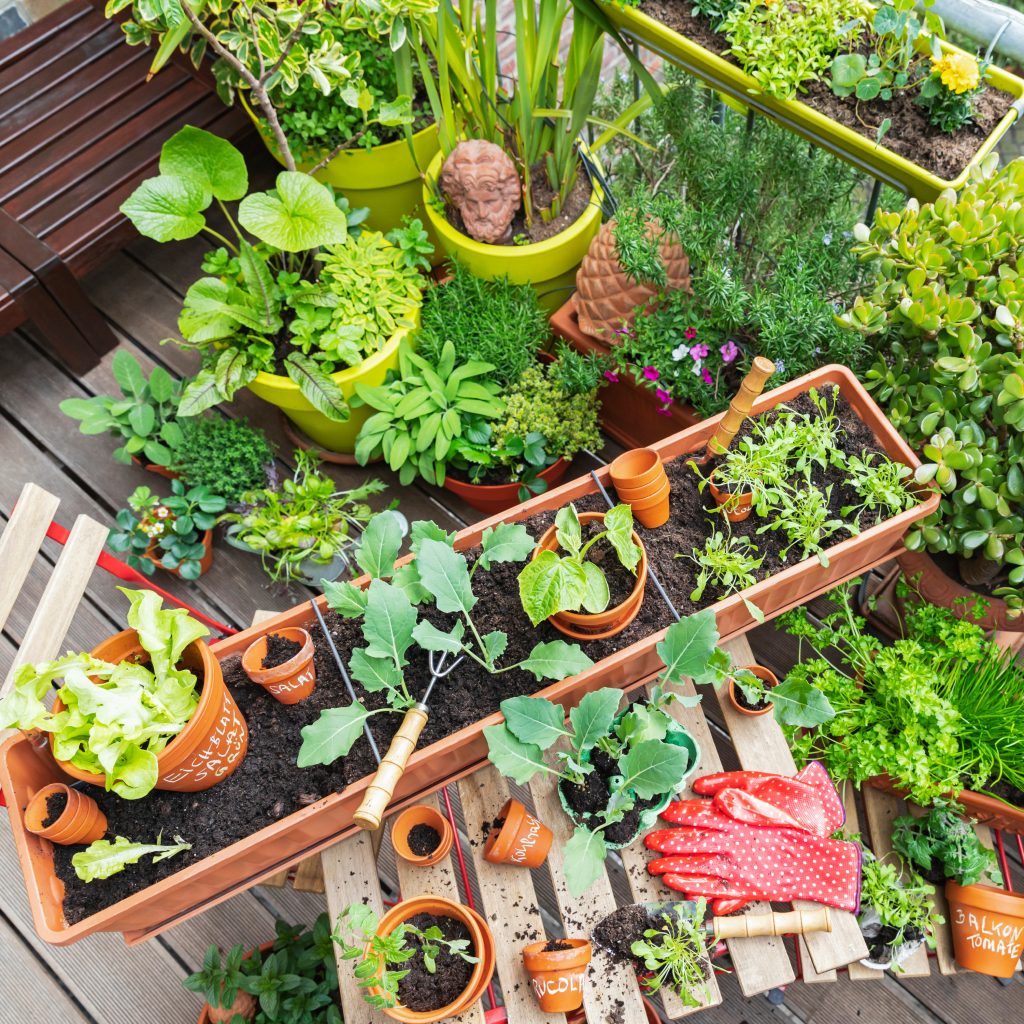
Imagine stepping out onto your balcony or patio and being greeted by a lush, vibrant mini-garden, full of fresh vegetables ready to be harvested. Sounds like a dream, right?
But here’s the good news: it’s entirely possible, and you don’t need a sprawling backyard to do it. By starting a vegetable garden in pots, you can enjoy homegrown produce no matter how much space you have. Maybe you’re craving the taste of fresh tomatoes or the satisfaction of picking your own herbs for dinner.
Or perhaps you’re looking to save money and eat healthier by reducing your reliance on store-bought veggies. Whatever your motivation, starting a vegetable garden in pots is the perfect solution. It’s easy, convenient, and rewarding. In this guide, you’ll discover everything you need to know to get started. From choosing the right pots and soil to selecting the best vegetables for your space, we’ll cover it all. Stick around, and you’ll learn how to transform your small space into a thriving garden oasis. Ready to dig in? Let’s get started!

Credit: www.thenewstribune.com
Choosing The Right Containers
Choosing the right containers for your vegetable garden in pots is crucial to the success of your gardening adventure. The containers you select will directly impact the growth and yield of your plants. They need to provide the appropriate space, drainage, and support. Whether you’re a seasoned gardener or a newbie, understanding the nuances of pot selection can make all the difference. What kind of containers are best for your plants?
Types Of Pots
Pots come in a variety of materials, each offering distinct advantages. Plastic pots are lightweight and retain moisture well, which is ideal for hot climates. They are also usually more affordable. Terracotta pots, on the other hand, breathe better, allowing for excellent air circulation, but they can dry out quickly. Ceramic pots add aesthetic appeal but are heavier and may require extra care during winter months. Consider how each type will fit into your gardening space and lifestyle.
Size And Depth Considerations
Size matters when selecting pots for your vegetable garden. Larger pots allow roots to spread and grow, promoting healthier plants. Deep pots are perfect for root vegetables like carrots and potatoes, while shallow ones suit leafy greens. If you’re aiming for tomatoes or peppers, think big—these plants thrive in spacious containers. Don’t forget to factor in your available space; you want to ensure there’s room for your garden to flourish without overcrowding.
Choosing the right container is more than just picking what’s available or what looks good. It’s about understanding your plants’ needs and ensuring they have the best possible environment to thrive. What will you choose to give your garden the best start?
Selecting Suitable Vegetables
Choosing vegetables for pot gardening requires careful consideration of space and growth habits. Opt for compact varieties like cherry tomatoes, peppers, or herbs. Select vegetables that thrive in limited soil, ensuring a successful container garden.
Selecting the right vegetables for your potted garden is key to success and satisfaction. While you might be tempted to grow every vegetable you love, it’s important to consider which ones will thrive in pots. Not all veggies are suited for container gardening, and understanding the best choices can make your gardening journey both rewarding and productive.
Easy-to-grow Options
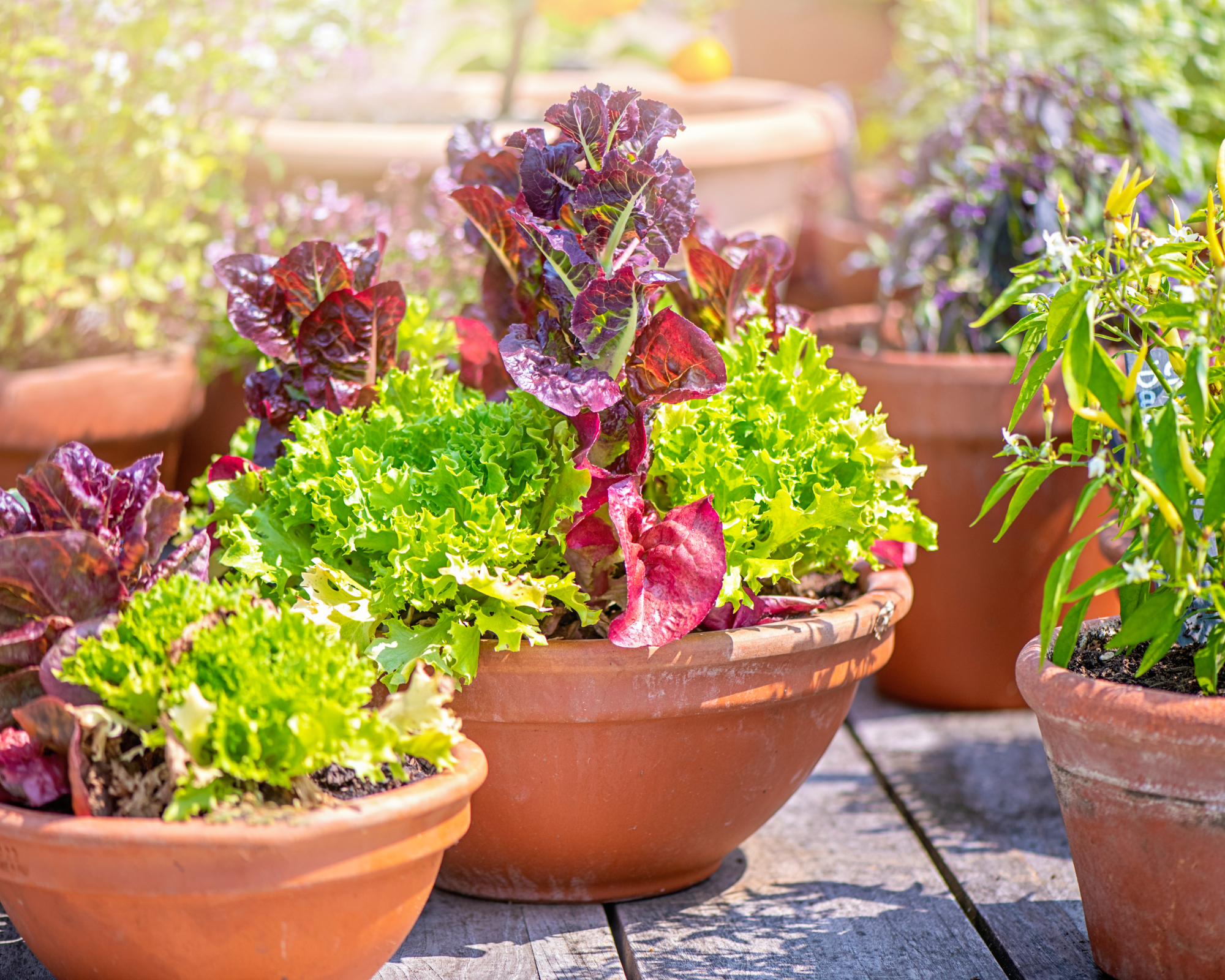
Some vegetables are naturally more forgiving and easier to grow in pots. Leafy greens like spinach, lettuce, and kale are excellent choices. They don’t require deep pots and can provide a continuous harvest. Herbs such as basil, cilantro, and parsley are not only simple to grow but also add flavor to your dishes. They thrive in small spaces and can be tucked into any corner of your patio. Cherry tomatoes are another great option. Their compact size and ability to produce abundant fruit make them ideal for container gardening. Have you ever picked a fresh tomato right from your balcony? The taste is unmatched!
Climate Considerations
Understanding your climate is crucial when selecting vegetables for your pots. If you live in a cooler area, choose veggies that can tolerate lower temperatures, like carrots or radishes. These root vegetables are hardy and can withstand cooler nights. In warmer climates, opt for heat-loving plants like peppers and eggplants. These thrive in the warmth and sunshine, rewarding you with vibrant, colorful harvests. Consider the seasonal changes and the microclimate of your space. Is your balcony shaded or does it bask in sunlight all day? Adjust your choices accordingly to ensure the health and productivity of your garden. By selecting the right vegetables, you set yourself up for a flourishing garden that fits your space and climate perfectly. What will you plant in your pots this season?
Preparing The Soil Mix
Creating the perfect soil mix is essential for growing vegetables in pots. Combine potting soil, compost, and perlite for a balanced mix. This blend provides nutrients and ensures good drainage, promoting healthy plant growth.
Preparing the soil mix is a pivotal step in starting a successful vegetable garden in pots. The right soil mix not only provides essential nutrients but also ensures proper drainage and aeration for your plants. Whether you’re a seasoned gardener or just starting out, understanding what goes into your soil mix can make all the difference.
Essential Ingredients
Your soil mix should be a blend of several key ingredients. Compost is a must-have, as it enriches the soil with organic matter and nutrients. Coconut coir or peat moss is excellent for retaining moisture while keeping the soil light and airy. Perlite or vermiculite improves drainage, preventing waterlogging, which can harm your plants. A bit of sand can also be added for further drainage support. Consider adding a handful of worm castings for an extra nutrient boost. These little gems are packed with beneficial microbes that can enhance plant growth. It’s fascinating how something so small can have such a big impact on your garden!
Diy Potting Soil Recipe
Creating your own potting soil mix is easier than you might think, and it allows you to tailor it to the needs of your specific plants. Start with a base of:
- 2 parts coconut coir or peat moss
- 1 part compost
- 1 part perlite or vermiculite
- Optional: 1 part sand for extra drainage
Mix thoroughly in a large container or wheelbarrow. Ensure all components are evenly distributed to prevent any pockets of excess moisture or nutrient deficiency. Feel free to tweak this recipe as you gain experience. Different plants might prefer slight variations, and experimenting can be part of the fun. You might discover that your tomatoes thrive with a bit more compost, while your herbs flourish with extra sand. How do you know when you’ve nailed the perfect mix? Your plants will tell you. Look for vibrant leaves, steady growth, and healthy produce. Gardening is a journey, and your potting soil is the foundation. Are you ready to dig in and get your hands dirty?

Credit: food52.com
Setting Up Proper Drainage
Proper drainage is crucial to prevent waterlogging in potted vegetable gardens. Ensure pots have holes at the bottom for excess water to escape. Use a layer of gravel or small stones to improve drainage and promote healthy plant growth.
Setting up proper drainage is crucial for a thriving vegetable garden in pots. Potted plants can suffer from waterlogging without adequate drainage. This can lead to root rot and other diseases. Ensuring proper drainage helps maintain healthy plant growth.
Importance Of Drainage
Good drainage keeps the soil from becoming too wet. Wet soil can suffocate roots and cause plant stress. Proper drainage allows excess water to escape. This prevents water from accumulating at the bottom of the pot. It also ensures roots receive the oxygen they need.
Techniques For Improving Drainage
Here are some easy techniques to improve drainage in pots:
- Use Potting Mix:Choose a potting mix, not garden soil. Potting mix is lighter and drains better.
- Add Gravel or Pebbles:Place a layer of gravel or pebbles at the pot’s bottom. This creates space for water to flow out.
- Drill Drainage Holes:Make sure your pot has enough drainage holes. If not, add more holes using a drill.
- Elevate Pots:Place pots on small blocks or stands. This allows water to drain away easily.
Proper drainage ensures your plants stay healthy and vibrant. Your vegetable garden will thank you with a rich harvest.
Planting Techniques
Starting a vegetable garden in pots is simple and rewarding. Choose pots with good drainage and fill them with rich soil. Select easy-to-grow vegetables like tomatoes or peppers for your first planting.
Planting techniques play a crucial role in the success of your vegetable garden in pots. Getting it right from the start can make a big difference in your harvest. Let’s dive into the specifics that will set you on the path to a thriving container garden.
Seed Starting Vs. Seedlings
Choosing between seeds and seedlings is an exciting decision. Seeds offer a wider variety of vegetables and the joy of watching them sprout from the earth. However, they require more patience and care in the early stages. Seedlings, on the other hand, are a great option if you want a head start. They are already past the vulnerable seed stage, making them a bit easier to manage. Reflect on your time and resources to decide which suits your garden best.
Spacing And Depth Guidelines
Proper spacing and depth are vital for healthy plant growth. Too close and plants can compete for nutrients, leading to stunted growth. Too deep, and seeds may struggle to break the surface. Refer to the seed packet for specific guidelines, as each vegetable has unique needs. For instance, carrots need about 2-3 inches between seeds, while tomatoes require more room to spread out. Think of spacing and depth as setting the stage for your plants’ success. With the right balance, you’ll create an environment where your vegetables can thrive.
Watering And Fertilizing
Water your potted vegetable garden regularly to keep the soil moist. Use a balanced fertilizer every few weeks to ensure healthy growth.
Starting a vegetable garden in pots can be a rewarding experience, and getting the watering and fertilizing right is crucial for healthy growth. Have you ever wondered why some plants thrive while others struggle? The secret often lies in how you water and fertilize them. With a few simple tips, you can transform your potted plants into a lush, productive garden.
Watering Frequency
Understanding how often to water your potted plants is key to success. Pots dry out faster than garden beds, especially in hot weather. Feel the soil with your fingers; if it’s dry an inch below the surface, it’s time to water. Consistency is important, but avoid overwatering. Excess water can lead to root rot. Consider using a self-watering pot or a moisture meter for added precision.
Choosing The Right Fertilizer
Selecting the right fertilizer can make a big difference in your plant’s growth. Look for fertilizers specifically designed for container gardens. They often contain a balanced mix of nutrients suitable for limited soil environments. Granular fertilizers provide a slow release, while liquid fertilizers give an immediate boost. Which suits your plants best? Think about the plant’s needs and your watering routine. Remember, too much fertilizer can be as harmful as too little. Always follow the recommended dosage on the package, and adjust based on your plant’s response.
Managing Pests And Diseases
Managing pests and diseases is crucial for a healthy vegetable garden. Potted plants can attract unwanted visitors. Protecting them is essential for growth and yield. Knowing which pests to watch for helps in maintaining a thriving garden.
Common Pests To Watch For
Potted vegetable gardens often face threats from various pests. Aphids are tiny insects that suck plant sap. They can cause leaves to curl and stunt growth. Spider mites are another common pest. They create fine webs and yellow specks on leaves. Caterpillars can also be troublesome. They chew through leaves and can destroy plants quickly.
Slugs and snails are night-time feeders. They leave holes in leaves and shiny trails behind. Whiteflies are small, white-winged insects. They gather on the undersides of leaves and feed on plant juices. Keeping an eye out for these pests helps in taking timely action.
Natural Pest Control Methods
Opt for natural methods to keep pests at bay. Handpicking is effective for larger pests like caterpillars and slugs. Use a pair of gloves and remove them from plants. Introduce beneficial insects, like ladybugs, to your garden. They feast on aphids and other harmful pests.
Neem oil is a natural pest repellent. It disrupts the life cycle of insects without harming plants. Spray it on affected areas to deter pests. Soap and water solution also works well. Mix a mild soap with water and spray on plants. It helps remove pests like aphids and mites.
Planting companion plants can deter pests. Marigolds and basil can repel harmful insects. They protect vegetables like tomatoes and peppers. Keep your garden clean and free of debris. This reduces hiding spots for pests and helps maintain plant health.
Credit: www.gardeningknowhow.com
Maximizing Sunlight Exposure
Place pots in areas with the most sunlight. South-facing spots are ideal for maximum exposure. Rotate pots regularly to ensure even light distribution for healthy growth.
Maximizing sunlight exposure is crucial for the success of your vegetable garden in pots. Sunlight is the primary energy source for plants, enabling them to grow healthy and produce bountiful yields. Whether you’re growing tomatoes, peppers, or leafy greens, ensuring your plants receive ample sunlight can make a significant difference in their growth and productivity. Here’s how you can make the most of sunlight in your potted garden.
Optimal Placement
Consider the sun’s path when placing your pots. Most vegetables thrive in full sunlight, needing at least six to eight hours of direct sunlight daily. Position your pots on a south-facing balcony or patio where they can soak up the most sun. If you’re short on sunny spaces, try moving your pots throughout the day. It might sound like extra work, but this practice can double the sun exposure for your plants. Observing how the sunlight shifts in your garden can also help you choose better spots over time.
Using Reflective Surfaces
Reflective surfaces can amplify the sunlight your plants receive. Consider placing mirrors or aluminum foil around your pots to bounce more light onto your plants. This method is especially useful in shaded areas or during the shorter days of fall and winter. Even simple white walls can serve as excellent reflectors. If you have a fence or wall nearby, painting it white can increase the light available to your plants. Have you ever considered how the color of your garden surroundings could impact plant growth? It might be time to give it a try!
Harvesting Tips
Begin your vegetable garden in pots by selecting the right containers and soil. Choose vegetables that thrive in limited space, like tomatoes or peppers. Ensure proper drainage and sunlight for healthy growth.
Starting a vegetable garden in pots is a rewarding endeavor that brings fresh produce right to your doorstep. As your plants grow, the anticipation of harvesting can be quite exciting. But how do you know when your vegetables are ready to be picked? Here are some practical tips to help you harvest your pot-grown veggies at their peak.
Signs Of Maturity
Recognizing the signs of maturity is key to harvesting at the right time. Look for changes in color and size as indicators. For example, tomatoes should be fully red or yellow, depending on the variety. A mature zucchini will be about 6 to 8 inches long with a shiny skin. Feel the texture of your vegetables. Mature carrots will be firm, not soft. Similarly, beans should snap easily when bent. Pay attention to the plant’s leaves; they often change color or wilt slightly when it’s time to harvest. You can also use your sense of smell. Herbs like basil and cilantro emit a stronger aroma when they’re ready to be picked. Don’t hesitate to taste a small piece to check flavor and tenderness.
Best Practices For Picking
When it’s time to harvest, use clean, sharp scissors or a knife. This ensures a clean cut and helps prevent damage to the plant. Gently hold the vegetable in one hand and cut with the other. This reduces stress on the plant. Harvest in the morning when the vegetables are crisp and hydrated. Picking during the cooler part of the day helps preserve flavor and texture. Avoid harvesting wet plants to prevent the spread of diseases. Store your harvested veggies in a cool, dark place. Use breathable bags or baskets to keep them fresh longer. If you notice any damaged fruits, use them immediately to prevent spoilage. Are there vegetables you’ve struggled to harvest at the right time? Share your experiences or insights in the comments below.
Maintaining Your Garden
Starting a vegetable garden in pots is simple and rewarding. Choose pots with good drainage and fill them with quality soil. Select vegetables like tomatoes, peppers, or herbs that thrive in containers.
Maintaining your vegetable garden in pots can be a rewarding experience, but it does require consistent attention. Just like any thriving garden, your potted plants need care and adjustments to ensure they flourish. While the initial planting is crucial, the ongoing care will determine the success of your gardening venture. With regular routines and smart seasonal strategies, you can enjoy a bountiful harvest right from your patio or balcony.
Regular Care Routines
Regular care is the backbone of a successful potted vegetable garden. Start by checking the moisture levels in your pots. Unlike gardens in the ground, pots can dry out quickly, especially during warm weather. Stick your finger into the soil up to the second knuckle; if it feels dry, it’s time to water. Consider the benefits of mulching. Mulching helps retain moisture and can regulate soil temperature, making it a simple but effective tool. You might use straw, bark, or even small stones as mulch. Don’t forget to feed your plants. Vegetables in pots often require more nutrients due to limited soil volume. Incorporate a balanced liquid fertilizer every couple of weeks to promote healthy growth. Pruning is another critical routine. Regularly trim back any dead or overgrown leaves. This not only keeps your plants tidy but also encourages new growth.
Seasonal Adjustments
Seasonal changes can significantly impact your potted garden. As temperatures rise or fall, your care strategies should adapt. In the summer, plants might need more frequent watering due to increased evaporation. In colder months, consider moving pots to a sheltered location or use protective coverings. Frost can be detrimental to sensitive vegetables, so safeguarding them is crucial. Think about rotating your pots. Seasonal adjustments might also involve repositioning your pots to capture optimal sunlight or avoid harsh winds. What about pests? As seasons change, different pests may become more active. Be vigilant and inspect your plants regularly to catch any unwanted visitors early. Engage with your garden. The more you observe and learn about your potted plants’ needs in different seasons, the more success you’ll have. What adjustments can you make today to ensure a thriving garden tomorrow?
Frequently Asked Questions
What Vegetables Grow Best In Pots?
Tomatoes, peppers, carrots, radishes, and herbs like basil and mint thrive in pots. Leafy greens such as lettuce and spinach also grow well. Ensure proper drainage, sunlight, and regular watering for best results. Compact varieties are ideal for container gardening, providing fresh produce in limited spaces.
How Many Vegetable Plants Can You Put In A 5 Gallon Bucket?
Typically, you can plant 1 tomato or pepper plant in a 5-gallon bucket. For smaller plants like lettuce or spinach, 2-3 plants can fit comfortably. Herbs like basil or parsley can accommodate 3-4 plants. Ensure proper drainage and soil quality for healthy growth.
What Do You Put In The Bottom Of A Container Garden?
Place gravel or small stones at the bottom for drainage. Add mesh or landscape fabric above for soil retention. Ensure proper water flow to prevent root rot. The base layer helps maintain healthy plant growth in container gardens.
When To Start A Container Vegetable Garden?
Start a container vegetable garden in early spring after the last frost. Choose a sunny location for your containers. Use high-quality potting soil and ensure proper drainage. Select vegetables suitable for your climate and container space. Regular watering and fertilizing are essential for healthy growth.
Conclusion
Starting a vegetable garden in pots offers many benefits. It saves space and suits urban living. No garden? No problem. Pots work anywhere. Choose the right vegetables. Consider sun and water needs. Use quality soil for healthy growth. Regular care ensures a fruitful harvest.
Fresh vegetables at your fingertips. Enjoy gardening success. Share the joy with friends. It’s a rewarding journey. Watching plants grow brings happiness. Anyone can start. Simple steps lead to tasty results. Begin today. Enjoy the process. Harvest the rewards. Gardening brings peace and satisfaction.
Embrace the green thumb lifestyle.


