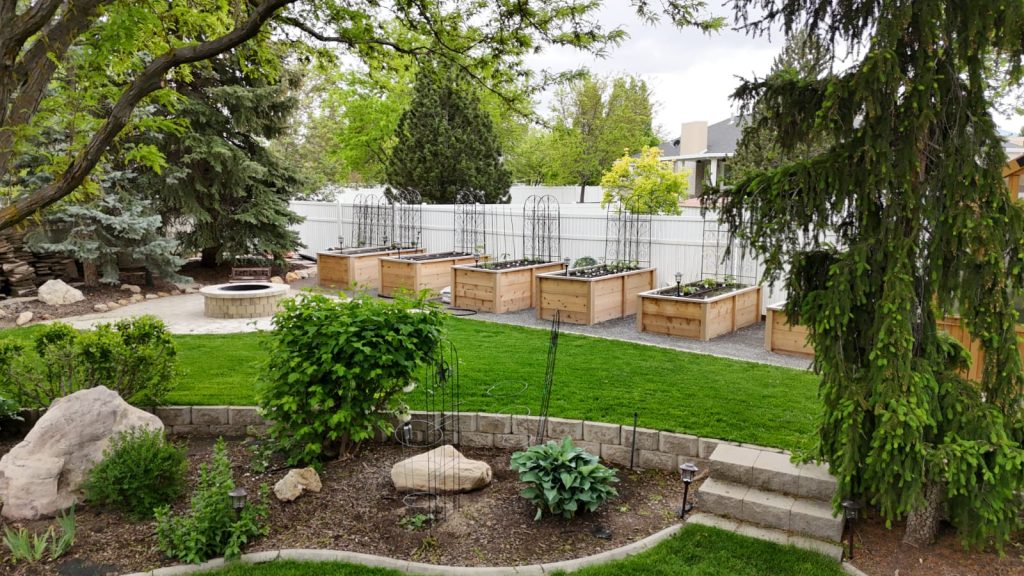
Imagine stepping into your backyard and being greeted by a lush, thriving garden teeming with fresh vegetables, vibrant flowers, and aromatic herbs. Sounds like a dream, right?
Well, it doesn’t have to be. You can turn this vision into reality by starting your very own raised garden bed. It’s easier than you think, and it comes with a host of benefits that will make your gardening experience more rewarding and enjoyable.
Whether you’re a seasoned gardener or a complete beginner, this guide is tailored for you. You’ll discover simple steps and clever tips to create a flourishing raised garden bed that will transform your outdoor space into a personal paradise. Keep reading, and you’ll find that with the right guidance, anyone can cultivate a garden that’s not only functional but also beautiful. Ready to dig in? Let’s get started on your gardening adventure.
Benefits Of Raised Garden Beds
Raised garden beds offer improved soil drainage and healthier plants. They minimize weed growth and make gardening more accessible. Starting a raised garden bed involves choosing a location, building the frame, and filling it with quality soil.
Starting a raised garden bed is a rewarding adventure that brings numerous advantages. These garden beds offer a versatile and efficient way to cultivate a variety of plants, from vibrant flowers to nutritious vegetables. Whether you’re an urban gardener with limited space or just looking for a more manageable gardening solution, raised beds could be your perfect match.
Enhanced Soil Control
In a raised garden bed, you have full control over the soil quality. Unlike traditional gardening, you’re not stuck with your backyard’s native soil. You can choose and add the perfect mix of soil and compost for your plants, ensuring they receive optimal nutrients. This leads to healthier plants and more bountiful harvests.
Improved Drainage
Raised beds naturally improve water drainage. This is especially beneficial if your yard has heavy clay soil that retains water. With better drainage, you can prevent root rot and other water-related plant diseases, ensuring your garden thrives even during rainy seasons.
Ease Of Access
One of the most immediate benefits is the ease of access. Raised beds reduce the need to bend over or kneel, which can be a strain on your back and knees. This makes gardening more enjoyable and accessible, especially for those with mobility issues or who enjoy a more leisurely gardening experience.
Pest And Weed Control
Raised garden beds can help minimize pest and weed problems. By elevating your plants, you create a barrier that deters certain pests. Additionally, the defined borders of a raised bed make it easier to manage and remove weeds, keeping your garden neat and healthy.
Extended Growing Season
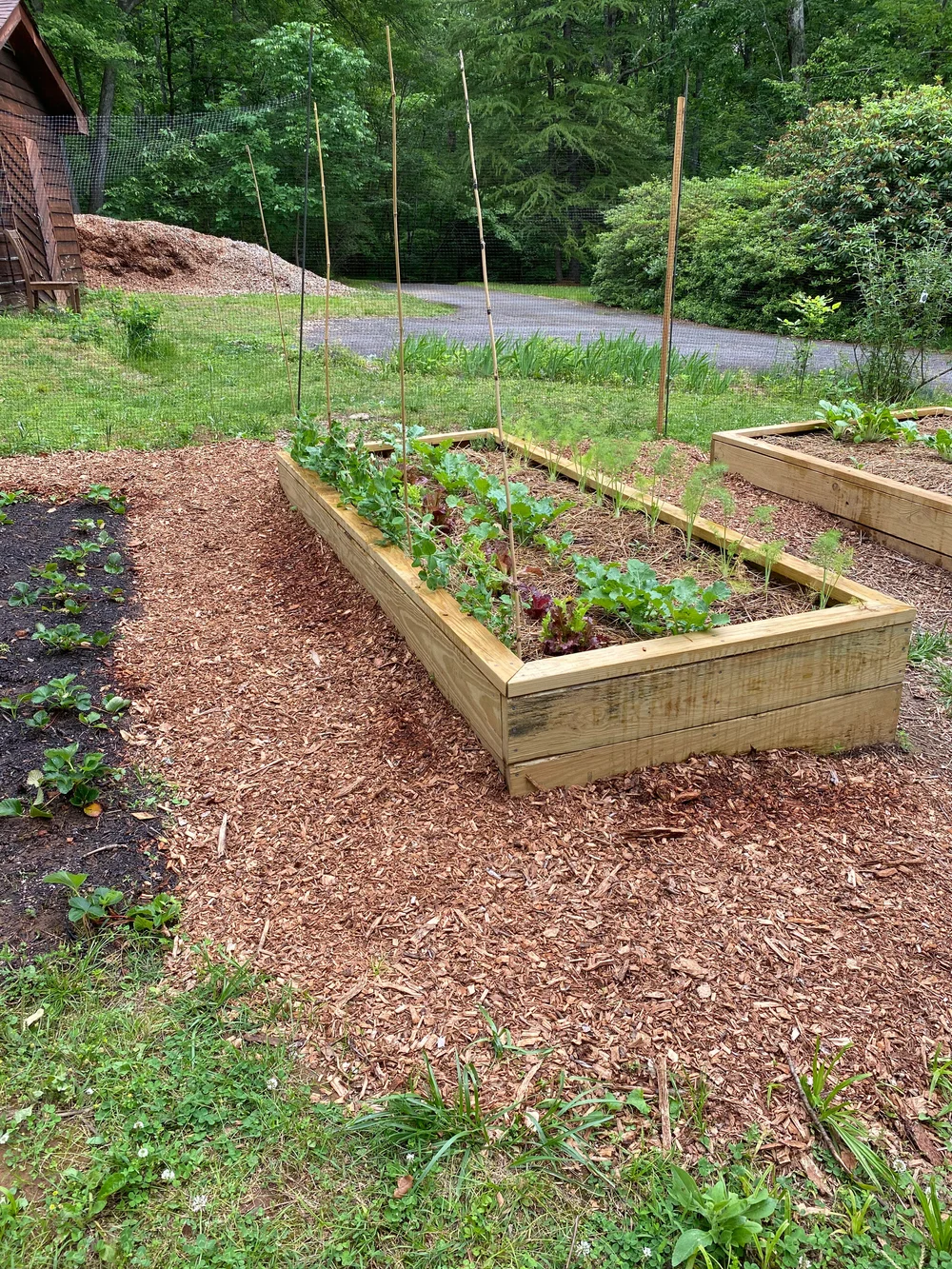
The soil in raised beds warms up faster in the spring, allowing you to start planting earlier. You can also install covers to protect plants from the cold, extending your growing season. This means you can enjoy fresh produce from your garden for a longer period each year. Incorporating raised garden beds into your gardening routine can transform the way you grow plants. Have you considered how these benefits could enhance your gardening experience?
Credit: www.thunderbirddisco.com
Choosing The Right Location
Selecting the ideal spot for a raised garden bed ensures optimal sunlight and drainage. Choose a location with easy access for watering and maintenance. Avoid areas prone to flooding or heavy shade.
Choosing the right location for your raised garden bed is crucial. The perfect spot ensures your plants thrive and yield abundant produce. Several factors influence the ideal location. These include sunlight, accessibility, and drainage. Understanding these elements will help you select the best place.
Sunlight Requirements
Plants need sunlight for photosynthesis. Most vegetables require at least 6-8 hours of direct sunlight daily. Observe your garden area throughout the day. Identify spots with consistent sunlight. Avoid shaded areas caused by trees or buildings. Sun-loving plants like tomatoes or peppers need full sun. Consider the sun’s angle during different seasons.
Accessibility Considerations
Easy access to your garden bed simplifies maintenance. Consider proximity to water sources. You’ll need to water your plants regularly. Ensure you have space to walk around the bed. This makes planting, weeding, and harvesting easier. Think about convenience when transporting tools or soil. Place your garden near a garden shed or storage area.
Drainage Factors
Good drainage prevents waterlogging. Excess water can damage plant roots. Test the soil’s drainage ability before choosing a location. Dig a small hole and fill it with water. See how quickly the water drains. If it drains slowly, consider raised beds with good drainage layers. Avoid low-lying areas where water collects. Proper drainage ensures healthy plant growth.
Selecting Materials
Starting a raised garden bed is an exciting project that begins with choosing the right materials. The materials you select will greatly influence the durability, aesthetics, and function of your garden bed. From traditional options to innovative alternatives, making an informed choice can enhance your gardening experience.
Wood Options
Wood is a classic choice for raised garden beds, offering a natural look that blends seamlessly with outdoor spaces. Cedar and redwood are popular because they resist rot and insects, ensuring longevity. Pine is more affordable but may require treatment to withstand the elements.
Have you considered the environmental impact? Opting for untreated or sustainably-sourced wood can be a greener choice. Reflect on your climate and budget before making a decision. A friend once shared how her untreated pine bed lasted only two seasons due to heavy rain; such insights can guide your choice.
Metal Choices
Metal is gaining popularity for its modern appeal and robustness. Galvanized steel and aluminum are excellent options as they resist rust and weather damage. They can offer a sleek, contemporary look to your garden.
While metal can be pricier, its longevity is a bonus. Have you thought about how metal’s thermal properties might affect your plants? It can retain heat, which may be beneficial in cooler climates but detrimental in hot weather. A neighbor’s metal bed thrived in spring but required extra watering during the summer heat.
Alternative Materials
If you’re feeling adventurous, consider alternative materials like concrete blocks or recycled plastics. Concrete offers stability and a modern aesthetic but can be less forgiving if you need to move your bed. Recycled plastics are lightweight, durable, and eco-friendly.
How do you feel about experimenting with something unique? These materials can be less traditional but provide flexibility and sustainability. A fellow gardener used recycled plastic and was thrilled with its low maintenance and vibrant colors that enhanced her garden’s look.
Determining The Size And Shape
Choosing the right size and shape for your raised garden bed is crucial. Consider the space available and the types of plants you want to grow. A rectangular shape is common, but you can choose other shapes that fit your garden space.
Determining the size and shape of your raised garden bed is crucial. It impacts how you plant and maintain your garden. Choose dimensions that suit your space and gardening goals.
Standard Dimensions
Standard sizes make planning easier. A common width is 4 feet. This width allows you to reach plants from both sides. Length varies but 8 feet is typical. This length provides ample room for vegetables. Depth also matters. A depth of 12 to 18 inches is ideal. It supports root growth for most plants.
Customizing For Space
Not all gardens fit standard sizes. Customize your bed to maximize space. Consider the available area. Urban gardeners may need narrower beds. Smaller widths fit tight spaces. Odd shapes can also work. L-shaped beds fit corners well. Circular designs add visual interest. Tailor the bed to your garden layout. This ensures efficient use of space.
Preparing The Site
Choose a sunny spot with good drainage for your raised garden bed. Clear weeds and debris for a clean foundation. Ensure the area is level to support the structure effectively.
Preparing the site is crucial for a successful raised garden bed. Choosing the right location ensures plants receive adequate sunlight and drainage. A well-prepared site boosts plant health and yields. Focus on creating a space that supports growth.
Clearing The Area
Remove weeds, rocks, and debris from the selected spot. These obstacles hinder plant growth. Use a shovel or rake to clear the surface. Ensure the area is clean and free from any unwanted materials. This provides a fresh start for your garden bed.
Leveling The Ground
Check the ground for uneven spots. Use a level or a simple board to identify high and low areas. Fill dips with soil and remove excess from raised spots. A leveled ground ensures water distributes evenly. It prevents water from pooling and damaging your plants.
Building The Frame
Building the frame for a raised garden bed involves selecting durable materials like wood or metal. Ensure the structure is level and secure, creating a sturdy base for your plants. This step lays the foundation for a thriving garden environment.
Building the Frame Embarking on the journey of creating your own raised garden bed starts with building a sturdy frame. This step is crucial because a well-constructed frame ensures durability and supports the weight of the soil and plants. A strong frame not only extends the life of your garden bed but also provides a solid foundation for your gardening endeavors.
Assembling Components
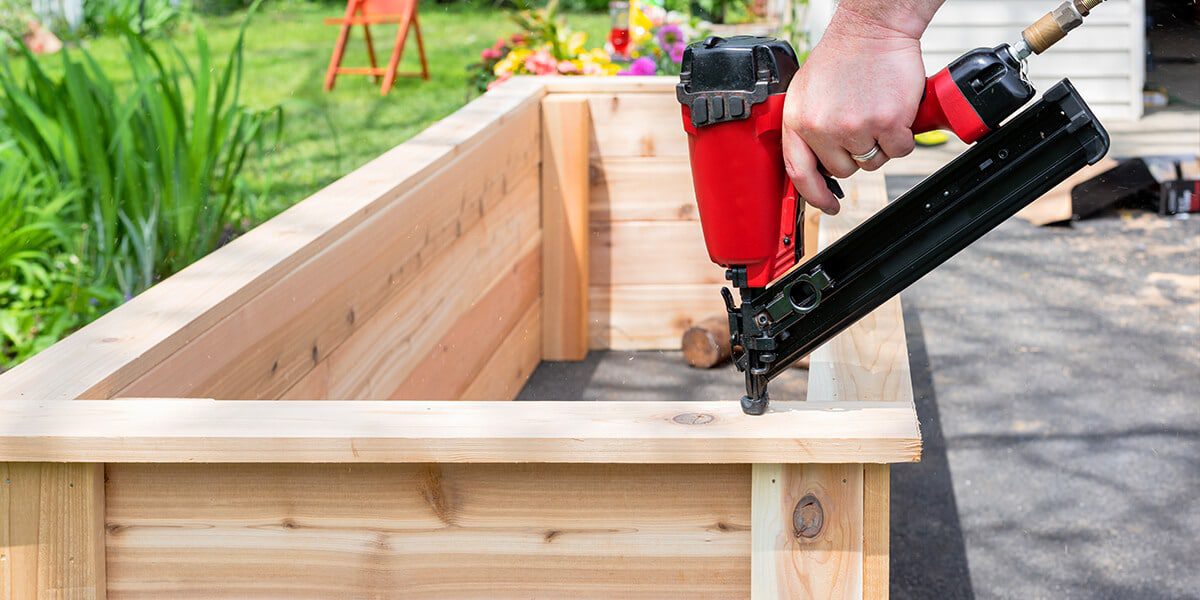
Begin by gathering your materials. You’ll need wooden planks, screws, a drill, and a measuring tape. Choose wood that is resistant to rot, such as cedar or redwood, for longer-lasting frames. Measure and cut the planks to your desired dimensions. This step is where precision matters. Ensure the corners are square to maintain stability when assembling. Align the planks on a flat surface. Drill holes into the corners to connect them securely using screws. If you find this part challenging, invite a friend over for a DIY session. Sharing the work not only makes it easier but also more fun.
Reinforcing Structures
Once the basic frame is assembled, it’s time to reinforce it. This enhances stability, preventing the bed from bowing under pressure from soil and water. Consider adding corner brackets or braces. These small additions can make a big difference in the longevity and strength of your garden bed. Think about the future. Will you be expanding your garden? Design your frame to allow for easy extensions or modifications later. Reflect on your gardening goals. Are you planning to grow heavy crops or install a trellis? Reinforcing now can save you time and effort down the line. Your raised garden bed frame is more than a structure; it’s the beginning of a thriving garden space. What possibilities can you envision as you build your frame?
Filling The Bed
Choose soil rich in nutrients for a raised garden bed. Layer compost to enhance growth. Ensure the bed has proper drainage for healthy plants.
Starting a raised garden bed is exciting. Filling the bed correctly is crucial for plant health. The right mix of soil and nutrients ensures strong growth.
Layering Soil And Compost
Begin with a base layer of coarse material. Use small rocks or twigs. This helps with drainage. Next, add a layer of soil. Topsoil works well. Mix in compost to enrich the soil. Compost provides essential nutrients. Alternate layers of soil and compost. This creates a rich environment for roots. Ensure each layer is evenly spread. This promotes uniform growth.
Balancing Nutrients
Soil needs balanced nutrients for plants to thrive. Test the soil before adding nutrients. Use a simple soil test kit. Check levels of nitrogen, phosphorus, and potassium. Adjust accordingly. Too much of one nutrient can harm plants. Use organic fertilizers for a natural boost. Add them in moderation. Follow product instructions carefully. Regularly check nutrient levels as plants grow. Adjust as needed for optimal health. Maintain balance for a thriving garden.
Credit: platthillnursery.com
Selecting Plants
Choosing the right plants is crucial for a thriving raised garden bed. Consider climate, soil type, and sunlight exposure. Opt for hardy, low-maintenance plants that suit your environment and gardening experience.
Selecting the right plants is a crucial step in starting your raised garden bed. The choices you make will directly impact your garden’s success and your satisfaction as a gardener. Whether you’re dreaming of fresh vegetables, aromatic herbs, or vibrant flowers, understanding the needs and benefits of each plant is essential.
Choosing Vegetables
When selecting vegetables for your raised garden bed, consider your family’s preferences and local climate. Start with easy-to-grow options like tomatoes, lettuce, and radishes. These vegetables not only thrive in various conditions but also provide a rewarding harvest. Pay attention to the space each plant needs. For example, squash and zucchini require more room to spread out, while carrots and beets can be planted closer together. Think about staggering planting times to enjoy a continuous harvest throughout the growing season.
Picking Herbs And Flowers
Herbs are a fantastic addition to any garden, offering culinary delights and aromatic pleasures. Basil, parsley, and mint are popular choices that grow well in raised beds. Consider planting perennial herbs like rosemary and thyme, which come back year after year with minimal effort. Adding flowers to your garden bed not only beautifies the space but also attracts beneficial pollinators. Marigolds, zinnias, and nasturtiums are excellent picks that can deter pests naturally. Reflect on how the colors and scents might enhance your garden space and make it a place of relaxation and joy. What plants spark your interest and fit your lifestyle? The right selection will make your gardening journey both productive and enjoyable.
Planting Techniques
Starting a raised garden bed involves choosing a sunny spot and preparing the soil. Use untreated wood or bricks to create the frame. Fill with nutrient-rich soil and compost for optimal plant growth.
Planting techniques in raised garden beds can significantly impact the success of your gardening efforts. Whether you’re a seasoned gardener or just starting, understanding the nuances of spacing, depth, and companion planting is essential. These techniques not only optimize the growth of your plants but also ensure a bountiful harvest.
Spacing And Depth
Proper spacing and depth are crucial for healthy plant growth. Each plant has unique requirements, and knowing these can make a difference. – Spacing: Crowding plants can lead to competition for nutrients and sunlight. For instance, lettuce needs about 6-12 inches apart, while larger plants like tomatoes require 24-36 inches. A simple rule is to follow seed packet instructions for guidance. – Depth: Planting too deep or too shallow can affect germination and growth. Seeds like carrots need shallow planting, around 1/4 inch deep, while larger seeds like beans should be planted about 1 inch deep. Always check your seed packet or plant label for specific instructions. When I first started gardening, I underestimated the importance of spacing. My overcrowded radish patch taught me a valuable lesson as they struggled for space and nutrients. Are your plants getting the room they need to thrive?
Companion Planting
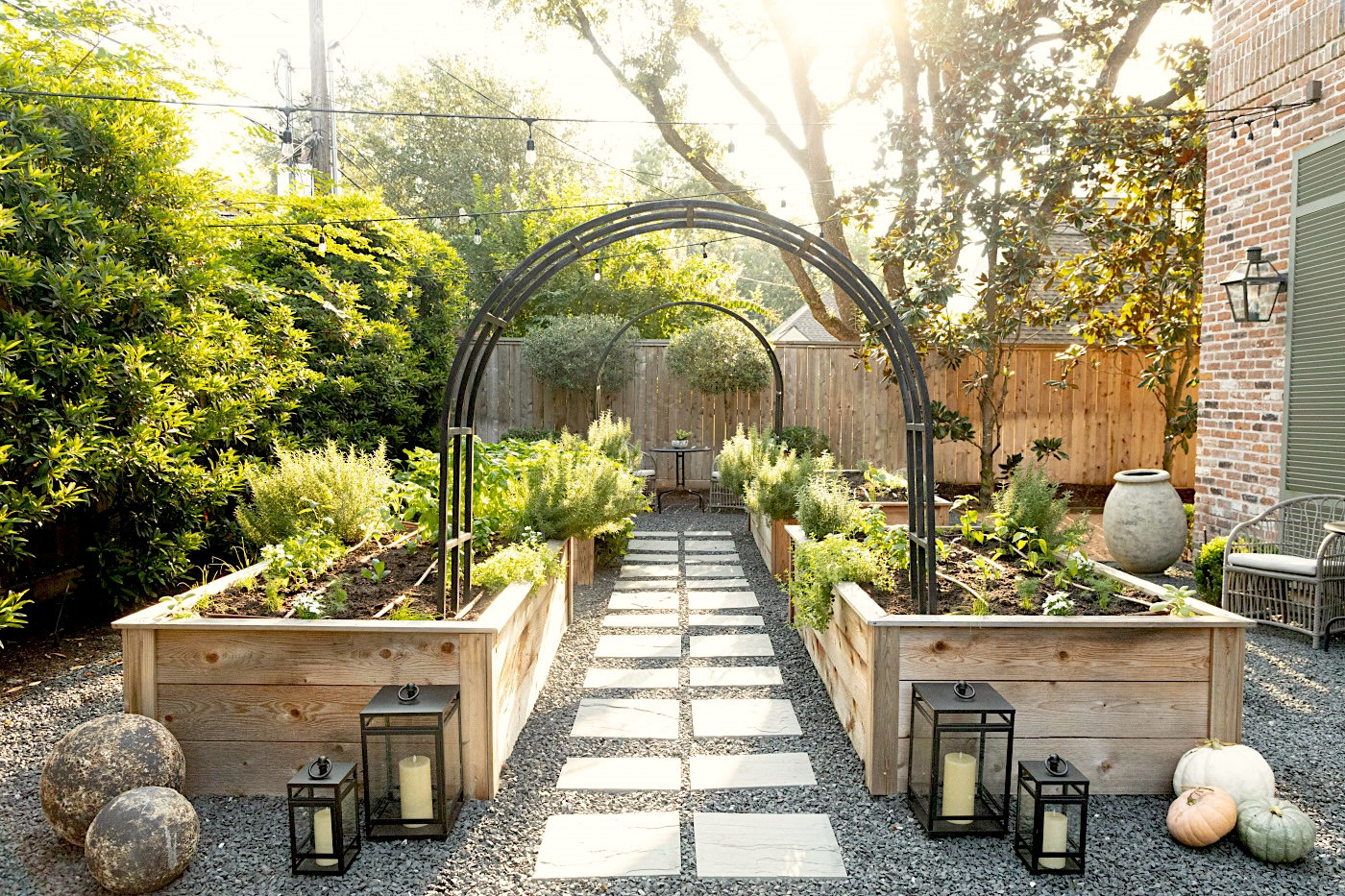
Companion planting involves strategically placing certain plants together to benefit each other. This technique can enhance growth, deter pests, and improve flavor. – Benefits: Some plants naturally repel pests that might harm their neighbors. For example, marigolds can deter nematodes from tomatoes, while basil can improve the flavor of tomatoes and repel flies and mosquitoes. – Plant Combinations: Common pairings include carrots and onions, which can help deter pests from each other. Beans and corn are another classic duo, with beans fixing nitrogen in the soil for the corn. Experimenting with companion planting can transform your gardening experience. Last summer, I paired basil with my tomatoes and noticed fewer aphids and richer flavors. What combinations might work wonders in your garden? Being mindful of these planting techniques can lead to a thriving raised garden bed. As you plan your garden, consider the unique needs of each plant and how they can work together. Your efforts will be rewarded with a vibrant, productive garden.
Credit: www.gardenary.com
Maintenance Tips
Starting a raised garden bed involves choosing the right location with ample sunlight. Prepare the soil by mixing in compost for nutrients. Regularly check for weeds and pests to ensure healthy growth.
Starting and maintaining a raised garden bed can be both rewarding and a bit challenging. However, with the right tips, you can keep your garden flourishing throughout the seasons. Let’s dive into some essential maintenance tips to ensure your raised garden bed thrives.
Watering Guidelines
Proper watering is key to a healthy garden. Raised beds tend to dry out faster, so it’s essential to monitor the soil moisture regularly. Stick your finger into the soil about an inch deep; if it feels dry, it’s time to water. Aim to water early in the morning to prevent evaporation and allow the plants to absorb moisture throughout the day. Consider using a soaker hose or drip irrigation for consistent watering, reducing the risk of overwatering and conserving water.
Weed And Pest Control
Weeds can quickly overtake your raised bed if not managed. Regularly check for weeds and remove them by hand to prevent competition with your plants for nutrients. Mulching can be a great deterrent, helping to suppress weeds and retain soil moisture. Pests are another challenge in maintaining your garden. Inspect your plants regularly for signs of pests like holes in leaves or discolored foliage. You can use natural remedies like neem oil or introduce beneficial insects like ladybugs to keep harmful pests at bay.
Seasonal Care
Each season brings unique challenges and opportunities for your raised garden bed. In the spring, focus on planting and preparing your soil with compost and organic matter. Summer requires diligent watering and pest control as plants reach their peak growth. As fall arrives, it’s time to clean up dead plant material and consider planting cover crops to enrich the soil. Winter is ideal for adding organic matter and planning next season’s layout. Reflect on what worked and what didn’t, and adjust your approach for the next growing cycle. With these maintenance tips, you’re well on your way to having a beautiful and productive raised garden bed. What new techniques will you try this season to enhance your gardening experience?
Frequently Asked Questions
What Do You Put On The Bottom Of A Raised Garden Bed?
Place cardboard or newspaper at the bottom to suppress weeds. Add a layer of gravel or coarse sand for drainage. Top with quality soil and compost for healthy plant growth.
What Vegetables Should Not Be Grown In A Raised Bed?
Large vegetables like pumpkins and squash are not ideal for raised beds due to their sprawling growth. Corn requires more space and depth for roots, making it unsuitable. Potatoes often need more soil volume for tuber development, which can be challenging in raised beds.
How Do You Prepare The Ground For Raised Beds?
Clear the area of weeds and debris. Loosen the soil using a garden fork or tiller. Add organic compost to enrich the soil. Ensure proper drainage by incorporating sand or gravel. Level the ground to create a stable base for the raised bed.
When Should I Start My Raised Garden Bed?
Begin your raised garden bed after the last frost in spring. Choose a sunny spot for optimal growth. Prepare soil by mixing compost and organic matter for nutrients. Plant seeds or seedlings according to your area’s planting guide for best results.
Regularly water and monitor for pests.
Conclusion
Creating a raised garden bed is simple and rewarding. Start with choosing a sunny spot. Use materials like wood or stone for the sides. Fill the bed with quality soil. Plant your favorite vegetables or flowers. Water and care for them regularly.
Watch your plants thrive. Enjoy fresh produce or beautiful blooms. Gardening improves health and brings joy. Encourage your family to join in. Connect with nature every day. A raised garden bed is a perfect project for any home. Start today and relish the benefits.


