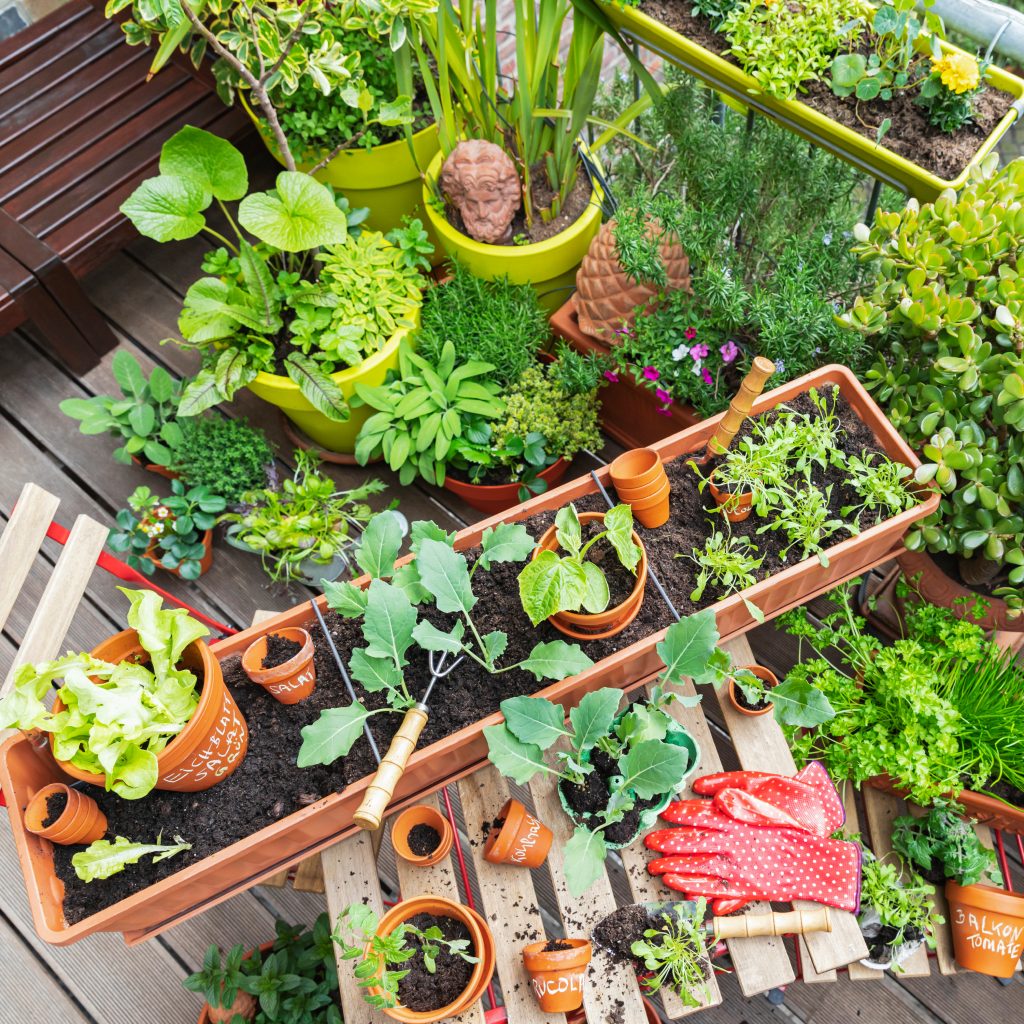
Imagine stepping out onto your balcony or back patio to pick fresh, homegrown vegetables. It’s not a distant dream, but a reality you can achieve by starting your own container vegetable garden.
Whether you have a sprawling backyard or just a small urban space, container gardening lets you grow delicious produce without the need for a traditional garden plot. Are you worried about not having a green thumb? Fear not! This guide will walk you through everything you need to know, from selecting the right containers to choosing the best vegetables for your space.
You’ll discover how easy it is to nurture thriving plants, even in limited spaces. Plus, the satisfaction of eating food you’ve grown yourself is an experience like no other. Why let doubts hold you back from a fresher, healthier lifestyle? Dive into the world of container gardening and find out just how simple it is to transform your space into a vibrant vegetable haven. Your journey to fresh produce at your fingertips starts here.
Choosing The Right Containers
Selecting suitable containers is essential for a successful container vegetable garden. Choose pots with good drainage and adequate size for plant growth. Consider material and weight for easy movement and durability.
Choosing the right containers for your vegetable garden is like setting the foundation for a thriving green space. The containers you choose will significantly affect the growth and productivity of your plants. Whether you’re a seasoned gardener or a beginner, ensuring your containers meet the right criteria can make a big difference.Size And Depth Considerations
When selecting containers, the size and depth are crucial. Think about the root systems of the vegetables you want to plant. Tomatoes, for example, need deeper pots as their roots grow extensively. On the other hand, herbs like basil or cilantro can thrive in smaller containers. Ask yourself: Are these containers spacious enough for the plant’s roots to spread comfortably? Adequate space is essential for nutrient absorption and healthy growth.Materials And Durability
Container materials can vary widely, from plastic to clay to metal. Each has its pros and cons. Plastic containers are lightweight and affordable but may not be as durable under extreme weather conditions. Clay pots offer breathability, which helps with moisture control, but they can be heavy and prone to cracking. Consider the climate in your area and the longevity you expect from your containers. A personal tip: I once chose metal containers for their sleek look, only to find they heated up too much under the sun, affecting my plants. Choose wisely, balancing aesthetics with functionality.Drainage Importance
Proper drainage is vital to prevent waterlogging, which can lead to root rot. Ensure your containers have drainage holes at the bottom. Without these, excess water can accumulate, suffocating your plants. You might be tempted to skip this, especially if you’re worried about water dripping onto your balcony or patio. But trust me, your plants will thank you for it. Consider placing a layer of gravel at the bottom of the container to improve drainage. This simple step can significantly enhance the health of your garden.Selecting The Best Vegetables
Choosing vegetables for a container garden involves considering space and sunlight needs. Opt for compact varieties like cherry tomatoes, lettuce, or radishes that thrive in limited areas. Ensure selected vegetables match the sunlight exposure available on your balcony or patio for optimal growth.
Selecting the right vegetables for your container garden is vital. This choice affects growth, harvest, and overall success. Not all vegetables thrive in containers. Consider climate, space, and planting companions. These factors ensure healthy plants and bountiful harvests.Climate And Space Factors
Climate plays a major role. Some vegetables prefer warm weather. Others thrive in cooler temperatures. Know your local climate before selecting vegetables. Space is another crucial factor. Containers come in different sizes. Choose vegetables that fit your available space.Easy-to-grow Options
Begin with easy-to-grow vegetables. These are ideal for beginners. Consider tomatoes, lettuce, or radishes. They require minimal care. These vegetables adapt well to container environments. They offer quick rewards.Companion Planting Ideas
Companion planting boosts growth and repels pests. Certain plants grow better together. Basil and tomatoes make a great pair. Their flavors complement each other. Carrots and onions are another good match. They deter harmful insects. Consider these combinations for a thriving garden.Preparing Soil And Fertilizers
Healthy soil and proper fertilizers are key to a successful container vegetable garden. Mix quality potting soil with organic compost for nutrients. Choose fertilizers that suit your plants’ needs to boost growth and yield.
Preparing Soil and Fertilizers Starting a container vegetable garden begins with preparing the soil and fertilizers. This step is crucial for healthy plant growth. Containers lack the natural nutrients found in garden soil. Therefore, a well-prepared mix and correct fertilizers ensure your plants thrive. Let’s dive into the essentials.Soil Mix Essentials
The right soil mix is fundamental for container gardening. It should be lightweight and retain moisture well. A good mix includes:- Potting soil or garden soil
- Compost for organic matter
- Perlite or vermiculite for aeration
Organic Vs. Synthetic Fertilizers
Choosing between organic and synthetic fertilizers can impact your garden’s success. Organic fertilizers are made from natural sources. They improve soil structure and increase microbial activity. Examples include:- Compost
- Bone meal
- Fish emulsion
Maintaining Soil Health
Keeping your soil healthy is vital for sustained plant growth. Regularly check for signs of nutrient deficiency. Rotate crops to prevent soil depletion. Add mulch to retain moisture and regulate temperature. Healthy soil leads to healthy plants.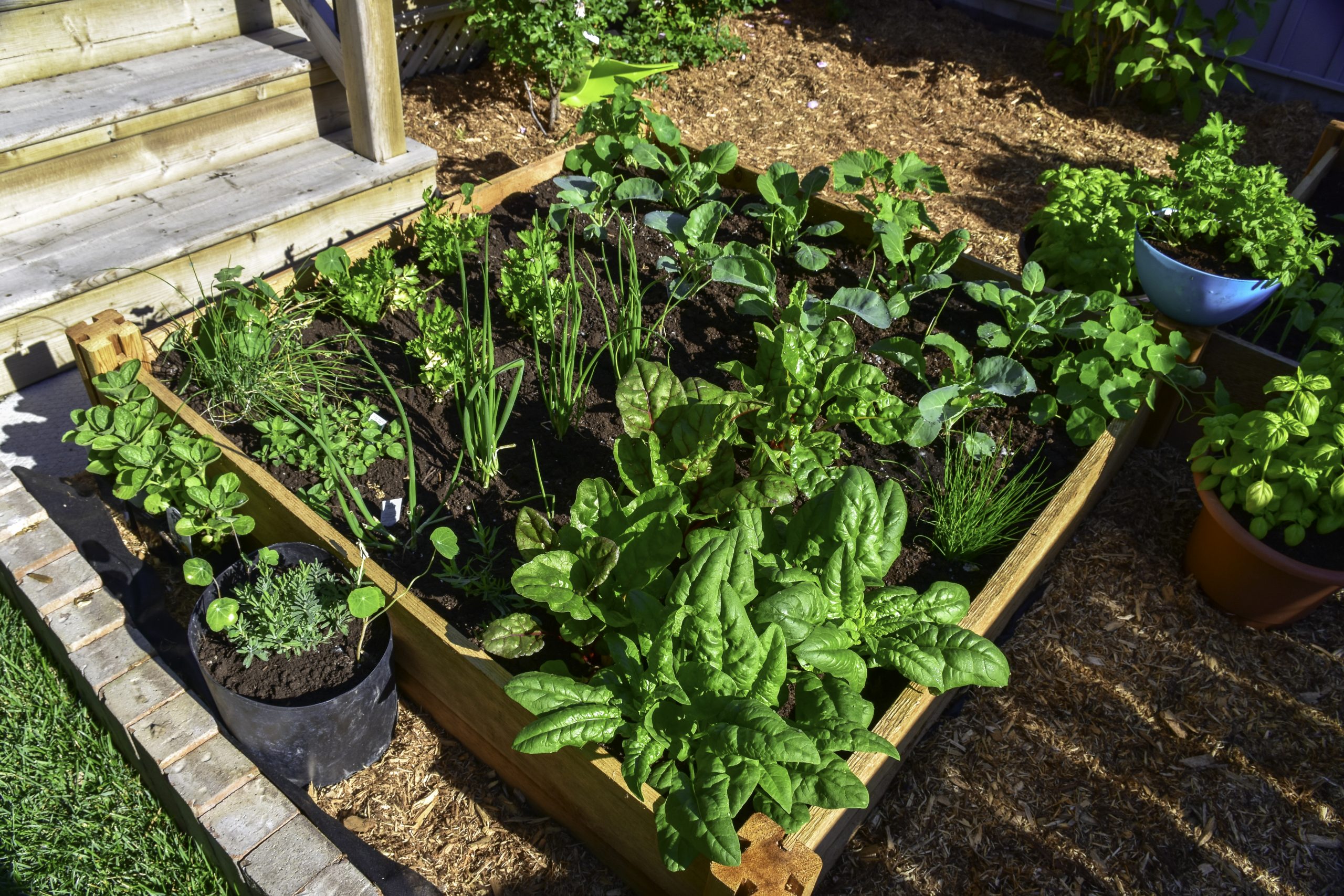
Credit: ryanlawn.com
Planting Techniques
Starting a container vegetable garden is simple and rewarding. Choose containers with good drainage and fill them with quality soil. Select vegetables that grow well in containers, like tomatoes and peppers, and ensure they receive adequate sunlight and water.
Starting a container vegetable garden is a fantastic way to enjoy fresh produce, even if you have limited space. However, the key to a successful harvest lies in the planting techniques you choose. Whether you’re a beginner or a seasoned gardener, understanding the nuances of planting can make all the difference in your garden’s productivity. Let’s dive into some essential techniques that will help your container garden thrive.Seed Starting And Transplanting
Starting from seeds can be a rewarding experience. It allows you to choose from a wide variety of plants and watch them grow from the very beginning. You’ll want to use seed starting mix, which is lighter and drains better than regular potting soil. This gives your seeds the best chance to germinate successfully. Once your seedlings have sprouted and developed a few leaves, it’s time to think about transplanting. Make sure to harden them off by gradually introducing them to outdoor conditions over a week. This reduces transplant shock and helps them adjust to their new home.Spacing And Depth Guidelines
Spacing is crucial in container gardening to ensure that each plant has enough room to grow. Crowded plants compete for nutrients, water, and sunlight, leading to reduced yields. For instance, tomatoes need larger containers and more space than herbs like basil. Depth is equally important. Plant roots need room to stretch and establish themselves. Follow seed packet instructions for depth, but a general rule is to plant seeds at a depth of about twice their diameter.Watering Practices
Watering can make or break your container garden. Containers dry out faster than ground soil, so regular watering is essential. Stick your finger into the soil about an inch deep—if it feels dry, it’s time to water. Consistency is key; plants prefer a steady supply of moisture. Consider using self-watering containers or adding mulch on top of the soil to retain moisture. Have you ever forgotten to water your garden for a few days? Trust me, your plants will remind you with droopy leaves! By focusing on these planting techniques, you’re setting your container vegetable garden up for success. What tips have you found most helpful in your gardening journey?Sunlight And Positioning
When creating a container vegetable garden, sunlight and positioning are crucial. Plants need sunlight for photosynthesis and growth. The right spot ensures they receive enough light throughout the day. Understanding sunlight requirements helps your garden thrive.
Identifying Sunlight Needs
Each vegetable has specific sunlight needs. Leafy greens like spinach prefer partial shade. Tomatoes require full sun. Check sunlight requirements on seed packets or online. Choose a spot that matches these needs.
Adjusting For Seasonal Changes
Sunlight patterns change with seasons. In summer, the sun is higher. In winter, it’s lower. Observe your garden’s sun exposure during different seasons. Adjust container positions if needed. Rotate pots to ensure even light distribution.
Using Grow Lights
Grow lights help when natural light is insufficient. They mimic sunlight, supporting plant growth. Choose LED grow lights for energy efficiency. Position lights 6 to 12 inches above plants. Ensure lights cover all plant areas.

Credit: food52.com
Pest And Disease Management
Keep your container vegetable garden healthy by monitoring for pests and diseases. Use natural remedies like neem oil or soap sprays to manage problems early. Regularly check plants and remove any affected leaves to prevent spreading.
Pest and disease management is vital for a thriving container vegetable garden. Understanding how to protect your plants from unwanted visitors helps ensure a healthy harvest. With a mix of common solutions and natural remedies, managing pests becomes manageable. Learning preventative measures can further safeguard your garden.Common Pests And Solutions
Container gardens attract various pests that can harm your plants. Aphids, caterpillars, and snails are frequent invaders. Identifying the pest helps in choosing the right solution.- Aphids: Spray them with soapy water to remove them.
- Caterpillars: Handpick them or use neem oil.
- Snails: Set out beer traps to lure them away.
Natural Remedies And Products
Natural solutions offer effective pest control without chemicals. Homemade sprays or organic products can deter pests safely.- Garlic spray: Deters aphids and beetles.
- Neem oil: Effective against many soft-bodied insects.
- Diatomaceous earth: Controls crawling insects like slugs.
Preventative Measures
Prevention is key to reducing pest problems. Healthy plants are less likely to suffer from pests.- Rotate crops in containers to disrupt pest cycles.
- Choose pest-resistant plant varieties whenever possible.
- Maintain clean garden areas to discourage pests.
Pruning And Maintenance
Regular pruning keeps container vegetables healthy and productive. Remove yellow leaves and trim excess growth. Routine maintenance ensures optimal growth conditions, promoting a bountiful harvest.
Pruning and maintenance are crucial elements of a thriving container vegetable garden. By keeping your plants in good shape, you ensure they remain healthy and productive. Let’s dive into the specifics of how you can master this art and keep your container garden flourishing.Regular Pruning Benefits
Pruning is more than just cutting back your plants. It’s about guiding them to grow in a way that maximizes their potential. Regular pruning helps increase airflow, reducing the chance of disease and pest infestations. Imagine your tomato plant growing wild and tangled. With a little careful pruning, you can shape it to focus on fruit production rather than foliage. This not only boosts your harvest but also makes your plants more manageable and attractive.Monitoring Plant Health
Keeping an eye on your plants’ health is essential. Look for signs like yellowing leaves or wilting, which can indicate issues like nutrient deficiencies or watering problems. Regular monitoring allows you to catch problems early and take action swiftly. For example, if your basil leaves start curling, it might be a sign of aphids. By noticing these signs early, you can address the issue with a simple soapy water spray, saving your plant from further damage.Cleaning And Container Care
Clean containers are crucial for preventing disease. After each growing season, ensure you wash your containers with mild soap and water. This simple task can eliminate lingering bacteria and fungi. Additionally, check for cracks or damage in your containers. A broken pot can lead to soil leakage and affect your plant’s root system. By maintaining your containers, you ensure a stable environment for your vegetables to thrive. Pruning and maintenance don’t have to be a chore. With these actionable tips, you’ll find yourself enjoying the process and reaping the rewards of a healthy, productive garden. So, why not start today and give your plants the care they deserve?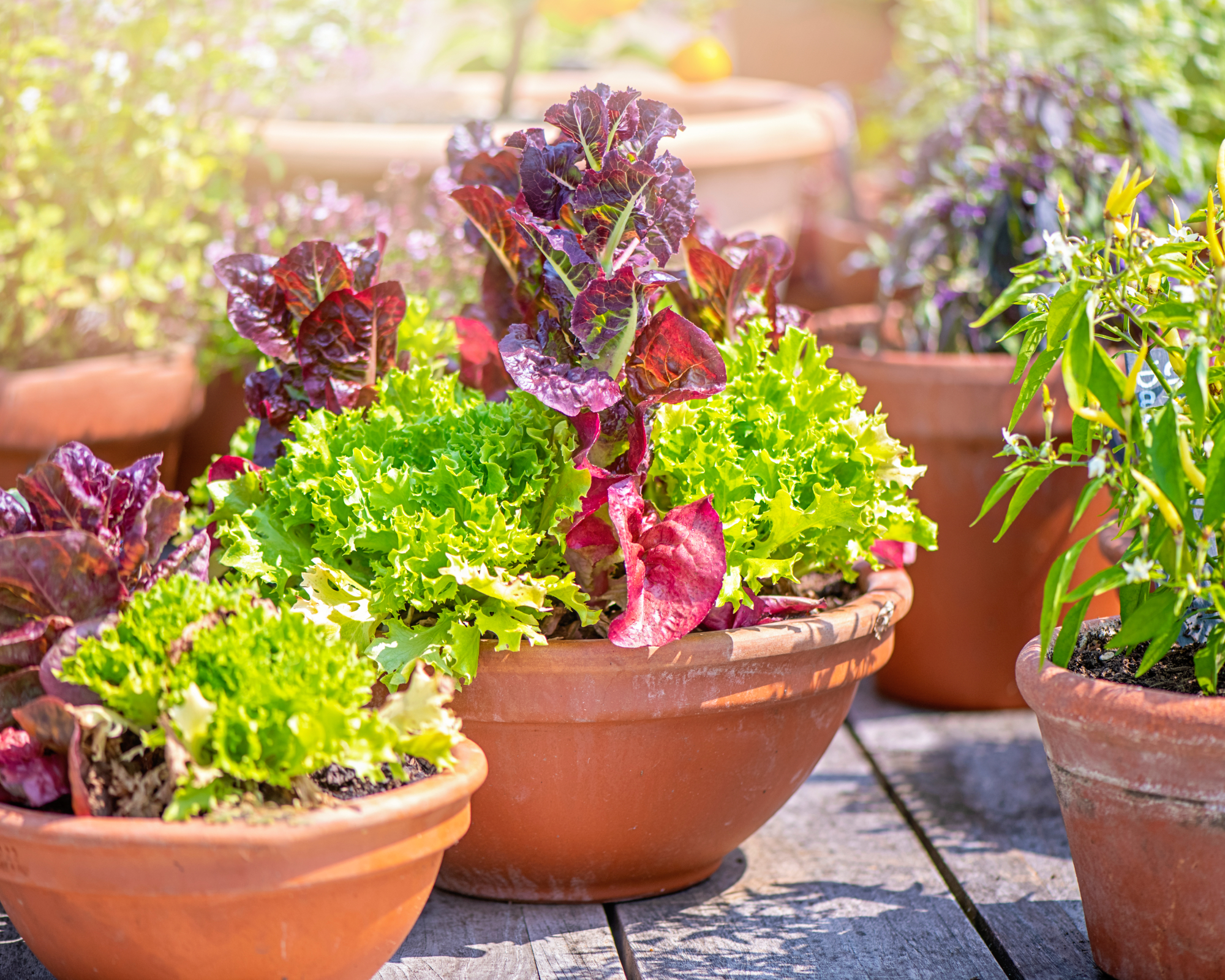
Credit: www.gardeningknowhow.com
Harvesting And Storage
Harvesting container-grown vegetables at the right time ensures the best flavor and nutrition. Store them in a cool, dry place to keep them fresh. Regularly check for ripeness to enjoy your garden’s produce fully.
Starting your container vegetable garden is exciting. Harvesting and storing your produce is rewarding. Fresh vegetables from your garden taste better. They are also healthier. Learn the best harvesting and storage tips. Enjoy fresh produce longer.Timing For Harvest
Harvesting vegetables at the right time is crucial. Check ripeness regularly. Vegetables can lose flavor if harvested late. Pick tomatoes when they’re fully red. Cucumbers should be firm and green. Harvest lettuce before it bolts. Proper timing ensures freshness and taste.Harvesting Techniques
Use sharp scissors or knives for harvesting. Be gentle with plants. Pull root vegetables carefully. Avoid damaging the plant. Cut leafy greens near the base. Handle produce carefully to avoid bruising. Keep plants healthy for future harvests.Storing Fresh Produce
Store vegetables in a cool, dark place. Use perforated bags for leafy greens. Refrigerate root vegetables separately. Keep tomatoes at room temperature. Check storage regularly for spoilage. Proper storage extends shelf life. Enjoy fresh produce longer with proper storage.Frequently Asked Questions
How Do You Start A Container Garden For Beginners?
Choose suitable containers with drainage holes. Fill them with quality potting mix. Select plants based on sunlight availability. Water regularly and ensure proper sunlight. Add fertilizer as needed.
When To Start A Container Vegetable Garden?
Start a container vegetable garden in early spring after the last frost. Choose a sunny spot for optimal growth. Ensure proper drainage in containers and use quality potting soil. Regularly water and fertilize your plants for best results. Enjoy fresh vegetables throughout the growing season.
What Is The Most Common Mistake Made With Container Plants?
Overwatering is the most common mistake made with container plants. It leads to root rot and poor growth. Ensure proper drainage and only water when the soil is dry to the touch. Use pots with drainage holes and avoid leaving plants in standing water to keep them healthy.
What Do You Put In The Bottom Of A Container Garden?
Place drainage materials like gravel or broken pottery at the bottom of a container garden. This prevents waterlogging, ensuring healthy root growth. Add a layer of landscape fabric to keep soil from clogging drainage holes. Finish with high-quality potting mix for optimal plant development.
Conclusion
Starting a container vegetable garden is simple and rewarding. Pick your favorite veggies. Choose good containers and soil. Ensure they get sunlight daily. Water them regularly for best growth. Watch as your small garden thrives. Enjoy fresh produce right at home.
Gardening teaches patience and care. It’s fun and relaxing too. Anyone can do it with a little effort. Begin your garden today and savor the results. Share your bounty with friends. Celebrate your green thumb. Happy gardening!