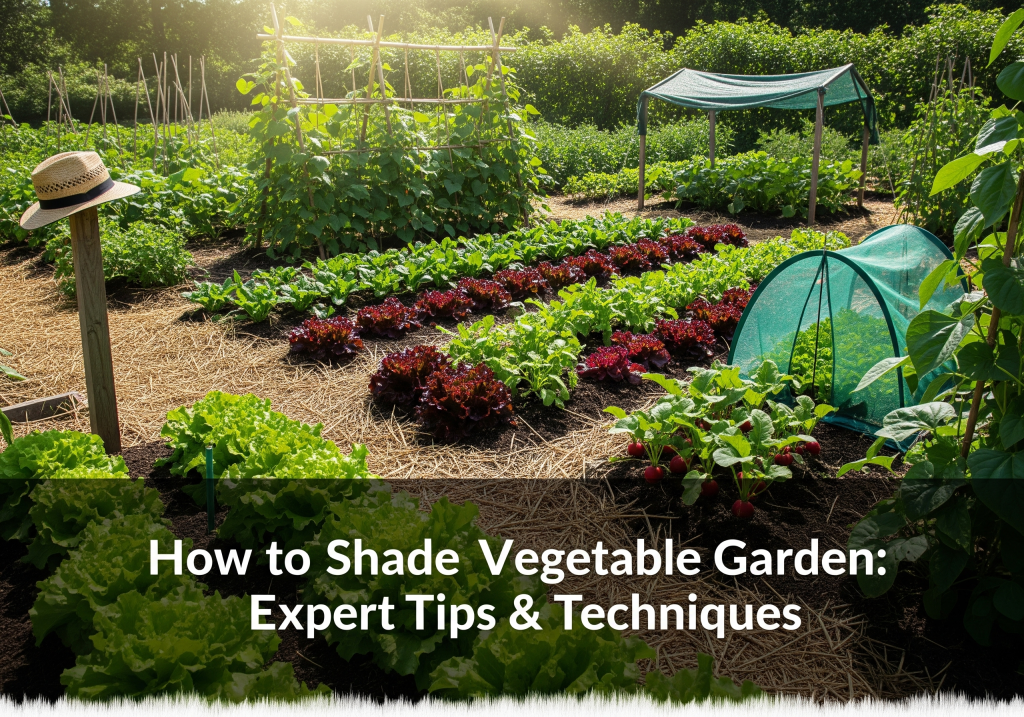
Imagine stepping into your garden on a blazing summer day, only to find your once-thriving vegetables wilting under the relentless sun. It’s a gardener’s nightmare, but there’s a simple solution: shading.
Mastering the art of shading your vegetable garden can be the key to protecting your plants and ensuring a bountiful harvest. You might be wondering how to effectively shield your precious greens without blocking out the essential sunlight they need.
This guide is your ticket to discovering techniques that balance shade and sun, keeping your garden healthy and productive. Dive in to learn how a few strategic changes can transform your gardening experience and boost your yield. Your vegetables will thank you!
Credit: www.youtube.com
Benefits Of Shading Vegetable Gardens
Shading a vegetable garden protects plants from harsh sunlight, reducing water evaporation and stress. Cooler soil temperatures help roots stay healthy, promoting better growth and yield.
Shading vegetable gardens offers numerous benefits that enhance growth and yield. Plants often suffer from excessive heat, which affects their health and productivity. Shading provides a cooler environment, ensuring plants thrive. It also helps balance light exposure, crucial for photosynthesis.
Improved Plant Health
Shade reduces heat stress on plants. This helps prevent wilting and sunburn. Healthier plants resist diseases better.
Enhanced Water Retention
Shaded soil retains moisture longer. Less evaporation means less frequent watering. This conserves resources and maintains soil health.
Extended Growing Season
Shade allows for longer growing periods. Cooler temperatures slow down maturity. This results in a prolonged harvest time.
Protection From Pests
Shade can deter certain pests. Some insects prefer direct sunlight. Reducing sun exposure helps control pest populations.
Optimized Photosynthesis
Balanced light exposure aids photosynthesis. Plants use light more effectively. This leads to healthier growth and better yields. Shading techniques, like using mesh or cloth, can be easily applied. These methods offer the best benefits without major investments. Enjoy a flourishing garden with simple shading solutions.
Choosing The Right Shade Materials
Choosing the right shade materials for your vegetable garden is crucial for ensuring healthy growth and maximizing your yield. With a variety of options available, selecting the most suitable material can feel overwhelming. Understanding the differences between natural and artificial materials, and weighing their pros and cons, will help you make an informed decision.
Natural Vs. Artificial Options
Natural shade options often include trees, shrubs, and vines. These provide a more sustainable and eco-friendly way to shield your garden from the sun. They also enhance the aesthetic appeal of your garden, creating a more harmonious environment.
Artificial materials, such as shade cloth, nets, and tarps, offer flexibility and control. These options allow you to adjust the level of shading as needed, which can be particularly useful during different seasons. However, they may not blend into the landscape as seamlessly as natural solutions.
Pros And Cons Of Different Materials
Natural materials like trees and vines have the advantage of being self-sustaining and require minimal maintenance once established. They also provide additional benefits like enhancing biodiversity and improving soil health. However, they can take time to grow and may not offer immediate relief from the sun.
On the other hand, shade cloth and nets can be installed quickly and provide instant shade. They come in various densities, allowing you to choose the right amount of light filtration for your plants. The downside is they might require seasonal adjustments and can wear out over time.
Have you ever considered how the color of your shade material might impact your plants? Darker colors absorb more heat, which could be beneficial or harmful depending on your climate. Light-colored materials reflect more sunlight, potentially keeping your garden cooler. This choice can significantly influence your garden’s microclimate.
Ultimately, the best material will depend on your specific needs, climate, and aesthetic preferences. Have you weighed all the factors to decide which shade material suits your garden? Making the right choice can transform your gardening experience and boost your vegetable harvest.
Optimal Shade Placement
Creating the perfect balance of sunlight and shade in your vegetable garden is crucial for plant health and productivity. Optimal shade placement can protect your plants from harsh sun rays while ensuring they receive enough light for photosynthesis. Let’s explore how you can achieve this balance by understanding sun patterns and adjusting for seasonal changes.
Considering Sun Patterns
Understanding sun patterns in your garden is the first step to optimal shade placement. Observe where the sun hits your garden throughout the day. Note the areas that receive morning sun versus afternoon sun, as morning light is usually gentler and less intense.
Identify spots where your plants may get too much direct sunlight during the hottest parts of the day. These are prime candidates for shading. You can use structures like shade cloths, trellises, or even strategically placed taller plants to provide relief.
Think about how the sun moves across your garden. This knowledge will help you decide where to place shading elements effectively. Are you leveraging the natural shade from nearby trees or buildings?
Adjusting For Seasonal Changes
Seasons change, and so do the sun’s angles and intensity. In summer, the sun is high, and shade placement might need adjustment to accommodate increased sunlight. During this time, taller structures or more extensive shade coverage might be necessary.
In contrast, winter sun is lower and less intense. Your garden might benefit from reduced shading to maximize sunlight exposure. Consider using removable shading solutions like retractable awnings or temporary shade cloths to adapt quickly.
Think about how you can make these adjustments easily. Flexibility in your shading plan can ensure your plants thrive year-round. How will you adapt your garden to these seasonal shifts?
By understanding the sun’s patterns and preparing for seasonal changes, you can create a thriving vegetable garden that stays productive and healthy throughout the year. Are you ready to optimize your garden’s shade placement?
Diy Shade Structures
Creating DIY shade structures can protect your vegetable garden from harsh sunlight. Use materials like bamboo, fabric, or wood to craft simple covers. These structures help maintain ideal growing conditions, ensuring healthy plants and abundant harvests.
Creating shade in your vegetable garden doesn’t have to be a daunting task. DIY shade structures offer an affordable and creative way to protect your plants from the harsh sun. With a little effort and some ingenuity, you can craft effective solutions that cater to your garden’s specific needs.
Simple Frame Designs
Building a basic frame is a straightforward option for shading your garden. Think about using PVC pipes or wooden stakes as the primary structure. These materials are easy to handle and adjust, allowing you to create a custom size and shape. Simply connect the pipes or stakes with connectors or nails, and drape them with shade cloth or old sheets. You’ll have a flexible setup that can be easily moved or modified. Have you ever considered the benefits of adjustable shade? This simple approach allows you to alter the angle of the shade to follow the sun’s movement, ensuring optimal protection throughout the day.
Using Recycled Materials
Why not give new life to items you already have lying around? Old umbrellas, bed sheets, or even beach mats can be repurposed as garden shades. These materials are often lightweight and provide sufficient cover for a small garden area. Gather some sturdy branches or unused metal rods, and use them as posts to hang your recycled materials. It’s an eco-friendly solution that not only saves money but also reduces waste. Have you ever thought about the unique charm recycled materials bring to your garden? Each piece tells a story, adding character and creativity to your outdoor space. Are there items in your home that could serve a new purpose in your garden?
Commercial Shade Solutions
Creating shade for vegetable gardens enhances growth and protects plants from harsh sunlight. Use shade cloths or pergolas to control light exposure. Proper shading ensures vegetables receive the right amount of sunlight, promoting healthier yields.
Commercial shade solutions offer practical ways to protect your vegetable garden. They provide reliable cover from harsh sunlight, ensuring your plants thrive. These solutions are durable and designed to fit various garden sizes. Let’s explore some popular options.
Shade Cloths And Tents
Shade cloths are popular for their flexibility and effectiveness. They come in different densities to suit your garden’s needs. Choosing the right density helps control light exposure. This ensures your plants receive optimal sunlight. Shade tents provide another layer of protection. They are easy to set up and move. These tents are perfect for temporary shading needs. Both options help maintain the right temperature for your garden.
Portable And Adjustable Systems
Portable systems offer great convenience. They can be easily moved around your garden. This flexibility allows you to adjust shading as needed. Adjustable systems give you control over light exposure. They can be raised or lowered to match the sun’s position. This adaptability helps keep your garden healthy. Both portable and adjustable systems are ideal for gardeners needing flexibility. They are user-friendly and require minimal effort to operate.
Maximizing Plant Health
Shading a vegetable garden can help maximize plant health. Use shade cloths or strategic planting to protect vegetables from extreme sun. This ensures cooler temperatures and helps retain moisture, promoting optimal growth and reducing stress on plants.
Maximizing Plant Health in your vegetable garden is all about finding the right balance between light and shade. A well-shaded garden can be a sanctuary for your plants, protecting them from harsh sun rays while maintaining the necessary exposure for growth. The interplay between light and shade is crucial for the health and vitality of your vegetables, and understanding this dynamic can lead to a bountiful harvest.
Balancing Light And Shade
Achieving the right balance between light and shade in your garden can significantly impact plant health. Too much sunlight can scorch leaves, while too much shade can stunt growth. Consider using shade cloth to filter sunlight during peak hours. This simple adjustment can help maintain optimal temperatures and reduce stress on your plants. You might notice that certain plants thrive in partial shade, such as leafy greens and root vegetables. Observing your garden’s microclimates can guide where to position these plants for maximum health. Think about how the sun moves across your garden and use structures or natural features to create shaded areas.
Impact On Growth And Yield
The relationship between light and shade affects not only plant health but also growth and yield. Proper shading ensures that plants have enough energy to photosynthesize without becoming dehydrated. A well-shaded vegetable garden can lead to more robust plants and increased yields. Shade management can also influence the timing of your harvest. Cooler, shaded conditions might extend the growing period for certain vegetables, giving you more time to enjoy them. Have you ever noticed that shaded areas in your garden seem to preserve moisture better? This can be particularly beneficial during dry spells, reducing the need for constant watering. Experiment with different shading techniques, such as vertical gardening or planting under taller crops. These methods can naturally create shade while optimizing space. Consider documenting your garden’s progress to see how shading affects different plants over time.
Common Mistakes To Avoid
Shading your vegetable garden can be a game-changer for healthy plant growth, especially during scorching summer months. However, it’s easy to make mistakes that can hinder rather than help your garden. Let’s dive into some common pitfalls to ensure you’re maximizing your efforts and not inadvertently stunting your garden’s progress.
Over-shading Concerns
It’s tempting to think that more shade equals more protection, but over-shading can deprive your plants of the sunlight they need. Vegetables like tomatoes and peppers crave sunlight to produce fruit. Ask yourself: are you blocking out too much light? Use shade cloths wisely, opting for designs that allow partial sunlight. You might find that using adjustable or retractable shades gives you better control over light exposure.
Consider experimenting with different shading materials. Some gardeners have found success using netting instead of solid fabric, allowing for better airflow and light penetration. Are your plants thriving under your current setup? If not, it might be time to reassess your shading strategy.
Ignoring Local Climate Factors
Every region has its own climate quirks, and ignoring these can lead to shading mishaps. In areas with high humidity, excess shade can foster fungal growth due to increased moisture. Do you know your local weather patterns well? Tailor your shading approach to cater to your specific climate needs.
Keep an eye on temperature fluctuations. In cooler climates, too much shade might prevent plants from getting the warmth they need. What’s the average temperature in your area during growing season? Adjust your shading setup to ensure your garden receives optimal warmth while avoiding overheating.
Engage with local gardening communities or forums. Many gardeners are willing to share insights and tips based on their experiences with similar climates. Have you sought advice from fellow gardeners in your area? Their firsthand knowledge can be invaluable in fine-tuning your shading techniques.
Expert Insights And Experiences
Discover effective ways to shade your vegetable garden. Use natural methods like trellises and plant covers to protect plants. Create a thriving environment by managing sunlight and ensuring optimal growth conditions. Enhance garden productivity with simple shading techniques.
In the world of gardening, shading your vegetable garden effectively can mean the difference between a bountiful harvest and a disappointing yield. Expert insights and experiences offer invaluable guidance on this topic, steering you toward practical solutions tailored to your unique environment. Whether you’re battling scorching sun in a desert climate or trying to extend the growing season in cooler regions, learning from those who’ve been in your shoes is crucial. Let’s delve into what seasoned gardeners have to say about shading their prized vegetable patches.
Gardener Testimonials
Imagine growing lush tomatoes in the heart of Arizona’s blistering summer. One gardener, Rachel, swears by the use of shade cloths. She shares how a simple 40% shade cloth transformed her garden, allowing her plants to thrive even when temperatures soared. Rachel’s experience highlights the importance of selecting the right material. She suggests trying different densities to see what works best for your plants. Have you experimented with various shading methods yet? Another gardener, Ben from the Pacific Northwest, offers a different perspective. He uses natural shading techniques like interplanting taller crops with shorter ones. This method not only provides shade but also maximizes garden space. Could this approach work in your garden?
Case Studies In Different Climates
A study conducted in the arid regions of Texas revealed interesting results. By using shade nets, farmers noticed a significant increase in yield. The nets reduced soil temperature, conserved moisture, and provided a cooler environment for the plants. In contrast, a group of urban gardeners in New York City adapted a creative solution for their rooftop gardens. They used reflective materials to shield their plants from direct sunlight. This approach helped maintain an optimal growing temperature without blocking too much light. How could you adapt these strategies to fit your climate and gardening style? Every garden is unique, and experimenting with different shading methods can lead to fruitful outcom
Frequently Asked Questions
How Do I Shade My Vegetable Garden?
Use shade cloth or plant taller crops to block sunlight. Install pergolas or umbrellas for adjustable shade. Consider planting near structures for natural shading. Use mulch to keep soil cool and moist. Regularly check and adjust shading as needed to ensure optimal growth conditions.
What To Do If Your Vegetable Garden Doesn’t Get Enough Sun?
Choose shade-tolerant vegetables like lettuce and spinach. Use reflective surfaces to increase light. Trim overhanging branches blocking sunlight. Consider container gardening to move plants easily. Install grow lights for additional illumination.
Can A Veggie Garden Get Too Much Sun?
Yes, a veggie garden can get too much sun. Excessive sunlight may lead to wilting and sunburn. Ensure plants receive balanced sunlight and shade. Use shade cloth or plant taller crops to protect sensitive plants. Proper hydration helps mitigate sun damage.
Monitor and adjust based on plant needs.
Can You Put Shade Cloth Over A Vegetable Garden?
Yes, you can use shade cloth over a vegetable garden. It protects plants from excessive sun and heat. Shade cloth helps maintain moisture levels and prevents leaf burn. Choose a cloth with 30-50% shade for optimal results, ensuring it’s suitable for your specific vegetable types.
Conclusion
Creating shade in your vegetable garden is important. It protects plants from harsh sun. Use simple solutions like shade cloths or umbrellas. They help regulate temperature and moisture. Consider planting taller crops as natural shade. This approach is cost-effective and easy.
Experiment with different shading techniques. Each garden is unique. Observe how your plants respond. Adjust your methods accordingly. A well-shaded garden thrives and produces more. Enjoy the benefits of healthier vegetables. Happy gardening!


