Have you ever dreamt of lush, thriving vegetables right in your backyard, only to be thwarted by unpredictable weather or watering hassles? You’re not alone.
Many home gardeners face the same challenge, and the secret to overcoming it often lies in a well-planned irrigation system. Imagine a garden where every plant receives the perfect amount of water, consistently and effortlessly. Sounds like a dream, right?
But it’s entirely within your reach. By setting up a customized irrigation system for your vegetable garden, you can ensure that each plant gets exactly what it needs to grow healthy and strong. You’ll save time, conserve water, and enjoy more bountiful harvests. Ready to dive into the details and transform your gardening experience? Let’s get started!

Credit: www.facebook.com
Choosing The Right Irrigation System
Choosing the right irrigation system ensures healthy vegetable growth. Drip systems efficiently water plants, reducing waste. Sprinklers cover larger areas, perfect for extensive gardens.
Choosing the right irrigation system for your vegetable garden is a crucial step that can significantly influence the health and yield of your plants. Each system offers unique benefits and drawbacks, making it important to match the system to your garden’s specific needs. Understanding the differences can help you make a decision that saves both water and time while keeping your plants thriving.Drip Irrigation
Drip irrigation is a popular choice for many gardeners due to its efficiency and precision. This system delivers water directly to the roots of each plant through a network of tubes and emitters. This method minimizes water wastage and ensures that your plants receive the optimal amount of moisture. If you’ve ever worried about overwatering or underwatering, drip irrigation can offer peace of mind. You can even adjust the flow to suit different plants, ensuring that your thirsty tomatoes get more water than your drought-resistant herbs. Is the upfront cost worth the long-term savings and convenience for you?Sprinkler Systems
Sprinkler systems mimic natural rainfall, providing broad coverage that can be ideal for larger gardens. These systems are relatively easy to install and offer flexibility in placement and water delivery. However, they can also lead to water wastage due to evaporation, especially in hot climates. Consider the layout of your garden: does it have wide open spaces that could benefit from sprinklers? If your garden is spread out, sprinklers might be an efficient solution. Just be aware of potential issues like uneven watering or wet foliage that can attract pests or diseases. Are you ready to manage these challenges?Soaker Hoses
Soaker hoses provide a simple and cost-effective way to irrigate your garden. These porous hoses leak water gradually along their length, soaking the soil evenly. Unlike drip systems, soaker hoses require less setup and maintenance, making them a great option for beginner gardeners. Have you ever tried watering by hand only to find dry patches later? Soaker hoses can eliminate this issue, ensuring consistent soil moisture. They work well for raised beds or smaller gardens where precision isn’t as critical. Could this be the hassle-free solution you need to keep your garden flourishing?Planning Your Garden Layout
Setting up an irrigation system is key for a thriving vegetable garden. Choose drip irrigation for efficient water use. Adjust the system to ensure each plant gets enough moisture.
Planning Your Garden Layout A well-planned garden layout enhances irrigation efficiency. Proper planning helps you manage water resources effectively, ensuring every vegetable gets the right amount. This reduces wastage and promotes healthy growth.Assessing Water Needs
Different vegetables require varied water levels. Identify each plant’s needs to optimize watering. Leafy greens often need more water, while root vegetables might need less. Understanding these requirements helps in setting up a tailored irrigation system.Mapping Water Sources
Locate nearby water sources. These could be natural or artificial. Consider rainwater harvesting systems or nearby ponds. Ensure easy access to these sources for hassle-free irrigation. Your water source must be reliable to keep your garden thriving.Zoning For Efficient Watering
Divide your garden into zones based on plant types. Group plants with similar water needs together. This zoning system helps control water distribution effectively. It prevents overwatering and underwatering, keeping plants healthy and productive.Installing The System
Position the main water source near your vegetable garden. Connect tubing and install drip emitters for even watering. Adjust timers to control irrigation frequency and duration efficiently.
Installing the System Setting up an irrigation system for your vegetable garden might seem daunting, but with the right approach, it becomes a straightforward task. Imagine a garden that thrives with minimal effort, thanks to consistent watering. To achieve this, you’ll need to focus on installing the system correctly. This involves gathering the necessary tools, laying out the pipes and hoses, and ensuring a solid connection to your water supply. Let’s dive into each step and make your garden flourish effortlessly.Gathering Necessary Tools
Before diving into the installation, make sure you have all the tools ready. Gather essential items like pipe cutters, connectors, and T-joints. These will help you customize the system to fit your garden layout. Consider using a pressure gauge to check your water supply’s pressure. This ensures your system will work efficiently. Additionally, keep some sealant tape handy to avoid any leaks in connections.Laying Out Pipes And Hoses
Begin by sketching a layout of your garden. This visual guide will help you decide where pipes and hoses should go. It’s like creating a roadmap for your irrigation system. Lay out the pipes along the rows of your vegetable plants. Ensure they are evenly spaced to reach all areas. Flexible hoses are ideal for curving around obstacles or corners. Secure the pipes with stakes or clips to prevent them from shifting. This simple step can save you from future headaches with misaligned watering.Connecting To Water Supply
The final step is connecting your irrigation system to a reliable water source. Check the main valve and attach a timer if you want automated watering—this can be a game-changer for busy gardeners. Use a filter to keep debris from clogging your system. It’s a small addition that can make a big difference in maintenance. Double-check all connections to ensure they are tight and secure. This prevents water waste and ensures your plants get the hydration they need.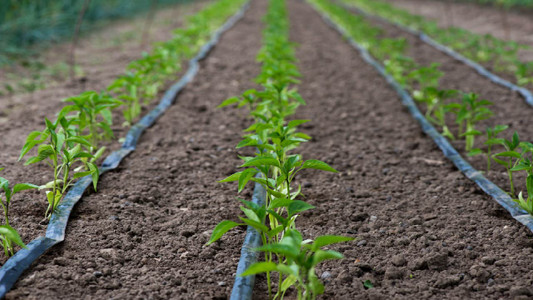
Credit: www.dripworks.com
Setting Up Timers And Controls
Efficiently manage water flow in your vegetable garden by setting timers and controls on the irrigation system. Adjust settings to match plant needs and weather conditions, ensuring optimal hydration. Reliable timing prevents water waste, promoting healthy growth and conserving resources.
Setting up timers and controls for your vegetable garden irrigation system is a game-changer. Imagine your plants getting the perfect amount of water even when you’re not around. This automation not only saves time but also conserves water, ensuring your garden thrives.Choosing The Right Timer
Selecting a timer is crucial for efficient irrigation. Look for a timer that suits your garden’s size and your watering needs. Digital timers offer precise control, while mechanical timers are more straightforward and affordable. Consider how many zones your garden has. If you have different sections requiring varied watering, opt for a multi-zone timer. This flexibility allows you to cater to the unique needs of each plant type.Programming Watering Schedules
Programming your watering schedule is like setting your garden on autopilot. Decide the best time for watering—early morning is ideal to minimize evaporation and fungal diseases. Most timers allow you to set multiple start times, ensuring each section gets attention. Adjust the duration based on your plants’ needs and soil type. Sandy soils may need shorter, more frequent watering, while clay soils benefit from longer, less frequent sessions. Test different schedules to find what works best for your garden.Adjusting For Seasonal Changes
Seasonal changes can affect your garden’s water requirements. During cooler months, reduce watering frequency to prevent over-saturation. In contrast, summer might demand more frequent watering to combat heat and dry air. Keep an eye on rainfall. If nature is doing the watering for you, pause your timer to avoid unnecessary water usage. This flexibility not only saves water but also ensures your plants aren’t drowned. Have you ever considered how these adjustments could impact your garden’s health? By staying attuned to seasonal shifts, you can optimize your irrigation system for flourishing results.Maintaining Your Irrigation System
Setting up an irrigation system in your vegetable garden ensures plants receive consistent water. Choose drip or sprinkler systems for efficient coverage. Regularly check for leaks or blockages to maintain optimal performance.
Maintaining Your Irrigation System Congratulations on setting up your irrigation system! But remember, the journey doesn’t end here. Like any good investment, your irrigation system needs regular care to keep it running smoothly and efficiently. Wondering how to make sure your setup is always in top shape? Let’s dig into some practical tips for maintaining your irrigation system.Regular Inspection Tips
Regular inspections are crucial for detecting issues early. Check for leaks or clogs at least once a month. Walk along your system and look for pooling water, damp soil, or unusually dry areas. Ensure all sprinklers and emitters are working as intended. Are they covering the right areas? Adjust them if necessary to avoid water wastage. Keep an eye out for plants growing too close to the emitters, as they can disrupt the water flow.Cleaning And Repairs
Cleaning your system is vital to prevent blockages. Remove any debris from filters and nozzles. Use a soft brush or a gentle stream of water for stubborn dirt. If you spot any cracks or damage, address them promptly. Replace worn-out parts to ensure the system operates efficiently. Keeping spare parts handy can save time and keep your garden flourishing.Winterizing The System
Winterizing protects your system from freeze damage. Drain all water from the lines to prevent them from bursting during cold months. Disconnect hoses and wrap exposed pipes with insulation. Consider using an air compressor to blow out remaining water in the system. It might take a bit of effort, but it’s worth it to avoid costly repairs in spring. By caring for your irrigation system, you not only extend its lifespan but also ensure your vegetable garden receives just the right amount of water. Isn’t it satisfying knowing you’re one step closer to a thriving garden?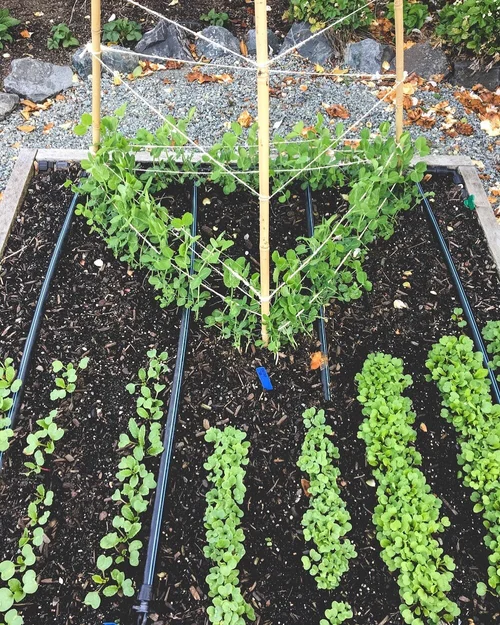
Credit: www.seattleurbanfarmco.com
Water Conservation Techniques
Installing a drip irrigation system ensures efficient water use in vegetable gardens. Connect tubing to a water source, placing emitters near plant roots. Adjust timers to provide consistent watering, saving both water and time.
Water conservation in vegetable gardens is essential for sustainability. Saving water not only helps the environment but also reduces costs. Implementing smart techniques ensures your garden thrives while using less water. Explore methods that maximize efficiency and minimize waste.Mulching Benefits
Mulch acts as a protective layer over soil. It helps retain moisture by reducing evaporation. Mulch also keeps soil temperature stable, benefiting plant roots. Organic mulches like straw or wood chips decompose, enriching the soil. This promotes healthier plant growth with less water.Rainwater Harvesting
Rainwater harvesting is a practical way to conserve water. Collect rainwater from roofs using barrels or tanks. This provides a free water source for your garden. Using stored rainwater reduces dependence on tap water. It is also kinder to plants, being naturally soft and chemical-free.Efficient Watering Practices
Efficient watering practices can significantly cut water use. Water plants early in the morning or late afternoon. This minimizes evaporation and ensures plants absorb moisture. Use drip irrigation systems for targeted watering. They deliver water directly to plant roots, reducing waste. Consider using timers to control watering schedules. This ensures plants get the right amount of water consistently.Troubleshooting Common Issues
Setting up an irrigation system for a vegetable garden can face common issues. Ensuring proper water pressure and avoiding clogged emitters helps efficient watering. Regularly checking for leaks and adjusting sprinkler heads can prevent uneven water distribution.
Troubleshooting an irrigation system in a vegetable garden can seem daunting. Yet, understanding common issues can save time and resources. Identifying leaks, dealing with uneven watering, and replacing damaged parts are crucial steps. These solutions help ensure your vegetables get the water they need.Identifying Leaks And Blockages
Leaks in the system can waste water. Check hoses and connections regularly. Look for wet spots in the garden. Blockages can disrupt water flow. Clear out any debris or dirt in the hoses. Use a small brush to clean the nozzle openings. Regular maintenance keeps the system efficient.Dealing With Uneven Watering
Uneven watering leads to dry patches. Adjust the sprinkler heads to cover all areas. Ensure each section of your garden gets enough water. Use a timer to control watering duration. Check the water pressure in the system. Low pressure can result in inadequate watering.Replacing Damaged Components
Damaged parts can affect the whole system. Inspect hoses, connectors, and sprinkler heads for wear and tear. Replace broken or cracked components immediately. Use quality materials for replacements. Regular inspection helps catch issues early, preventing bigger problems.Frequently Asked Questions
What Is The Best Way To Irrigate A Vegetable Garden?
Drip irrigation is the best way to irrigate a vegetable garden. It delivers water directly to plant roots, minimizing waste. This method conserves water, reduces evaporation, and prevents overwatering. Drip systems are efficient and promote healthy plant growth, making them ideal for vegetable gardens.
What Is The 30 30 Rule For Drip Irrigation?
The 30 30 rule for drip irrigation involves watering plants for 30 minutes every 30 hours. This method ensures efficient water distribution, maintains soil moisture, and prevents overwatering. Ideal for promoting healthy plant growth, it helps conserve water and maintain optimal hydration levels for various crops and garden plants.
How Long To Run An Irrigation System For A Vegetable Garden?
Run your irrigation system for 30-60 minutes, 2-3 times a week. Adjust based on weather conditions and soil type. Ensure soil is moist, not waterlogged. Proper watering promotes healthy vegetable growth.
How To Set Up An Irrigation System In A Garden?
Start by planning your layout and determining water needs. Choose the right irrigation type, like drip or sprinkler. Install the main water line, then add valves and connectors. Place emitters or sprinkler heads strategically. Test the system for leaks and coverage.
Adjust as necessary for optimal performance.
Conclusion
Setting up an irrigation system makes gardening easier. Your plants get water regularly. This helps them grow strong and healthy. You save time and effort. No more hand watering every day. Choose the right system for your garden size. Consider drip or sprinklers.
Both work well for vegetables. Remember, proper installation is key. Check your system often. Look for leaks or blockages. Fix them quickly. Consistent watering leads to better crops. Enjoy fresh vegetables right from your garden. Happy gardening!